
Hear from Our Customers
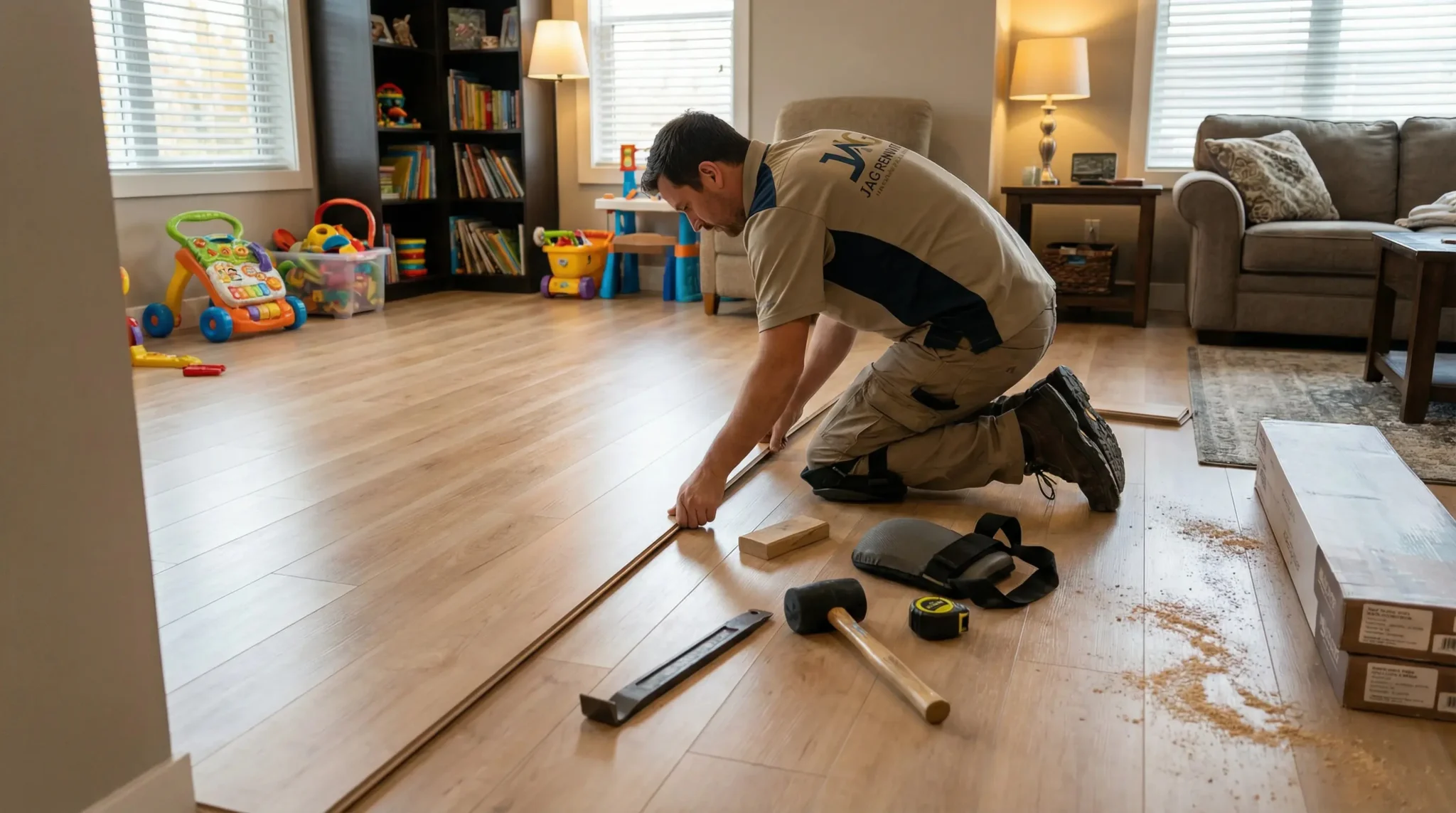
You walk through your home without worrying about uneven spots, scratches showing up a month later, or wondering if the contractor cut corners. Your floors look clean, feel solid, and hold up to real life—kids, pets, furniture moves, all of it.
That’s what proper installation gets you. Not just something that looks good on day one, but flooring that stays level, doesn’t creak, and handles the wear your household actually puts on it.
When you hire a residential flooring contractor who knows what they’re doing, you’re not dealing with callbacks or touch-ups six months down the road. You’re getting work that’s done once, done well, and backed by someone who’ll stand behind it if something’s off.
We’ve been handling interior renovations across Suffolk County for close to ten years. We’ve worked in enough East Patchogue homes to know what local homeowners deal with—older housing stock that needs careful prep work, varying subfloor conditions, and the reality that most people can’t afford to redo a floor twice.
We’re licensed, insured, and we don’t play games with pricing. You get a clear estimate upfront, and that’s what you pay unless you change the scope. No surprise fees, no pressure tactics, no disappearing after the deposit clears.
Our work includes hardwood, tile, vinyl, and laminate flooring installation. We handle the prep, the install, and the cleanup, and we’re responsive when you have questions during the process.

First, we come out to look at your space. We measure, check the subfloor condition, talk through what you’re hoping to get, and answer any questions about materials or timing. You’ll get a written estimate that breaks down labor, materials, and what’s included.
Once you’re ready to move forward, we schedule the work and walk you through prep—what needs to be moved, how long the install will take, and what to expect day-to-day. Most flooring jobs involve some noise and limited room access, so we’re upfront about that from the start.
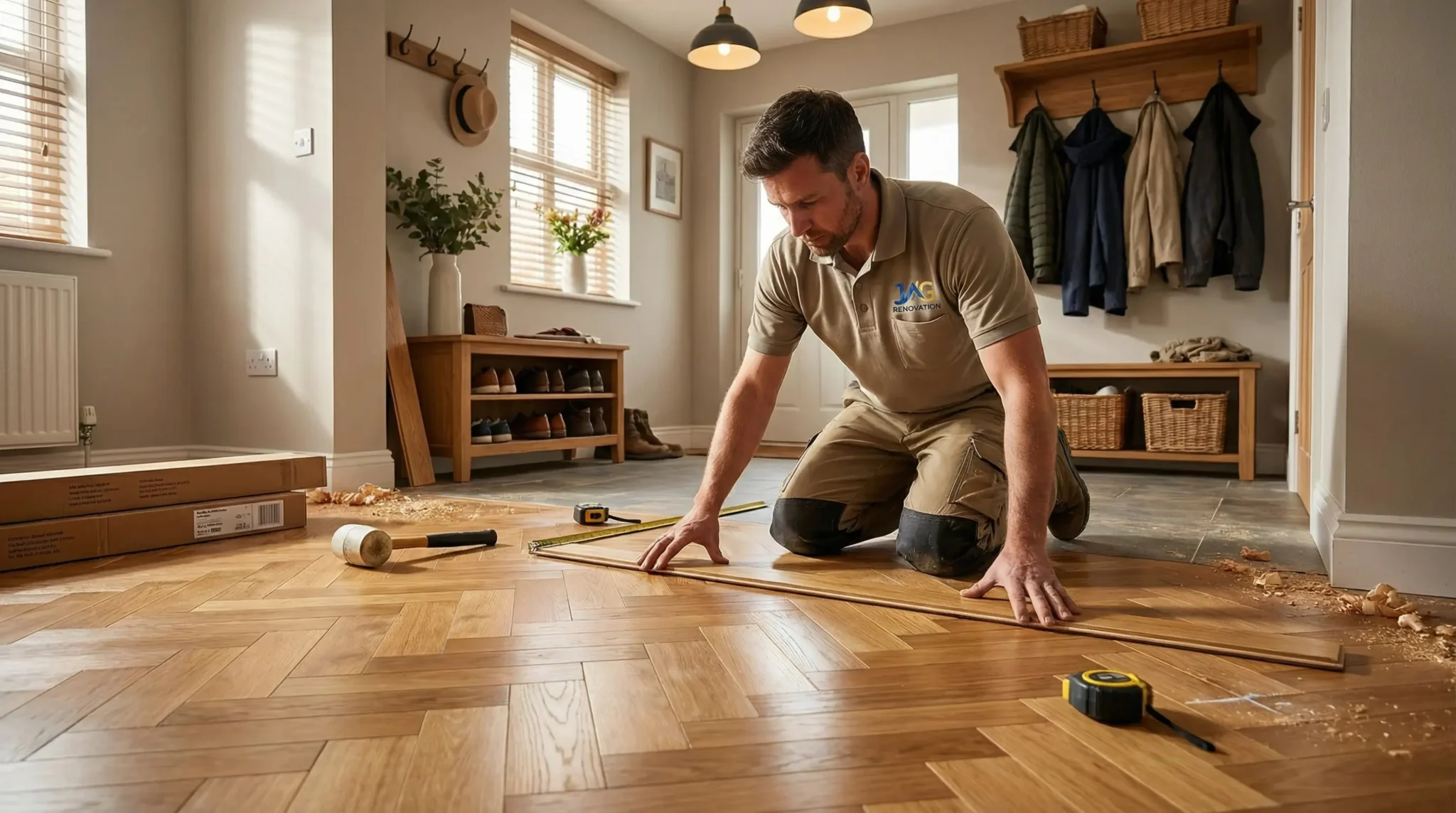
During installation, we prep the subfloor properly (this step matters more than most people realize), lay your flooring according to manufacturer specs, and handle transitions, trim, and cleanup. After we’re done, we walk the space with you to make sure everything meets your expectations before we call it finished.

Ready to get started?
We install hardwood, engineered wood, luxury vinyl plank, ceramic and porcelain tile, and laminate flooring. Each material has trade-offs—durability, cost, moisture resistance, maintenance—and we’ll talk through what makes sense for your space and how you actually use it.
In East Patchogue, we see a lot of homeowners replacing old carpet or worn hardwood in living areas and bedrooms. Vinyl plank has become popular here because it holds up well to moisture, pets, and kids while still looking like real wood. Tile stays common in kitchens, baths, and entryways where water exposure is a concern.
Our process includes subfloor inspection and leveling if needed, moisture barrier installation where applicable, proper underlayment, and finishing work like baseboards and transitions. We also handle furniture moving if that’s part of the scope, though clearing the room beforehand speeds things up and keeps costs down.

Most single-room flooring installs take one to three days depending on size, material, and subfloor condition. A standard bedroom with vinyl plank or laminate usually wraps up in a day or two. Tile takes longer because of mortar and grout cure times—you’re looking at two to three days minimum for a kitchen or bathroom.
Larger spaces or whole-home projects stretch into a week or more. Hardwood installation and finishing adds time because of sanding, staining, and sealing steps that each need drying time between coats.
The subfloor matters more than most people realize. If it’s uneven or damaged, we need extra time to level or repair it before laying anything down. Skipping that step leads to squeaks, gaps, and premature wear, so it’s not something we cut corners on.
Luxury vinyl plank holds up best to the wear that kids and pets put on floors. It’s scratch-resistant, waterproof, and doesn’t dent like hardwood when you drop something heavy. If a plank gets damaged, you can replace individual pieces without redoing the whole floor.
Tile is another solid choice for high-traffic areas, especially in kitchens and entryways. It doesn’t scratch, handles moisture well, and cleans easily. The grout lines need occasional resealing, but the tile itself lasts decades.
Hardwood looks great but shows wear faster with pets. You’ll see scratches from nails and dents from dropped toys. It can be refinished, which extends its life, but if durability is your top concern and you’ve got active kids or large dogs, vinyl or tile makes more sense.
Yes, rooms need to be cleared before we start. Most flooring contractors either require you to move furniture yourself or include moving as an add-on service. We can handle furniture moving if needed, but clearing rooms beforehand keeps the project moving faster and costs lower.
Heavy items like dressers, beds, and couches need to go into another room or a garage temporarily. Small stuff like lamps, decor, and anything breakable should be packed up and out of the way. The more prep you do upfront, the quicker we can get your floors done.
If you’re doing multiple rooms, we can work in stages so you’re not displaced from your whole house at once. We’ll coordinate timing during the estimate so you know what to expect and can plan accordingly.
Flooring costs vary widely based on material, room size, and subfloor condition. Vinyl plank and laminate typically run $3 to $8 per square foot installed. Tile ranges from $5 to $15 per square foot depending on the tile quality and pattern complexity. Hardwood installation usually starts around $8 to $12 per square foot and goes up from there.
For a standard 12×12 bedroom, you’re looking at roughly $1,500 to $3,000 installed depending on what you choose. Whole-home projects obviously cost more—figure $5,000 to $15,000+ depending on square footage and materials.
The subfloor is where hidden costs pop up. If we find damage, rot, or major unevenness during prep, that needs fixing before new flooring goes down. We’ll flag those issues during the estimate so there aren’t surprises later, but sometimes you don’t know what’s under old flooring until it’s pulled up.
It depends on what’s there now and what you’re installing. Vinyl plank and laminate can sometimes go over existing flooring if it’s smooth, level, and in good shape. Installing over old vinyl or low-pile carpet is possible in some cases, but it’s not always the best call.
Tile and hardwood almost always require removing old flooring first. You need a solid, level subfloor for tile so it doesn’t crack, and hardwood needs to be nailed or glued directly to the subfloor for stability.
We assess this during the estimate. Sometimes leaving old flooring saves time and money. Other times it creates problems down the road—uneven surfaces, trapped moisture, or height issues with doors and transitions. We’ll tell you what makes sense for your specific situation and explain the trade-offs either way.
Both look similar and install similarly, but they’re made differently and handle moisture differently. Laminate has a wood-based core with a photo layer on top and a protective coating. It’s durable and affordable, but it doesn’t handle water well—if it gets soaked, it swells and warps.
Vinyl plank is fully waterproof. The core is plastic-based, so moisture doesn’t damage it. That makes it better for kitchens, bathrooms, basements, or anywhere spills and humidity are concerns. It’s also slightly softer underfoot than laminate.
Laminate tends to feel a bit more like real wood when you walk on it, and higher-end laminate can look more realistic than budget vinyl. But for durability and moisture resistance, vinyl wins. Most East Patchogue homeowners we work with choose vinyl for main living areas and anywhere near water, and save laminate for bedrooms if they prefer the feel.
Other Services we provide in East Patchogue