
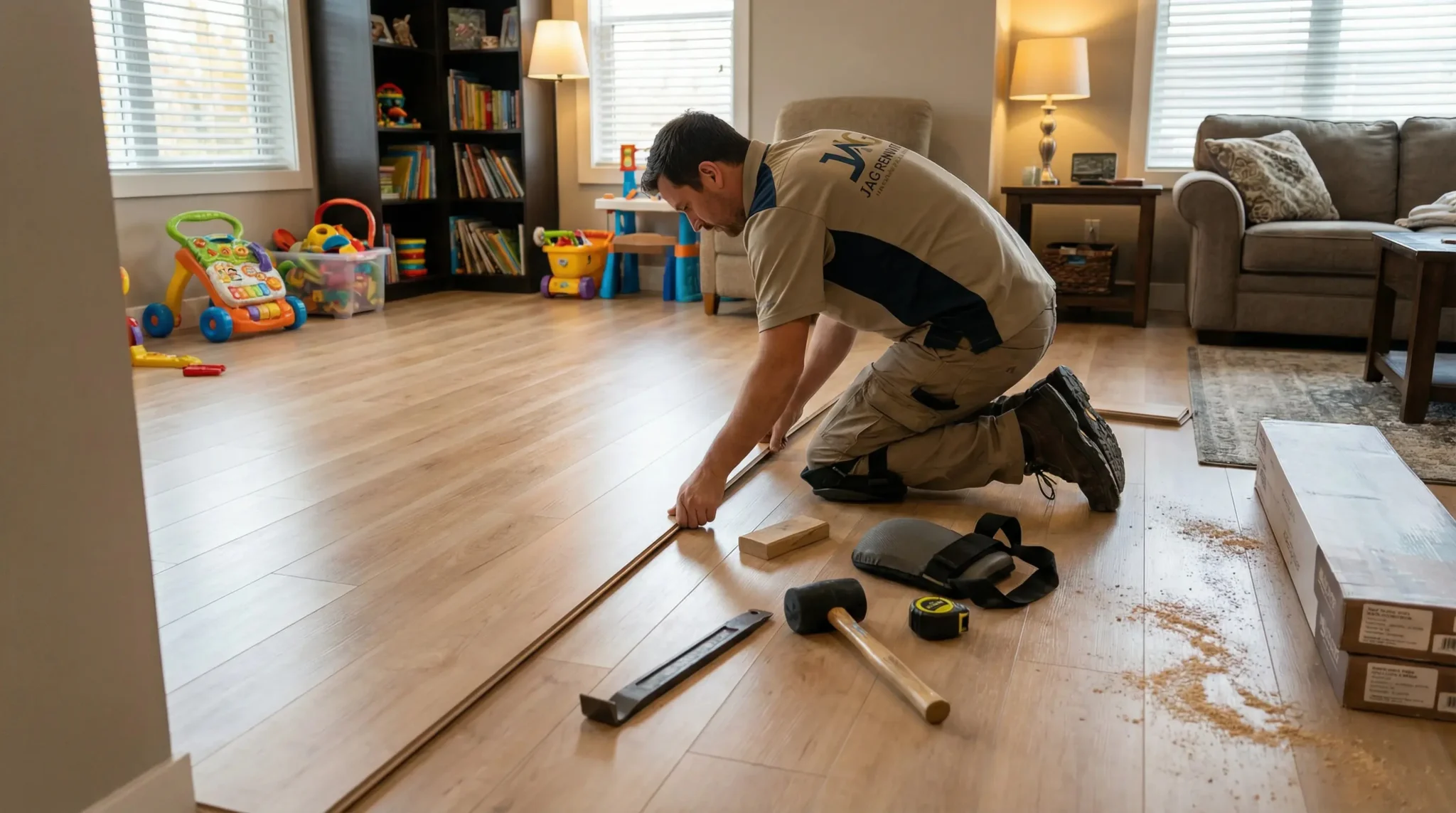
Hear from Our Customers
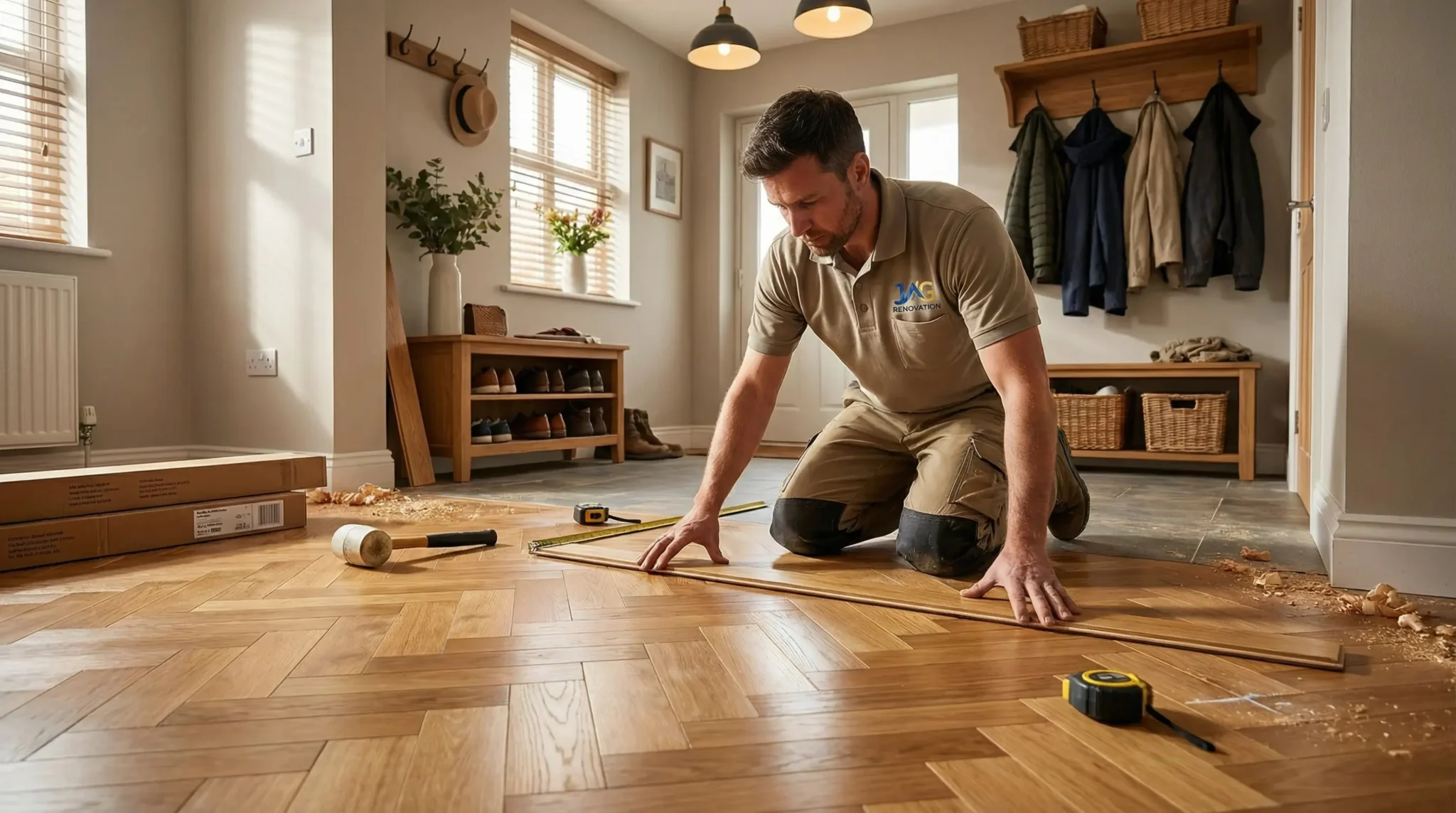
You’re not just replacing what’s underfoot. You’re dealing with moisture that comes with living near the coast. You’re trying to figure out if vinyl flooring holds up better than tile when you’ve got kids tracking in half the yard. You’re wondering if the quote you got yesterday included removal of the old floor or if that’s another $2,000 they’ll mention later.
Here’s what changes when the floor’s done right. Your home feels newer without the full renovation price tag. You stop worrying about water damage in the kitchen or basement because the materials were chosen for Suffolk County’s climate, not just pulled from a catalog. The installation takes a few days, not weeks, and you know exactly what it costs before anyone shows up.
Most homeowners in Medford see 70% of their flooring investment come back when they sell. That’s not a guarantee, but it’s what happens when the work is done well with quality materials. Hardwood still leads for resale value, but luxury vinyl plank has caught up fast because it handles moisture better and costs less to maintain.
We’ve been handling interior renovations across Suffolk County for nearly a decade. We’re not the biggest flooring company in the area, and we’re fine with that. What we are is licensed, insured, and upfront about what things cost before we start tearing up your old floor.
Most flooring contractors in Medford will give you a number that sounds good until they’re halfway through the job. Then it’s an extra charge for subfloor repair, another fee for moving furniture, and suddenly your $4,000 project is $6,500. We don’t work that way. You get one price that includes the actual work—removal, prep, installation, cleanup.
We’ve done residential flooring jobs in neighborhoods all over Medford and commercial projects in medical offices along North Ocean Avenue. The work’s the same either way: show up on time, communicate what’s happening, and install floors that hold up to Long Island weather and daily wear.

First, we come look at the space. Not to sell you the most expensive option, but to see what you’re working with—subfloor condition, moisture levels, room layout. If you’re in an older Medford home, we’re checking for issues that’ll cause problems later if they’re ignored now.
Then you get a written estimate that breaks down materials, labor, removal of old flooring, and prep work. If your subfloor needs repair, that’s in the number. If we’re moving appliances or furniture, that’s in there too. No line items that magically appear later.
Installation usually takes one to three days for a typical room, depending on size and material. Vinyl flooring and laminate go faster than tile or hardwood. We’re not working around your schedule for two weeks—we show up, do the work, and finish. You’ll need to stay off the floor for a bit depending on what goes down, but we’ll tell you exactly how long before we start.
After it’s done, we walk through it with you. If something’s not right, we handle it then, not after you’ve called three times. The floor should look like what you agreed to, and it should be ready to use when we say it is.

Ready to get started?
Hardwood flooring still tops the list for resale value in Medford. It runs $6 to $22 per square foot depending on the wood and finish, and installation adds another $5 to $12 per square foot. It looks good, it lasts decades if it’s maintained, and buyers expect it in certain rooms. The downside is moisture—you need to watch humidity levels or you’ll deal with warping.
Luxury vinyl plank is what most homeowners are choosing now for kitchens, bathrooms, and basements. It’s waterproof, it handles Suffolk County’s coastal humidity without buckling, and it costs $3 to $7 per square foot installed. It looks like hardwood but doesn’t require the same maintenance. If you’ve got kids or pets, this is usually the smarter play.
Tile flooring works well in bathrooms and entryways where water’s a constant issue. Ceramic tile installation runs $5 to $10 per square foot, and it holds up forever if the subfloor is prepped correctly. Laminate flooring is the budget option—looks decent, costs less, but it’s not waterproof and won’t last as long as vinyl or tile.
The real decision comes down to where the floor’s going and what kind of moisture it’ll see. Medford homes deal with humidity year-round and seasonal water issues that other areas don’t. We’re not going to put hardwood in your basement or laminate in a bathroom. The material has to match the space, or you’re replacing it in five years instead of twenty.

For an average room of 300 square feet, you’re looking at $1,500 to $4,500 depending on material and labor. Vinyl flooring sits on the lower end at $900 to $2,100 installed. Hardwood pushes the higher end at $3,300 to $6,600 for the same space.
Those numbers include removal of your old floor, subfloor prep, new material, and installation labor. If your subfloor has damage from moisture or age, add another $2 to $5 per square foot for repair. Most contractors won’t mention that until they’ve pulled up the old floor, which is why getting it in writing matters.
A full house is harder to estimate without seeing it, but most Medford homeowners spend $8,000 to $15,000 to redo main living areas. That’s kitchen, living room, hallways—the spaces people actually see. If you’re doing the whole house including bedrooms, you’re closer to $20,000 to $30,000 depending on square footage and material choice.
Luxury vinyl plank is the most reliable option for Suffolk County homes. It’s completely waterproof, handles humidity without warping, and doesn’t expand or contract with temperature swings the way hardwood does. If you’re near the coast or you have moisture issues in your basement, this is what holds up.
Tile flooring is the other solid choice for wet areas—bathrooms, mudrooms, laundry rooms. Ceramic or porcelain tile doesn’t care about water, and it won’t deteriorate from Long Island’s seasonal moisture. The grout needs sealing every couple years, but the tile itself lasts indefinitely.
Hardwood can work in Medford homes if you control indoor humidity and keep it out of basements and bathrooms. You’ll need to run a dehumidifier in summer and monitor moisture levels, or you’ll see gaps in winter and swelling in summer. It’s more maintenance than vinyl, but it still delivers the best resale value if you’re willing to manage it. Laminate flooring is the one to avoid in high-moisture areas—it’s not waterproof, and once it swells from water exposure, you’re replacing it.
A standard room of 300 to 500 square feet takes one to two days for vinyl or laminate flooring installation. That includes pulling up the old floor, prepping the subfloor, and installing the new material. Tile floor installation takes longer—two to three days for the same space because you’re waiting for mortar and grout to set.
Hardwood flooring installation runs two to four days depending on whether it’s nail-down solid hardwood or click-lock engineered planks. Solid hardwood takes longer because each plank gets nailed individually and then the whole floor needs sanding and finishing. Engineered hardwood goes faster since it’s pre-finished.
If you’re doing multiple rooms or a whole floor of your house, add a day or two for transitions between spaces and any custom cuts around cabinets or doorways. Most residential flooring contractors in Medford can finish a typical kitchen and living room in three to five days total. The actual time you can’t use the room is shorter—vinyl and laminate are ready to walk on immediately, tile needs 24 hours, and hardwood needs 24 to 48 hours depending on finish.
Most flooring contractors will move furniture as part of the job, but not all of them include it in the base price. Some charge extra—anywhere from $100 to $500 depending on how much needs moving and whether it’s going to another room or into storage. You need to ask before they show up, or you’ll be scrambling to clear rooms the morning of installation.
We include basic furniture moving in our estimates. That means clearing the room, installing the floor, and putting furniture back when it’s safe to walk on. If you’ve got a piano or a massive entertainment center that needs professional movers, that’s a different conversation. But standard furniture—couches, tables, beds, dressers—that’s part of the job.
The one thing you should handle yourself is personal items, breakables, and anything in closets or cabinets. We’re moving the big stuff so we can access the floor, but we’re not packing up your home office or clearing out your closet. The clearer the space is when we arrive, the faster the install goes and the less chance something gets damaged in the shuffle.
New flooring typically returns 70% to 100% of the cost when you sell, depending on the material and the condition of the rest of your home. Hardwood flooring delivers the highest return because buyers in Medford expect it and will pay more for homes that have it in main living areas.
Luxury vinyl plank is closing the gap because it’s low maintenance and waterproof, which matters to buyers who don’t want to deal with refinishing hardwood every decade. It won’t command the same premium as real hardwood, but it won’t hurt your sale price either. Tile in bathrooms and entryways is expected—it’s not a value-add as much as a baseline requirement.
The bigger impact is what happens when your floors look bad. Worn carpet, scratched hardwood, or outdated linoleum makes buyers assume the rest of the house is neglected, and they’ll lowball offers or walk away entirely. Replacing flooring before you list isn’t about getting rich—it’s about not losing money because buyers are mentally deducting $10,000 to $15,000 from their offer to cover floors they’ll replace anyway. If you’re staying in the home, the value is comfort and function. If you’re selling soon, it’s about not leaving money on the table.
Start with where the floor is going and what kind of abuse it’ll take. If it’s a bathroom, basement, or kitchen where water’s a factor, vinyl flooring is the right call. It’s waterproof, it looks good, and it costs less than hardwood. Laminate flooring is cheaper than vinyl, but it’s not waterproof—one leak and you’re replacing it.
Hardwood makes sense in living rooms, dining rooms, and bedrooms where moisture isn’t an issue and you want the resale value. It costs more upfront and requires maintenance, but it lasts 30 to 50 years if you take care of it. Engineered hardwood splits the difference—it’s real wood on top, more stable than solid hardwood, and it handles humidity better. It’s a good middle option for Medford homes where you want the look of hardwood without the moisture risk.
Budget matters, but so does how long you’re staying in the house. If you’re selling in two years, luxury vinyl plank gives you the best return for the cost. If you’re staying for ten or twenty years, hardwood pays off because you’re not replacing it twice. And if you’ve got kids, dogs, or a habit of spilling things, vinyl is more forgiving than hardwood or laminate. The floor has to match how you actually live, not just what looks good in the showroom.