
Hear from Our Customers
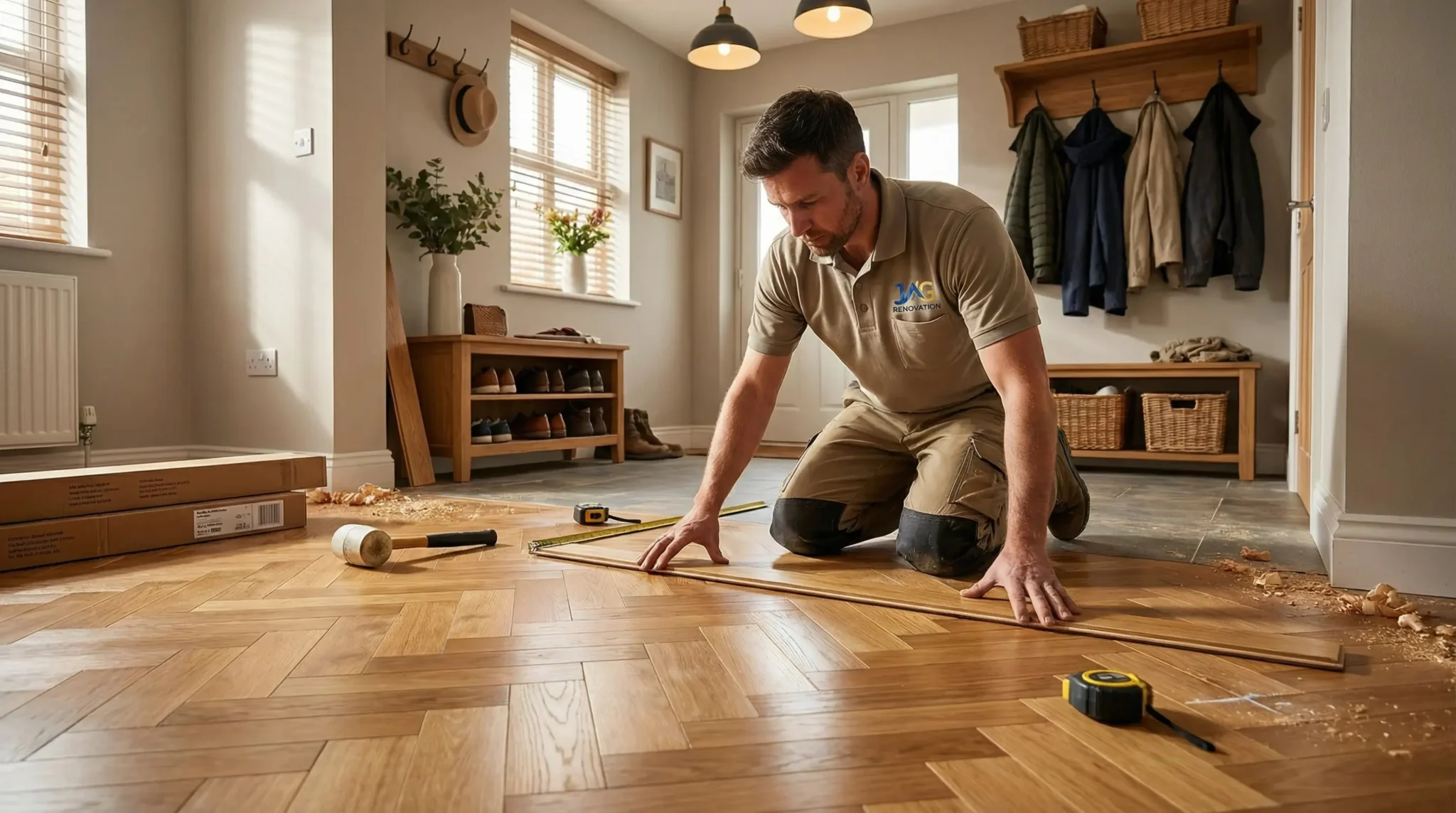
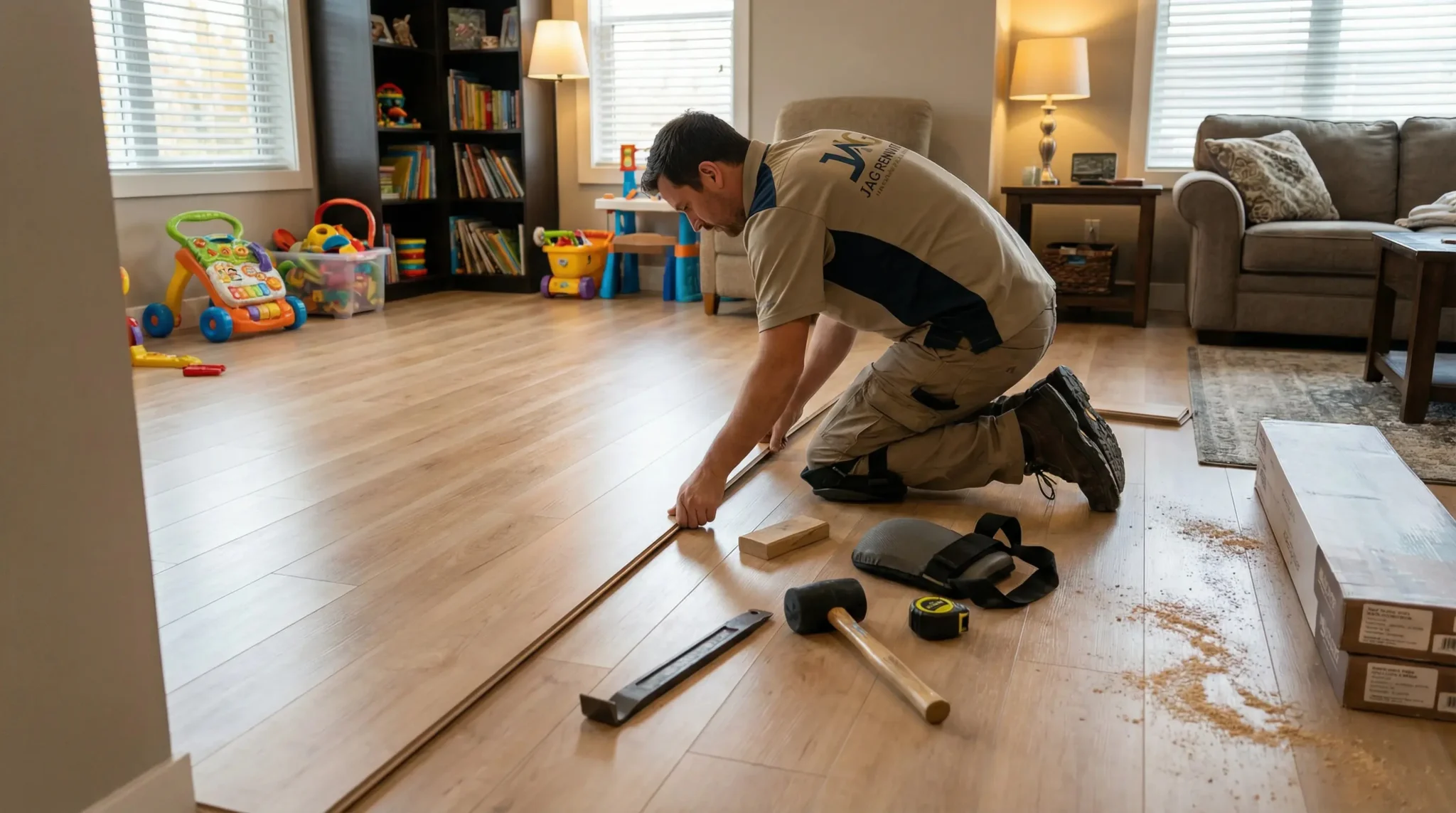
Your floors take more abuse than any other surface in your home. Kids, pets, furniture, spills, foot traffic—it all adds up. When you replace flooring in your house with the right material installed correctly, you’re not just changing how a room looks. You’re changing how it functions.
Hardwood flooring can add up to 2.5% to your home’s value and deliver over 100% ROI when it’s time to sell. That’s not marketing talk—that’s data from the National Association of REALTORS. Homes with quality floors get more views online and stronger offers. Buyers notice.
But the real benefit shows up daily. No more worrying about moisture damage in your kitchen. No more worn-out carpet trapping dust and allergens. Just clean, durable surfaces that handle whatever your household throws at them. Whether you’re considering tile floor installation for high-traffic areas or vinyl flooring for moisture-prone spaces, the right choice makes maintenance easier and your home more comfortable.
Most homes in Mount Sinai were built in the 1990s. That means original floors are hitting 30+ years old—well past their prime. We’ve worked in dozens of these homes, and we know what holds up and what doesn’t in Suffolk County’s coastal climate.
We’re fully licensed and insured for carpentry and renovation work throughout the area. Every installation meets local building codes. No shortcuts, no surprises. Just straightforward work done right the first time.
You won’t get a high-pressure sales pitch from us. You’ll get an honest assessment, an accurate estimate, and clear communication from start to finish. That’s how we’ve built our reputation here—one floor, one homeowner at a time.

First, we come out to assess your space. We’ll measure, discuss what you’re looking for, and talk through material options based on your budget and how you actually use the room. If you have moisture concerns or subfloor issues, we’ll catch them now—not halfway through the job.
Once you approve the estimate, we schedule the work around your life. Most residential flooring installations take 2-5 days depending on square footage and material. Simple rooms finish in a day or two. Whole-house projects take closer to a week.
During installation, we use dust-free sanding equipment for hardwood jobs—modern vacuums attached directly to our tools. It’s not completely dust-free, but it’s close. For tile flooring installation or laminate flooring installation, prep work is minimal and cleanup is part of the process.
When we’re done, we walk you through care and maintenance. You’ll know exactly what to expect and how to keep your new floors looking good for decades. Then we’re out of your way, and you’ve got floors that actually work.

Ready to get started?
Hardwood remains the top choice for Mount Sinai homeowners in 2025. Wide plank styles in oak, maple, and walnut are dominating local installs. They make rooms feel larger and show off natural grain patterns that never go out of style. Expect to invest $12-25 per square foot installed, depending on species and finish. With proper care, you’re looking at 50-100 years of life.
Tile flooring works best in kitchens, bathrooms, and entryways where moisture is a concern. Ceramic tile floor installation offers durability and easy maintenance—just sweep and mop. No special treatments, no refinishing schedules. It’s a set-it-and-forget-it option that handles Suffolk County humidity without warping or cupping.
Vinyl flooring has come a long way. Luxury vinyl plank now mimics hardwood so well that most people can’t tell the difference until they touch it. It’s waterproof, scratch-resistant, and costs significantly less than real wood. If you’ve got kids, pets, or high traffic, vinyl delivers performance without the premium price tag.
Laminate flooring installation splits the difference—better than vinyl, more affordable than hardwood. It’s a smart middle ground for bedrooms and living areas where you want the look of wood without the maintenance concerns.

For most Mount Sinai homes, you’re looking at $3,000-4,500 for a typical room or two, depending on material and square footage. Hardwood runs $12-25 per square foot installed. Tile usually falls in the $8-15 range. Vinyl and laminate come in cheaper at $5-12 per square foot.
Those numbers include materials, labor, and basic prep work. If your subfloor needs repair or leveling, that adds to the cost—but we’ll catch that during the estimate, not after we’ve started tearing things up.
The biggest variable is material choice. Premium hardwood species like walnut or cherry cost more than standard oak. Large-format tile costs more than standard 12×12. But here’s what matters: you’re not just paying for the material. You’re paying for installation that lasts. Cheap work fails fast, and then you’re paying twice.
A single room usually takes 1-2 days. A whole-house project typically runs 3-5 days, sometimes longer if we’re working around furniture or doing multiple material types.
Hardwood takes the longest because of acclimation time—the wood needs to sit in your home for a few days before installation to adjust to your humidity levels. Tile needs time for mortar and grout to cure. Vinyl and laminate install faster since they’re floating floors with minimal prep.
We’ll give you a realistic timeline upfront. If something comes up—a subfloor issue, a delayed material shipment—we’ll let you know immediately. Most delays are avoidable with proper planning, and that’s where experience matters. We’ve done this enough times to anticipate problems before they happen.
For hardwood refinishing or sanding, we use dust-free equipment—sanders connected directly to industrial vacuums. It captures about 95% of the dust. You’ll still want to cover nearby furniture and expect some fine particles, but it’s nothing like the old days of sanding.
Tile and vinyl installations create minimal dust. The mess comes more from cutting materials outside and tracking in debris, which we clean up as we go. Laminate is the cleanest install since most cutting happens outdoors and the planks click together without adhesive.
We put down floor protection in high-traffic areas and clean up at the end of each day. You’re not living in a construction zone any longer than necessary. Most homeowners are surprised by how manageable the process is compared to what they expected.
Suffolk County’s coastal humidity is tough on floors. Hardwood can cup, crown, or gap if it’s not properly acclimated and finished. That’s why we let wood adjust to your home’s conditions before installation and use quality sealants that handle moisture swings.
Tile and vinyl are your most moisture-resistant options. They don’t expand or contract with humidity changes, which makes them ideal for kitchens, bathrooms, basements, and entryways. If you’ve had water issues in the past, these materials give you peace of mind.
Laminate sits in the middle—it handles normal humidity fine but shouldn’t be used in areas prone to standing water. For most Mount Sinai homes built in the ’90s, a mix works best: hardwood in living areas and bedrooms, tile or vinyl in wet zones. That gives you the warmth and value of wood where it matters, with practical durability where you need it.
Yes, rooms need to be empty before we start. We can work around a few large pieces if necessary, but it slows things down and limits our ability to do the job right. Most homeowners move smaller items themselves and hire movers for heavy furniture.
If you’re doing a whole-house install, you don’t need to move everything out at once. We can work room by room so you’re not displaced for the entire project. We’ll coordinate the schedule with you to minimize disruption.
Plan ahead for where you’ll put things temporarily. Garages, basements, or even stacking furniture in rooms we’re not working on yet all work. The clearer the space, the faster and cleaner the install goes. And faster means less time living around construction.
Start with how you use the space. High-moisture areas like bathrooms and kitchens need tile or vinyl—hardwood and laminate will fail there eventually. For living rooms, bedrooms, and hallways, any material works, so it comes down to budget and preference.
Hardwood gives you the best ROI and longest lifespan, but it costs more upfront and requires occasional maintenance. Vinyl gives you similar looks with better moisture resistance and lower cost, but it won’t last as long or add as much resale value. Laminate splits the difference—decent durability, lower price, but not as tough as vinyl or as valuable as hardwood.
If you’re planning to sell within five years, hardwood pays off. If you’re staying long-term and want low maintenance, vinyl makes sense. If budget is tight but you still want a quality look, laminate works. We’ll walk through your specific situation during the estimate and recommend what actually fits—not what makes us the most money.