
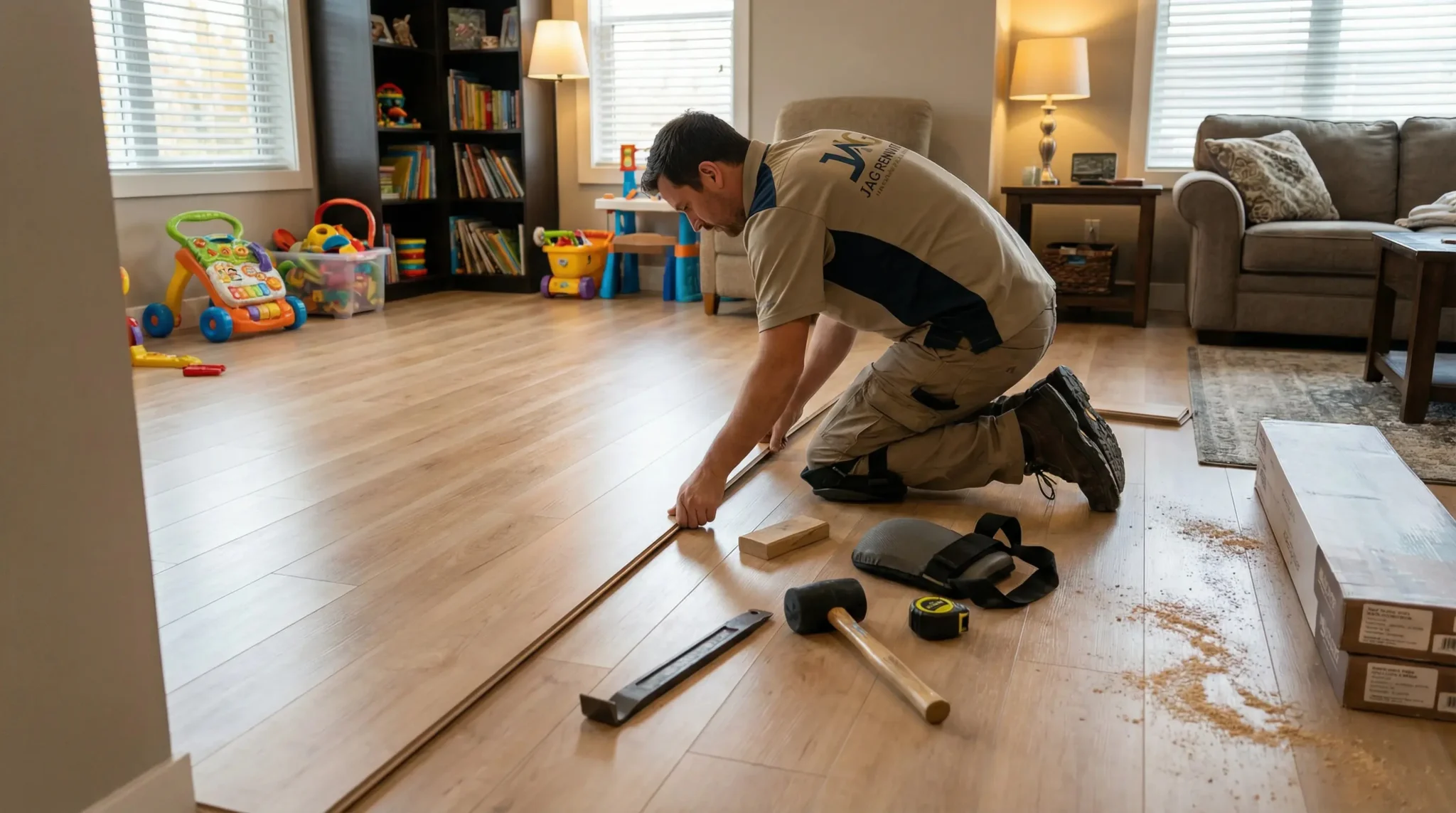
Hear from Our Customers
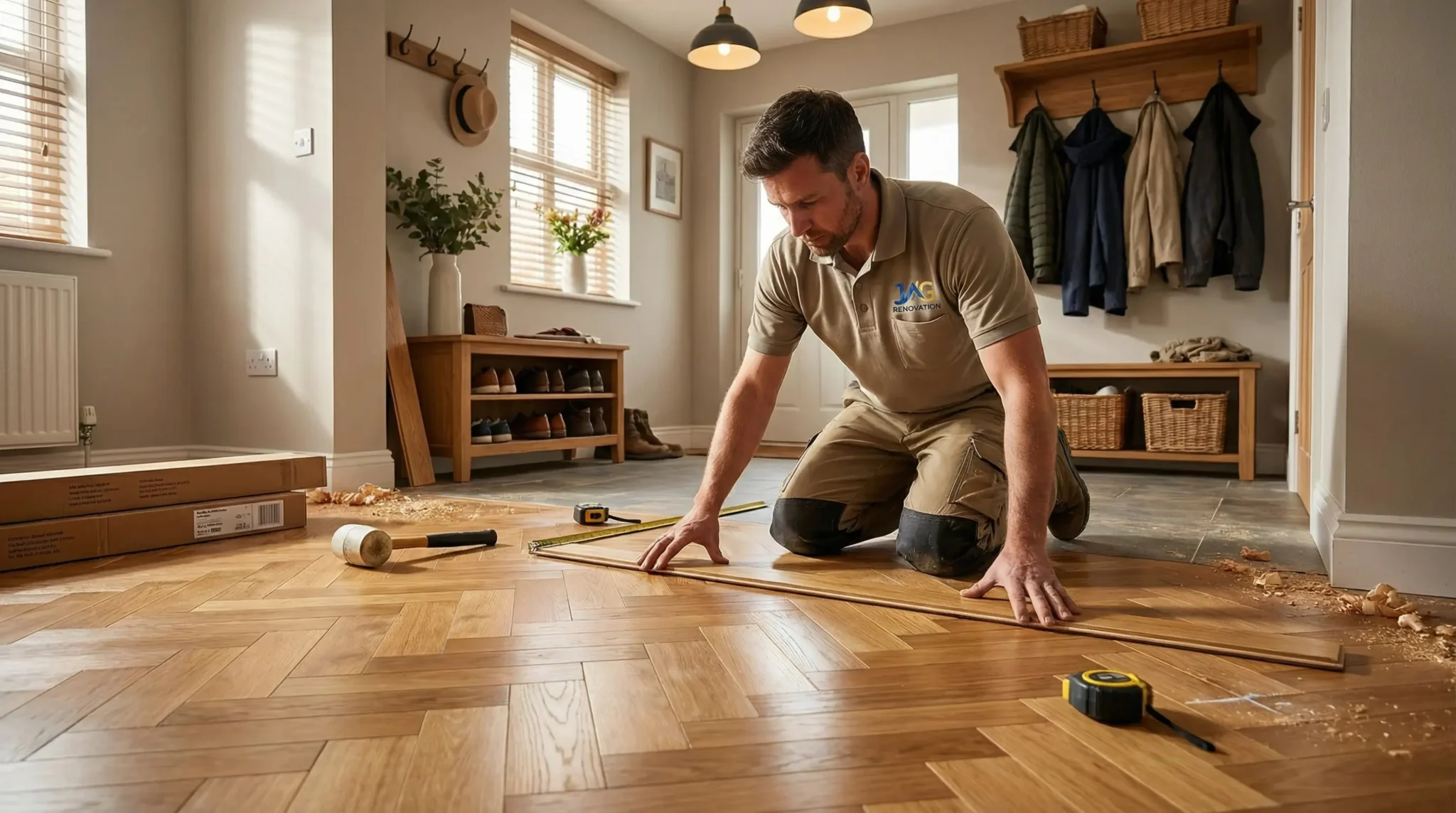
You’re not looking for the cheapest option. You’re looking for flooring that holds up when your dog tracks in mud, when the kids spill juice, when life happens daily for the next fifteen years.
That’s where most flooring jobs fall short. The material looks great in the showroom, but six months in, you’re dealing with scratches, gaps, or boards that sound hollow when you walk across them. Poor prep work and rushed installation create problems that cost more to fix than doing it right the first time.
We handle flooring installation the way it’s supposed to be done. Subfloor gets inspected and leveled. Transitions between rooms get planned before anything goes down. Materials acclimate properly so they don’t shift or buckle later. You end up with floors that look good now and stay that way, which is the whole point of replacing them.
We’ve been installing floors in North Babylon and throughout Suffolk County since 2015. That’s long enough to see which materials actually hold up in Long Island homes and which ones don’t live up to the marketing.
Most of our work comes from referrals, which tells you something. When your neighbor recommends a flooring contractor, it’s because the job went smoothly and the floors still look good years later. We don’t use high-pressure sales tactics or surprise you with costs that weren’t in the original quote.
North Babylon homes range from post-war ranches to newer construction, and each one has different subfloor conditions and layout challenges. We’ve worked in enough of them to know what to expect and how to handle it without adding days to your timeline or dollars to your budget.

First, we come out to look at your space. Not to sell you, but to actually assess what you’re working with—subfloor condition, moisture levels, room layout, transition points. You’ll know upfront if there are issues that need addressing before new flooring goes down.
Then we walk through material options based on how you actually use the space. High-traffic areas need different flooring than a formal dining room you use twice a year. If you have pets or kids, that changes the conversation. We’re not pushing luxury vinyl or hardwood because one has a better margin—we’re recommending what makes sense for your situation.
Once you approve the plan and pricing, we schedule the work. Old flooring comes up, subfloor gets prepped and leveled, new material acclimates if needed, then installation happens. We handle transitions, thresholds, and trim so everything looks finished, not like a DIY project that almost worked.
You get a walkthrough at the end. We make sure you’re clear on care instructions and what to expect as the floor settles in. Then we clean up and get out of your way.
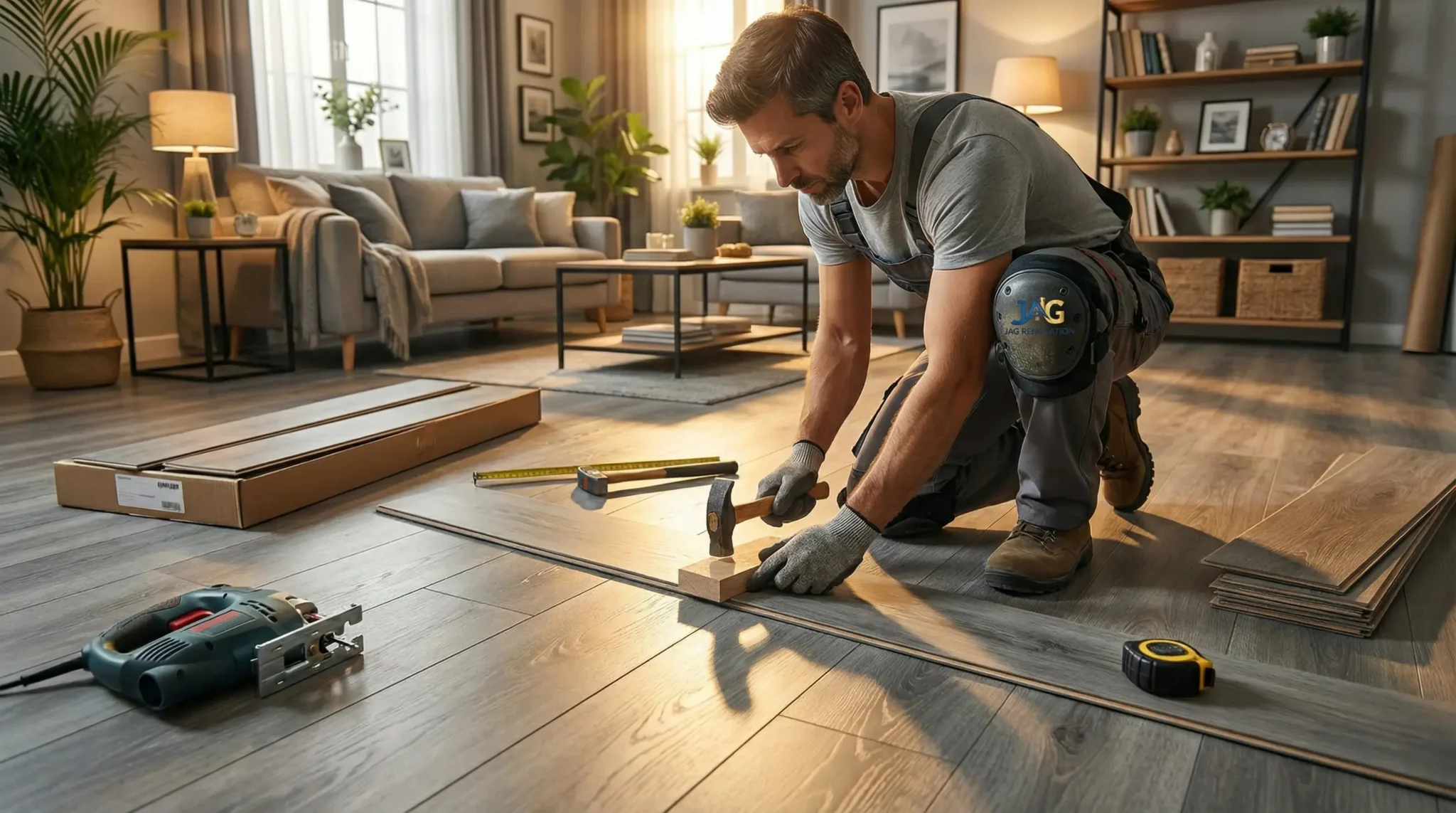
Ready to get started?
We install hardwood, luxury vinyl plank, ceramic and porcelain tile, and laminate flooring. Each material has trade-offs, and we’ll tell you what they are instead of just upselling you to the most expensive option.
Subfloor prep is part of every job. If your subfloor isn’t level or has moisture issues, your new floor won’t perform right no matter how much you spent on materials. We address that before installation starts, not after you notice problems.
Removal and disposal of old flooring is included. So is furniture moving for most projects, though we’ll let you know if there are pieces that need professional movers. Trim work, transitions between rooms, and thresholds all get handled so your floors look professionally finished.
North Babylon homes built before 1980 sometimes have asbestos tile or lead paint concerns. We’re trained to identify potential issues and can coordinate testing if needed. It’s not common, but when it comes up, you want someone who knows how to handle it properly instead of pretending it’s not there.

Most single-room projects take one to two days once we start. A whole-floor installation—say, living room, dining room, hallway, and kitchen—usually runs three to five days depending on square footage and material choice.
Tile takes longer than vinyl or laminate because of mortar curing time. Hardwood needs acclimation time before installation, which adds a few days to the front end but prevents boards from expanding or contracting after they’re down. We’ll give you a realistic timeline during the estimate, not an optimistic one that assumes everything goes perfectly.
The biggest delays come from subfloor issues you didn’t know about until the old floor comes up. If we find rot, significant unevenness, or structural concerns, we stop and discuss options before moving forward. It might add a day or two, but it prevents callbacks six months later when your new floor starts having problems.
Luxury vinyl plank holds up better than almost anything else when you have pets. It’s waterproof, scratch-resistant, and doesn’t dent if you drop something heavy. The quality varies widely between brands, so we steer you toward products that actually perform, not just the ones with good marketing.
Tile works well in kitchens and entryways where water and mud are constant issues. It’s cold underfoot, which some people hate and some dogs love in summer. Porcelain is more durable than ceramic and less likely to chip if you drop a cast iron pan.
Hardwood can work if you choose harder species like oak or maple and keep nails trimmed on your pets. Soft woods like pine show every scratch and dent. If you go with hardwood, plan on refinishing it every ten years or so. Some people love the patina that develops; others want floors that look new indefinitely. That’s a personal call, but you should know what you’re signing up for.
Material and labor together typically run between $8 and $18 per square foot for most residential projects in North Babylon. Luxury vinyl and laminate fall on the lower end. Hardwood and tile installation cost more because they’re more labor-intensive.
A 200-square-foot kitchen might run $2,000 to $3,500 installed. A 1,200-square-foot main floor could be $12,000 to $20,000 depending on material choice and how much subfloor work is needed. Those ranges include removal of old flooring, prep work, installation, and finishing details.
We don’t give ballpark estimates over the phone because too many variables affect final cost—subfloor condition, furniture moving requirements, whether you need new baseboards or transitions. We come out, measure, assess what we’re working with, and give you a fixed price in writing. No surprises later, no “unforeseen circumstances” upcharges that double your cost.
We move most furniture as part of the job. Dressers, beds, couches, tables, chairs—standard household stuff gets shifted to other rooms or moved within the space as we work.
There are exceptions. China cabinets full of dishes, gun safes, pianos, and extremely heavy antiques sometimes need professional movers. We’ll let you know during the estimate if anything falls into that category. It’s rare, but when it comes up, it’s better to handle it properly than risk damaging your belongings or injuring someone.
You should clear out small items, breakables, and anything valuable that you don’t want in a construction zone. We’re careful, but dust happens during demolition and installation. Anything you’d be upset about getting dirty should go into a closed room or off-site until the job wraps up.
Sometimes you can install over existing flooring, but usually you shouldn’t. Vinyl plank can sometimes go over old vinyl or tile if the surface is smooth and level. Laminate can occasionally go over old laminate if there’s no damage and the subfloor underneath is sound.
But most of the time, old flooring needs to come up. Stacking new material on top of old creates height issues at doorways and transitions. It hides subfloor problems that will eventually affect your new floor. And it rarely saves enough money to justify the compromises you’re making.
We pull up the old floor on almost every job. It lets us inspect and address the subfloor properly, ensures your new flooring sits at the right height, and eliminates any question about what’s underneath. The few hundred dollars you might save by leaving old flooring in place isn’t worth the problems it can create down the road.
Start with how you use the space and what matters most to you. If water exposure is a concern—kitchen, bathroom, entryway—tile or luxury vinyl makes sense because they’re waterproof. Laminate looks like wood but fails quickly if it gets wet.
Hardwood adds resale value and can be refinished multiple times, but it costs more upfront and requires maintenance. Luxury vinyl has come a long way in the past five years and now looks nearly identical to hardwood while being more durable and water-resistant. It won’t add as much resale value, but it’ll hold up better to daily wear.
Tile is the most durable option and works anywhere, but it’s cold, hard underfoot, and more expensive to install. Laminate is the budget option—it looks decent and holds up fine in low-traffic areas, but it can’t be refinished and doesn’t feel as solid underfoot as vinyl or hardwood. We walk through these trade-offs during your consultation so you can make a decision based on your actual priorities, not just what’s trendy or on sale.
Other Services we provide in North Babylon