
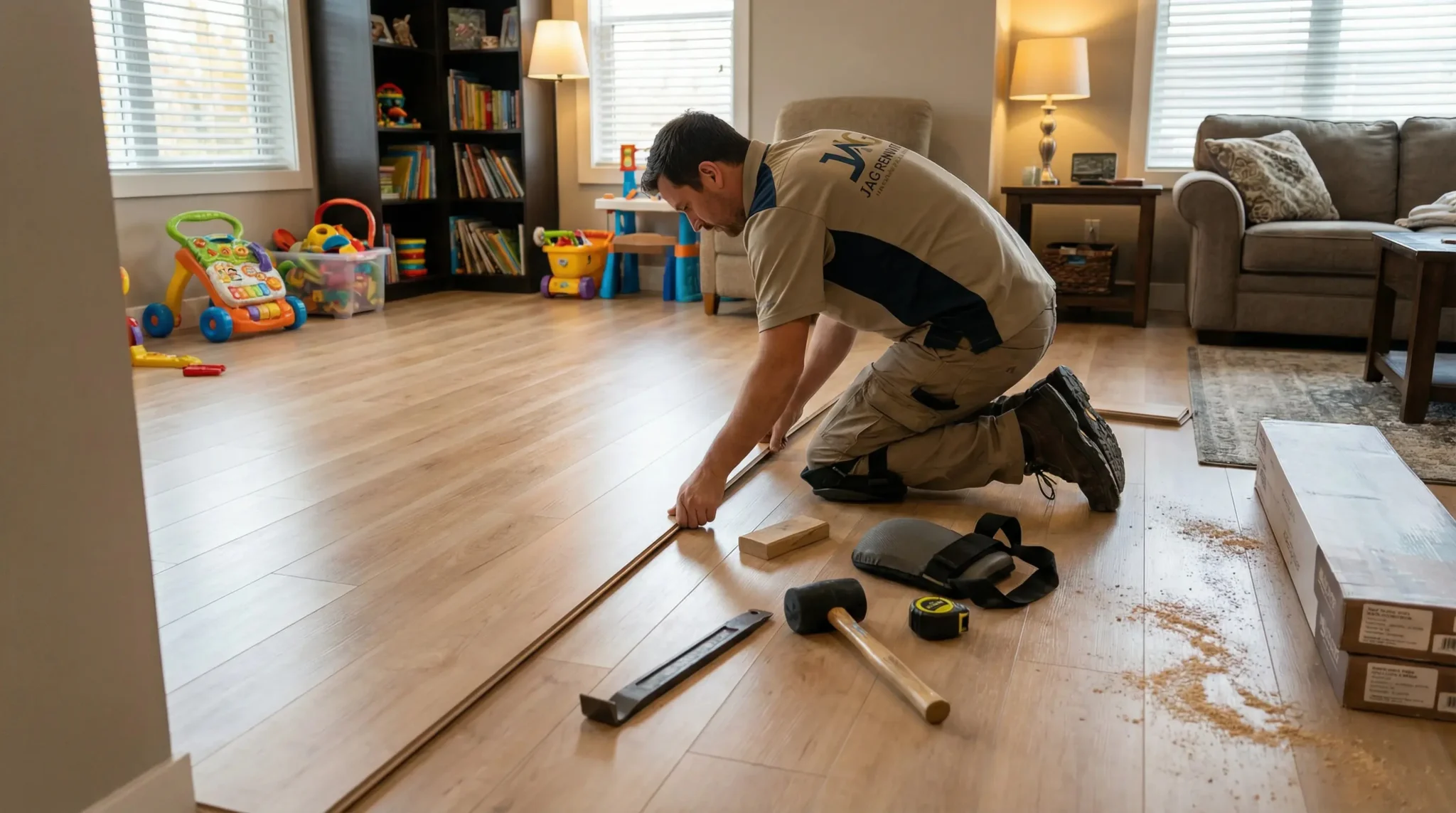
Hear from Our Customers
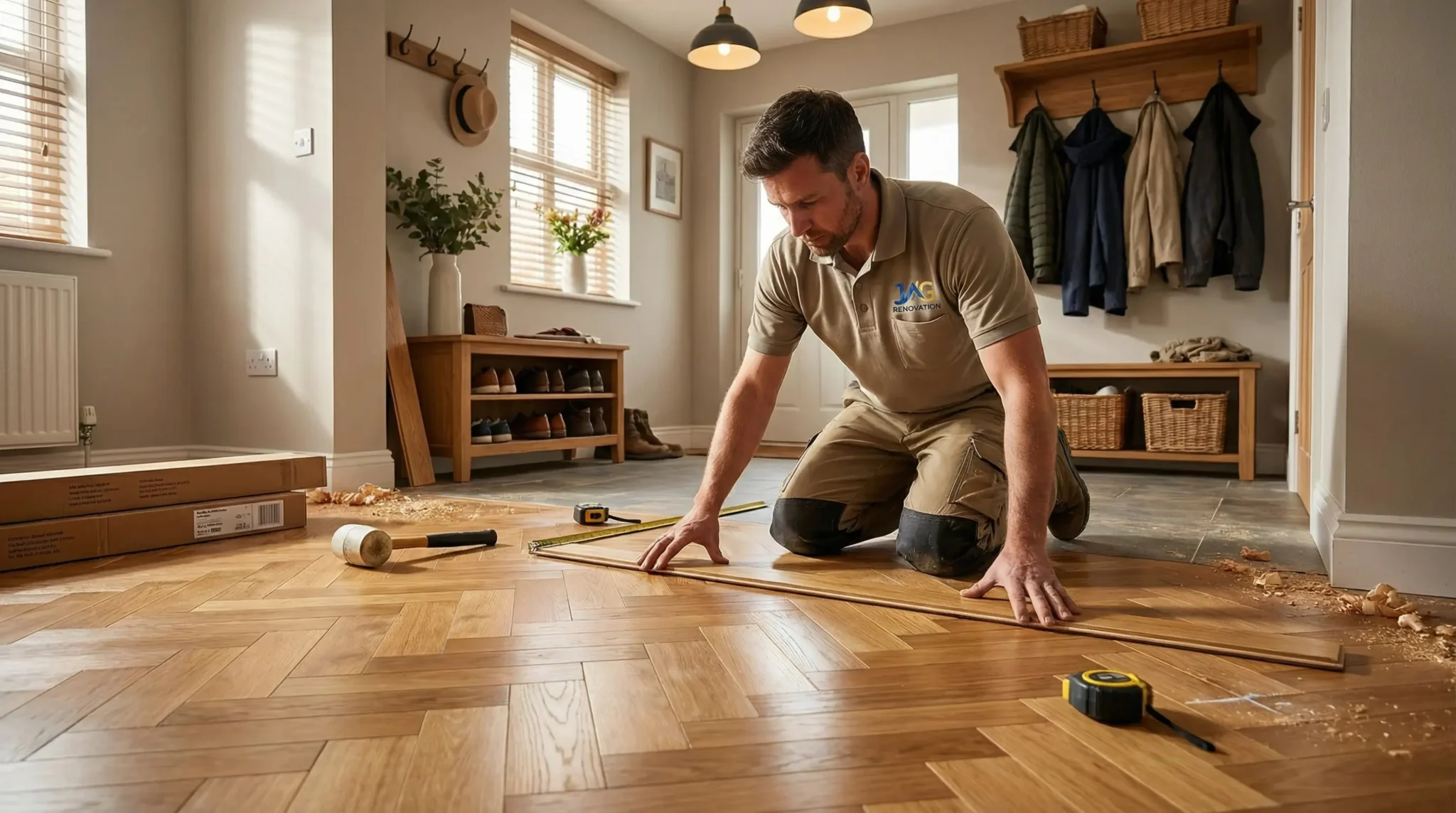
You’re not just replacing what’s underfoot. You’re fixing the scratches your dog left. The water damage from last winter. The outdated look that’s been bothering you for three years.
The right flooring changes how your home feels when you walk through it. It handles spills without staining. It stands up to foot traffic without showing wear in six months. And it doesn’t require you to tiptoe around or constantly worry about the next scratch.
When the job’s done right, your floors become one less thing to think about. They look good. They hold up. And you’re not calling someone back in a year because the installation was rushed or the materials were cheap. That’s what professional flooring installation should give you—and that’s exactly what you’ll get.
We’ve been installing floors in Riverhead and throughout Suffolk County for almost ten years. We’ve seen what works in homes here and what doesn’t—especially when you factor in humidity, occasional flooding, and the wear that comes with real family life.
We’re not the cheapest option, and we won’t pretend to be. What we are is honest about pricing, clear about timelines, and committed to doing the work right the first time. No hidden fees. No pressure tactics. Just straightforward communication and skilled craftsmanship.
You’ll work with the same team from start to finish. We show up when we say we will, keep the work area clean, and treat your home the way we’d want ours treated.

First, we come to your home and walk through what you’re dealing with. We measure the space, look at the subfloor condition, and talk through your options—hardwood, tile, vinyl, laminate, whatever makes sense for your budget and how you actually use the room.
You’ll get a clear estimate that breaks down materials and labor. No surprises later. If we find something during prep work that needs addressing, we’ll tell you before moving forward.
Once you’re ready, we schedule the work and stick to that timeline. We remove your old flooring, prep the surface properly, and install your new floors using the right techniques for the material. That means letting adhesives cure fully, ensuring proper spacing for expansion, and checking that everything’s level before we call it done.
After installation, we clean up completely and walk you through basic care so your new floors last as long as they should. You’re not left guessing what to do next.

Ready to get started?
Hardwood gives you that classic look and can be refinished down the road, but it doesn’t love moisture. If your kitchen sees a lot of spills or you’re in a flood-prone area of Riverhead, you’ll want to think twice or choose engineered wood instead.
Tile flooring works well in bathrooms, kitchens, and entryways. It handles water without issue and comes in more styles than you’d expect. Ceramic tile is budget-friendly. Porcelain is denser and holds up better to heavy use. Both need proper installation—poor grout work or uneven setting leads to cracks.
Vinyl flooring has come a long way. Luxury vinyl plank looks like real wood but stands up to water and scratches better. It’s comfortable underfoot and works in basements where moisture is a concern. Installation is faster than tile, and the cost is reasonable.
Laminate flooring sits between vinyl and hardwood in price. It looks good and resists scratches, but it doesn’t handle water as well as vinyl. If you’re replacing flooring in a living room or bedroom where moisture isn’t an issue, it’s a solid choice.

Most residential flooring projects in Riverhead take between two and five days, depending on the size of the space and the material you choose. A single bedroom with vinyl plank might be done in a day. A full first-floor tile installation could take a week.
The timeline also depends on what we’re starting with. If we’re pulling up old carpet and the subfloor underneath is in good shape, we move faster. If there’s water damage or the floor isn’t level, we’ll need extra time to fix that first—and we’ll tell you upfront if that’s the case.
We don’t rush installations to hit an arbitrary deadline. Adhesives need time to set. Grout needs to cure. Cutting corners to save a few hours leads to problems six months later, and that’s not how we work.
Vinyl and tile are your best options if moisture is a concern. Vinyl flooring, especially luxury vinyl plank, is completely waterproof and holds up well in basements, bathrooms, and kitchens. It’s comfortable to walk on and doesn’t require special maintenance.
Tile flooring—ceramic or porcelain—also handles water without issue. It’s ideal for entryways where snow and rain get tracked in, and it works well in any room where spills are common. The key is proper installation with quality grout and sealant to prevent water from getting underneath.
Hardwood and laminate don’t do well with standing water or high humidity. If you love the look of wood but have moisture concerns, engineered hardwood or high-quality vinyl that mimics wood grain gives you the aesthetic without the risk. We’ll walk you through what makes sense for your specific space during the consultation.
Cost depends on the material, the size of the space, and the condition of your existing floor. Vinyl flooring installation typically runs lower than hardwood or tile. Laminate sits somewhere in the middle. If we need to repair subfloor damage or remove multiple layers of old flooring, that adds to the total.
We give you a detailed estimate before starting any work. You’ll see exactly what you’re paying for materials and labor—no vague line items or surprise charges later. If something comes up during the job that changes the scope, we discuss it with you before proceeding.
The cheapest bid isn’t always the best value. Poor installation voids warranties, leads to premature wear, and costs more to fix than doing it right the first time. We price our work fairly for the quality and experience we bring, and we’re upfront about what that looks like for your project.
Yes, the room needs to be empty before we start. We can move smaller furniture if needed, but larger pieces like beds, dressers, and couches should be relocated ahead of time. This protects your belongings and gives us the space to work efficiently.
If you’re replacing flooring throughout your home, you don’t need to move everything at once. We can work room by room so you’re not living in total chaos. We’ll coordinate the schedule with you to make it as manageable as possible.
Plan for some disruption during installation. There will be noise, dust (even with our best efforts to contain it), and limited access to the rooms we’re working in. Most homeowners find it easier to stay elsewhere for a day or two during larger projects, but it’s not required. We’ll keep the work area as clean as possible and communicate clearly about when each space will be usable again.
Sometimes, but not always. Installing new flooring over old material can work if the existing floor is in good condition, level, and compatible with what you’re putting down. For example, vinyl plank can sometimes go over old vinyl or laminate if the surface is smooth and stable.
However, installing over damaged, uneven, or moisture-compromised flooring is a mistake. It leads to premature failure, voided warranties, and wasted money. If your current floor has water damage, significant wear, or isn’t level, we’ll need to remove it first.
We assess this during the initial consultation. If we can save you time and money by installing over the existing floor without compromising quality, we’ll tell you. If removal is necessary, we’ll explain why and include that in the estimate. The goal is a finished floor that lasts, not a quick fix that fails in a year.
Maintenance depends on the material, but most flooring is easier to care for than you’d think. Vinyl and laminate need regular sweeping or dry mopping to remove dirt and grit, plus occasional damp mopping with a mild cleaner. Avoid soaking the floor—too much water can seep into seams and cause issues over time.
Tile flooring handles water well, but grout lines need occasional cleaning and resealing to prevent staining and moisture penetration. A good grout sealer applied every couple of years keeps everything looking fresh and protects against mold in humid areas like bathrooms.
Hardwood requires a bit more attention. Sweep or vacuum regularly to prevent scratches from dirt and debris. Clean spills immediately—standing water damages wood. Use a hardwood-specific cleaner and avoid harsh chemicals. Depending on wear, you might refinish hardwood every several years to restore its appearance. We’ll give you specific care instructions based on what we install so you know exactly what your floors need.