
Hear from Our Customers
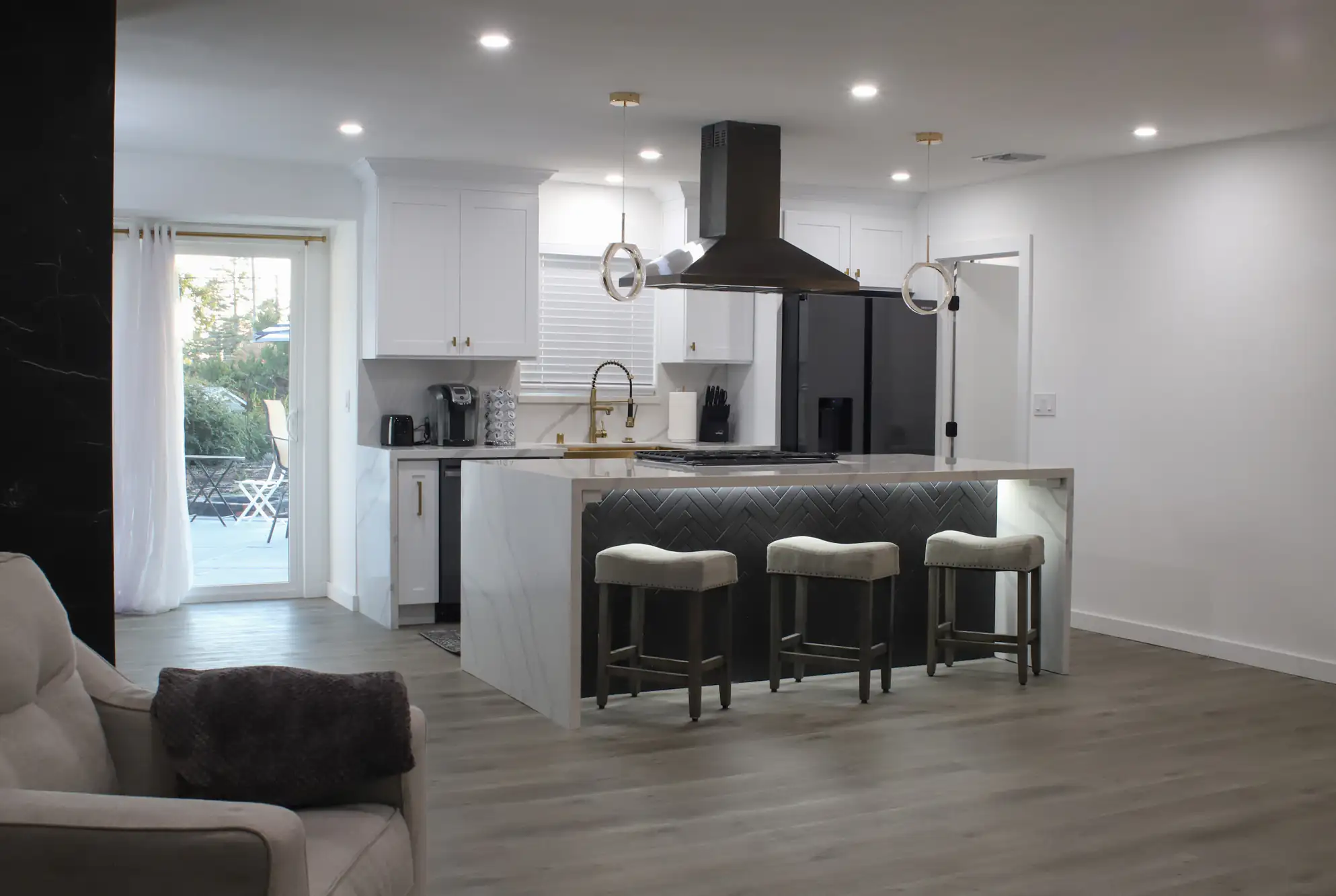
You spend more time in your kitchen than almost anywhere else in your home. Cooking breakfast before work, prepping dinner while helping with homework, hosting friends on weekends. If your layout fights you at every turn or your cabinets are falling apart, that time becomes frustrating instead of functional.
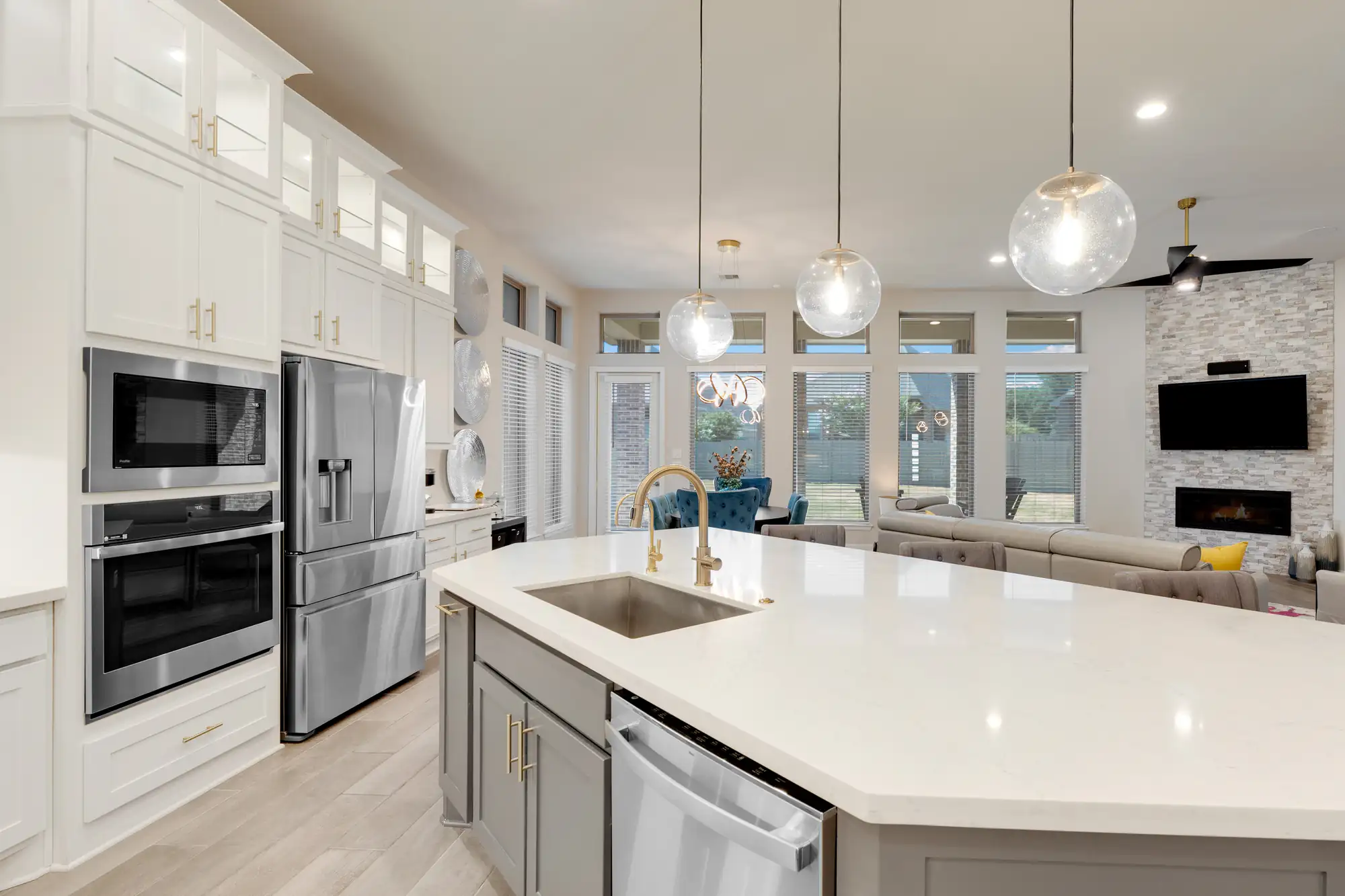
A properly remodeled kitchen changes how your household operates. Countertops that give you actual workspace. Storage that makes sense for how you cook. Appliances positioned where you need them. Lighting that doesn’t leave half the room in shadows.
Sound Beach homeowners are updating kitchens that haven’t been touched since the ’90s or earlier. The goal isn’t always a magazine spread. It’s a space that fits how you live now—whether that’s accommodating multiple cooks, creating a homework station, or finally having a pantry that holds more than three days of groceries.
Most kitchen remodels in Suffolk County return 70-80% of their cost when you sell. But before that, you get years of actually enjoying the space instead of working around its problems.
We’ve been handling kitchen renovations across Suffolk County for nearly ten years. We’re not the biggest operation, and we don’t run radio ads. What we do is show up, communicate clearly, and finish the job right.
You won’t get upsold on things you don’t need. You won’t chase us down for updates. And you won’t open a final invoice that’s wildly different from what we quoted. That’s not a marketing line—it’s how we’ve stayed busy in Sound Beach and the surrounding area without paying for leads or cold-calling neighborhoods.
If you’re comparing kitchen remodel contractors, ask about their process. Ask what happens when something unexpected comes up. Ask how they handle communication during the job. Then decide who you’d rather have in your home for six weeks.
First, we walk through your kitchen and talk about what’s not working. You tell us what you need, what you’d like if budget allows, and what’s driving you crazy. We take measurements and photos, then put together a detailed estimate that breaks down labor, materials, and timeline.
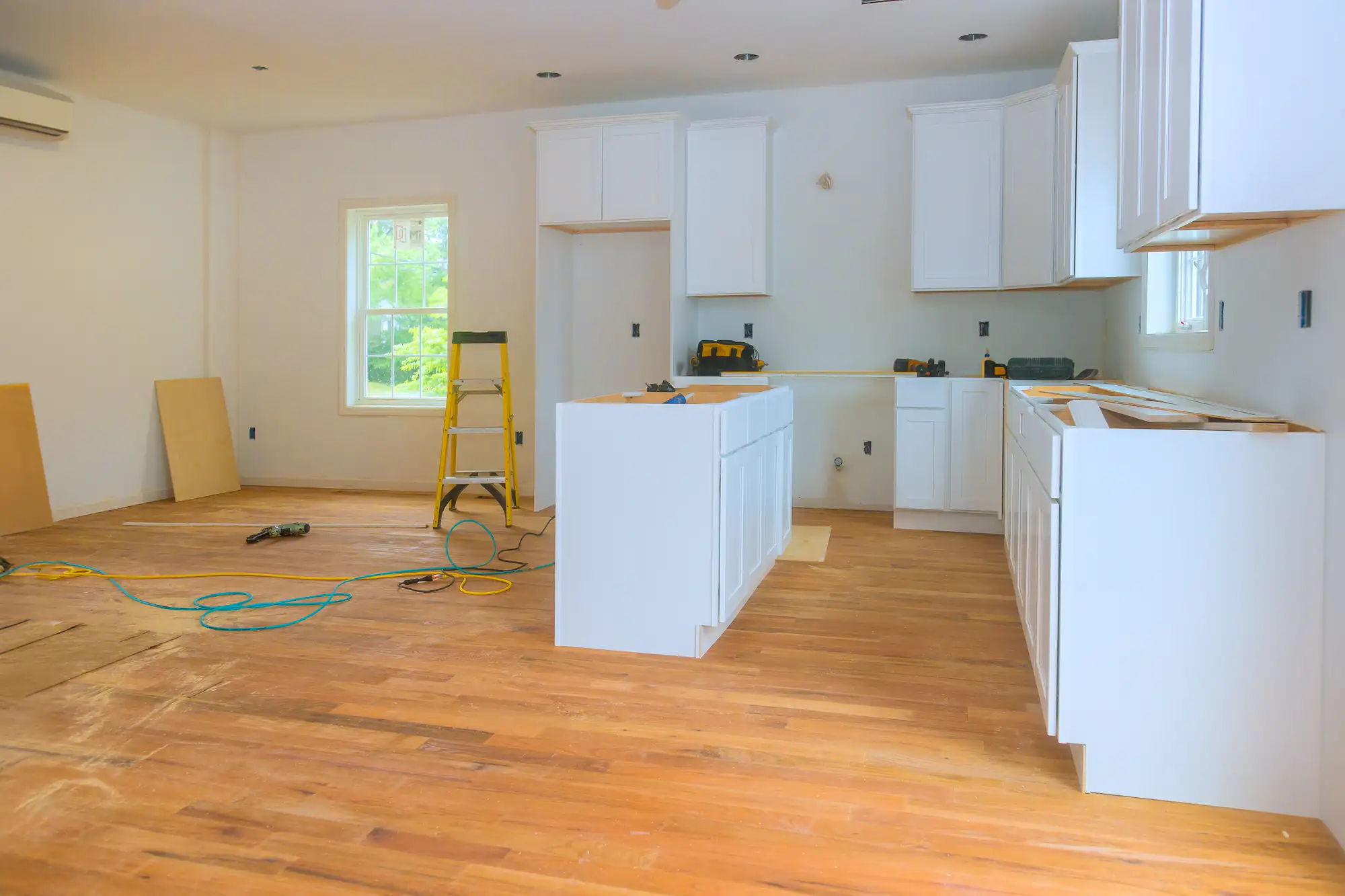
Once you approve the plan, we order materials and schedule the work. Demo comes first—out with the old cabinets, countertops, and anything else that’s being replaced. Then we handle rough work: any plumbing or electrical updates, patching walls, leveling floors if needed.
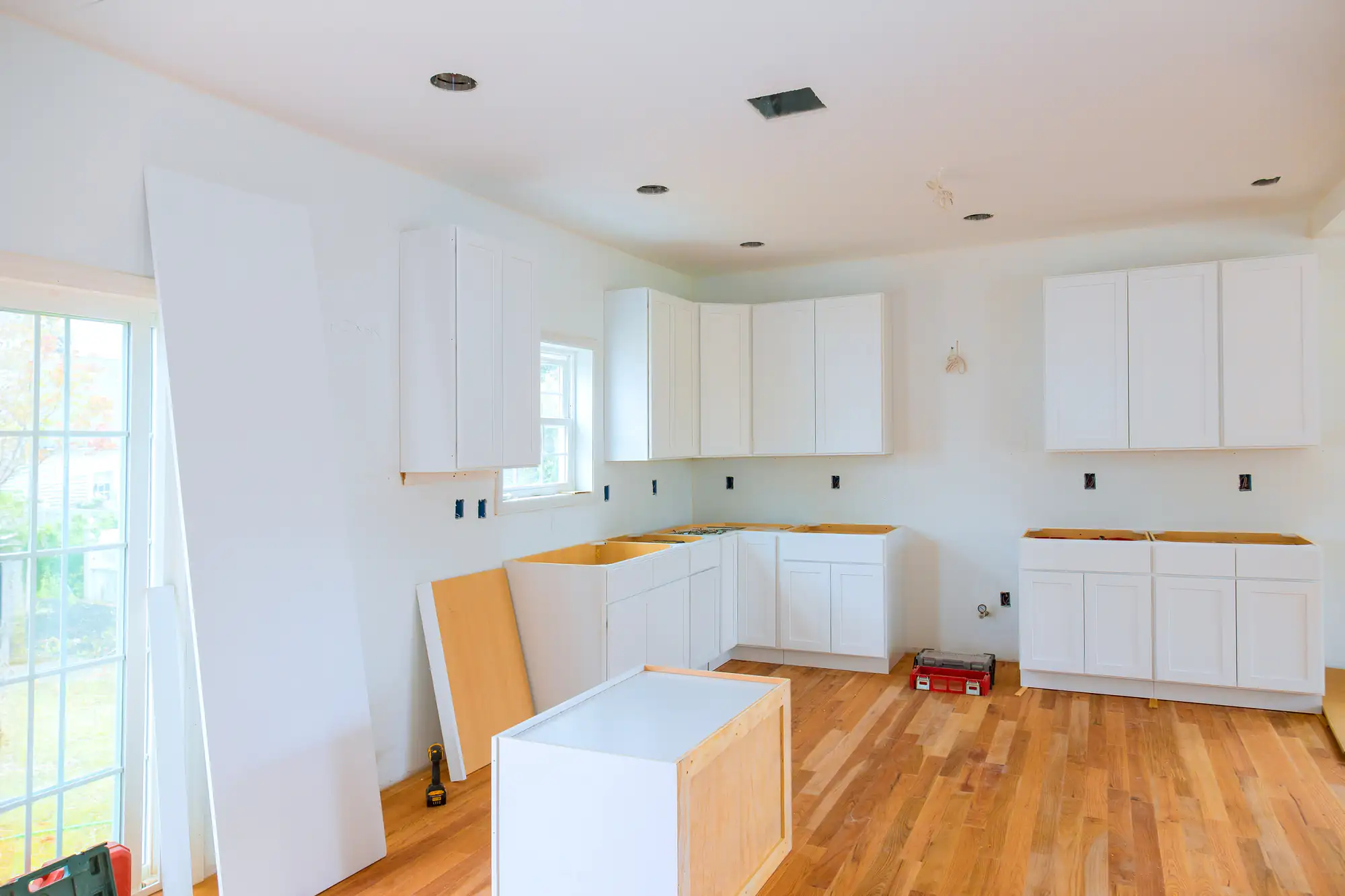
After that, we install your new cabinets, countertops, backsplash, and appliances. We’re coordinating everything—the countertop fabricator, the electrician, the plumber—so you’re not managing five different schedules. Painting, trim work, and final touches come last.
Throughout the project, you’ll know what’s happening and when. If we hit something unexpected—old wiring that needs updating, water damage behind a wall—we’ll explain what it is, why it matters, and what it costs to fix before we do anything. No surprises on the final bill.
Ready to get started?
A complete kitchen renovation covers everything from layout changes to the final coat of paint. That includes custom kitchen cabinet installation, countertop fabrication and installation, backsplash tile work, flooring, lighting upgrades, and appliance installation. If you’re changing the footprint, it also means moving plumbing lines, adding electrical outlets, and possibly relocating walls.
Sound Beach homes—especially older ones near the water—sometimes need extra attention during kitchen remodeling. We’ve opened walls and found outdated wiring, moisture issues, or framing that wasn’t done right the first time. It’s not always pretty, but it’s better to find it now than after your new cabinets are in.
Not every kitchen needs a full gut job. Some homeowners are refinishing cabinets, replacing countertops, and updating hardware to stretch their budget further. Others are doing complete overhauls with new layouts and high-end finishes. We handle both, and we’ll tell you honestly what makes sense for your space and goals.
Suffolk County homeowners are paying anywhere from $12,000 to $60,000 for kitchen remodels depending on size and finishes. If someone quotes you half the going rate, ask why. If someone won’t give you a written estimate with a clear scope of work, walk away.
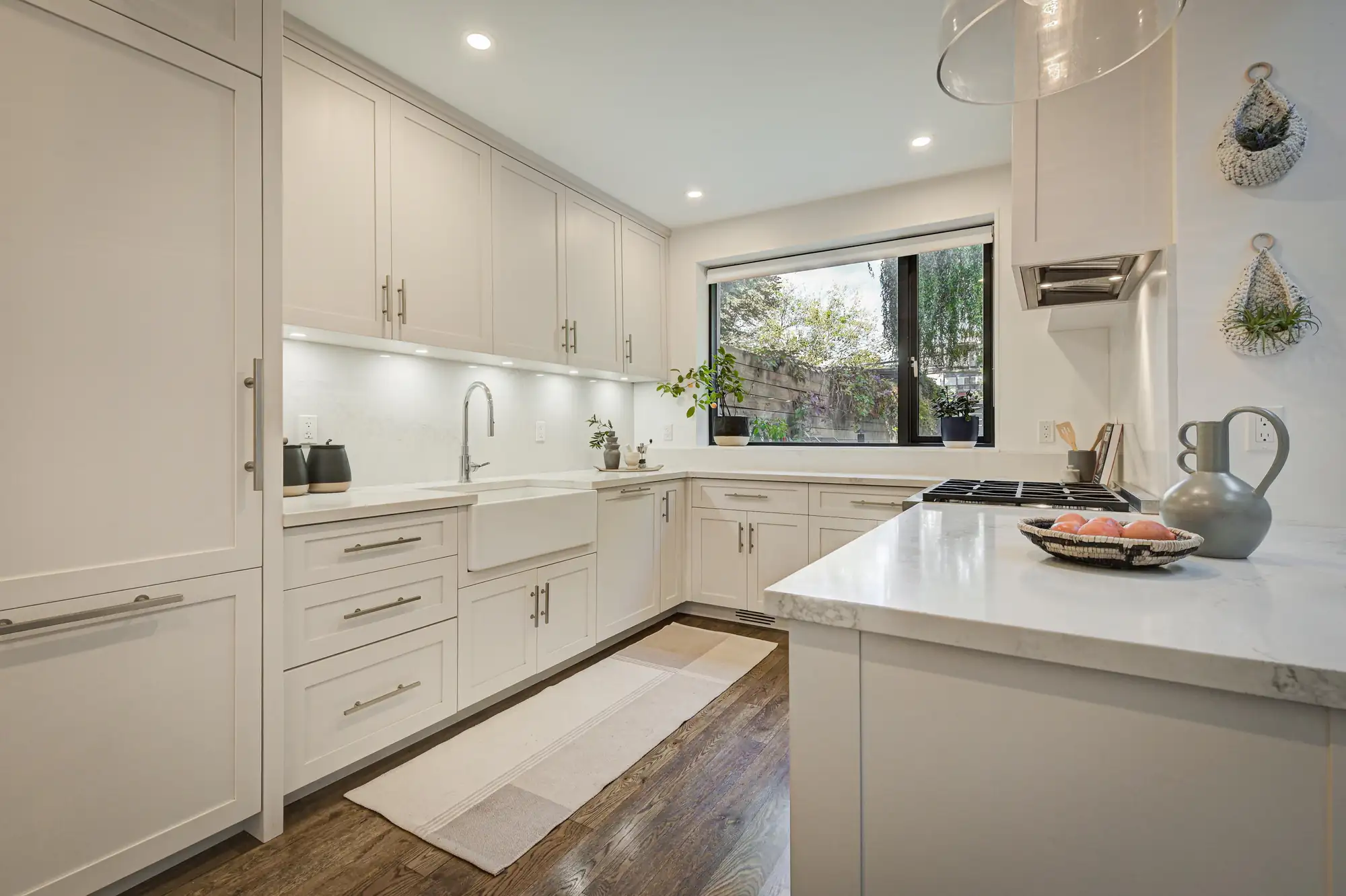
Most full kitchen remodels take four to eight weeks from demo to completion. That timeline depends on the scope—if you’re just swapping cabinets and countertops, you’re on the shorter end. If you’re moving walls, relocating plumbing, or waiting on custom cabinetry, expect closer to eight weeks or more.
Delays happen when materials arrive damaged, when we uncover issues behind walls, or when inspections take longer than expected. We build some buffer into the schedule, but it’s not always predictable. What we can control is staying on top of the work and keeping you updated when things shift.
If you’re living in the house during the remodel, plan for at least a week or two without a functioning kitchen. That means no sink, no stove, and limited access to the space. Some people set up a temporary kitchen in another room. Others eat out more than usual. Either way, it’s inconvenient, but it’s temporary.
Start with the things that affect function, not just appearance. If your cabinets are falling apart or your countertops are cracked, those come first. If your layout makes cooking difficult—like a stove too far from the sink or zero counter space near the fridge—fixing that will make a bigger difference than fancy tile.
Cabinet refacing or refinishing costs a fraction of full replacement and can completely change how your kitchen looks. New hardware, a fresh coat of paint, and updated lighting also go a long way without blowing the budget. You can always upgrade countertops or appliances later.
One thing not to cheap out on: the work behind the walls. If your electrical panel is outdated or your plumbing is on its last legs, address it now. Cutting corners there means problems down the road, and fixing them after the remodel is exponentially more expensive. We’ve seen homeowners try to save money by skipping necessary updates, and it always costs them more in the end.
It depends on what you’re doing. If you’re replacing cabinets and countertops without moving plumbing or electrical, you typically don’t need a permit. If you’re relocating a sink, adding new outlets, moving walls, or changing the layout, you’ll need permits from the Town of Brookhaven.
Permits aren’t just red tape—they ensure the work meets code and gets inspected. That matters for safety, and it matters when you sell your home. Buyers and their inspectors will ask about permits for major renovations. If the work wasn’t permitted, it can kill a sale or force you to rip things out and redo them properly.
We handle the permit process as part of the job. That includes pulling permits, scheduling inspections, and making sure everything passes. Some contractors skip permits to save time or avoid scrutiny. That’s a gamble you don’t want to take, especially on a project as expensive as a kitchen remodel.
Suffolk County homeowners typically spend between $12,000 and $60,000 on kitchen remodels, depending on the size of the space and the level of finishes. A basic refresh with new cabinets, countertops, and appliances might land around $20,000 to $30,000. A high-end remodel with custom cabinetry, stone countertops, and layout changes can easily hit $50,000 or more.
The biggest cost drivers are cabinets and countertops. Stock cabinets are the most affordable, semi-custom cabinets offer more flexibility, and fully custom cabinets cost the most but fit your space exactly. Countertops range from affordable laminate to mid-range quartz to high-end granite or marble. Appliances add another $3,000 to $10,000 depending on whether you’re going builder-grade or premium.
Labor is the other major expense, and it varies based on who you hire. A general contractor managing the whole project will cost more than hiring individual tradespeople yourself, but you’re paying for coordination and accountability. Get at least three written estimates that break down materials and labor separately. If one bid is drastically lower, there’s usually a reason—and it’s rarely a good one.
Yes, but it’s disruptive. You’ll be without a functioning kitchen for at least part of the project—sometimes a week, sometimes longer depending on the scope. That means no sink, no stove, and limited access to the space while we’re working.
Some homeowners set up a temporary kitchen in another room with a microwave, toaster oven, and coffee maker. Others rely on takeout and paper plates for a few weeks. If you have young kids or a strict routine, it’s harder. If you’re flexible and can roll with the inconvenience, it’s manageable.
The other consideration is noise and dust. We contain the work area as much as possible, but demo and construction are loud and messy. If you’re working from home or have anyone sensitive to noise or dust, plan accordingly. Some people choose to stay with family or rent a place short-term during the heaviest part of the work. It’s not required, but it’s worth thinking through before the project starts.
Homeowners are moving away from full gut jobs and focusing on targeted updates that improve function without tearing everything out. Cabinet refacing is popular—it’s faster and cheaper than replacement, and it can completely transform the look of your kitchen. People are also adding hidden pantries for extra storage and upgrading to energy-efficient appliances that lower utility bills.
Smart kitchen technology is becoming standard, not a luxury. Touchless faucets, Wi-Fi-enabled ovens, and refrigerators that track inventory are showing up in more remodels. These aren’t gimmicks—they genuinely make cooking and cleaning easier, especially in busy households.
On the design side, homeowners are choosing sustainable materials like reclaimed wood, recycled glass countertops, and low-VOC paints. It’s partly about being environmentally responsible and partly about avoiding harsh chemicals in a space where you spend so much time. Neutral color palettes are still dominant, but we’re seeing more people add personality with bold backsplashes or statement lighting instead of playing it safe with all-white everything.