
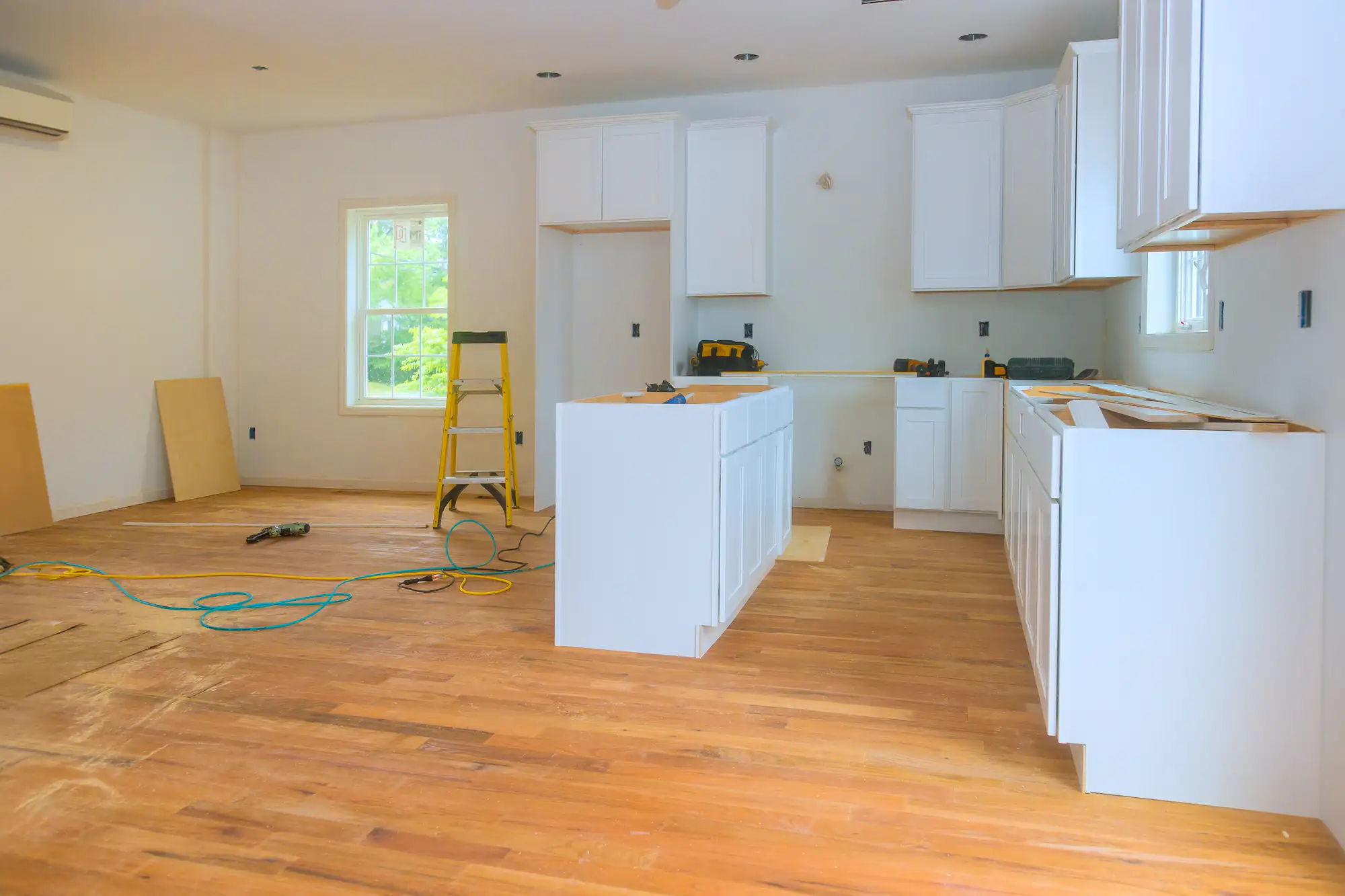
Hear from Our Customers
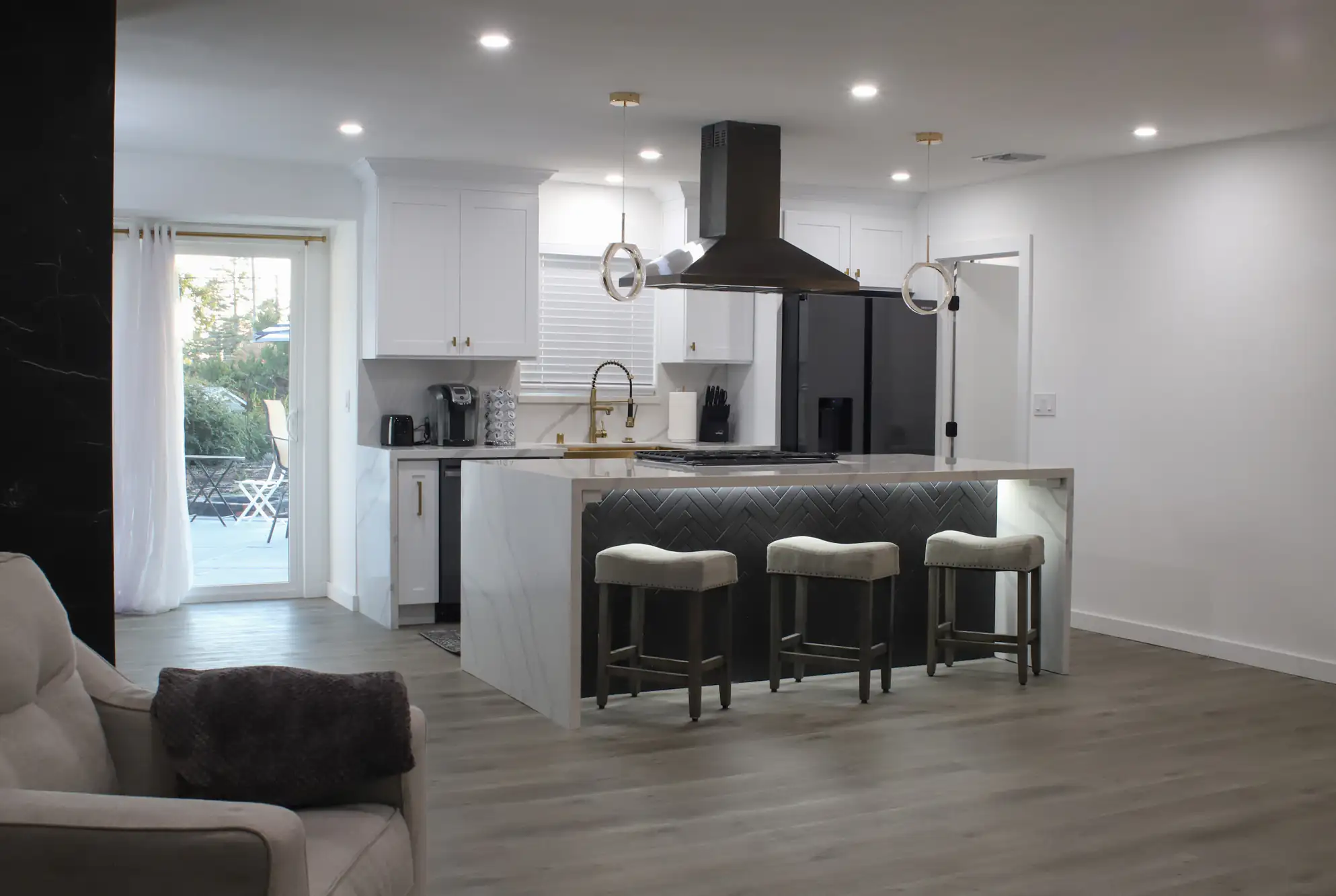
You’re not just getting new cabinets or countertops. You’re getting a kitchen that works the way you actually live—whether that means more storage for a growing family, better flow for entertaining guests, or smart features that make daily routines easier.
Most Southampton homeowners we work with are dealing with kitchens that looked great twenty years ago but don’t function for how they use their homes today. Outdated layouts. Cabinets that waste space. Appliances that cost more to run than they should.
A proper kitchen remodel fixes the stuff you see and the stuff you don’t. Better lighting that doesn’t leave corners dark. Countertops sized for actual meal prep, not just looks. Cabinets built to handle daily use without falling apart in five years. And if aging-in-place matters to you or someone in your household, we build that in from the start—not as an afterthought.
We’ve spent nearly a decade working on kitchens across Southampton and Suffolk County. We know the local building codes, the permit process, and what actually holds up in coastal homes where humidity and salt air test every material choice.
We’re licensed, insured, and we don’t operate like most kitchen remodel contractors. No high-pressure sales tactics. No inflated quotes with costs buried in fine print. You get clear pricing upfront, realistic timelines, and communication that doesn’t disappear once the deposit clears.
Southampton homeowners have high standards—and expensive homes to protect. We get that. Our work reflects it, and our reputation depends on it.
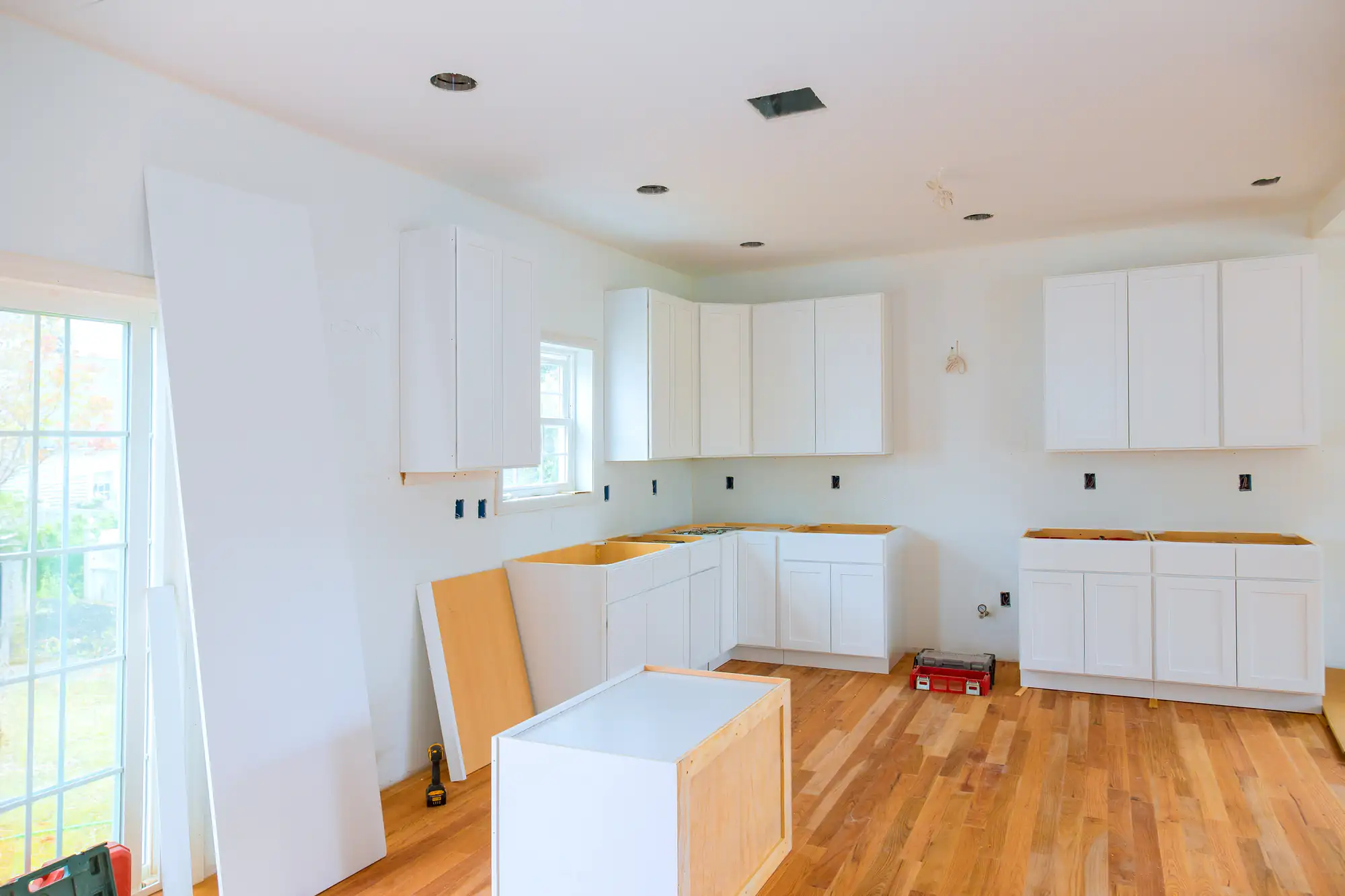
First, we come to your home and talk through what’s not working in your current kitchen. Not what we think you need—what you actually need. We measure, take notes, and ask questions about how you use the space.
Then we put together a detailed estimate. No vague line items or “allowances” that balloon later. You’ll know what you’re paying for cabinets, countertops, labor, permits—all of it. If something changes during the project, we talk about it before moving forward.
Once we start work, expect the project to take between six and twelve weeks depending on scope. We manage dust and mess better than most contractors—68% of homeowners in surveys say dust management was their biggest complaint, so we take it seriously. You’ll have a clear timeline and regular updates, not radio silence for days at a time.
We handle everything from demolition to custom carpentry, cabinet installation, countertops, flooring, and finishing work. One team. One point of contact. Less coordination headache for you.
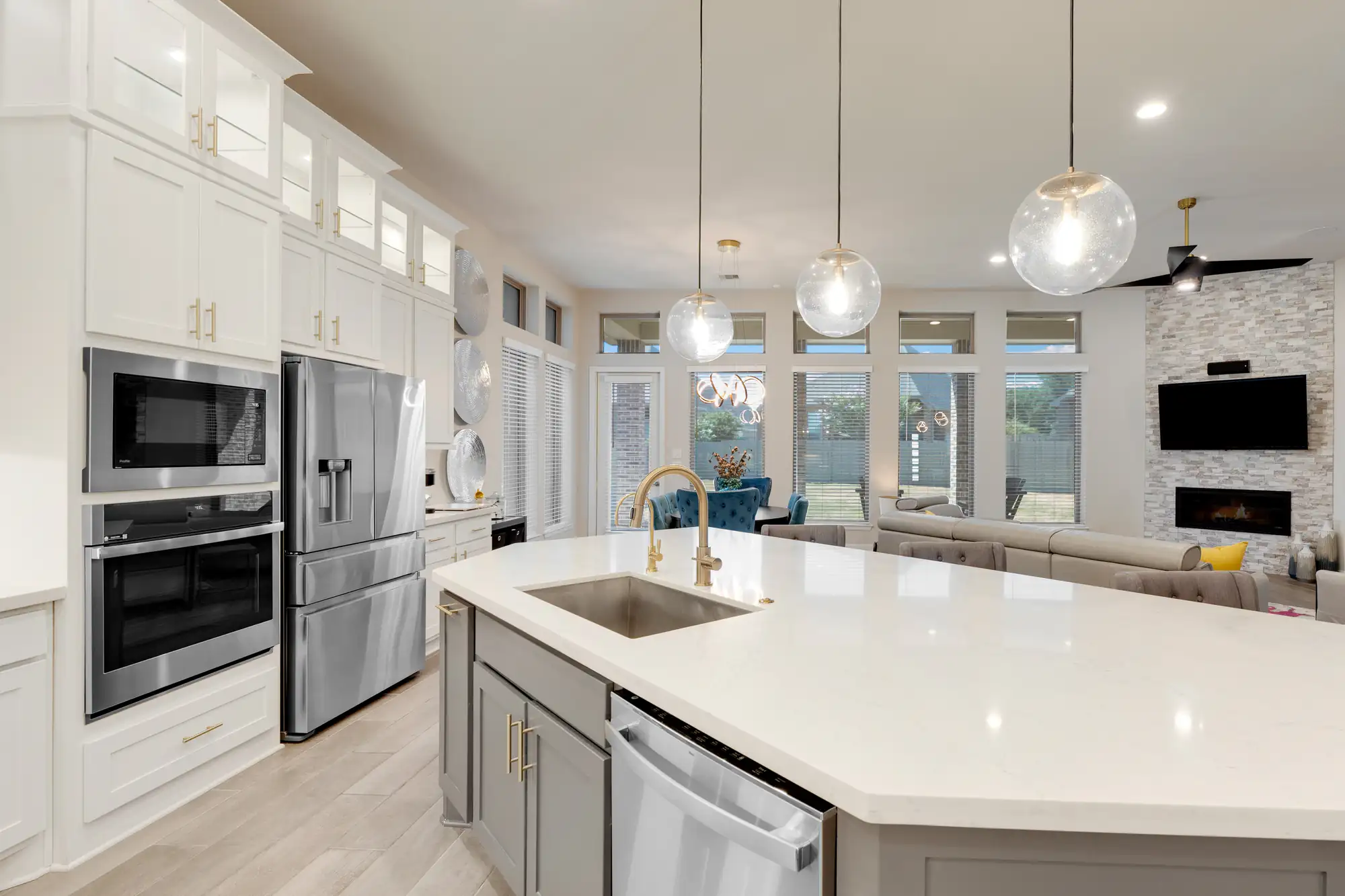
Ready to get started?
Every kitchen renovation we do in Southampton includes custom design work that fits your space and your lifestyle. That means cabinets built for your storage needs, not generic box sizes. Countertop materials chosen for how you actually use your kitchen—not just what’s trendy. And layout changes that improve flow without requiring you to move plumbing or electrical unless it genuinely makes sense.
We install energy-efficient appliances if that’s part of your plan. They cost less to run and add real value when it’s time to sell—especially in Southampton’s market where buyers expect quality. We also integrate smart technology when it fits: WiFi-enabled appliances, better task lighting, outlets where you actually need them.
Wood cabinets have overtaken white as the top choice lately, and neutral palettes dominate Southampton kitchens for good reason—they age well and appeal to future buyers. But we’re not here to push trends. We’re here to build what works for you, whether that’s modern minimalist or classic coastal.
If accessibility matters—grab bars, lower countertops, wider walkways—we design that in from the beginning. Retrofitting later costs more and rarely looks as clean.
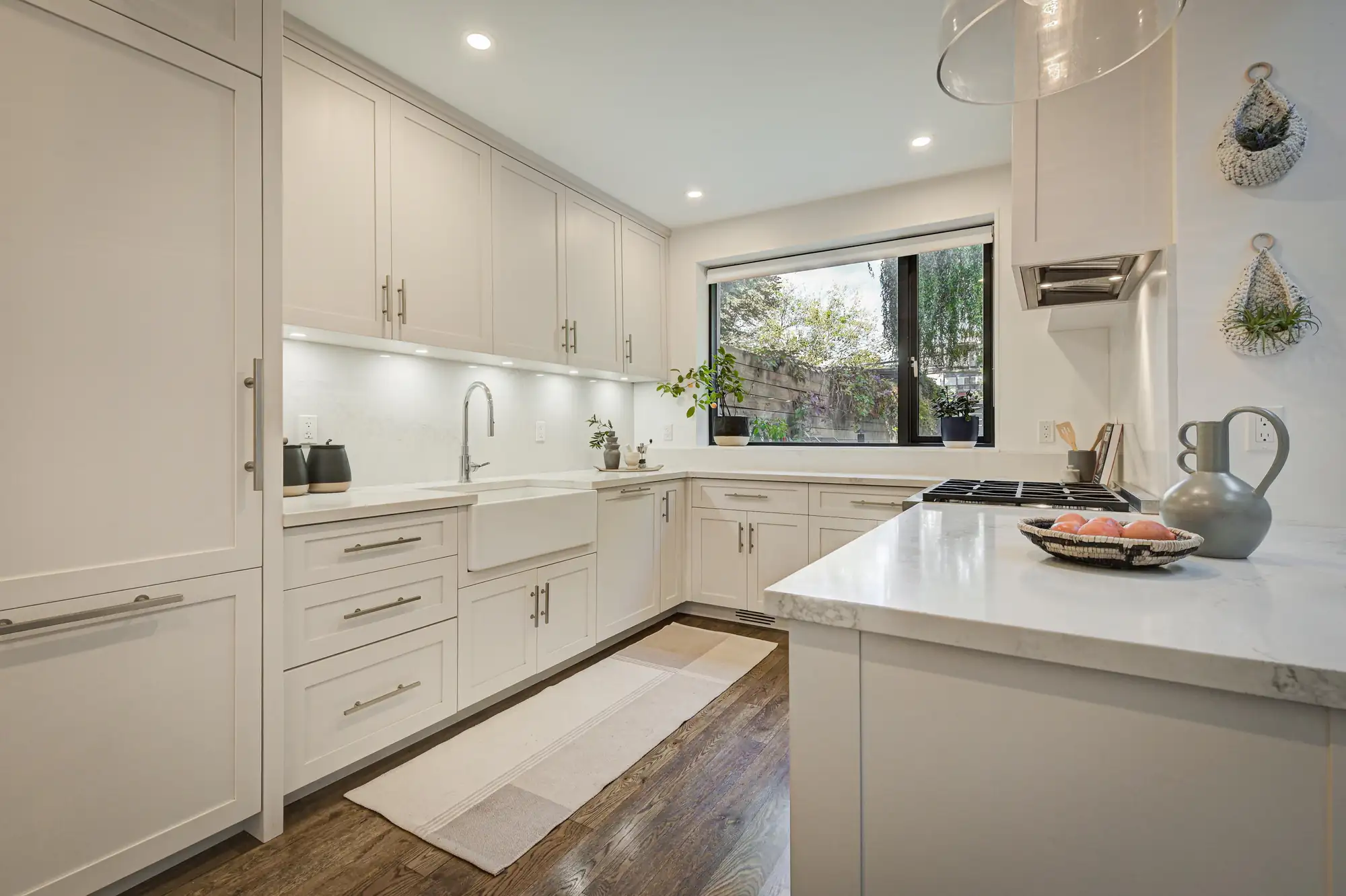
Most kitchen remodels in Southampton run between $30,000 and $80,000 depending on size, materials, and how much structural work is involved. A minor remodel with midrange finishes typically adds about $32,000 to your home’s resale value and returns around 113% ROI based on current market data.
Here’s what drives cost: custom cabinetry, countertop material (quartz and granite are most common here), appliance quality, and whether you’re changing the layout. Moving plumbing or electrical adds expense but sometimes makes sense for better flow.
We give you transparent pricing upfront—no “ballpark estimates” that double once work starts. You’ll know what cabinets cost, what labor costs, what permits cost. If you want to adjust scope to hit a budget, we can talk through options that make sense without compromising quality where it matters.
Plan on six to twelve weeks for most kitchen remodeling projects in Southampton. Smaller updates might finish faster. Larger renovations with custom elements or layout changes can push toward the longer end.
Timeline depends on a few things: permit approval (Southampton has specific requirements), material lead times (custom cabinets take longer than stock), and how much structural work is involved. We give you a realistic schedule before starting and update you if anything shifts.
Living through construction isn’t fun, but it’s manageable with the right contractor. We contain dust, keep work areas as clean as possible, and don’t disappear for days between phases. Most homeowners set up a temporary kitchen in another room—coffee maker, microwave, mini fridge. It’s not ideal, but it’s temporary.
Yes, most kitchen renovations in Southampton require permits, especially if you’re moving plumbing, electrical, or gas lines. Even some cabinet and countertop work may need approval depending on scope.
We handle the permit process as part of our service. Southampton’s building department has specific requirements, and we’ve worked with them long enough to know what they’re looking for. Trying to skip permits might seem like a shortcut, but it creates problems when you sell—inspectors catch unpermitted work, and it can kill deals or force expensive corrections.
Permit costs vary based on project scope, but they’re a small percentage of your overall budget. The bigger cost is delays if paperwork isn’t filed correctly. We build permit timelines into your project schedule so there are no surprises.
Quartz and granite are the most popular choices in Southampton for good reason—they hold up well, look high-end, and buyers expect them in this market. Quartz is engineered, non-porous, and requires almost no maintenance. Granite is natural stone, needs occasional sealing, but many homeowners prefer the look.
Marble shows up in some higher-end Southampton kitchens, but it stains and scratches more easily. Beautiful, but high-maintenance. Butcher block adds warmth but requires regular oiling and doesn’t handle water well near sinks.
Your choice should match how you use your kitchen. If you cook daily and want something that takes abuse without babying it, quartz makes sense. If you love the natural variation in stone and don’t mind some upkeep, granite works. We walk through pros and cons based on your actual lifestyle—not just what’s trendy or what we make the most margin on.
Depends on your kitchen’s current condition and Southampton’s buyer expectations. If your kitchen is outdated or dysfunctional, a remodel can return 113% ROI based on recent data—meaning you get back more than you spend. That’s rare in home improvements.
But if your kitchen is already in decent shape, you might not see the same return. Southampton buyers have high standards, but they also have their own design preferences. Sometimes a minor refresh—new cabinet hardware, updated lighting, fresh paint—is smarter than a full remodel you won’t enjoy.
Here’s the real consideration: if you’re planning to sell within a year, a remodel might make sense financially. If you’re staying longer, remodel for yourself. You’ll get years of use from a kitchen that actually works for you, plus the resale value later. We can walk through your specific situation and give you honest input on whether it makes sense to move forward now.
Start with contractors who are licensed, insured, and have verifiable local experience. Southampton has specific building codes and a permit process that trips up contractors who don’t work here regularly. Ask how long they’ve been operating in Suffolk County and whether they handle permits themselves.
Get detailed written estimates—not vague quotes with “allowances” that balloon later. You should know what you’re paying for materials, labor, permits, and any subcontractor work. If a bid seems unusually low, it probably is. Cheap bids often mean corners get cut or costs get added later.
Check references, but go deeper than just calling the numbers they give you. Look for online reviews. Ask about communication during the project—did the contractor respond quickly when issues came up? Did they manage dust and mess well? Did the timeline hold or did weeks turn into months with no explanation? The lowest bid rarely ends up being the best value once you factor in delays, change orders, and quality issues.