
Hear from Our Customers
You’re not looking for the cheapest bid. You’re looking for walls that don’t crack in six months, seams you can’t see, and a contractor who shows up when they say they will.
That’s what separates acceptable drywall work from the kind that holds up. When your sheetrock is installed correctly the first time, you’re not dealing with callbacks, touch-ups, or that sinking feeling when you notice an uneven corner three weeks later.
Good sheetrock work disappears. You don’t think about it because there’s nothing to fix. The paint goes on smooth, the corners are crisp, and your walls feel solid when you knock on them. That’s the standard we hold ourselves to, and it’s what you should expect from any drywall contractor working in your Centerport home.
We’ve been handling residential sheetrock installation across Centerport, Huntington, and surrounding Suffolk County communities for almost ten years. That’s long enough to know which products hold up in our climate and which shortcuts come back to haunt homeowners.
We’re not a crew that bounces between states chasing work. This is our market, these are our neighbors, and our reputation depends on doing the job right. When you call, you’re talking to people who’ve worked in homes just like yours and understand what matters to homeowners in this area.
The difference shows up in how we communicate, how we price our work, and how your walls look when we’re done. No pressure, no hidden fees, no disappearing after the deposit clears.
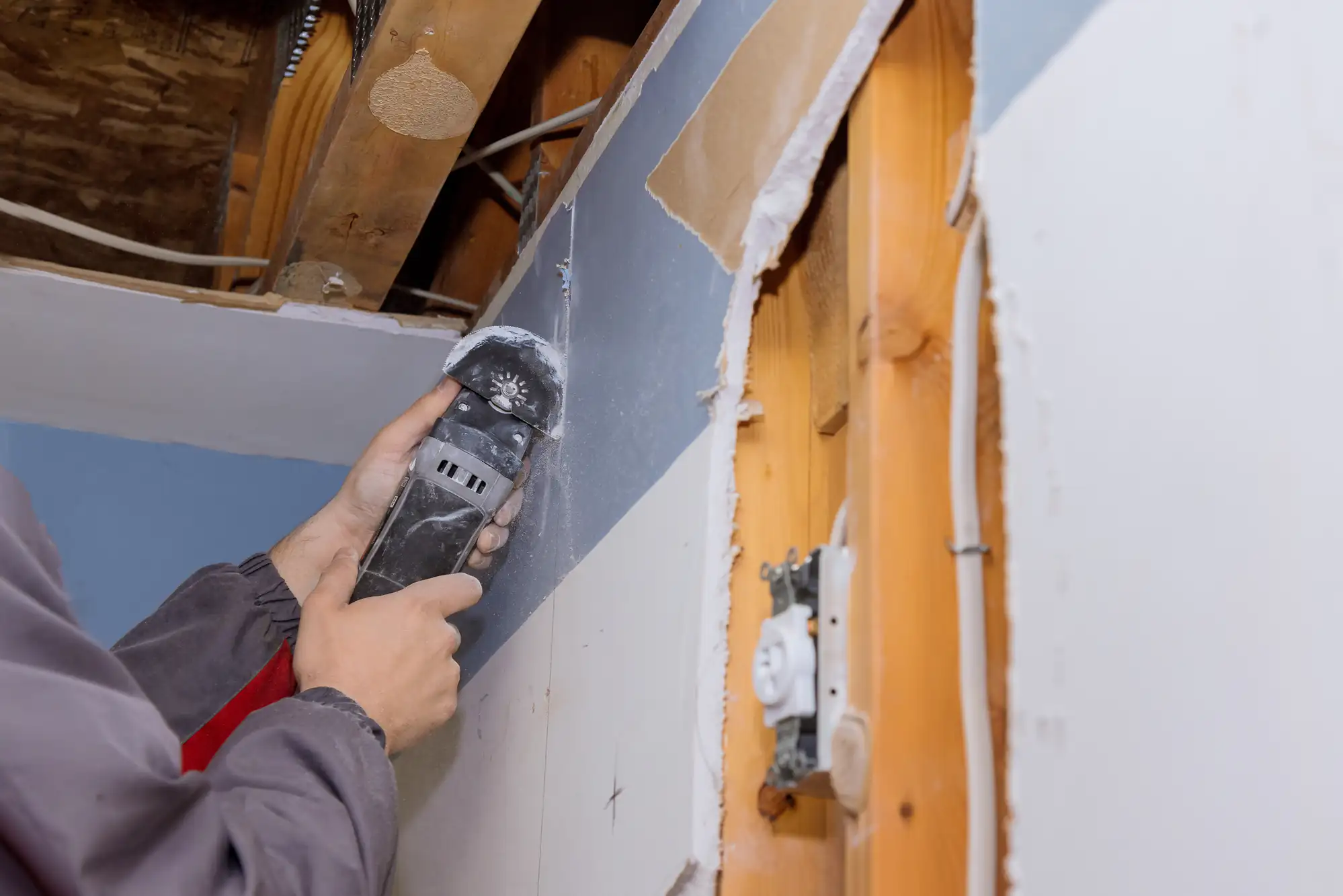
First, we assess what you’re working with. New construction is straightforward, but repairs mean figuring out what caused the damage in the first place. If there’s a moisture issue or structural problem, covering it with new sheetrock just kicks the problem down the road.
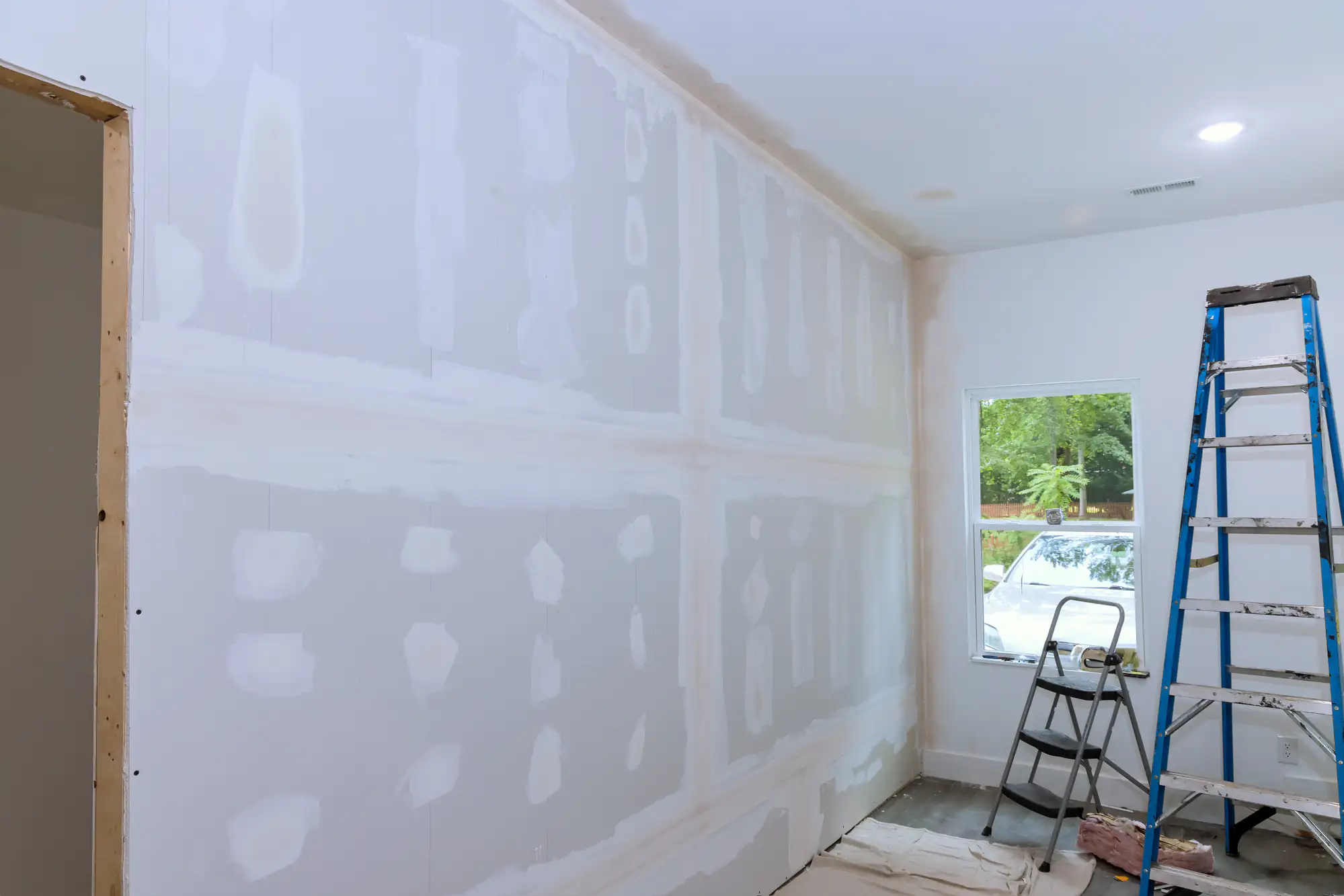
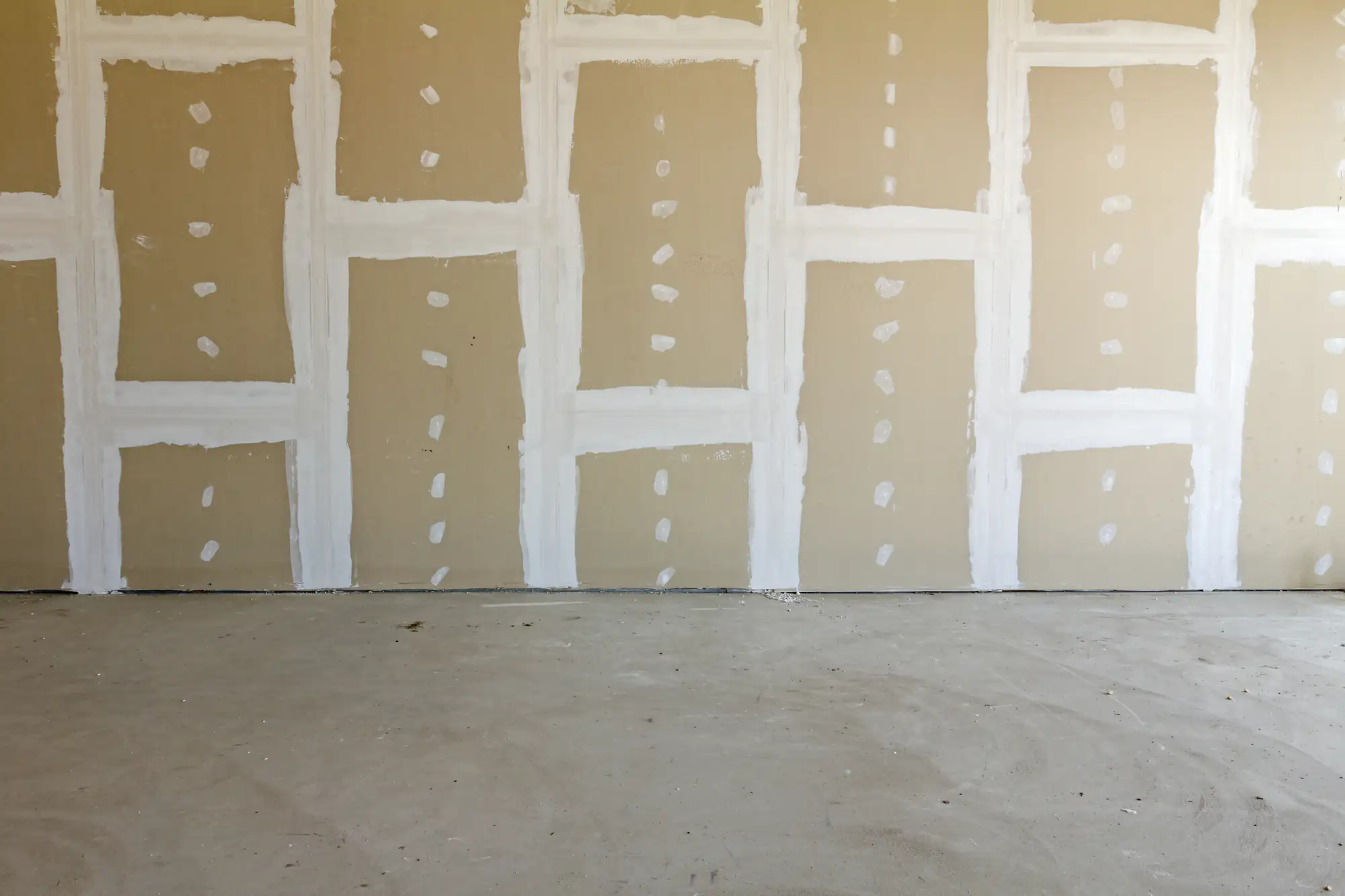
Once the space is prepped, we hang the sheets, tape the seams, and apply drywall taping compound in layers. Each coat needs to dry properly before the next goes on. Rushing this is where most bad drywall jobs go wrong. The compound shrinks as it dries, so trying to finish in one pass leaves you with visible seams and an uneven surface.
After the final coat, we sand everything smooth and clean up the dust. Then it’s ready for primer and paint. The whole process takes longer than most homeowners expect, but that’s because it’s done right. You’re not paying for speed, you’re paying for walls that look and feel solid.
Ready to get started?
Sheetrock installation covers hanging the drywall sheets, taping all seams and corners, applying joint compound, sanding, and final finishing. Repair work means cutting out damaged sections, matching textures, and blending the fix so you can’t tell where the old wall ends and the new one begins.
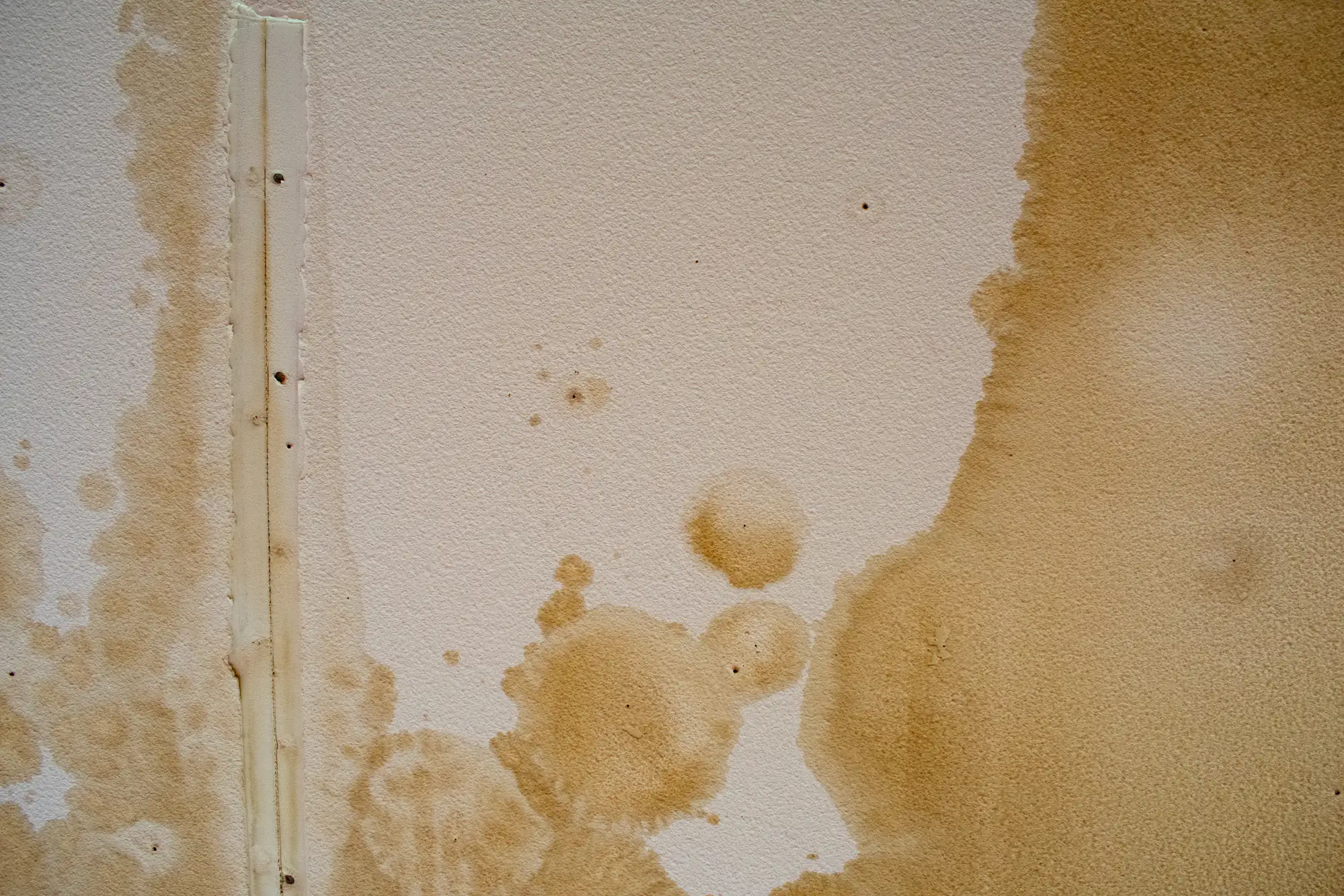
In Centerport and across Suffolk County, we see a lot of water damage from roof leaks, bathroom moisture, and basement humidity. Before any sheetrock goes up, we make sure the source is fixed. Otherwise, you’re just covering up a problem that’ll reappear in a few months.
Texture matching is another common request. If your home has a knockdown or orange peel finish, the repair needs to match the surrounding wall. That takes experience and the right tools. Most homeowners don’t realize how much skill goes into making a repair invisible, but that’s the difference between a patch job and professional drywall repair.
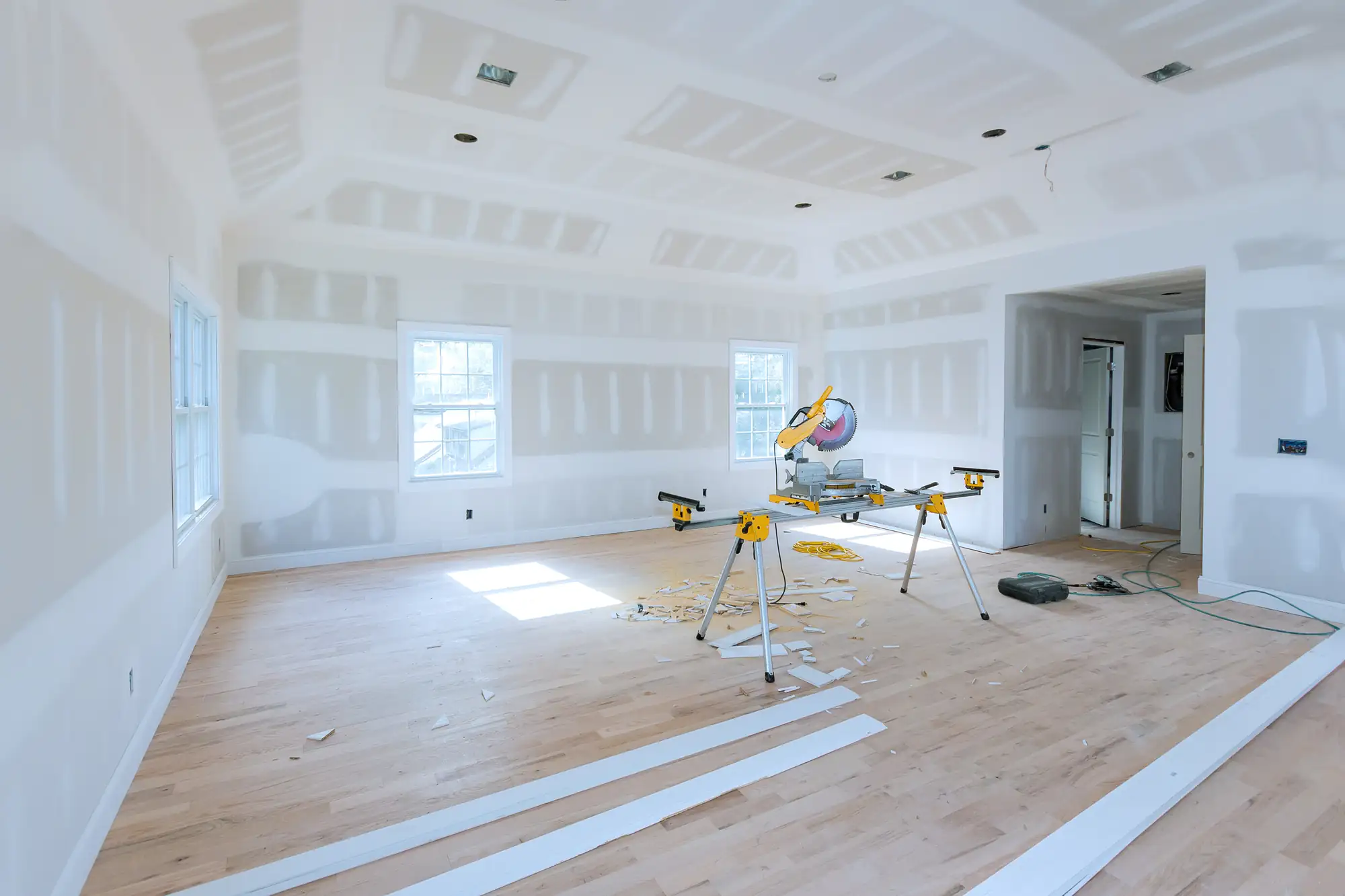
We also handle full room installations for basements, and renovations. If you’re finishing a space, the sheetrock work sets the foundation for everything else. Get this wrong, and your paint, trim, and flooring will never look quite right.
Pricing depends on the scope of work, the condition of the space, and whether you need new installation or repair. A small patch job costs significantly less than hanging and finishing an entire room. Most contractors price by square footage, but that doesn’t tell the whole story.
If there’s water damage, mold remediation, or structural issues, those need to be addressed before any sheetrock goes up. Skipping that step to save money just means you’ll be paying for the same repair twice. We give you a clear estimate upfront that includes prep, materials, labor, and finishing work.
The cheapest bid isn’t always the best value. You’re paying for materials that won’t sag or crack, proper taping technique, and a finish that’s ready for paint. Cutting corners on any of those means you’ll see the difference as soon as the first coat of paint goes on.
A single room installation typically takes two to four days, depending on size and complexity. That includes hanging the sheets, multiple coats of joint compound with drying time between each, sanding, and cleanup. Small repairs can be done in a day or two, but the compound still needs time to dry properly.
Drying time is the part most homeowners underestimate. Each coat of drywall taping compound needs several hours to dry before you can apply the next one. Humid weather or poor ventilation slows that down. Trying to rush the process leaves you with cracking, shrinking, and visible seams.
If you’re finishing a basement or doing a larger renovation, expect a week or more depending on the square footage. We’ll give you a realistic timeline upfront so you can plan around it. The goal is to do it right, not fast.
Nothing. Sheetrock is a brand name that became the common term for drywall, like Kleenex for tissues. Both refer to the gypsum panels used for interior walls and ceilings. Some contractors use the terms interchangeably, and that’s fine.
What matters more is the type of drywall being used. Standard drywall works for most interior walls, but moisture-resistant drywall (green board or purple board) is better for bathrooms, laundry rooms, and basements. Fire-rated drywall is required in some areas like garages and between units in multi-family homes.
Using the wrong type in the wrong place is a common mistake. Regular drywall in a damp basement will eventually sag and grow mold. A good drywall contractor knows which product fits your specific situation and why. That’s part of what you’re paying for.
Yes, but it takes the right tools and experience. If your home has a knockdown, orange peel, or skip trowel finish, the repair needs to blend with the surrounding texture. That’s harder than it sounds, especially if the original texture was applied years ago and has settled or aged.
We keep a range of texture tools and compounds on hand specifically for matching existing finishes. The process involves applying the texture, letting it set to the right stage, then knocking it down or stippling it to match the pattern. Timing is everything. Too soon or too late, and it won’t look right.
Most homeowners don’t notice good texture matching because it’s invisible. Bad texture matching stands out immediately. If you’re repairing a section of wall in a finished home, blending the texture is just as important as the taping and finishing work underneath.
We assess the damage and let you know what needs to happen before any new sheetrock goes up. If there’s active mold or a moisture source that hasn’t been fixed, installing new drywall just covers up the problem temporarily. It’ll come back, and you’ll be paying for the same repair again in six months.
Small areas of surface mold can be treated and sealed. Larger mold issues or structural water damage may require a specialist. We’ll be honest about what’s needed and won’t move forward until the underlying issue is resolved. That protects you and ensures the repair actually lasts.
Water damage is common in Suffolk County homes, especially in basements and around older windows. If your sheetrock is soft, discolored, or crumbling, there’s a moisture problem. Fixing that first is the only way to make sure your investment in new drywall holds up.
Usually because the taping wasn’t done right or the compound didn’t dry between coats. Drywall taping compound shrinks as it dries. If you apply it too thick or don’t let each layer cure, it’ll crack as it settles. That’s the most common cause of failed repairs.
Another issue is movement in the framing. If the studs shift or the house settles, even a perfect taping job can crack. That’s more common in new construction or homes with foundation issues. In those cases, using mesh tape and flexible compound helps, but it won’t solve a structural problem.
Poor surface prep also causes cracking. If the edges of the existing drywall aren’t clean and stable, the new compound won’t bond properly. We take the time to cut back damaged areas, secure loose edges, and create a solid base for the repair. That’s the difference between a patch that lasts and one that fails.