
Hear from Our Customers
You’re not just paying for drywall sheets on your walls. You’re paying for seams that disappear, corners that stay straight, and a finish that doesn’t crack six months later.
When sheetrock installation is done right, your paint goes on smooth. Your rooms look clean. You don’t see tape lines or nail pops when the light hits the wall at an angle.
That’s what matters when you’re living in the space every day. Most homeowners in Deer Park don’t think about their walls until something’s wrong—a crack from settling, water damage in the ceiling, or a renovation that needs new drywall. You just want it fixed correctly so you can move on with your life.
We handle residential sheetrock installation, repairs, and finishing without the runaround. The work gets done in 1-2 weeks for most projects, and you’ll know the real cost upfront. No surprises when the invoice comes.
We’ve been working on interior renovations across Suffolk County since 2015. Deer Park homeowners deal with the same issues we see everywhere on Long Island—older homes that settle, water damage from storms, and renovations that need reliable contractors who actually show up.
Jaguar Renovations built its reputation on doing what we say we’ll do. We’re licensed, insured, and we don’t play games with pricing or timelines. You get a free estimate, a clear scope of work, and communication throughout the project.
Most of our work comes from referrals. That tells you something about how we operate.
First, we come out to look at your space. You tell us what you need—new construction, repairs, a full room, whatever it is. We measure, assess the existing conditions, and talk through what the job actually involves.
Then you get a written estimate. No pressure, no rush. If you decide to move forward, we schedule the work around your life, not ours.
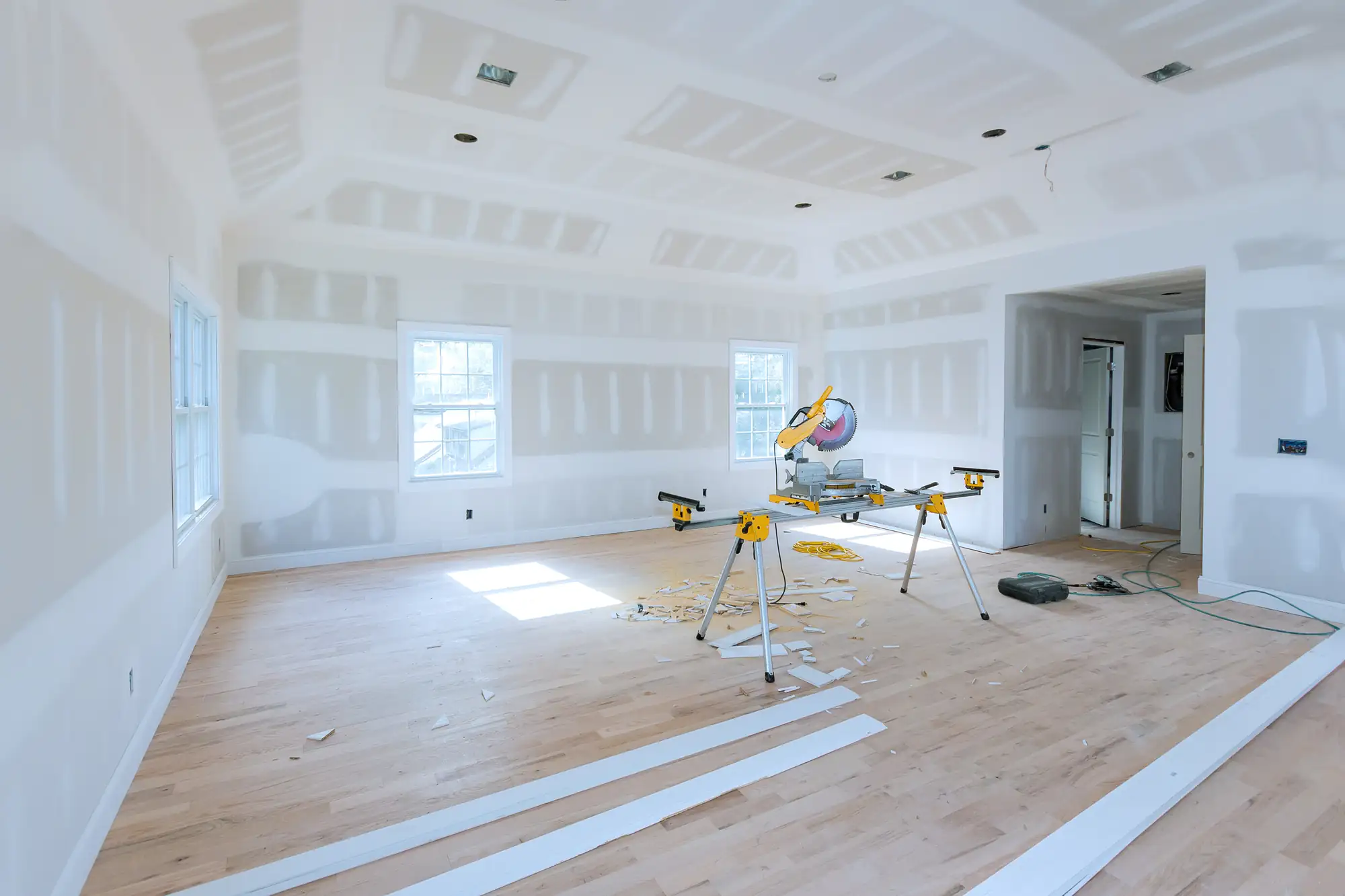
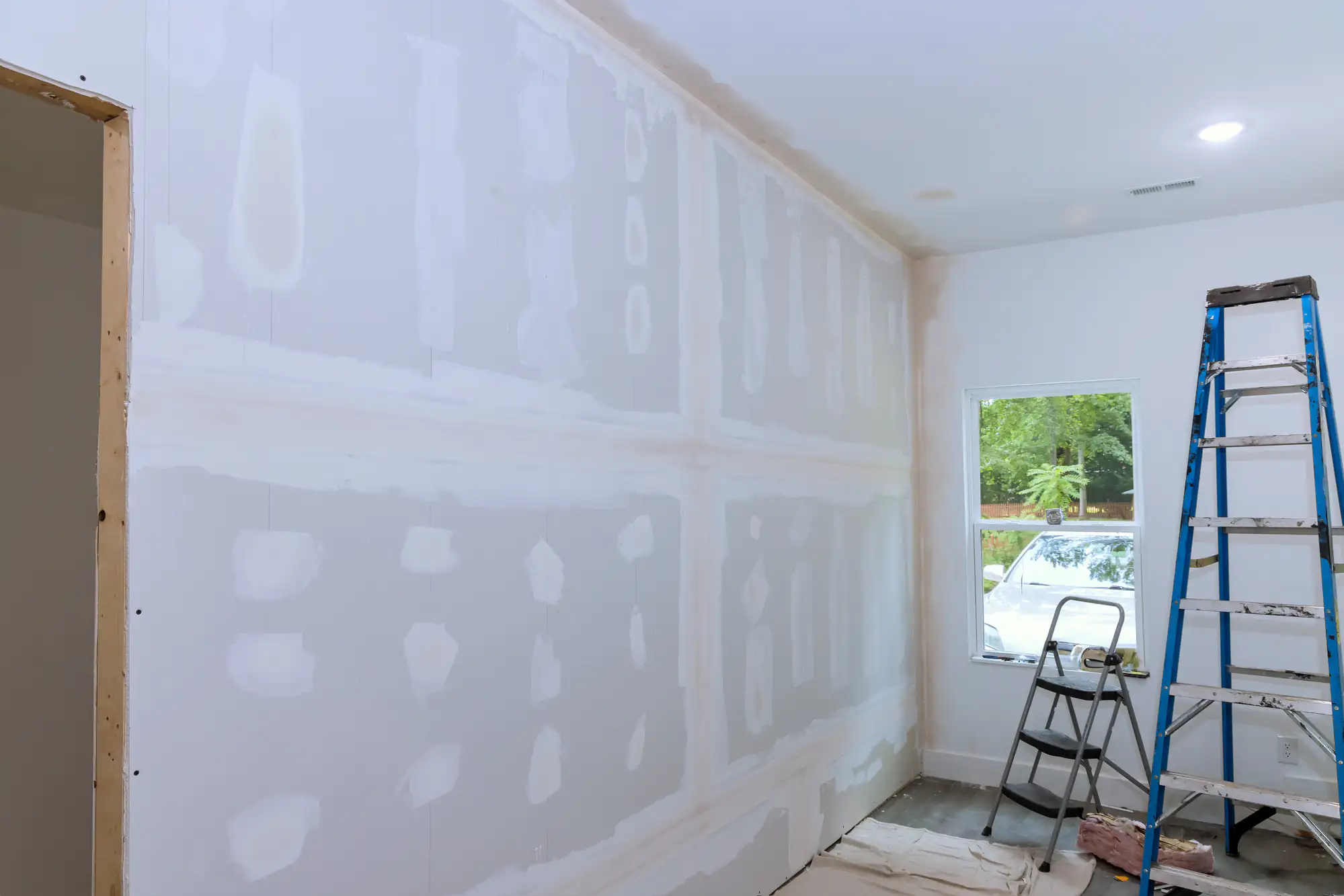
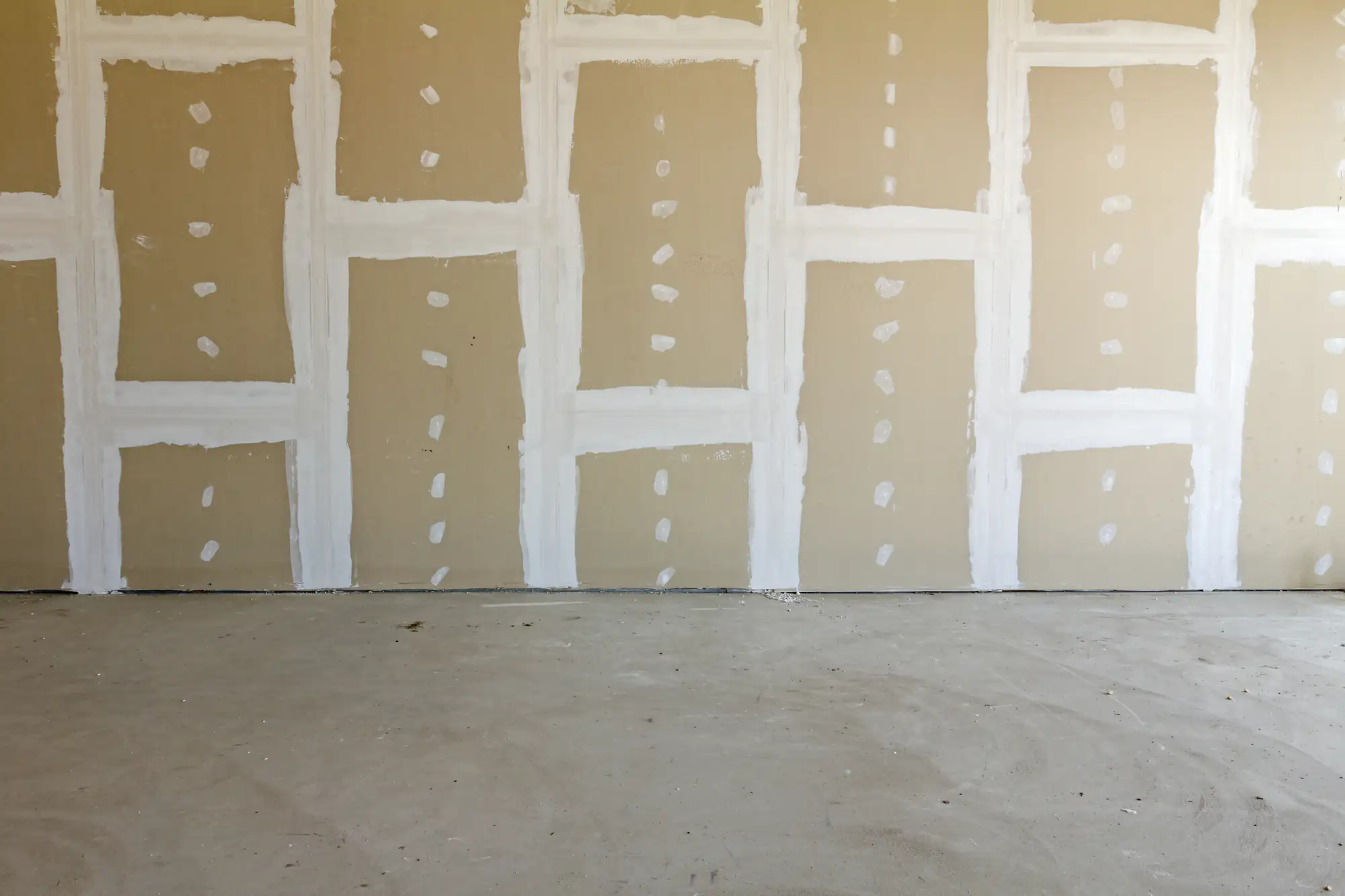
The installation starts with prep. We protect your floors and furniture, then hang the sheetrock sheets. After that comes taping, applying drywall taping compound, and multiple finishing coats. Each layer has to dry before the next goes on—that’s why quality work takes time.
Once the final sanding is done, your walls are ready for paint. The whole process usually takes 1-2 weeks depending on the size of the job. We clean up completely when we’re finished, and you’re left with walls that are ready to live with.
Ready to get started?
We handle everything from small drywall repair jobs to full residential sheetrock installation projects. That includes hanging new sheets, taping and mudding seams, texturing if you want it, and finishing to a smooth, paint-ready surface.
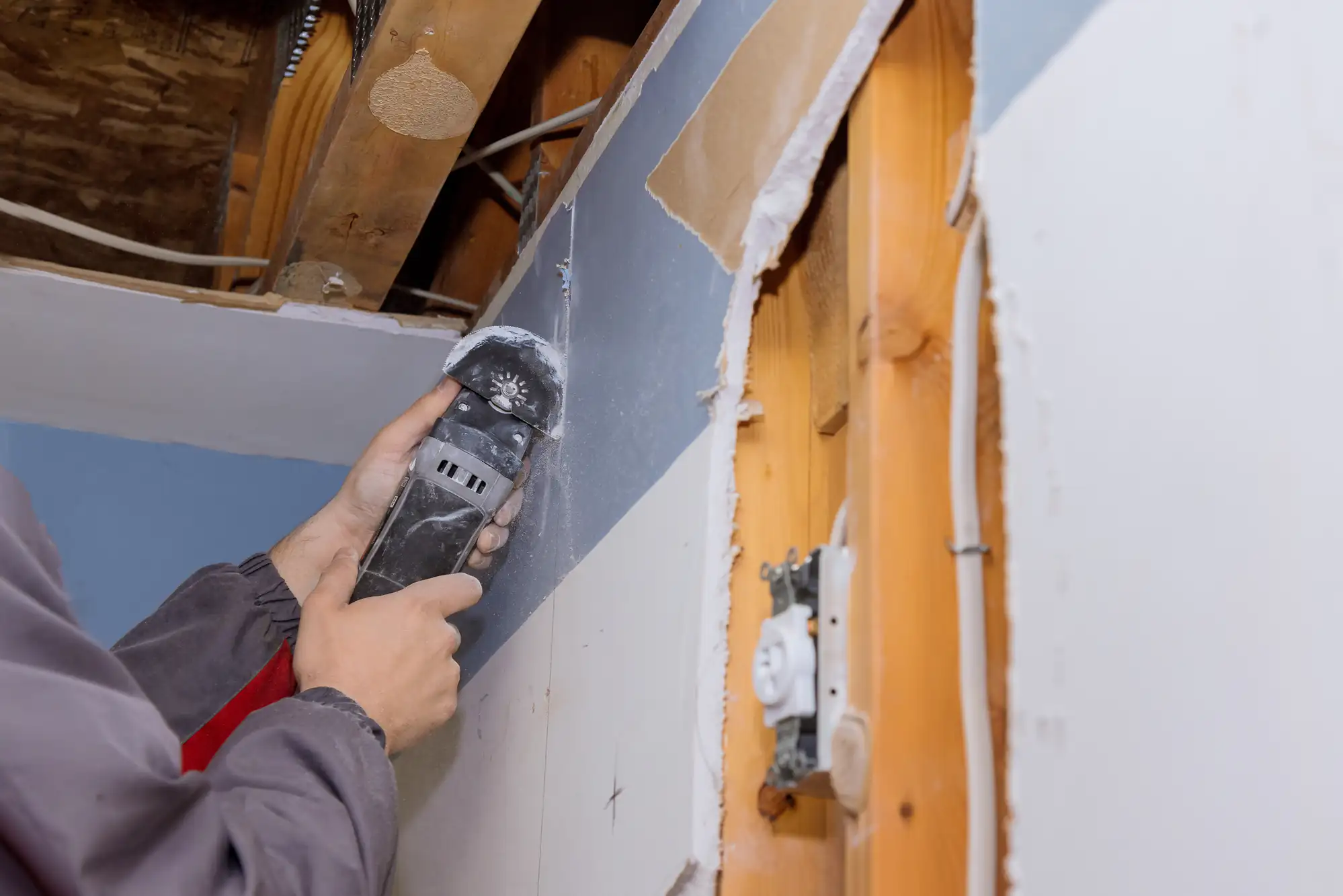
Deer Park has a mix of housing stock—some newer builds, plenty of mid-century homes, and older properties that need careful attention. We’ve worked on all of them. Water damage repairs are common here, especially in basements and around windows. We cut out damaged sections, replace them, and blend the repair so you can’t tell where the old wall ends and the new one begins.
For renovations and remodels, we coordinate with other trades. If you’re opening up a kitchen or finishing a basement, the sheetrock goes up after electrical and plumbing rough-ins are done. We work on your timeline and keep the job moving without sitting around waiting.
Commercial drywall installation is also part of what we do. Offices, retail spaces, and other commercial projects have tighter deadlines and stricter budgets. We’ve handled both, and the process is the same—clear communication, quality work, and no surprises.
Pricing depends on the size of the job, the condition of the existing space, and what level of finish you need. A small repair might run a few hundred dollars. A full room or basement could be several thousand.
We give you a free estimate after we see the space in person. That estimate includes materials, labor, and finishing work. No hidden fees for things like “disposal” or “travel” that magically appear on the final bill.
Most homeowners want to know if they’re getting a fair price. The honest answer is that cheap bids usually mean shortcuts—thinner coats of mud, fewer sanding passes, or unlicensed workers. You’ll pay for those shortcuts later when the walls crack or the seams show through your paint.
Most residential jobs take 1-2 weeks from start to finish. That includes hanging the drywall, taping, applying multiple coats of compound, sanding, and final touch-ups.
The drying time between coats is what takes the longest. You can’t rush it. If someone tells you they can finish a full room in three days, they’re either skipping steps or using hot mud techniques that don’t hold up long-term.
Smaller repairs can be done faster—sometimes in a day or two if it’s just patching a hole or fixing a crack. Larger projects like finishing a basement or renovating multiple rooms will take longer. We’ll give you a realistic timeline upfront so you can plan around it.
Yes, but it depends on the texture. Some are easier to match than others. Orange peel and knockdown textures are pretty standard—we can replicate those without much trouble.
Older hand-troweled textures or custom finishes are harder. We’ll do our best to blend the repair, but if your whole wall has a unique texture from decades ago, a perfect match isn’t always possible. In those cases, we’ll talk through your options—either getting it close enough that you won’t notice from a few feet away, or re-texturing the entire wall for consistency.
Most Deer Park homes have either smooth walls or light texture. Both are straightforward to match during repairs. We bring samples of different textures to show you before we start, so you know what to expect.
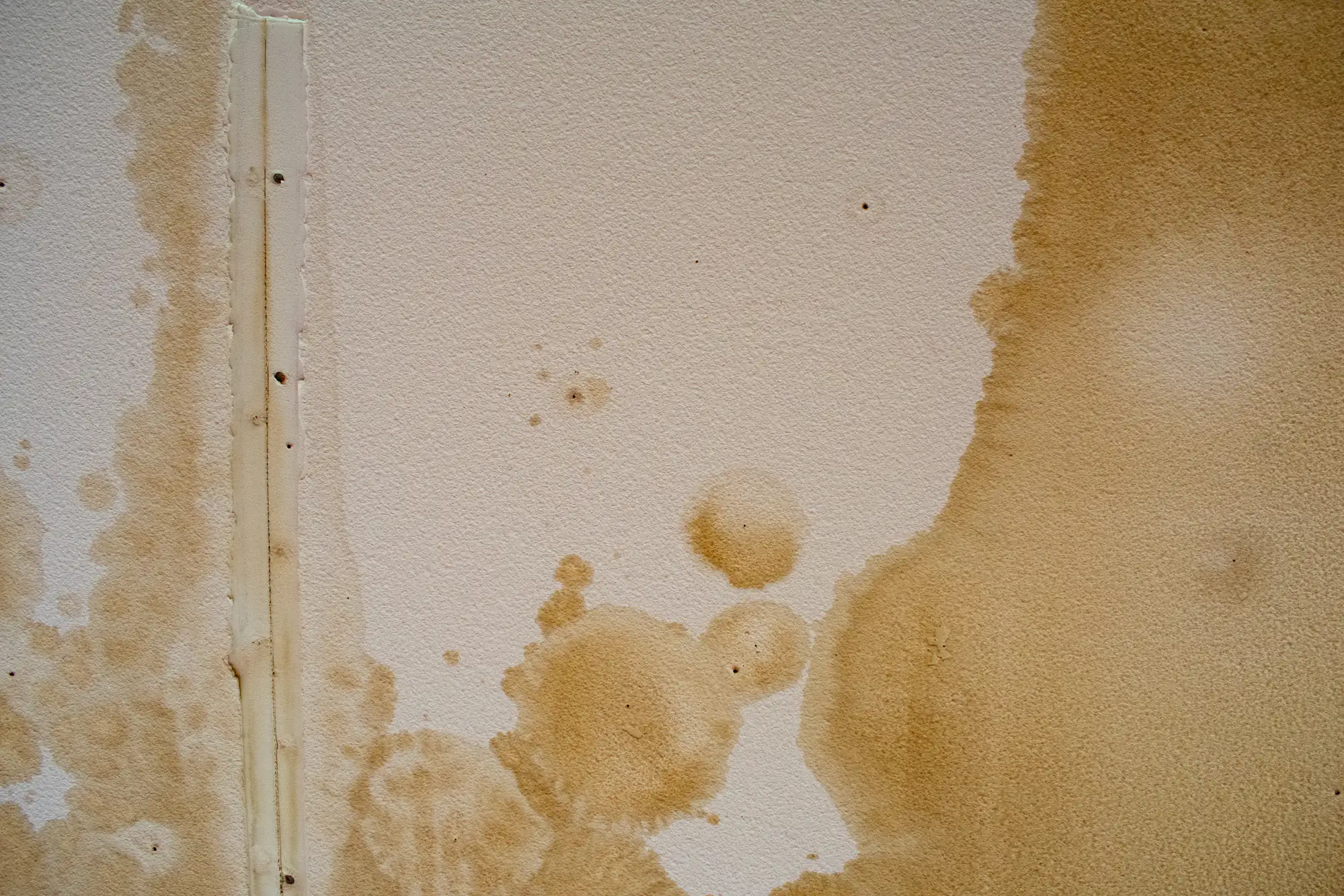
We handle both. Water damage is one of the most common reasons homeowners call us. A roof leak, a burst pipe, or basement moisture can ruin drywall fast.
The first step is making sure the water source is fixed. We’re not plumbers or roofers, but we won’t cover up a problem that’s going to come back. Once the area is dry, we cut out the damaged section, check the framing and insulation behind it, and replace the sheetrock.
If there’s mold, that needs to be remediated before we close up the wall. We’ll tell you if we see it, and we can refer you to someone who handles mold removal if needed. After everything’s clear, we install new drywall, tape, mud, and finish it to match the surrounding area. You’d never know there was damage there.
Nothing, really. Sheetrock is a brand name that became the common term for drywall, kind of like how people say “Kleenex” instead of “tissue.”
Both refer to the same thing—gypsum panels that get hung on walls and ceilings to create interior surfaces. Some contractors use the terms interchangeably. Technically, Sheetrock is made by USG Corporation, but most people just call any drywall “sheetrock” regardless of the manufacturer.
What matters more than the name is the type and thickness. Standard interior walls use half-inch drywall. Ceilings often use five-eighths inch for less sag. Moisture-resistant or mold-resistant boards go in bathrooms and basements. We’ll recommend the right type for your project based on where it’s going and what it needs to do.
We’ll handle most of the prep, but clearing out the room makes the job go faster and protects your belongings. If you can move furniture to another room, that’s ideal. If not, we’ll move it to the center and cover it.
Drywall work creates dust—especially during sanding. We use dust barriers and cover floors with drop cloths, but fine dust can still get around. If you have valuable items or electronics in the room, it’s smart to move them out beforehand.
We also need clear access to walls and ceilings. Pictures, shelves, and wall-mounted items should come down before we arrive. If there’s old drywall that needs to be removed, that creates even more mess. We clean up thoroughly when we’re done, but the less stuff in the room, the easier the whole process is for everyone.