
Hear from Our Customers
You’re not looking for the cheapest bid. You’re looking for walls that don’t crack in six months, texture that actually matches, and a contractor who shows up when they say they will.
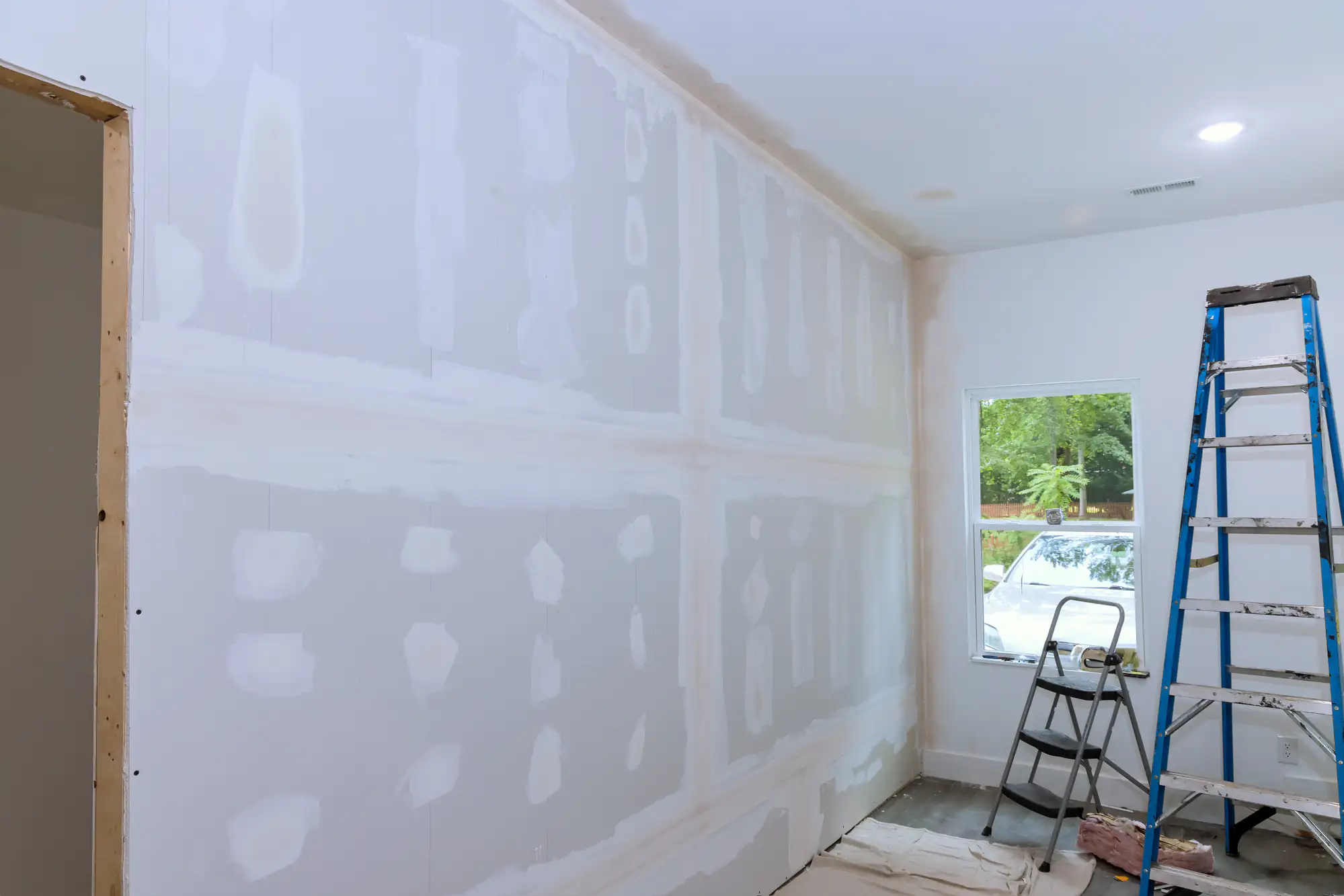
That’s what matters when you’re dealing with sheetrock work. The difference between a smooth, properly finished wall and one that shows every seam comes down to technique. Taping compound application, corner bead installation, sanding between coats—these aren’t just steps. They’re the reason your walls either look professional or obviously patched.
Most homeowners in East Northport deal with the same frustration: finding a local drywall contractor who’ll take on smaller repair jobs without charging emergency rates. Or getting an estimate that actually reflects the final bill. You shouldn’t have to call five contractors to find one who’ll fix a ceiling patch or handle a bathroom remodel with the same level of care.
We’ve spent close to ten years working inside East Northport homes. Not just passing through for the big jobs—actually learning what matters to homeowners here. How older homes settle. What basements in this area deal with. Which projects make sense and which ones you can skip.
We’re licensed, insured, and we don’t operate on pressure. You’ll get a clear estimate, a realistic timeline, and work that holds up. No hidden costs tacked on mid-project. No disappearing after the deposit clears.
If you’re comparing contractors, you’ll notice most either specialize in large commercial builds or they’re handymen dabbling in drywall. We focus on residential sheetrock installation and interior renovations—the space where quality actually affects your daily life.
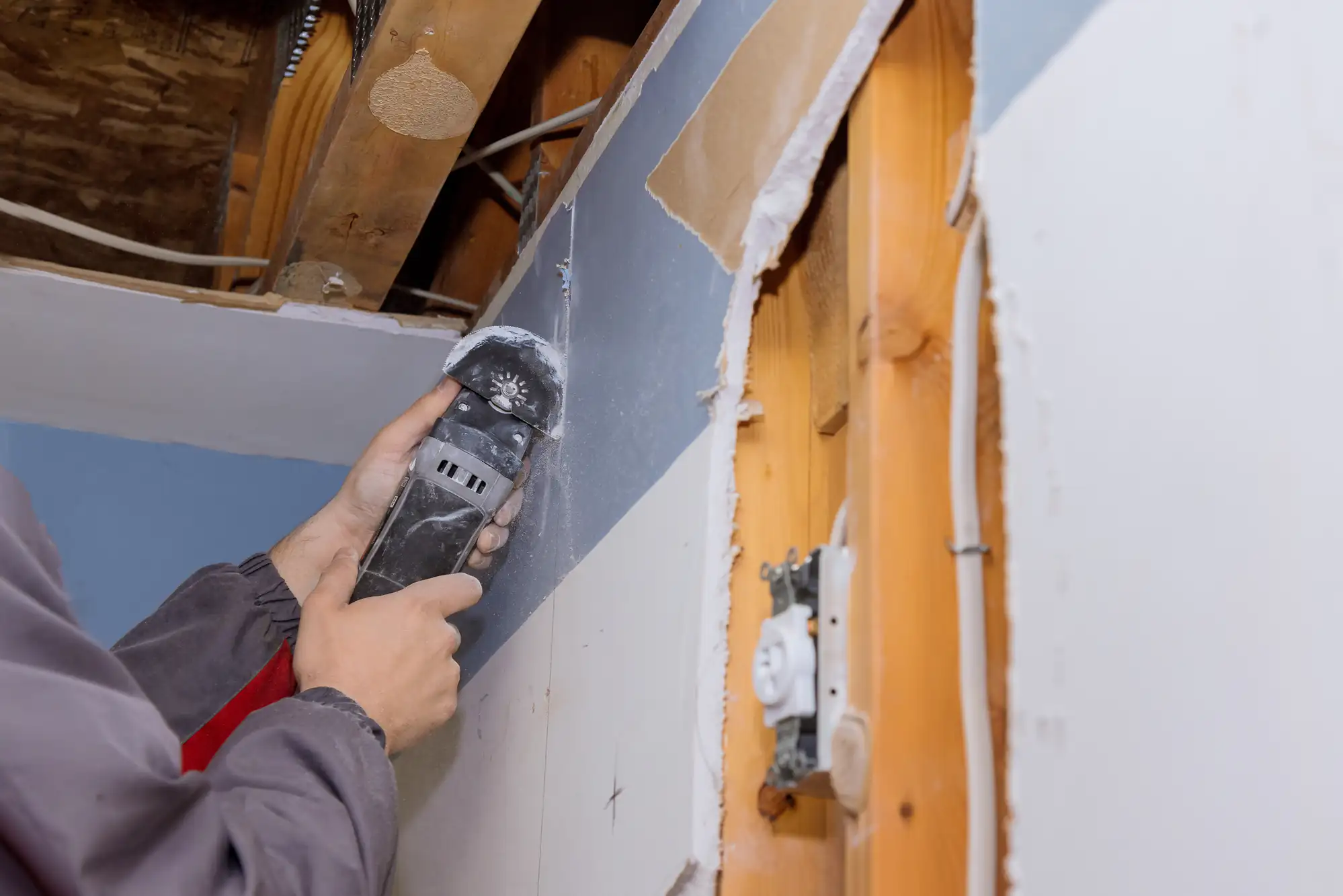
You reach out, we schedule a walkthrough. During that visit, we measure the space, check for any underlying issues like water damage or structural concerns, and discuss what finish you’re looking for. Smooth? Textured? Matching existing walls? That conversation happens before any work starts.
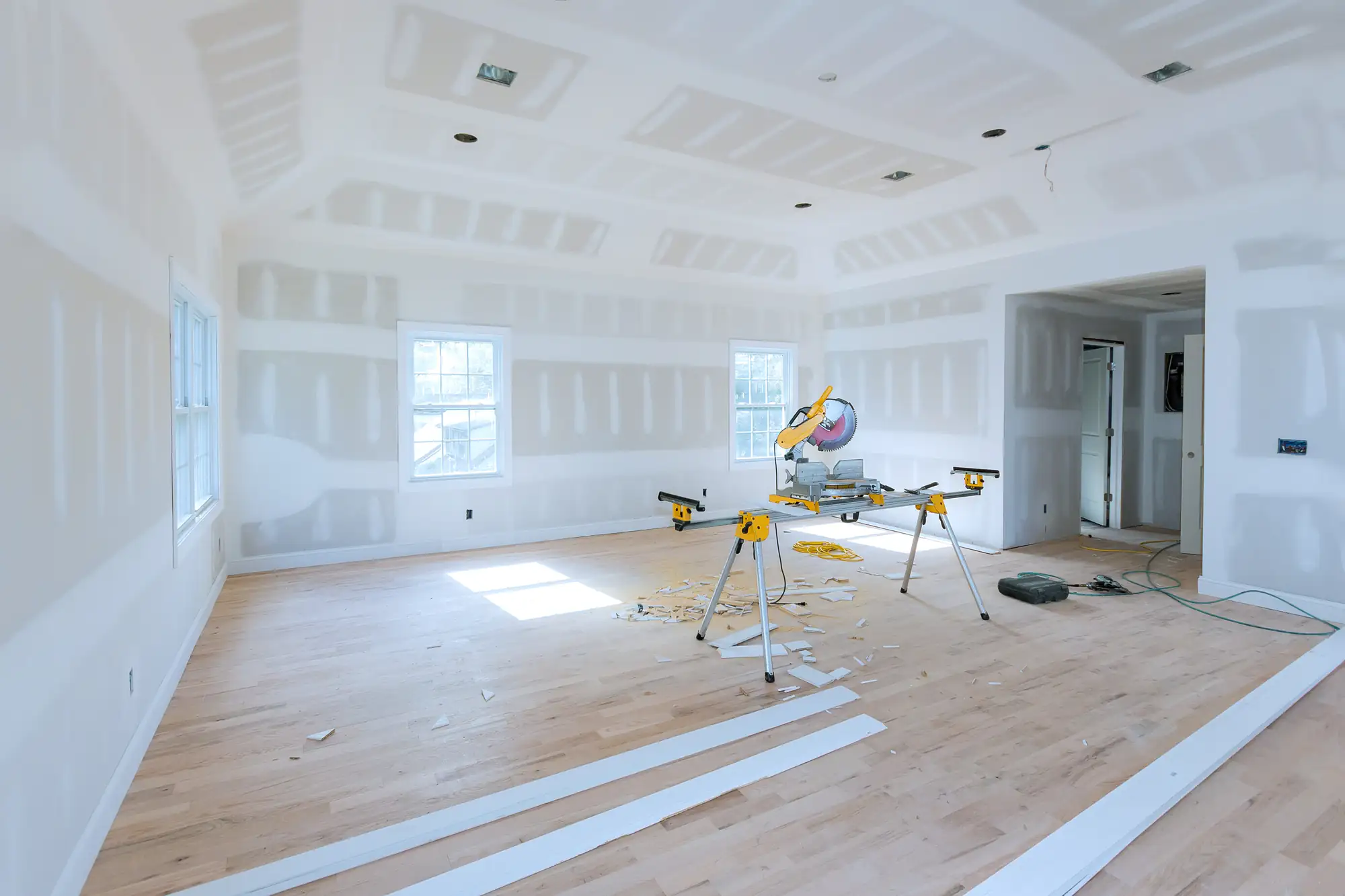
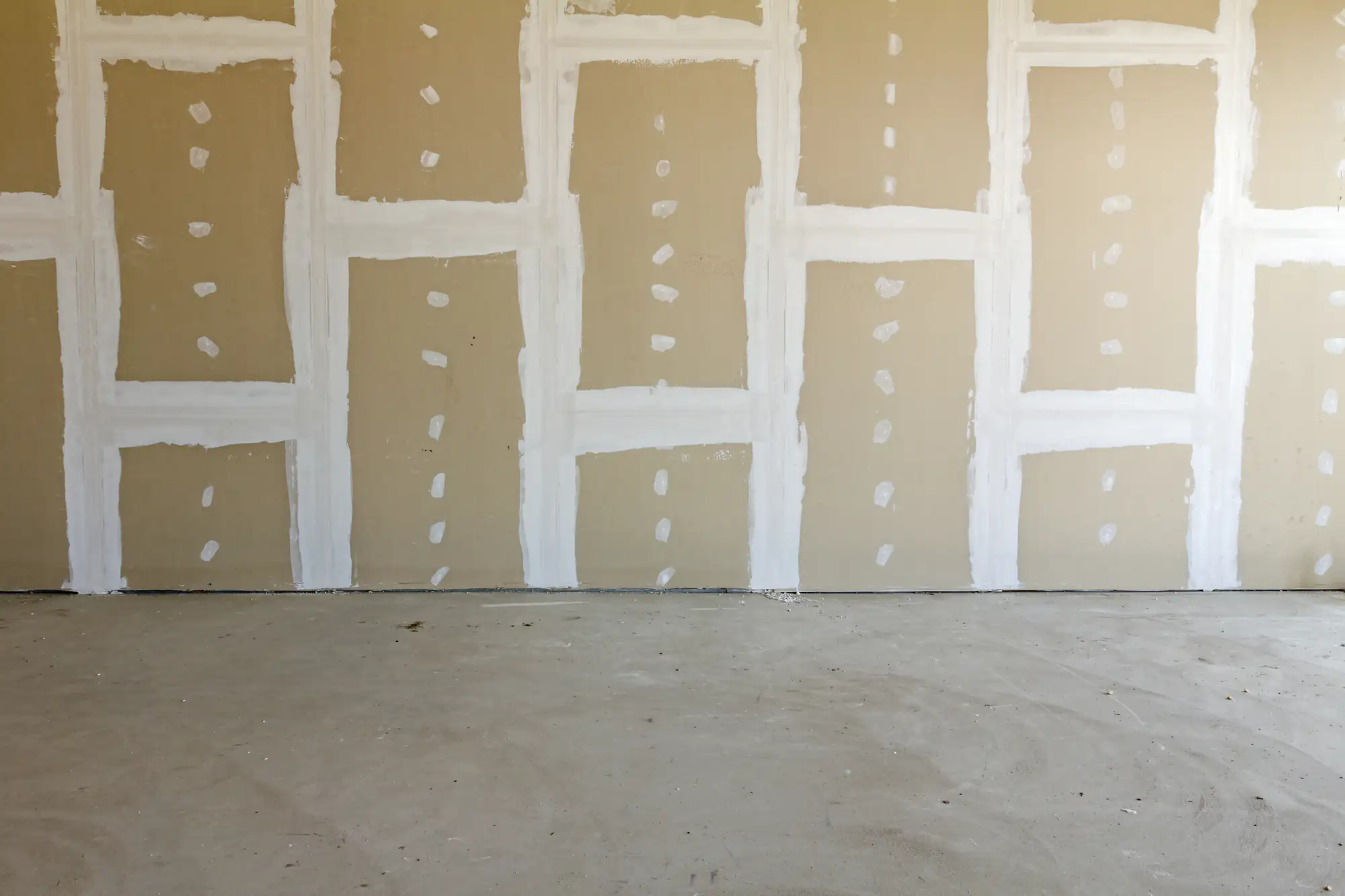
Once you approve the estimate, we order materials and lock in your start date. Sheetrock sheets get delivered, and installation begins. Each panel gets secured properly—not just fast. Seams get taped with drywall taping compound, corners get reinforced, and everything gets multiple coats with proper dry time between each one.
After the final coat, we sand everything smooth. You won’t see ridges or humps where seams meet. Then comes priming, and if you’re having us paint, that’s next. If not, the walls are ready for your painter. We clean up daily and do a final sweep before we consider the job complete. You’re not left with dust in your vents or compound stuck to your floors.
Ready to get started?
Sheetrock installation covers new walls, ceiling work, and full-room applications. That includes framing inspection, moisture barrier installation where needed, panel hanging, taping, mudding, sanding, and priming. If you’re finishing a basement or adding a room, this is the full process.
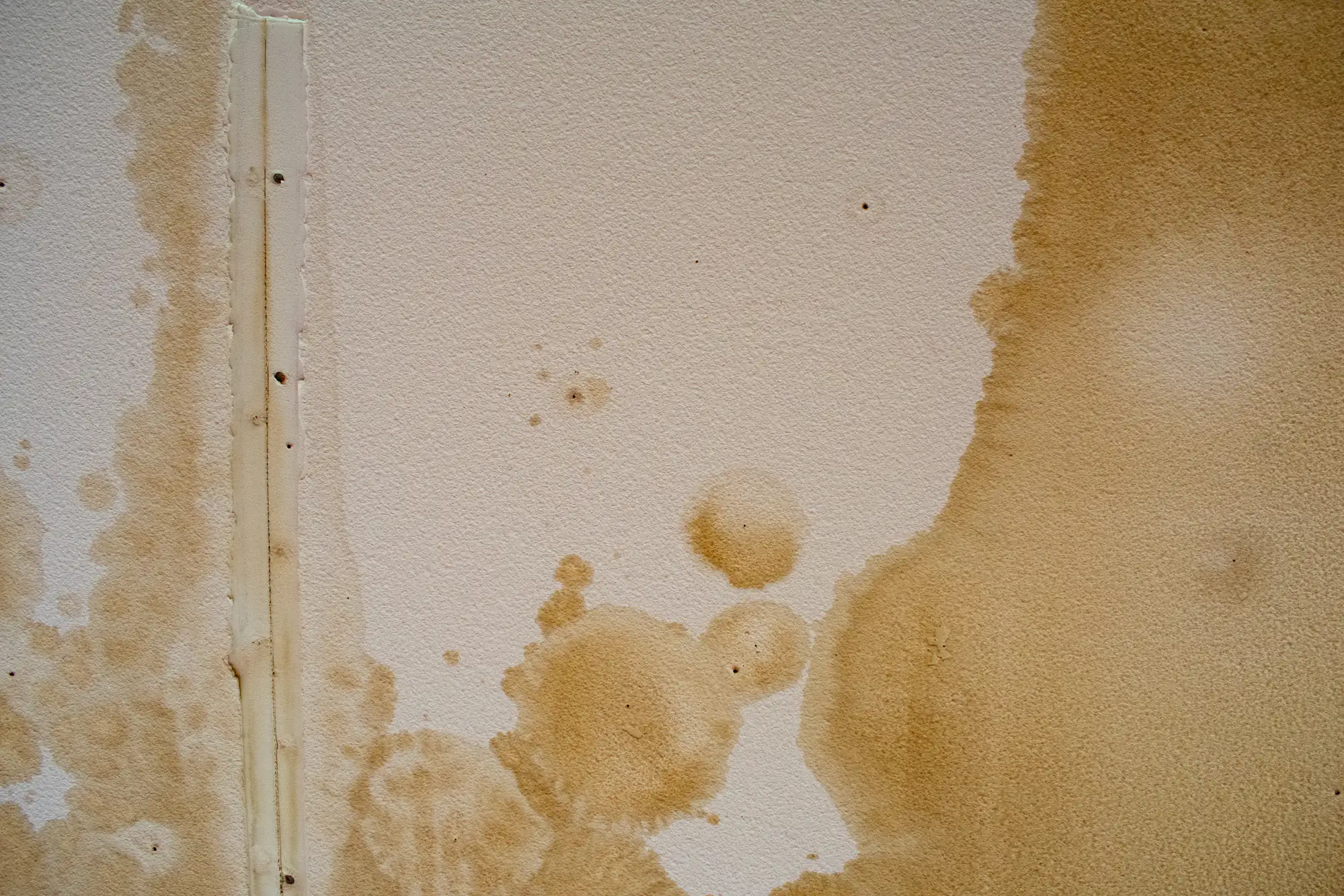
Sheetrock repair handles cracks, holes, water damage patches, and texture matching. This is where experience matters most in East Northport homes. Older properties settle differently than new construction. A patch that doesn’t account for movement will crack again. Matching existing texture—especially popcorn or knockdown finishes—takes a trained eye and the right tools.
Commercial drywall installation follows the same quality standards but scales up for office spaces, retail builds, and multi-unit properties. The timeline’s tighter and the specs are stricter, but the fundamentals don’t change. Proper taping, smooth finishing, and clean work.
Suffolk County homeowners also deal with specific challenges. Humidity from proximity to the water means moisture control matters. Basements need mold-resistant drywall. Older homes might need plaster repair before sheetrock goes up. We account for these details during the estimate, not after you’ve signed.
Small repairs—patching a hole, fixing a crack—typically run a few hundred dollars depending on size and location. Larger repairs, like fixing water damage across a ceiling or replacing full sections, cost more because they involve more material, labor, and often matching existing texture.
What drives the price up isn’t usually the drywall itself. It’s the labor. Properly taping and finishing seams takes time. Sanding between coats takes time. Matching 30-year-old texture takes time. If a contractor quotes you significantly less than others, ask what they’re skipping.
For skim coat work, you’re looking at roughly $1.15 to $1.35 per square foot in this area, and most of that cost is skilled labor. That’s the current range for Suffolk County. If your project involves structural concerns, mold remediation, or extensive prep work, expect the estimate to reflect that reality.
Yes, but it’s not automatic. Matching texture requires the right tools, the right mix, and experience with the specific finish you have. Smooth walls are easiest. Knockdown and orange peel textures are manageable with the correct spray equipment and technique. Popcorn texture is harder because the original material often contained asbestos, and modern alternatives don’t always look identical.
If your walls have a custom or hand-troweled texture, matching becomes more art than science. We’ll test a small section first to get it right before doing the full repair. That’s standard practice for any professional sheetrock contractor who’s done this long enough to know texture mismatches are obvious.
The other issue is paint sheen. Even if the texture matches perfectly, a flat patch on a satin wall will stand out. That’s why most repairs include priming and at least a blend coat of paint to feather the edges. If you want invisible repairs, plan for paint touch-up across the full wall or room.
A standard bedroom—say 12×12 with 8-foot ceilings—takes about three to five days from start to finish. Day one is hanging the sheets. Day two is taping and the first mud coat. Days three and four are additional coats with sanding in between. Day five is priming and final inspection.
That timeline assumes no complications. If we’re also handling electrical, insulation, or fixing framing issues, add time. If you want a specialty finish or multiple texture types, add time. If the room has vaulted ceilings or complex angles, add time.
Drying time between coats isn’t optional. Rushing it leads to cracks and shrinkage. Humidity affects dry time, so a basement job in summer might take longer than a second-floor bedroom in winter. We’ll give you a realistic schedule during the estimate, and we stick to it unless something unexpected comes up—in which case you’ll know immediately, not three days later.
Not usually, but it depends on the scope. If we’re working in one room and you can close it off, you can stay. If we’re doing whole-house work or major demolition, you might want to stay elsewhere for a few days—not because of safety, but because of dust and noise.
Sanding drywall compound creates fine dust that gets everywhere. We use dust barriers and vacuum sanders to minimize it, but some amount is unavoidable. If you have respiratory issues or young kids, plan accordingly. We’ll let you know during the walkthrough if the project warrants temporary relocation.
Most East Northport homeowners stay during smaller jobs—a basement finish, a bathroom remodel, a bedroom addition. They just plan to be out during the noisiest hours. For larger renovations involving multiple rooms, some choose to stay with family for a week. It’s your call, and we’ll work around whatever you decide.
Nothing. Sheetrock is a brand name that became the common term, like Kleenex for tissues. Drywall is the generic term for gypsum panels used in wall construction. Both refer to the same material—gypsum plaster pressed between two sheets of heavy paper.
You might also hear it called gypsum board, wallboard, or plasterboard depending on who you’re talking to. Contractors use the terms interchangeably. What matters more than the name is the type: standard, moisture-resistant (green board), mold-resistant (purple board), or fire-rated (Type X).
For most interior walls in East Northport homes, standard half-inch drywall works fine. Bathrooms and basements benefit from moisture-resistant or mold-resistant options. Garages and spaces near furnaces sometimes require fire-rated panels per building code. We’ll recommend the right type based on your specific project and local requirements.
It can, but it shouldn’t if the work’s done correctly. Cracks usually happen for three reasons: improper taping, house settlement, or structural movement. The first one is entirely preventable. The other two depend on your home’s foundation and framing.
Proper taping means using the right amount of drywall taping compound, embedding the tape fully, and applying enough coats to build a strong seam. Rushing this process or skipping coats leads to weak spots that crack under normal stress. Corner beads need to be secured correctly, not just mudded over. Screws need to be set at the right depth—too shallow and they pop through, too deep and they break the paper.
If your home is settling or you have structural movement, even perfect sheetrock work might develop cracks over time. That’s not a workmanship issue—that’s a foundation or framing issue that needs to be addressed separately. We’ll identify those concerns during the initial walkthrough and let you know if underlying repairs are needed before new drywall goes up. Most East Northport homes are stable, but older properties sometimes need attention before cosmetic work makes sense.
Other Services we provide in East Northport