
Hear from Our Customers
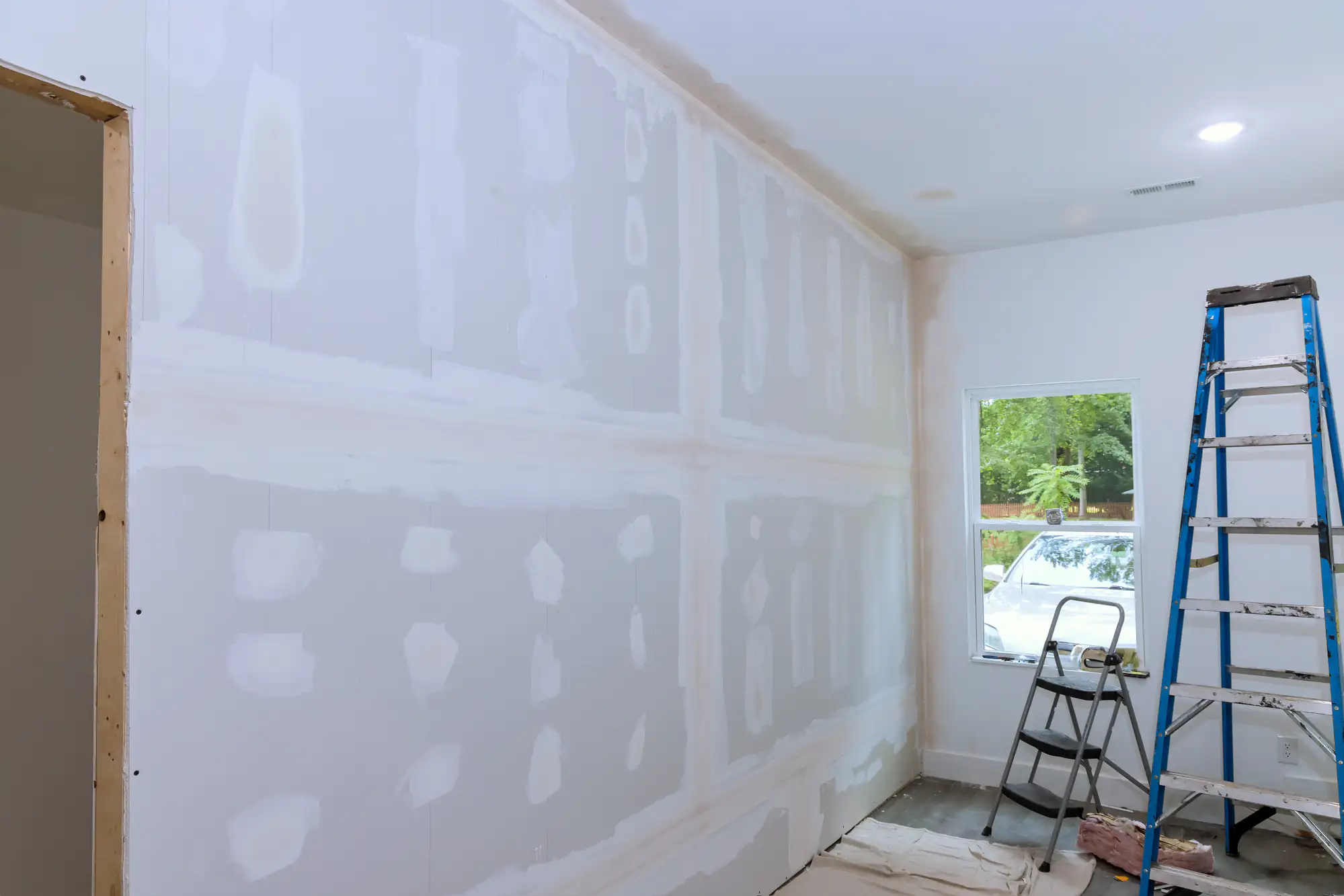
You’re not hiring a sheetrock contractor because you love construction. You’re hiring one because you need walls that look clean, seams that disappear, and a finish that doesn’t crack six months later.
Good drywall work means you don’t think about your walls. No visible tape lines. No uneven texture. No callbacks because the mud wasn’t applied right or the corners look wavy in certain light.
It also means your project moves forward without delays, last-minute change orders, or crews that ghost you mid-job. You get a clear timeline, itemized pricing up front, and work that meets code the first time. That’s what residential sheetrock installation should look like when it’s done by someone who knows what they’re doing.
We’ve been handling interior renovations across Fort Salonga and Suffolk County since 2015. We’ve worked in enough homes here to know what older construction looks like behind the walls, how local codes apply to remodels, and what homeowners expect when they’re investing in their property.
We’re not the cheapest option, and we don’t pretend to be. What we are is transparent, responsive, and focused on getting your drywall right without the drama. No pressure tactics. No vague estimates that balloon later.
Fort Salonga homeowners deal with everything from historic properties to newer builds, and both come with their own challenges. We’ve handled them. If you want someone local who shows up, communicates clearly, and finishes the job to spec, that’s what we do.
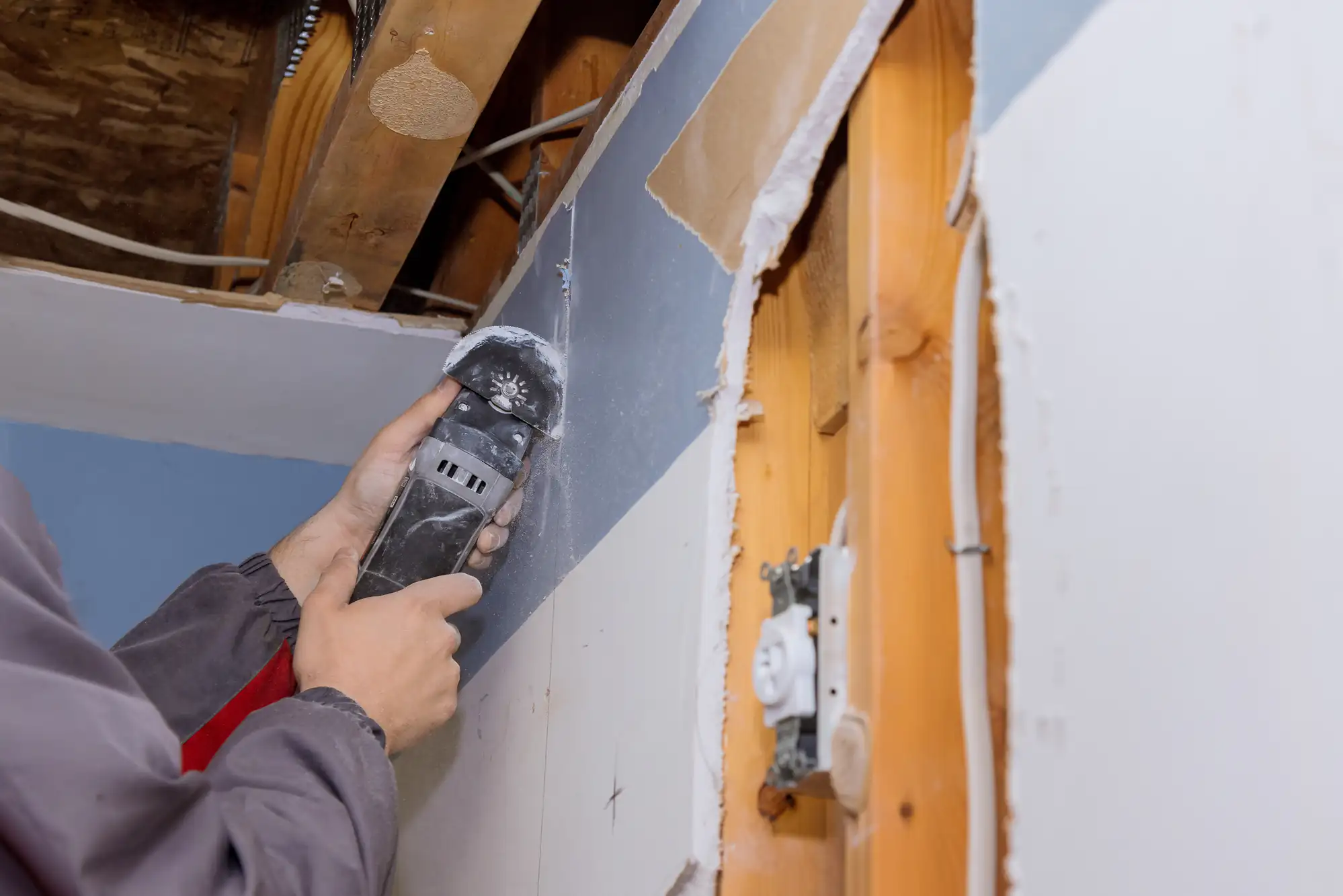
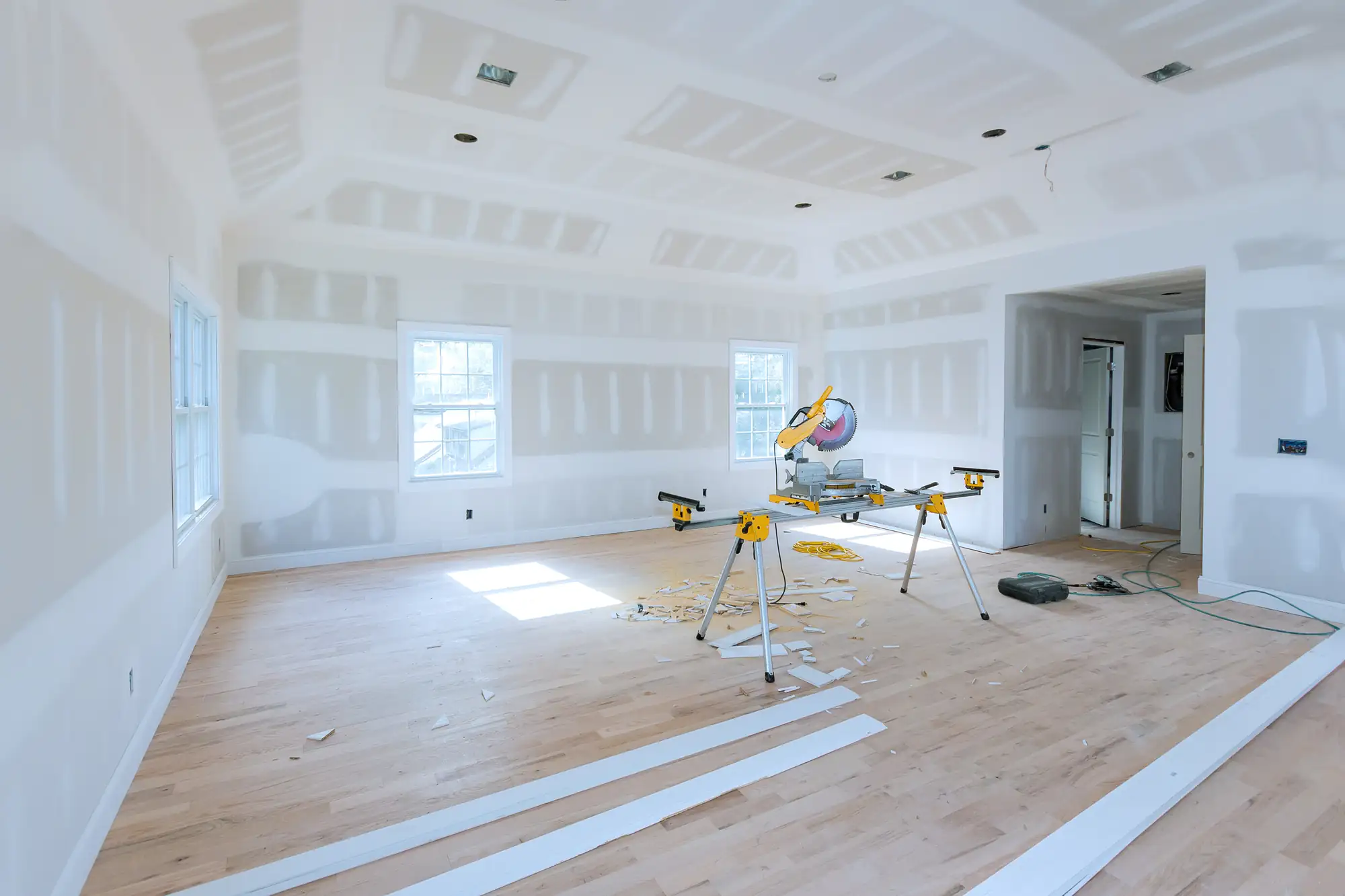
First, we walk the space with you. We measure, check for any structural concerns, and talk through what you’re trying to accomplish. If it’s a repair, we assess the damage. If it’s new construction or an addition, we confirm the framing is ready and discuss finish level expectations.
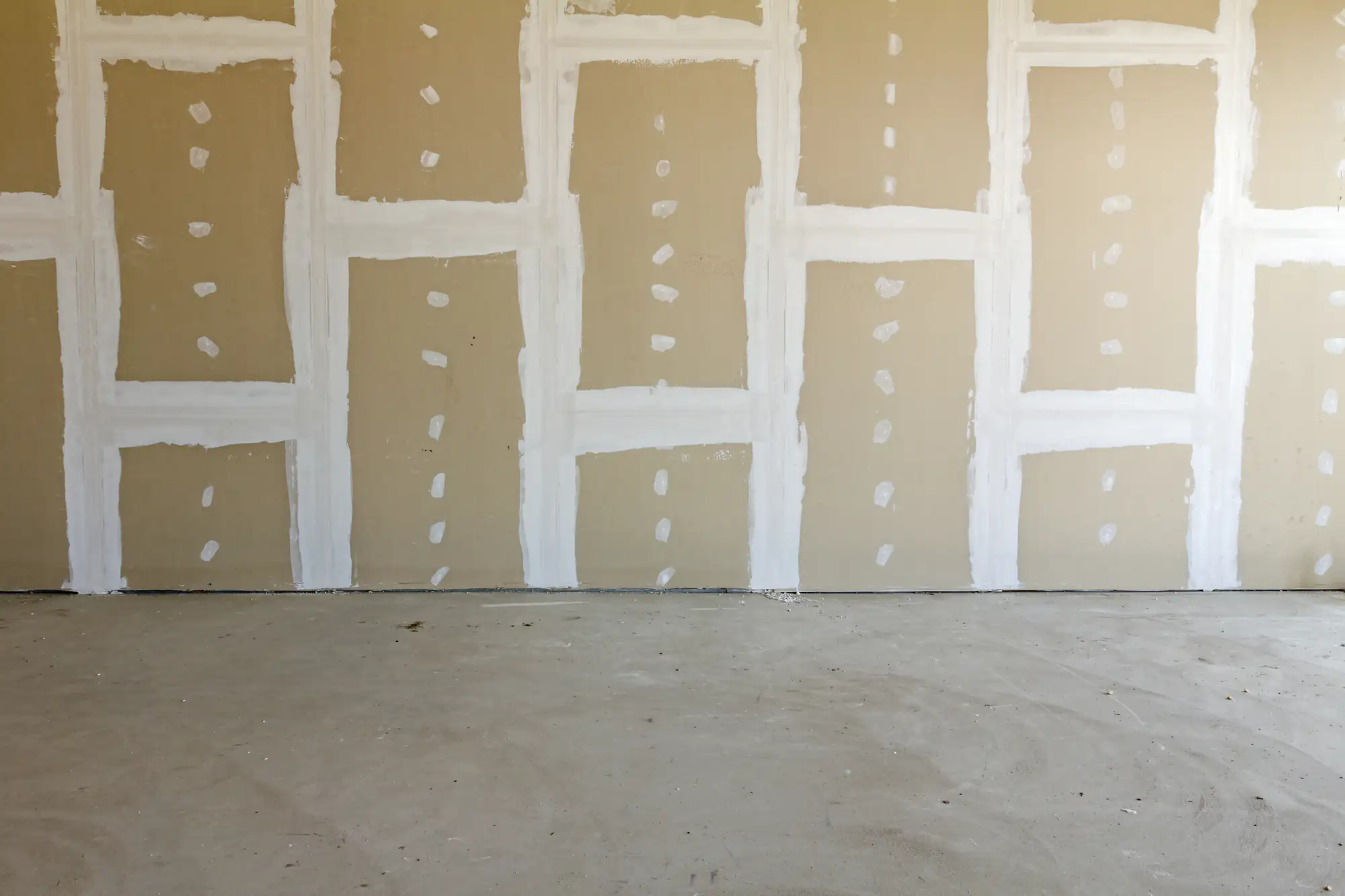
Once we agree on scope and pricing, we schedule the install. Sheetrock sheets go up, seams get taped with quality drywall taping compound, and we apply multiple coats of mud. Each coat gets sanded smooth before the next one goes on. Corners, outlets, and transitions all get finished to match your specs.
After final sanding and cleanup, your walls are ready for primer and paint. If you’re handling other trades, we coordinate timing so nothing holds up your project. If we’re managing the full interior renovation, we keep everything moving in sequence. You’re not left guessing what happens next or waiting on someone to return your calls.
Ready to get started?
We handle both residential sheetrock installation for new builds, and full remodels, plus commercial drywall installation for business spaces that need professional finish work. If you’re dealing with damage from leaks, settling, or bad DIY attempts, we do sheetrock repair that blends invisibly with existing walls.
Fort Salonga homes range from waterfront properties to inland colonials, and each one has different demands. Older homes often need repairs that match original plaster texture. Newer builds need clean, modern finishes with tight corners and smooth surfaces. We adjust our approach based on what your space requires.
You’ll get detailed estimates that break out materials, labor, and any prep work like insulation or vapor barriers. No line items that say “miscellaneous” or “additional costs.” If your project needs blocking for heavy tile, soundproofing between rooms, or specific fire-rated drywall for code compliance, we include that in the quote. What we estimate is what you pay, unless you change the scope.
Pricing depends on square footage, ceiling height, finish level, and whether it’s new construction or repair work. A standard bedroom with 8-foot ceilings and a smooth Level 4 finish will cost less than a vaulted great room with Level 5 finishing and custom details.
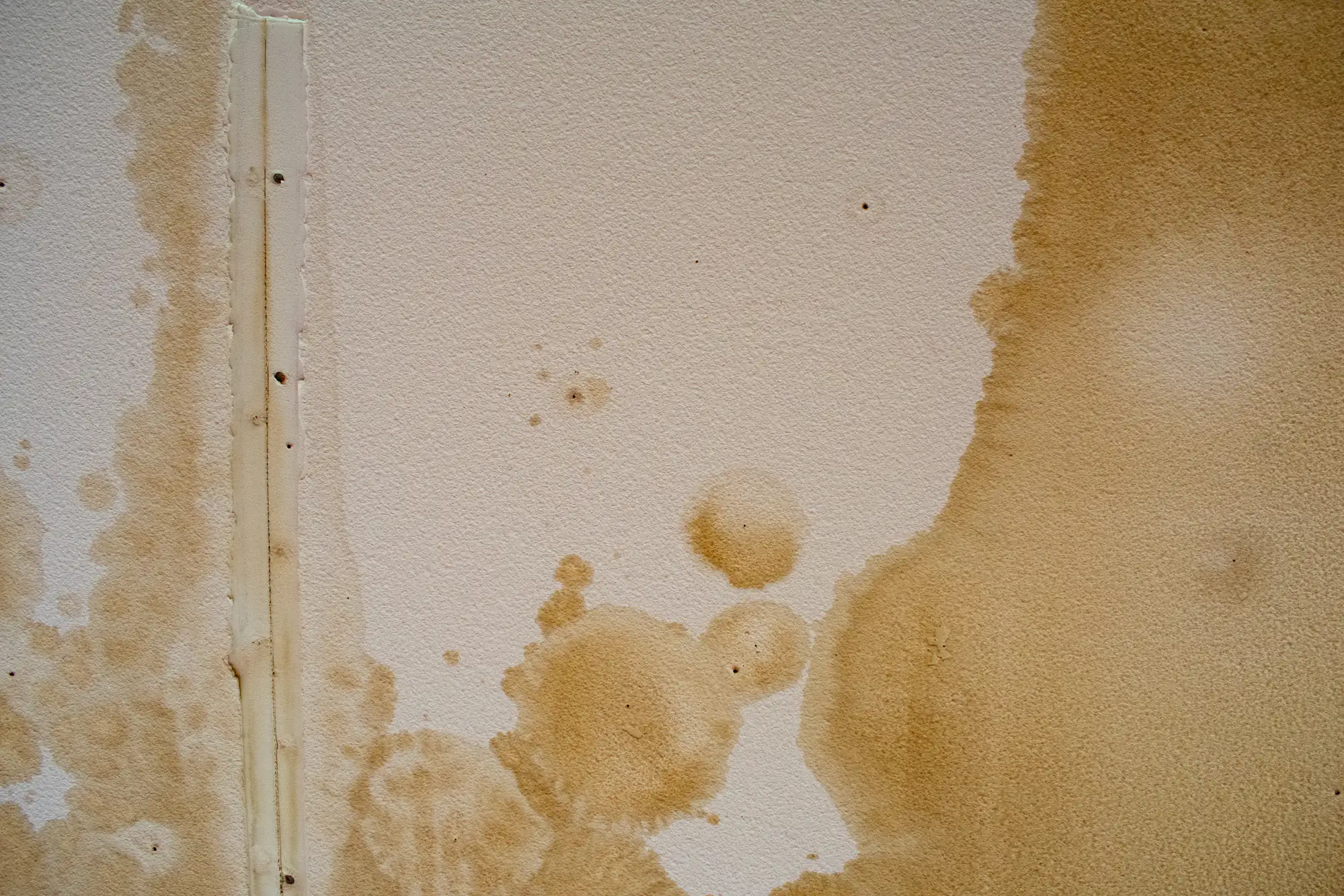
Repairs vary based on damage size and complexity. Patching a small hole is straightforward. Replacing entire sections after water damage or structural work costs more because it involves matching existing texture, blending seams, and sometimes addressing underlying issues like mold or insulation.
We provide itemized estimates after seeing your space. That way you know exactly what you’re paying for and can make decisions based on real numbers, not rough guesses. Most Fort Salonga projects fall within a predictable range once we account for your specific variables, and we’ll walk you through those during the estimate.
Nothing, functionally. Sheetrock is a brand name that became the common term, like Kleenex for tissues. Both refer to gypsum panels used for interior walls and ceilings.
What matters more than the name is the type and thickness. Standard half-inch drywall works for most walls. Five-eighths-inch is better for ceilings and fire-rated applications. Moisture-resistant green board or purple board goes in bathrooms and kitchens. Some projects need abuse-resistant panels in high-traffic areas.
When you’re getting estimates, make sure your sheetrock contractor specifies what type they’re using and why. It affects durability, cost, and code compliance. We match the material to the application so you’re not overpaying for features you don’t need or underbuilding where it matters.
A single room usually takes two to four days depending on size and finish level. Hanging the sheets is the fastest part. Taping, mudding, and sanding take longer because each coat needs to dry before the next one goes on.
Larger projects like whole-home remodels can run one to three weeks. Commercial drywall installation timelines depend on square footage and how many other trades are working simultaneously. We schedule around inspections, HVAC rough-ins, and electrical work so nothing stalls your project.
Weather affects drying time, especially in humid summer months or during winter when heat isn’t always running yet. We plan for that. If you have a hard deadline for moving in or opening your business, tell us up front. We’ll structure the schedule to hit it or let you know if it’s not realistic given the scope.
Yes, but it takes skill and the right tools. Most Fort Salonga homes have either smooth walls, light orange peel, or knockdown texture. Each one requires a different technique to blend a repair so it doesn’t stand out.
Smooth walls are the hardest to match because any imperfection shows, especially in natural light or with certain paint sheens. Orange peel and knockdown are more forgiving but still need the correct spray pattern and timing. We keep samples of common textures and test on scrap before applying to your wall.
If your home has an unusual or outdated texture, we’ll tell you if matching is feasible or if retexturing the full wall makes more sense. Sometimes trying to match a repair costs more in labor than just redoing the surface. We’ll give you both options and let you decide what fits your budget and expectations.
It depends on the scope. Simple repairs usually don’t require permits. New construction or work that involves moving walls, adding square footage, or altering structural elements typically does.
Suffolk County has specific requirements around fire-rated drywall in garages, moisture barriers in bathrooms, and insulation standards that affect how drywall gets installed. If your project needs a permit, the building inspector will check that everything meets code before you can close walls.
We handle permit applications when they’re required and schedule inspections at the right stages. That keeps your project legal and protects your home’s value. Skipping permits might save money short-term, but it creates problems when you sell or if insurance ever needs to verify that work was done to code.
Clear the work area of furniture, wall hangings, and anything breakable. Drywall dust gets everywhere despite our best containment efforts, so the less you have in the space, the easier cleanup will be.
Make sure all rough-in work is complete and inspected. That means electrical boxes, plumbing lines, HVAC ducts, and insulation are in place and signed off. We can’t hang drywall over work that still needs inspection or might need changes.
If you’re staying in the home during the project, plan for noise and limited access to the work area. We’ll do daily cleanup, but expect some dust migration. Let us know about any specific concerns like allergies, pets that need to be separated from the work zone, or access restrictions. The more we know up front, the smoother the job runs.