
Hear from Our Customers
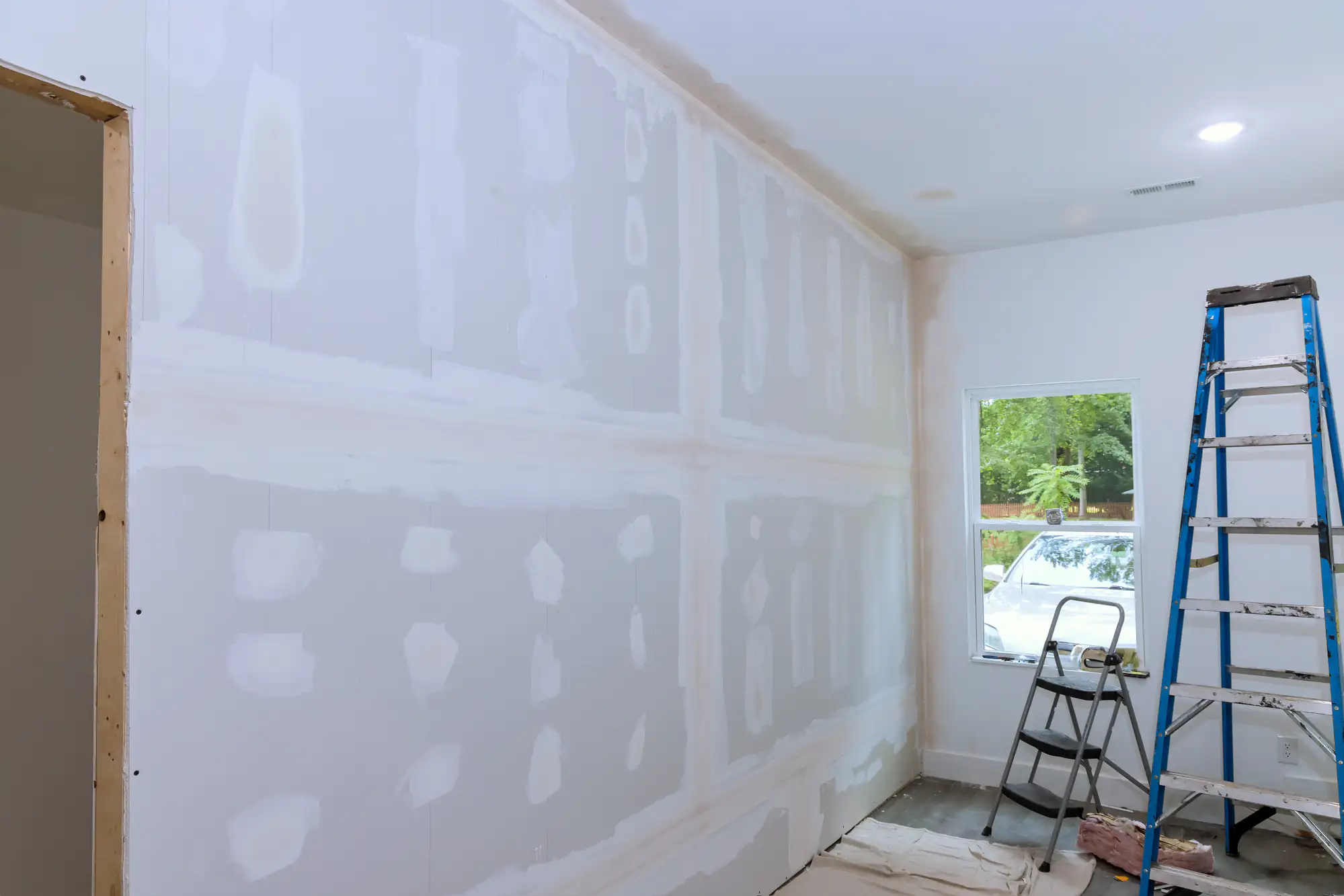
Your walls should be the last thing you notice when you walk into a room. When sheetrock installation is done correctly, you see the paint, the furniture, the light—not seams, bumps, or patches that catch your eye.
That’s what matters when you’re updating a room or finishing a basement. You want it to look finished. Not “good enough.” Not “we’ll fix it later.”
We handle everything from hanging new sheets to taping, mudding, and sanding until the surface is ready for paint. No shortcuts. No mess left behind. Whether it’s drywall repair on a damaged ceiling or full residential sheetrock installation in a remodel, the end result is a smooth surface you don’t have to think about twice.
We’re not new to Lindenhurst. We’ve been working in Suffolk County homes since 2016, handling everything from small drywall repairs to full interior remodels.
We’re a family-owned business, which means when you call, you’re talking to the people who actually do the work. No sales reps. No pressure. Just honest answers about what your project needs and what it’ll cost.
Most of our work comes from referrals—homeowners who’ve worked with us before or heard about us from a neighbor. That tells you something. We show up, do the job right, and leave your space cleaner than we found it.
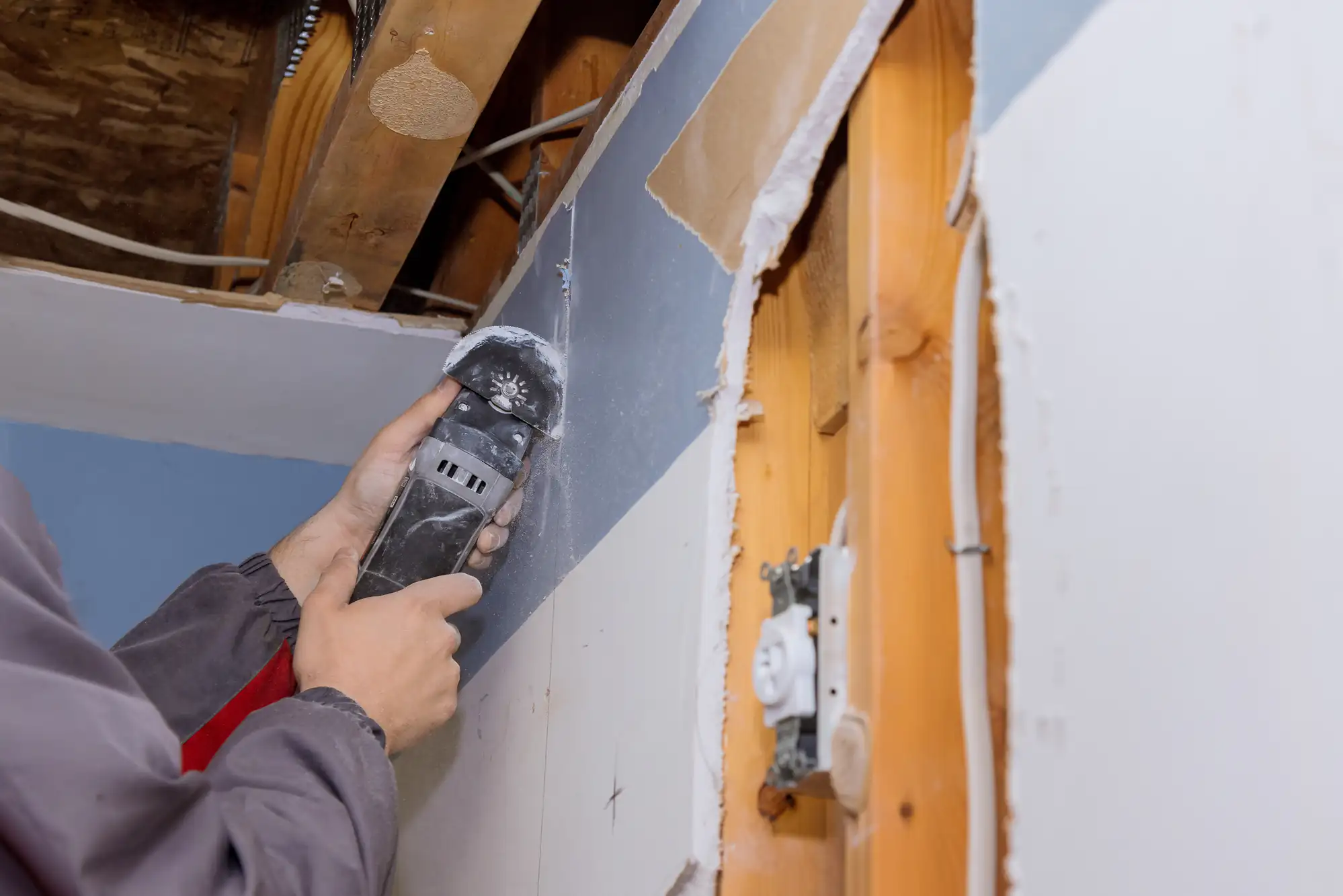
First, we walk through your space and talk about what you’re dealing with. Damaged walls? New construction? Basement finishing? We measure, assess the scope, and give you a clear estimate—no hidden costs, no surprises later.
Once we start, we prep the area to protect your floors and furniture. Then we hang the sheetrock sheets, making sure everything is level and secure. This step matters more than most people realize—if the hanging is off, everything after it shows.
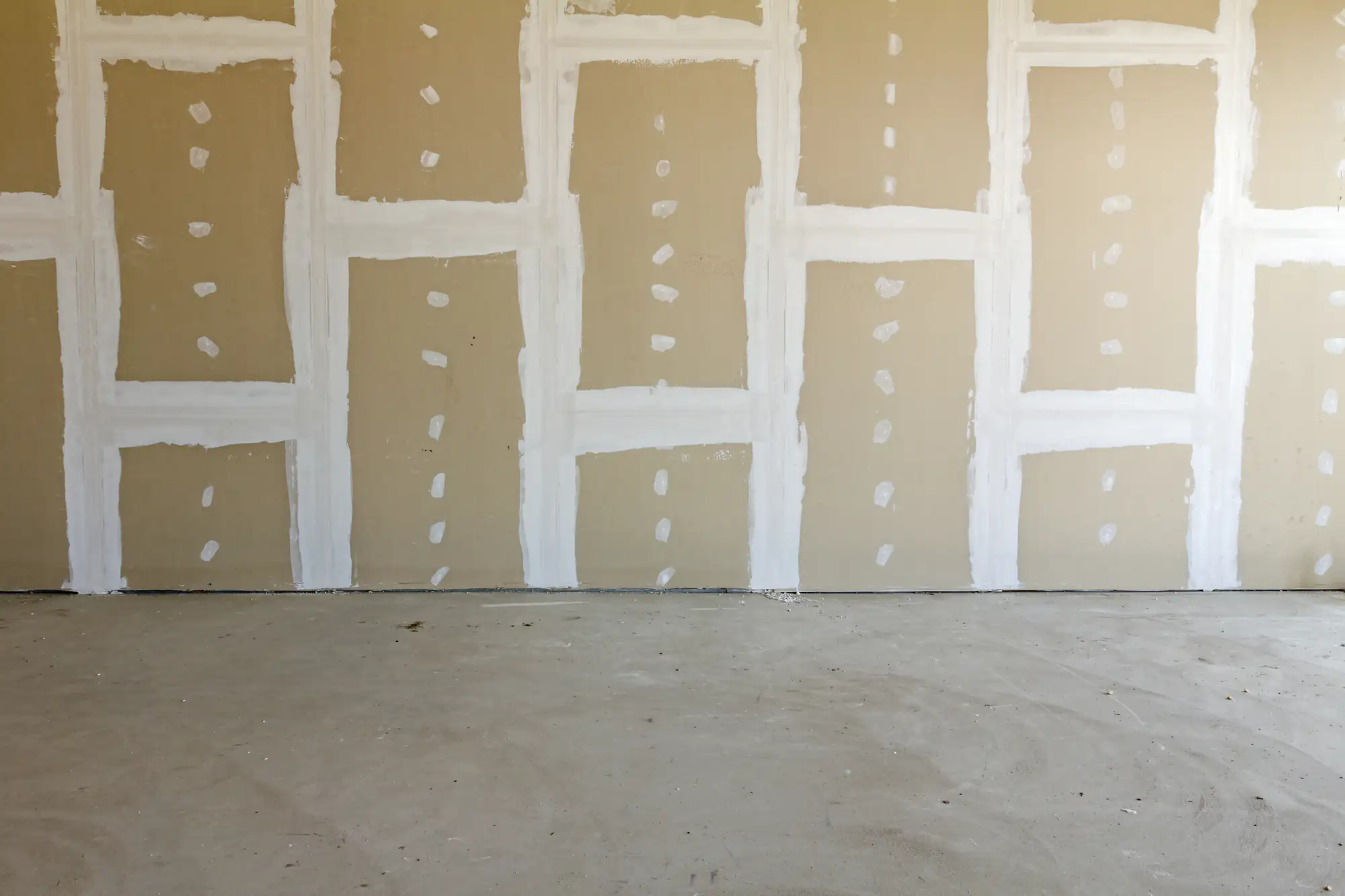
Next comes taping and applying drywall taping compound to seams and fasteners. We do multiple coats, sanding between each one until the wall is completely smooth. This is where experience shows up. Rushed mudding leaves ridges and waves you’ll see every time the light hits the wall.
After the final sand, we clean up the dust and prep the surface for paint. If you want us to handle the painting too, we do that. If you’ve got your own painter, the walls are ready to go.
Ready to get started?
You’re getting a professional sheetrock contractor who handles the full scope—hanging, taping, mudding, texturing if you want it, and finishing. We work on residential and commercial projects, so whether it’s your living room or a rental property, we’ve done it before.
In Lindenhurst, a lot of homes were built in the mid-1900s. That means plaster walls, settling foundations, and cracks that reappear if they’re not addressed correctly. We know how to prep older walls for sheetrock and how to reinforce areas that have shifted over time.
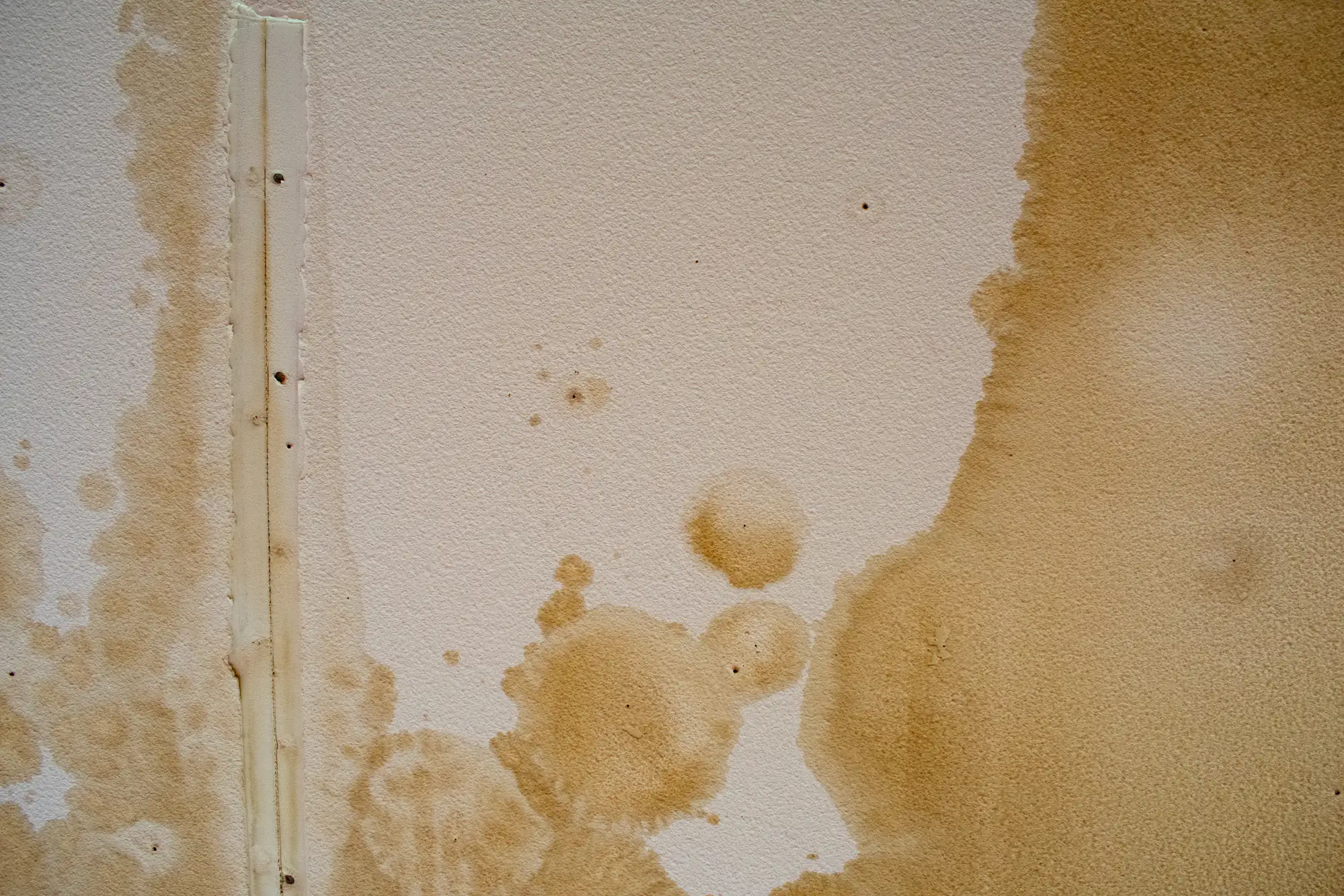
We also handle water damage repairs, ceiling patches, and full basement drywall installation. Basements in this area deal with humidity, so we make sure to use the right materials and techniques to prevent future problems. Average projects in Lindenhurst run anywhere from $400 for small repairs to $6,000 for larger installations—we’ll tell you upfront where your job falls and why.
Small repairs—like fixing a doorknob hole or a crack—typically cost between $60 and $200 depending on the size and location. If you’re dealing with larger damage, like a section of wall that needs to be cut out and replaced, you’re looking at $300 to $900 for walls and $440 to $1,520 for ceilings.
The price depends on how much material we need, how much prep work is involved, and whether there’s underlying damage like mold or framing issues. We don’t charge you for a patch and then surprise you with extra costs when we find something else. We assess it upfront and tell you what it’ll take.
If you’re fixing multiple rooms or doing a larger project, the per-square-foot cost usually drops because we’re already set up and working. We’ll walk you through the pricing during the estimate so you know exactly what you’re paying for.
A single room usually takes two to three days from start to finish. That includes hanging the sheets, taping, applying multiple coats of mud, sanding, and cleanup. If we’re also painting, add another day or two depending on how many coats you want.
Larger projects—like finishing a basement or doing multiple rooms—can take a week or more. The timeline depends on the size of the space, how much prep work is needed, and drying time between coats of joint compound. We can’t rush the drying process without compromising the finish.
We’ll give you a realistic timeline during the estimate. If something comes up that changes the schedule—like discovering old plaster that needs extra prep—we’ll let you know right away, not at the end of the job.
Nothing. Sheetrock is a brand name that became the common term, like Kleenex for tissues. Drywall is the generic term for the same product—gypsum panels used to build interior walls and ceilings.
Some contractors use the terms interchangeably. Some customers think sheetrock is higher quality, but it’s really just about brand preference. What matters more is the thickness of the panel, the type of gypsum board used, and how it’s installed.
For most residential projects in Lindenhurst, we use standard half-inch drywall. For ceilings or areas that need extra soundproofing or moisture resistance—like basements or bathrooms—we’ll recommend thicker panels or specialty boards. We’ll explain the options during your estimate so you’re not paying for materials you don’t need.
Yes, but it depends on what texture you have. If it’s a simple orange peel or knockdown texture, we can match it pretty closely. If it’s an older hand-troweled plaster texture, it’s harder to replicate perfectly, but we can get close enough that you won’t notice a difference from across the room.
The key is doing a test patch first. We apply the texture to a small section, let it dry, and make sure it blends before we do the whole wall. This is especially important if we’re patching a repair in the middle of a wall where the texture needs to disappear into the surrounding area.
Some older homes in Lindenhurst have popcorn ceilings or heavy stipple textures that aren’t common anymore. If you’re repairing one of those areas, we’ll talk through your options—either match it or remove the texture entirely and go with a smooth finish.
You don’t have to, but it makes the job faster and protects your stuff. If you can move smaller items and anything breakable, that helps. For larger furniture, we can work around it or move it to the center of the room and cover it with plastic.
Sheetrock work creates dust, especially during sanding. Even with dust barriers and vacuums, some of it gets around. We do our best to contain it, but if you’ve got electronics, artwork, or anything you don’t want covered in fine powder, move it out or cover it well.
If you’re doing a whole room or multiple rooms, it’s worth clearing the space completely. It gives us room to work efficiently and means less cleanup for you after. We’ll go over this during the estimate so you know what to expect before we start.
At least 24 hours, but 48 is better. The joint compound needs time to fully dry and cure before paint goes on. If you paint too soon, the moisture in the mud can cause the paint to bubble or the seams to show through later.
Humidity affects drying time. If we’re working in a basement or during a humid stretch in the summer, it might take longer. We’ll let you know when the walls are ready—don’t just go by the clock.
Before painting, the walls also need to be primed. Primer seals the joint compound and creates an even surface so the paint goes on smoothly and the color looks consistent. If you skip the primer, you’ll see the difference—the mudded areas will look dull and absorb paint differently than the rest of the wall.
Other Services we provide in Lindenhurst