
Hear from Our Customers
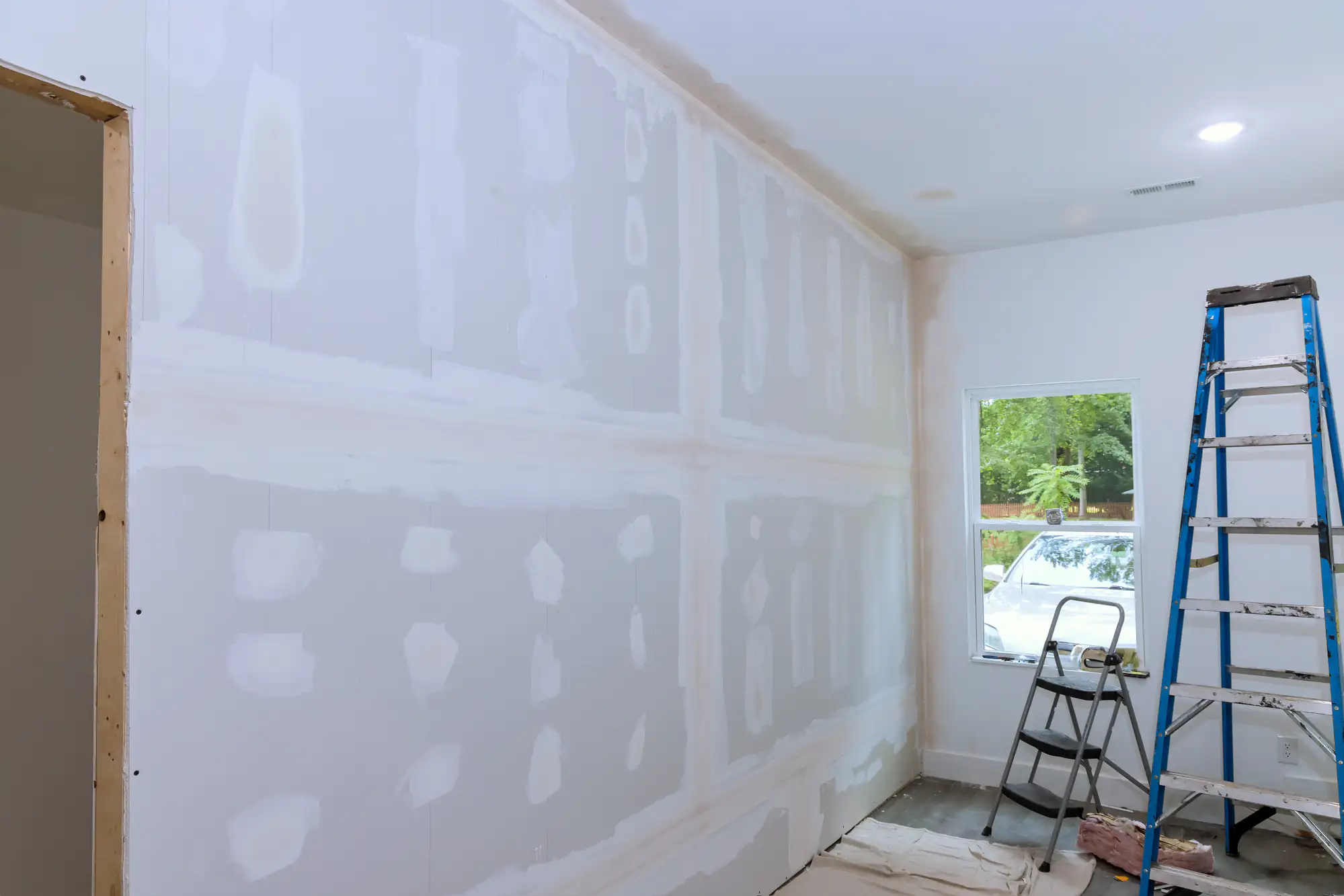
Your walls look smooth. The seams disappear under paint instead of announcing themselves six months later when the seasons change.
You’re not dealing with callbacks or touch-ups because someone rushed the taping. The finish is clean, the corners are sharp, and when you run your hand across the surface, it feels like one continuous piece—not a patchwork of repairs that’ll crack the first time your HVAC kicks on.
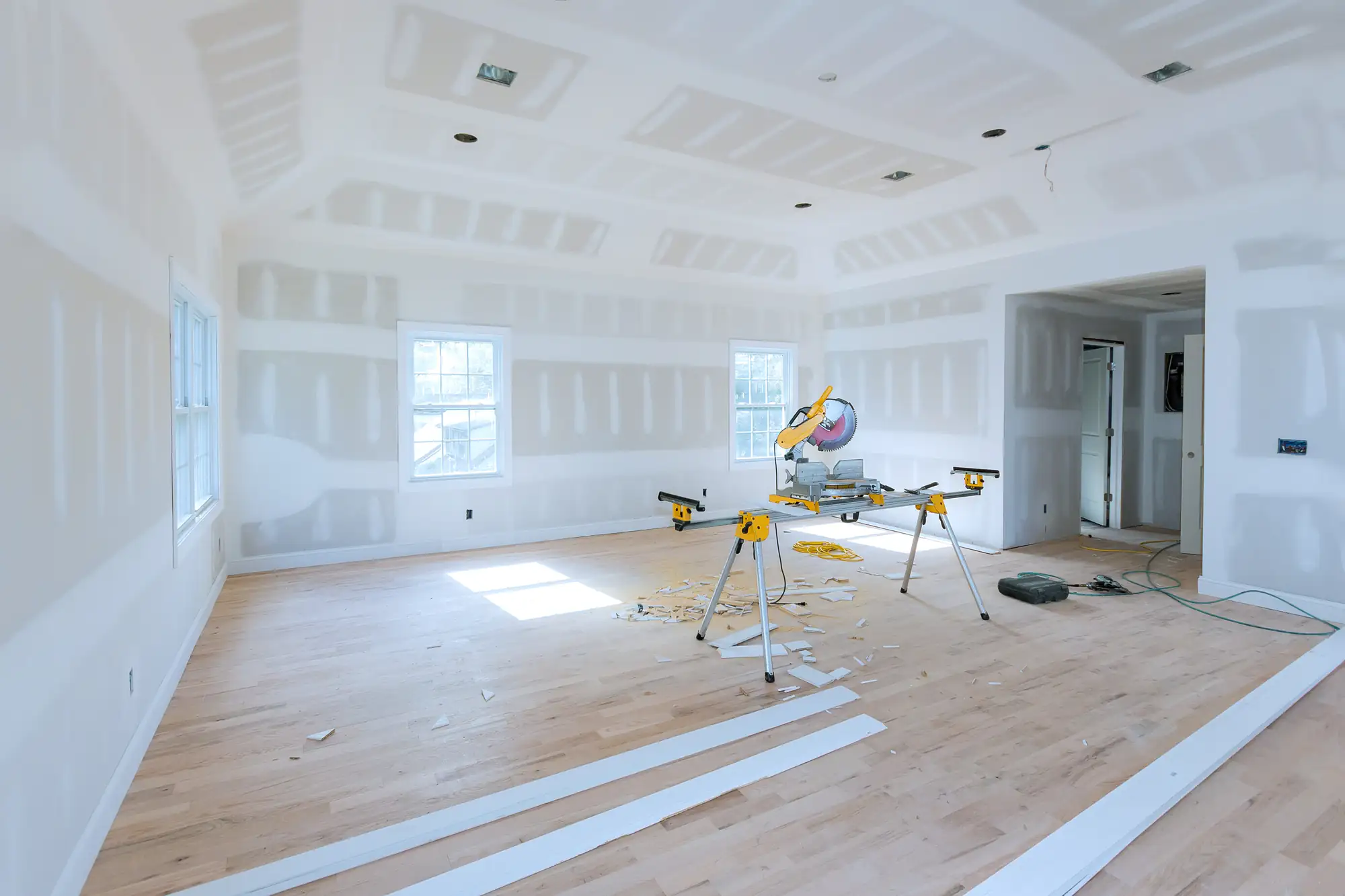
That’s what professional sheetrock installation looks like. No drama. No excuses. Just walls that are actually ready for whatever comes next—whether that’s paint, wallpaper, or selling your house without worrying about what a home inspector might flag.
We’ve spent almost 10 years working on homes throughout Medford and Suffolk County. We’ve seen what happens when basements settle, when coastal humidity works its way into bathroom walls, and when temperature swings in attics create stress cracks that homeowners assume are normal.
They’re not normal. They’re fixable.
We handle sheetrock the way it should be handled—with the right materials for Long Island’s climate, the right techniques to avoid future problems, and the kind of transparency that means you know what’s happening and why. No hidden costs. No upselling you on work you don’t need.
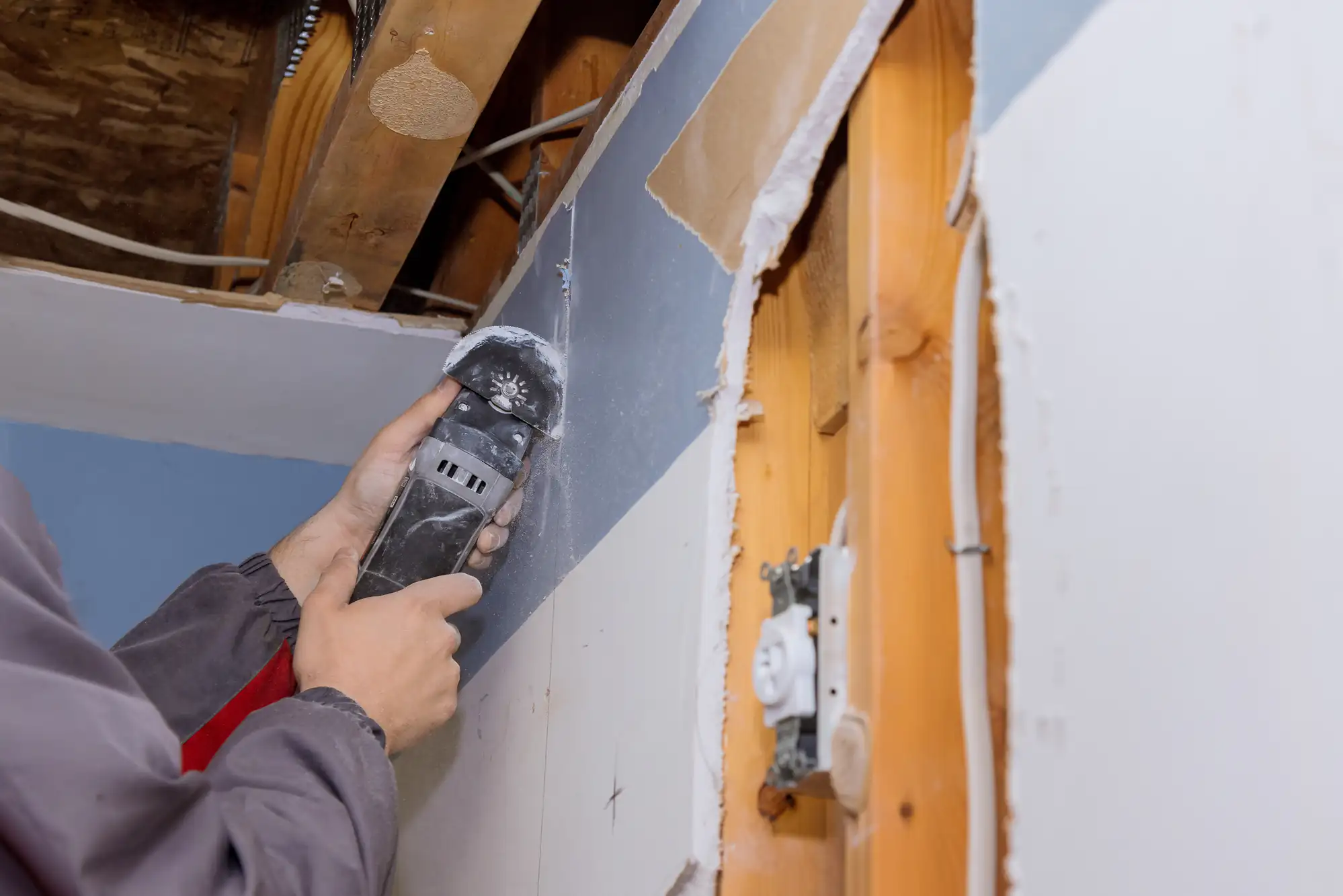
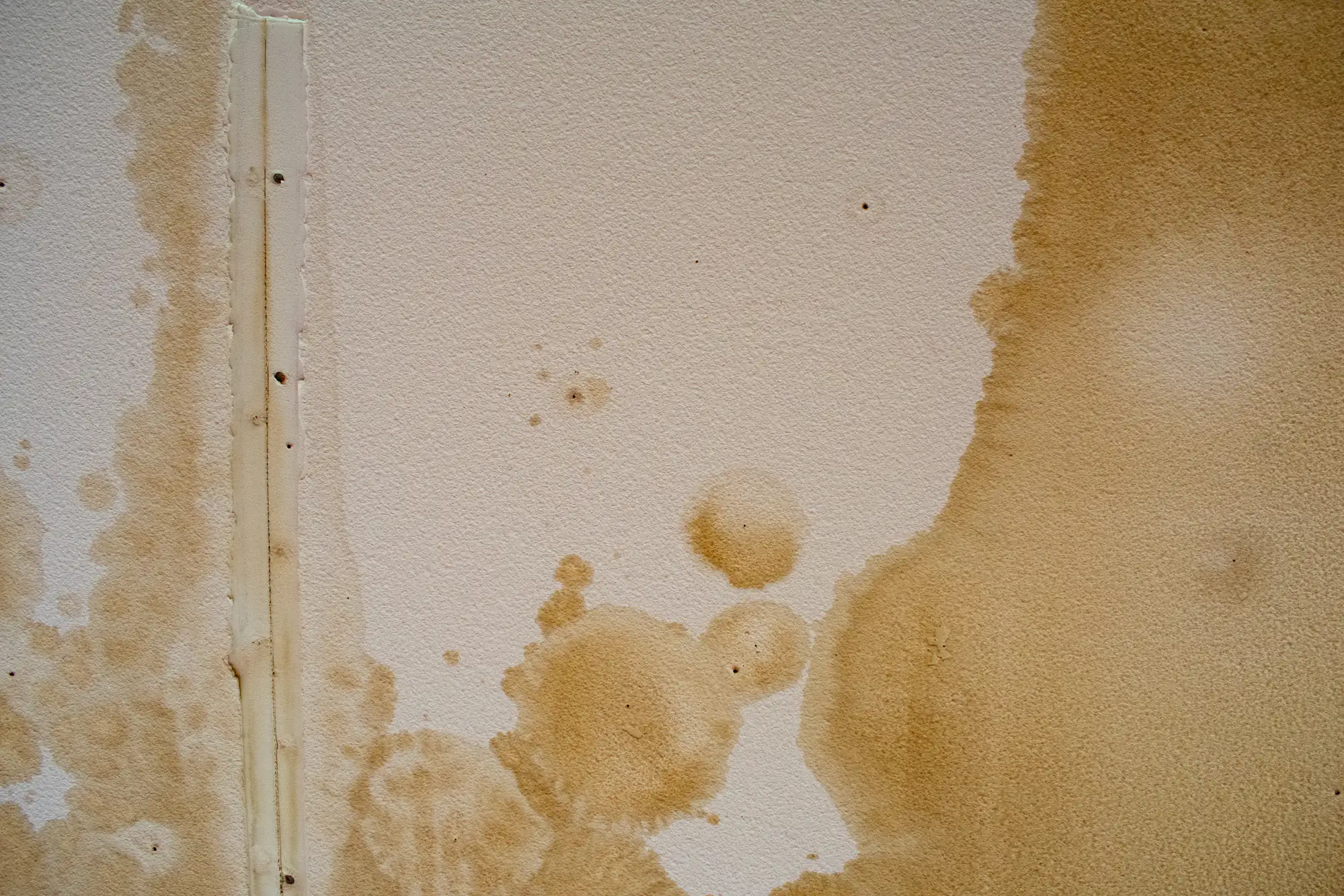
First, we assess what you’re dealing with. If it’s water damage, we’re looking for the source—not just covering up the symptom. If it’s new installation, we’re measuring, planning material needs, and talking through timeline so you know what to expect.
Then comes the installation or repair work itself. We hang the sheets, tape the seams, and apply joint compound in layers—not all at once like some crews do when they’re rushing. Each layer dries properly before the next goes on.
After that, we sand it smooth. We use dustless equipment and drop cloths because your home isn’t a construction site—it’s where you live. The goal is a Level 4 or Level 5 finish depending on what your walls need, which means smooth enough that paint goes on evenly and nothing shows through.
You get walls that look finished. Not “good enough.” Finished.
Ready to get started?
You’re getting full project management from start to finish. That means material selection based on where the drywall is going—moisture-resistant board for bathrooms, mold-resistant options for basements, standard for everything else.
We handle the installation, taping, mudding, and sanding. If there’s water damage, we’re addressing the underlying issue before we patch anything. If your walls have texture, we match it. If you want smooth, we deliver smooth.
Medford homes deal with specific challenges—older houses with settling foundations, newer builds where the original work was done fast instead of right, and coastal properties where humidity accelerates wear. We’ve worked on enough Long Island homes to know what holds up and what doesn’t.
The work gets done efficiently. If you’re on a timeline, we can move faster without cutting corners—industrial fans, quick-setting compounds, and a crew that knows how to coordinate. If you’re not in a rush, we work at a pace that fits your schedule.
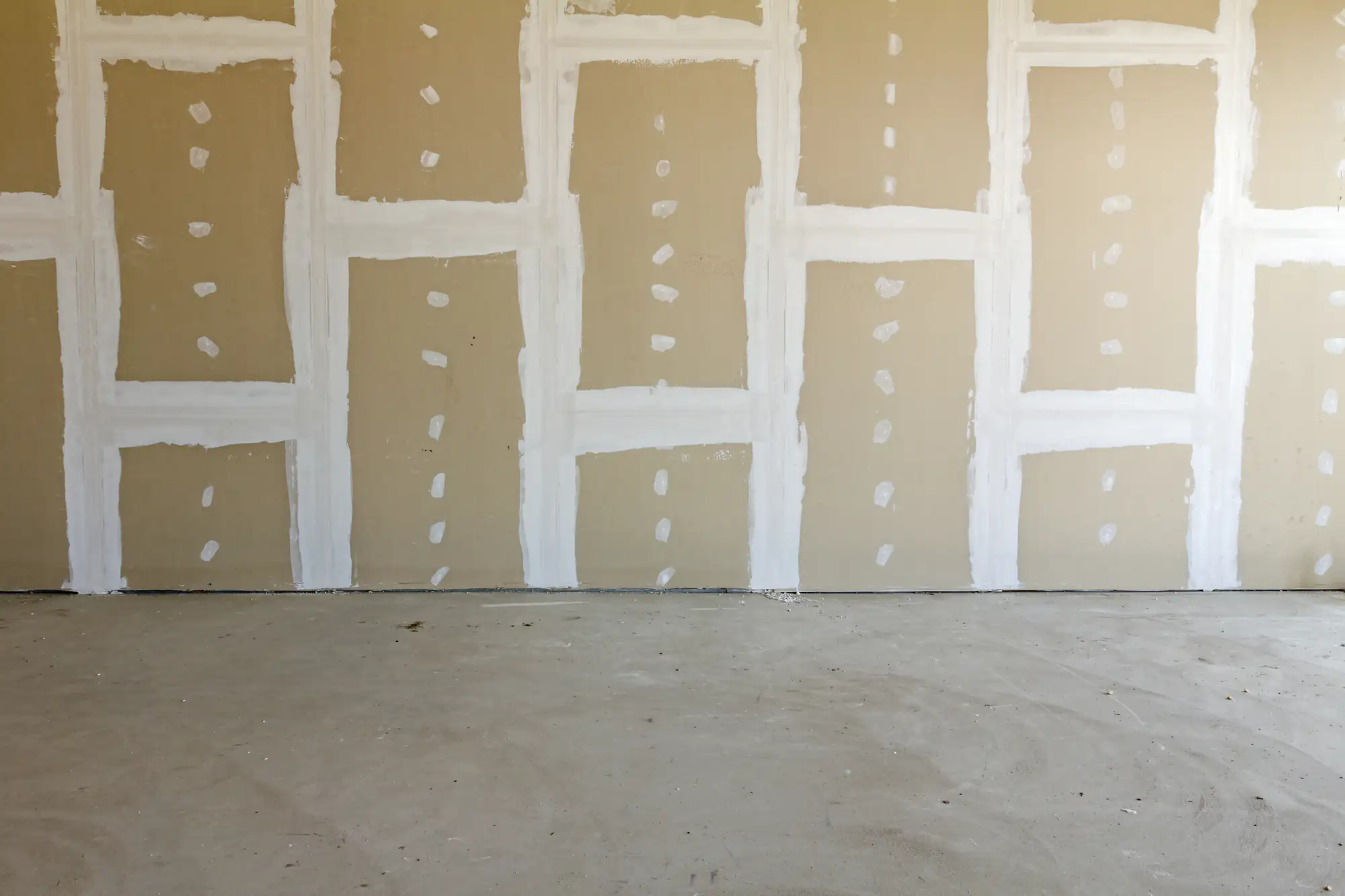
Small repairs—nail pops, minor cracks, holes under six inches—usually run between $100 and $300 depending on how many spots need attention and whether texture matching is involved.
Larger repairs get more expensive because they involve cutting out damaged sections, installing new drywall, taping, mudding, sanding, and finishing to match the surrounding wall. Expect $300 to $800 or more for significant damage, especially if there’s water involvement that requires mold remediation or structural drying first.
If you’re looking at whole rooms or multiple walls, pricing shifts to a per-square-foot model. Installation typically ranges from $2.25 to $2.65 per square foot depending on ceiling height, access, and finish level. A 12×12 room might cost $1,200 to $1,800 for full drywall replacement including materials and labor.
Level 4 is the standard finish for most residential projects. It means the drywall has been taped, mudded, and sanded smooth enough that flat or eggshell paint will look good under normal lighting. You won’t see seams or imperfections unless you’re specifically looking for them with harsh side lighting.
Level 5 is what you want if you’re using flat paint, high-gloss finishes, or if the walls will be under strong lighting that shows every imperfection. It involves an additional skim coat of joint compound over the entire surface—not just the seams—to create a perfectly uniform texture. It costs more and takes longer, but it’s the difference between “looks good” and “looks flawless.”
Most Medford homeowners go with Level 4 unless they’re doing a high-end renovation or selling a house where every detail matters. If you’re unsure which you need, we’ll look at your lighting and paint plans and give you an honest recommendation.
Yes, but it depends on what texture you have. Orange peel and knockdown are the most common, and we can match those without much trouble. Older homes sometimes have hand-troweled or heavily stippled textures that take more time to replicate, but it’s doable.
The key is getting the mix consistency and application technique right so the new section blends with the old. If your texture has aged or been painted over multiple times, we might need to do a test patch first to dial in the exact look.
Popcorn ceiling texture is a different situation. If you’re repairing a popcorn ceiling, we can match it, but most homeowners use that repair as an opportunity to scrape the popcorn off entirely and go with a smooth or lightly textured finish instead. It’s more work upfront but eliminates the ongoing maintenance headache.
Small repairs—a few holes or cracks—can be done in a day, but you’re looking at multiple visits because joint compound needs to dry between coats. First visit is the patch and initial mud. Second visit is another coat and sanding. Third visit is final coat, final sand, and prime if that’s part of the scope.
Full room installations take longer. Hanging the drywall might take a day. Taping and first coat is another day. Second and third coats happen over the next few days with drying time in between. Sanding and cleanup is the final step. A typical bedroom might take four to six days from start to finish, but not consecutive days—it’s spread out to allow proper drying.
If you’re on a tight deadline, we can speed things up using quick-setting compounds and industrial fans, but we won’t compromise the finish quality to hit an arbitrary date. Rushing drywall work is how you end up with cracks and callbacks six months later.
For bathrooms, yes—especially around tubs, showers, and anywhere steam is a regular thing. Moisture-resistant drywall (often called green board) has a water-resistant coating that holds up better than standard drywall when humidity is high. It’s not waterproof, but it buys you time and reduces the chance of mold growth behind the walls.
Basements are trickier. If your basement stays dry and has good ventilation, standard drywall is usually fine. But if you’ve had water issues, high humidity, or you’re in an older Medford home where basements tend to be damp, moisture-resistant or mold-resistant drywall is worth the extra cost.
Long Island basements deal with groundwater, humidity from being below grade, and occasional flooding depending on the neighborhood. We’ve seen too many basements where standard drywall failed within a few years because the conditions weren’t right. Spending a bit more upfront on the right materials saves you from tearing it all out and starting over later.
Cracks happen for a few reasons. Foundation settling is common in older homes—the house shifts slightly over time and the drywall can’t flex with it, so it cracks along seams or at stress points like door frames. Temperature swings cause expansion and contraction, especially in attics or rooms with poor insulation. Poor installation—rushed taping, not enough coats of mud, or using the wrong fasteners—will show up as cracks within the first year.
Fixing them permanently means addressing the cause, not just filling the crack. If it’s settling, we use mesh tape and flexible joint compound that can handle minor movement. If it’s a structural issue, that needs to be solved first or the crack will just come back.
For temperature-related cracks, we look at whether better insulation or ventilation would help, and we use materials that can handle the expansion and contraction. For installation-related cracks, we cut out the bad work, re-tape properly, and finish it the way it should have been done originally. A proper repair shouldn’t crack again unless something else in the house changes.