
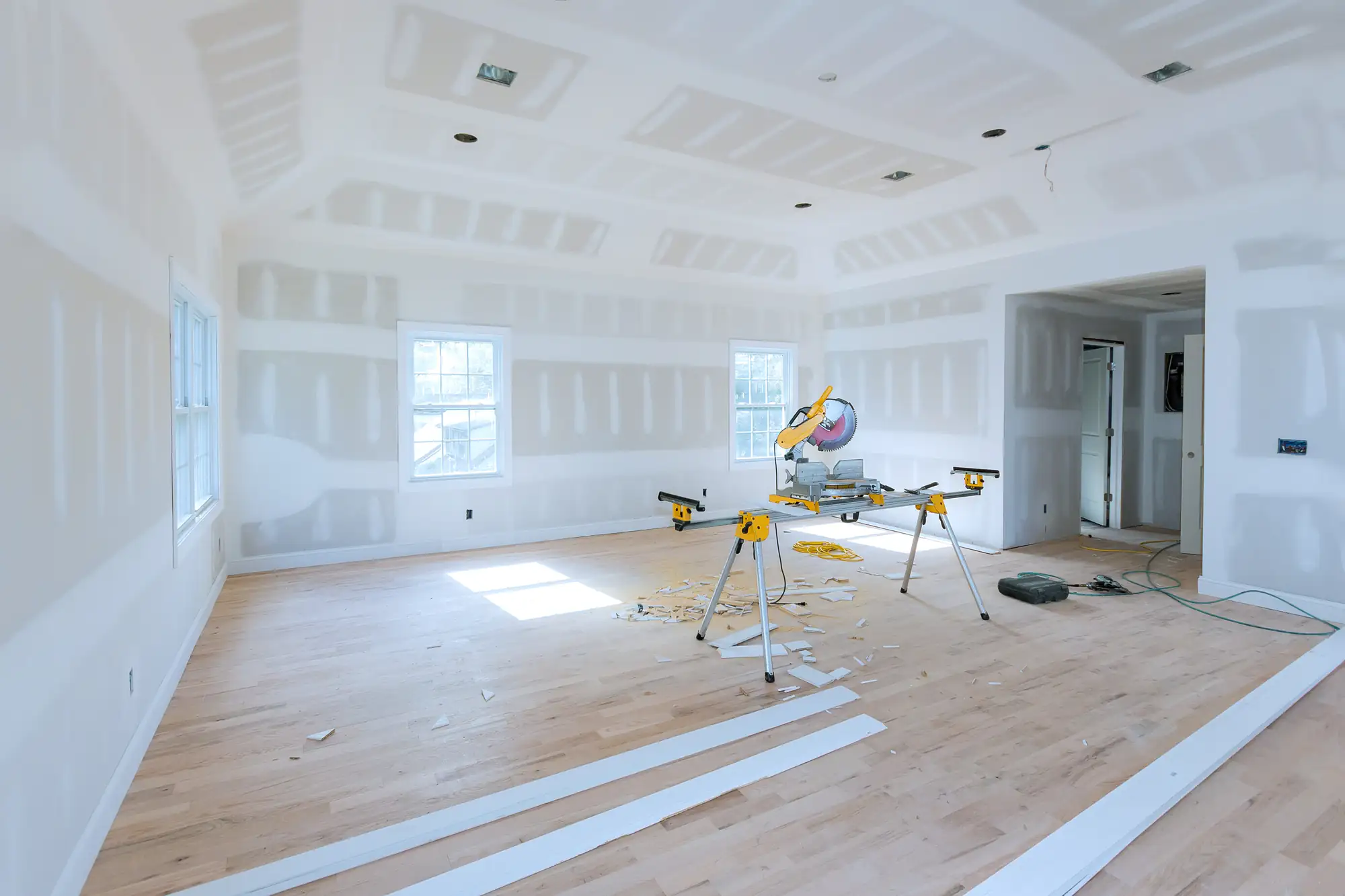
Hear from Our Customers
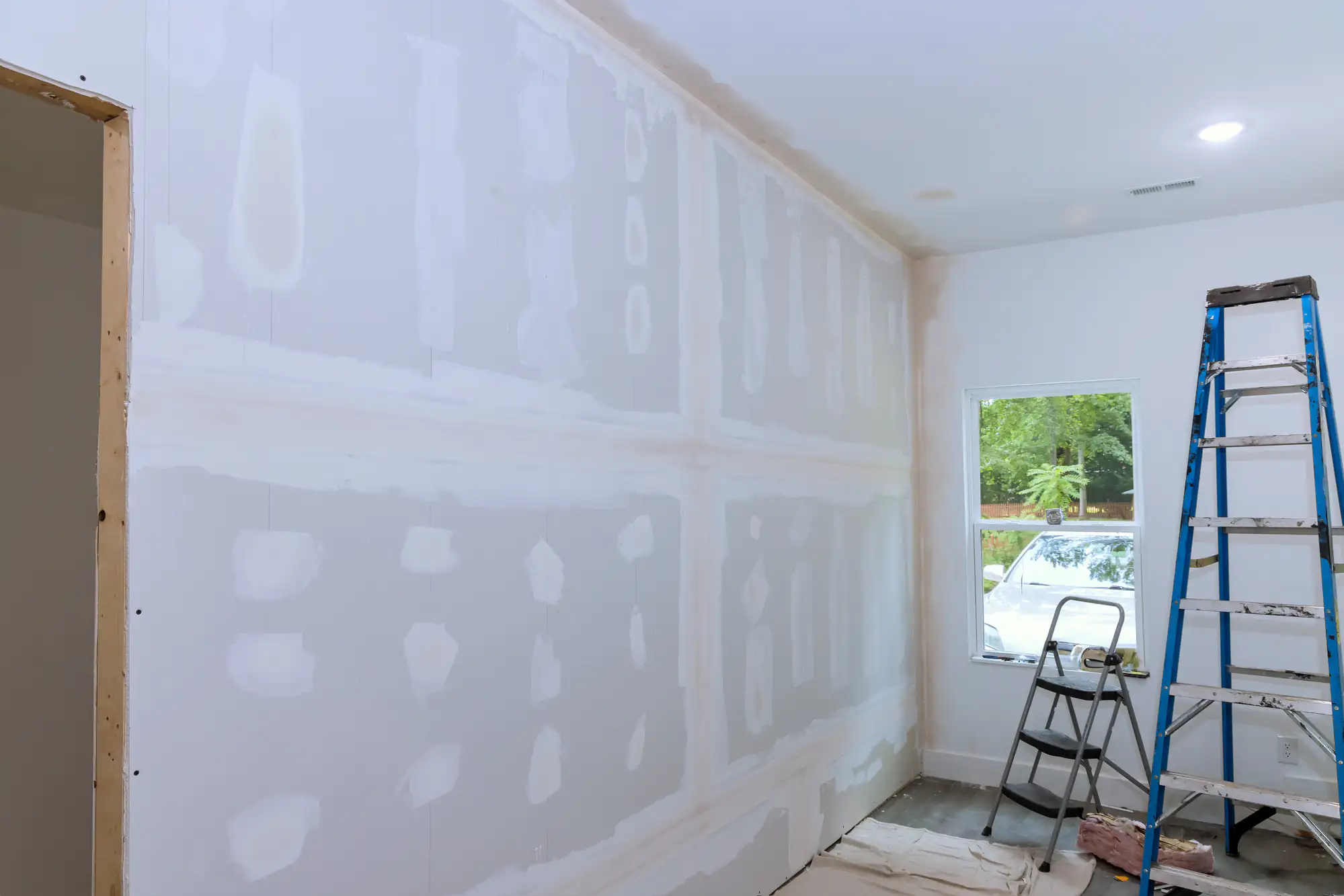
You’re looking at cracked seams, uneven patches, or bare studs that need covering. Maybe you’ve already dealt with a contractor who left dust everywhere and disappeared halfway through. That’s not how we work.
When sheetrock goes up correctly, you don’t think about it again. Seams stay tight. Corners stay sharp. The finish holds paint without bubbling or cracking six months later.
You get walls that look clean now and stay that way. No callbacks for touch-ups. No excuses about why the job took twice as long as quoted. Just professional drywall installation that matches what we promised—done by someone who’s been doing this in North Patchogue for nearly ten years and knows exactly what your home needs.
We’ve been handling interior work across Suffolk County since 2016. That’s nearly ten years of sheetrock repair, installation, taping, and finishing in homes just like yours—Cape Cods, ranch-styles, and colonials built anywhere from the 1920s to last year.
North Patchogue homeowners deal with specific challenges. Older homes with settling foundations. Additions that don’t quite match the original construction. Basements that finally need finishing. We’ve seen it all, and we know how to handle it without creating new problems.
You’re not getting a sales pitch or a bait-and-switch estimate. You’re getting transparent communication, licensed and insured work, and someone who shows up when they say they will. That’s how we’ve built our reputation here—one job at a time, without the nonsense.
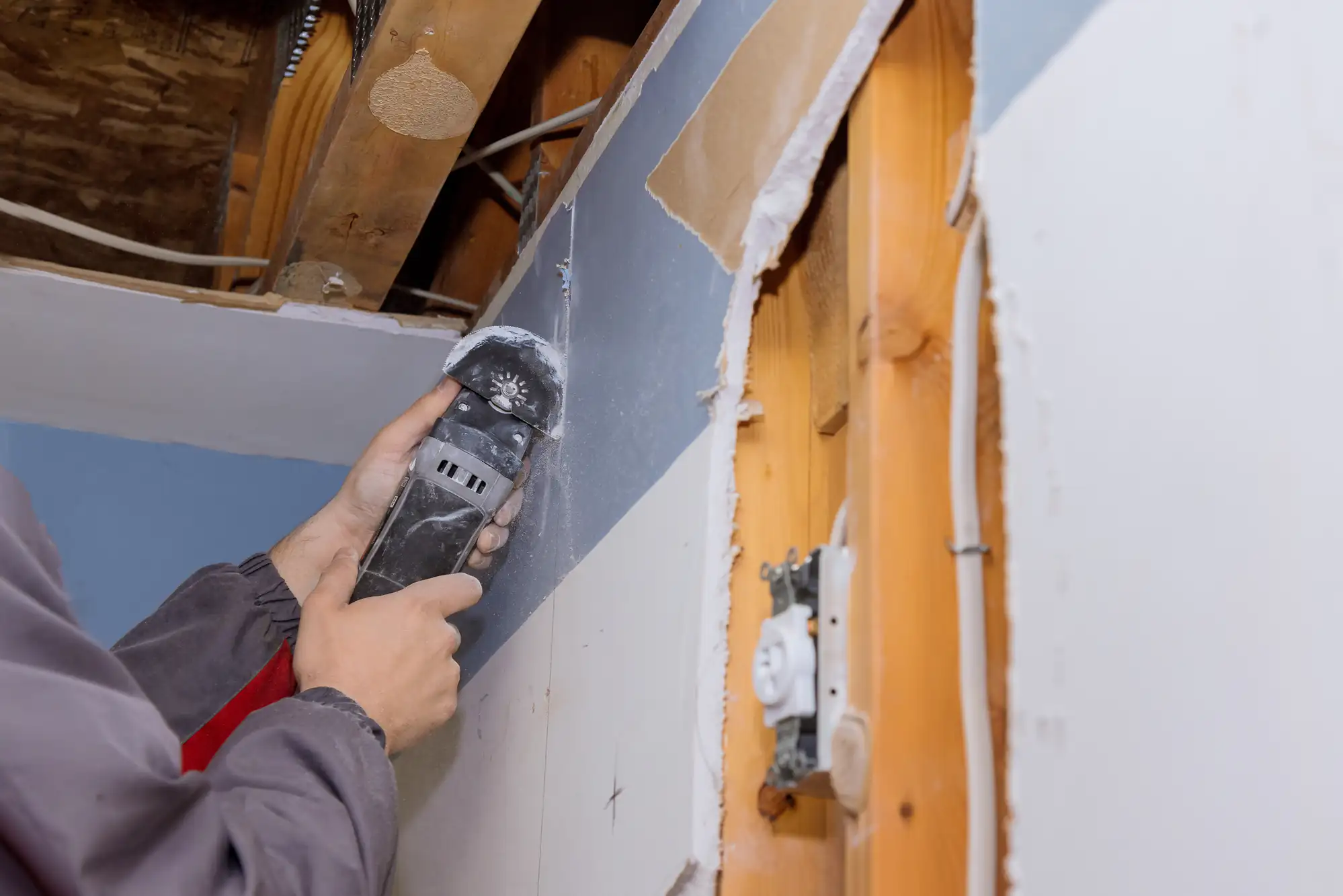
First, we look at what you’re dealing with. New construction, repair work, water damage, renovation—it all starts with understanding the scope. You get a clear estimate based on square footage, materials needed, and realistic labor time. No padding, no “we’ll figure it out later.”
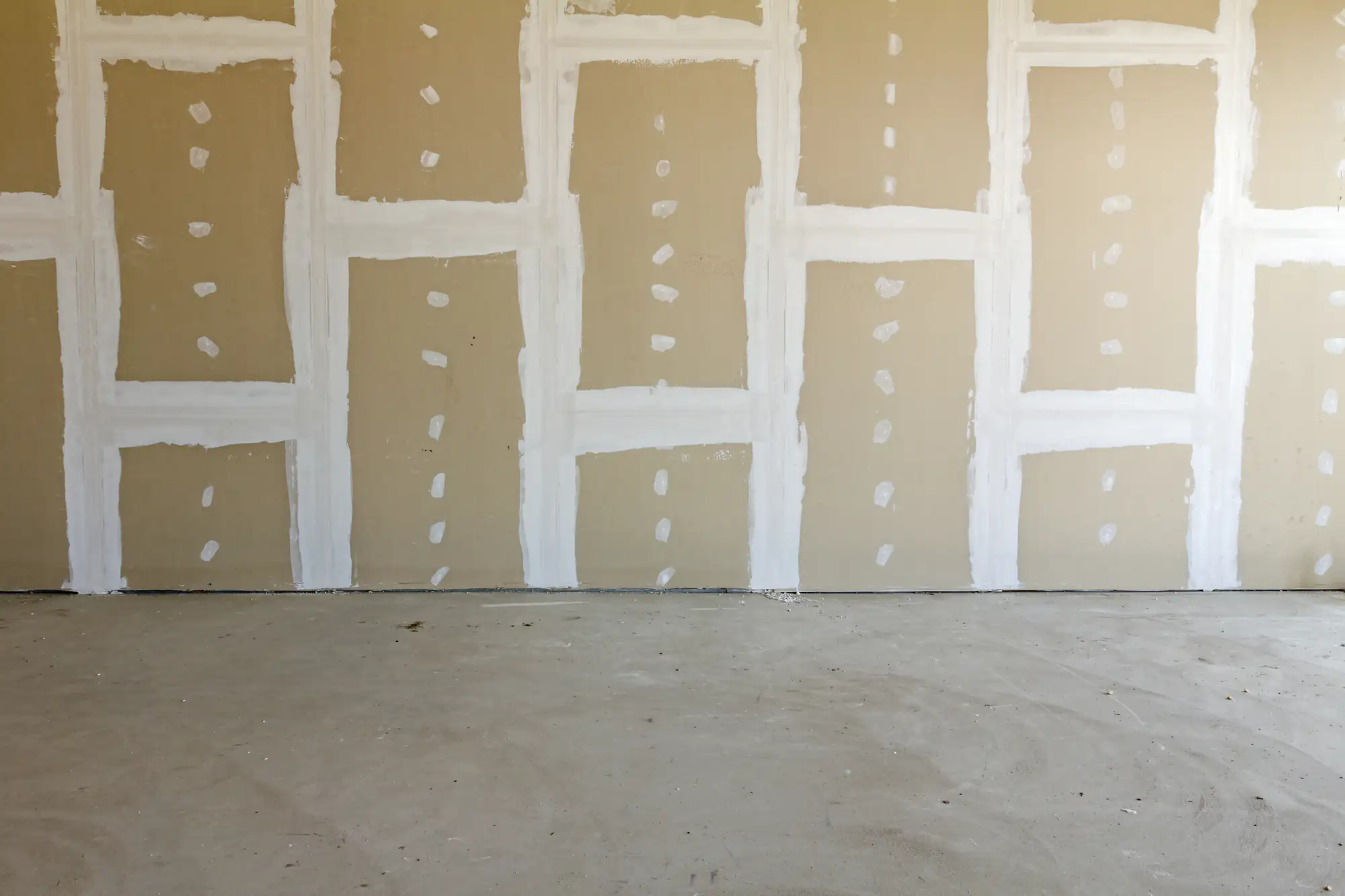
Once you’re ready to move forward, we schedule around your life. Materials show up on time. Sheetrock goes up with proper fastening every 12 inches on studs, 16 on ceilings. Seams get taped with quality compound, not whatever’s cheapest. Each coat dries completely before the next goes on.
Finishing means sanding smooth without leaving your house looking like a dust storm hit it. Corners get finished clean. Edges stay crisp. You’re left with walls ready for primer and paint—or whatever finish you’re planning. We clean the job site daily, and you’re not left with a dumpster of scraps in your driveway for three weeks.
Ready to get started?
You’re getting full-service drywall work. That means hanging sheets, taping seams, applying joint compound, sanding, and finishing to your spec. Whether you need standard half-inch sheets for most rooms, five-eighths for ceilings and fire-rated areas, or moisture-resistant boards for bathrooms and basements.
North Patchogue’s housing stock runs older than average—many homes date back to the early 1900s. That means we’re often working with plaster repairs, outdated framing, or rooms that aren’t perfectly square. Standard sheetrock techniques don’t always cut it. You need someone who knows how to shim, adjust, and make new work blend with old construction without tearing apart more than necessary.
Material costs in Suffolk County currently run between $1.50 and $3.50 per square foot depending on board type and job complexity. Labor makes up the bulk of your investment—usually 50 to 70 percent of total cost. That’s why quality matters. Cheap installation means you’re paying twice: once now, once again in two years when everything needs redoing. We use professional-grade materials, proper techniques, and we don’t cut corners to shave an hour off the schedule.
Most residential sheetrock installation in North Patchogue runs between $2.26 and $2.69 per square foot for standard work. That’s the baseline for half-inch drywall in average conditions—new construction or straightforward repairs in rooms with normal ceiling heights and no major complications.
Your actual cost depends on several factors. Ceiling work costs more than walls because it’s harder to install and finish. Moisture-resistant or mold-resistant boards add 5 to 8 percent to material costs. Older homes with plaster, uneven framing, or previous repairs that need correcting take more time and skill. Complex layouts with angles, curves, or custom details increase labor.
A typical 12×12 bedroom with 8-foot ceilings involves roughly 384 square feet of surface area including walls and ceiling. At average rates, you’re looking at around $870 to $1,030 for complete installation and finishing. Smaller patch jobs or repairs get quoted differently—usually by the hour or as a flat project rate depending on scope.
Repair makes sense when damage is localized. Small holes from doorknobs, anchors, or minor impacts. Cracks along seams from settling. Water stains where the leak’s been fixed and the board itself isn’t compromised. These get patched, taped, compounded, and blended into the surrounding wall.
Replacement becomes necessary when the drywall itself is damaged beyond surface level. Water damage that’s soaked through and weakened the gypsum core. Large holes or structural damage from impacts. Mold growth behind or within the board. Extensive cracking that indicates bigger framing issues. In these cases, cutting out the damaged section and installing new sheetrock is faster and more reliable than trying to salvage what’s there.
The decision comes down to integrity. If the board is still solid and the damage is cosmetic, repair saves you money and time. If the structural integrity is compromised, replacement prevents future problems. We’ll tell you which one you actually need—not which one costs more.
A single room takes two to four days depending on size and complexity. Day one is hanging sheets and first-pass taping. Day two is second coat of compound after the first has dried. Day three is final coat and detail work. Day four is sanding and cleanup. That’s for a standard bedroom or living room with no complications.
Larger projects stretch longer. A full basement might take a week to ten days. Whole-house work during a renovation could run two to three weeks depending on square footage and how many rooms we’re working simultaneously. Each coat of joint compound needs 12 to 24 hours to dry properly before the next step. Rushing that process leads to cracking and poor adhesion.
Weather affects timing more than people realize. High humidity slows drying. Cold temperatures do the same. North Patchogue winters mean we sometimes need to adjust schedules or use climate control to keep conditions right for proper curing. You’ll get a realistic timeline upfront based on the actual work involved—not an optimistic guess designed to win the bid.
Yes, but our focus is residential. Most of our work happens in Suffolk County homes—renovations, additions, basement finishing, repair work after water damage or settling. That’s where nearly a decade of our experience is concentrated, and that’s what we know inside and out.
Commercial drywall installation follows different codes, timelines, and requirements. Office build-outs, retail spaces, and commercial renovations involve fire ratings, sound control, and specifications that residential work doesn’t always require. We handle smaller commercial projects—local businesses, small office spaces, retail updates—where the scope aligns with our expertise and equipment.
If you’re a homeowner in North Patchogue dealing with anything from a single room to a whole-house renovation, that’s our wheelhouse. If you’re managing a large commercial project with union requirements and strict commercial codes, you might need a contractor who specializes exclusively in that space.
Bathrooms need moisture-resistant drywall—the stuff with a green or purple paper face. Regular sheetrock absorbs water from shower steam and eventually breaks down. Moisture-resistant boards have a treated core that resists mold growth and holds up better in high-humidity spaces. You’re looking at about 5 to 8 percent more in material cost, but it’s not optional if you want walls that last.
Basements are trickier. If your basement stays dry year-round with good drainage and no history of water issues, standard or moisture-resistant drywall works fine. If you’ve ever had water seepage, flooding, or persistent dampness, you need mold-resistant boards or even cement board in high-risk areas. Many North Patchogue homes sit on older foundations with varying water management. Skipping the right materials to save fifty bucks now means ripping out moldy drywall in three years.
Ceilings throughout the house should use five-eighths-inch sheets instead of half-inch. The extra thickness resists sagging and provides better fire rating between floors. It costs slightly more and weighs more to install, but it’s the right way to do it—especially in older homes where ceiling joists might be spaced wider than modern standards.
Cracks that keep coming back after repair usually mean something’s moving. Foundation settling, roof issues causing flex, or framing that wasn’t adequate to begin with. One-time cracks from a house settling into place are normal. Cracks that reappear in the same spot every six months mean you’re treating symptoms, not causes.
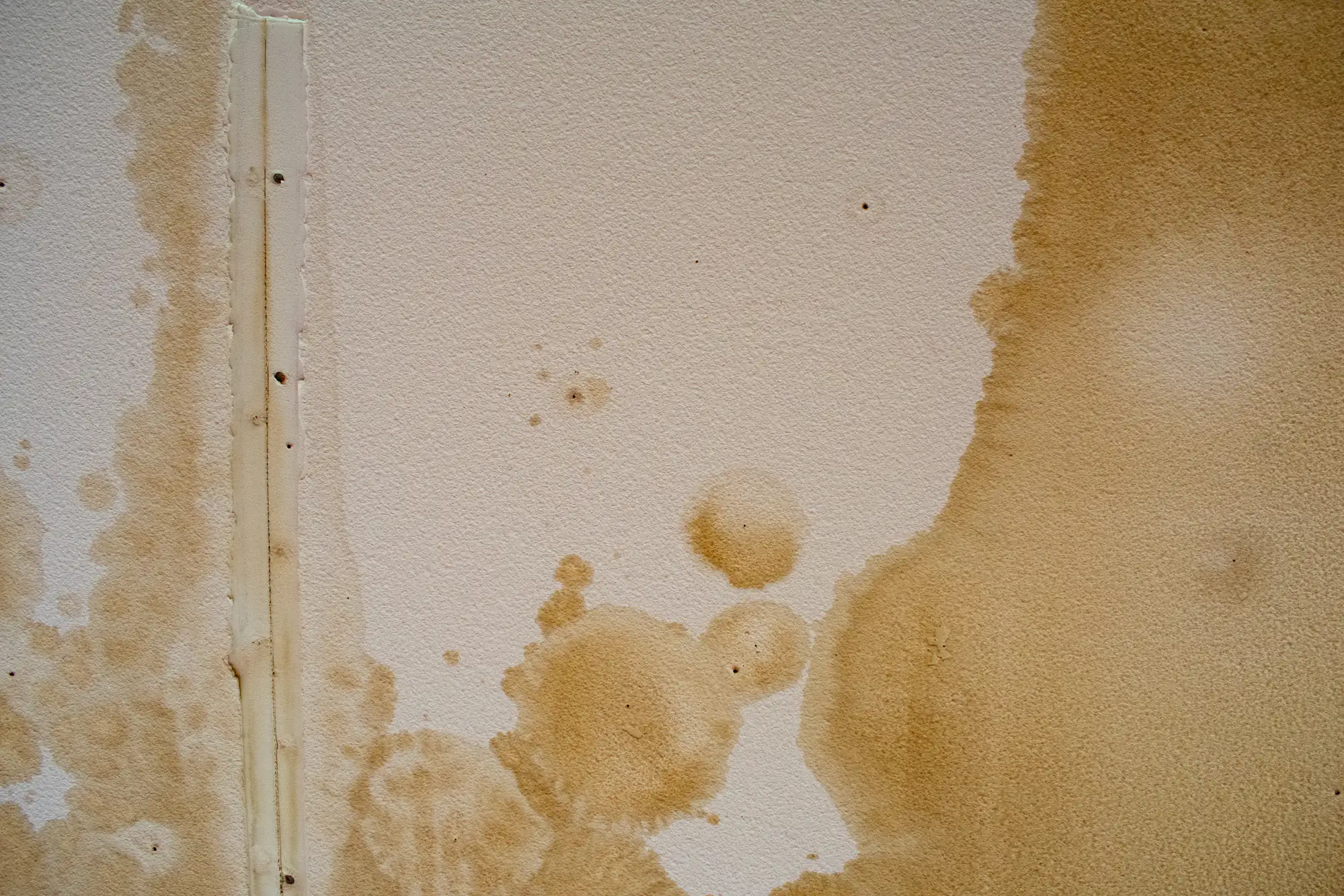
Water stains are always a red flag. Even if the drywall looks okay, water damage weakens the gypsum core and creates conditions for mold. If you see staining, the first job is finding and fixing the leak—roof, plumbing, window, wherever it’s coming from. Only then does it make sense to replace the damaged section. Otherwise you’re just putting new drywall under an active leak.
Nail pops—those small bumps where fasteners push through the surface—happen in newer homes as lumber dries and shrinks. A few are cosmetic fixes. Dozens across multiple walls suggest improper installation or framing issues. Same with seams that crack along tape lines. One or two might be normal settling. A pattern of failing seams means either poor taping technique or movement in the structure. We spot the difference and tell you what you’re actually dealing with before quoting repair work that won’t hold.