
Hear from Our Customers
You’re not looking for the cheapest quote. You’re looking for walls that won’t crack in six months, seams that disappear, and a contractor who shows up when they say they will.
That’s what matters when you’re renovating a home in Port Jefferson—especially in a market where your property value sits around $675,000 and climbing. Bad drywall work shows. It affects resale, it affects how your paint looks, and it affects whether you’re calling someone back in a year to fix what should’ve been done right the first time.
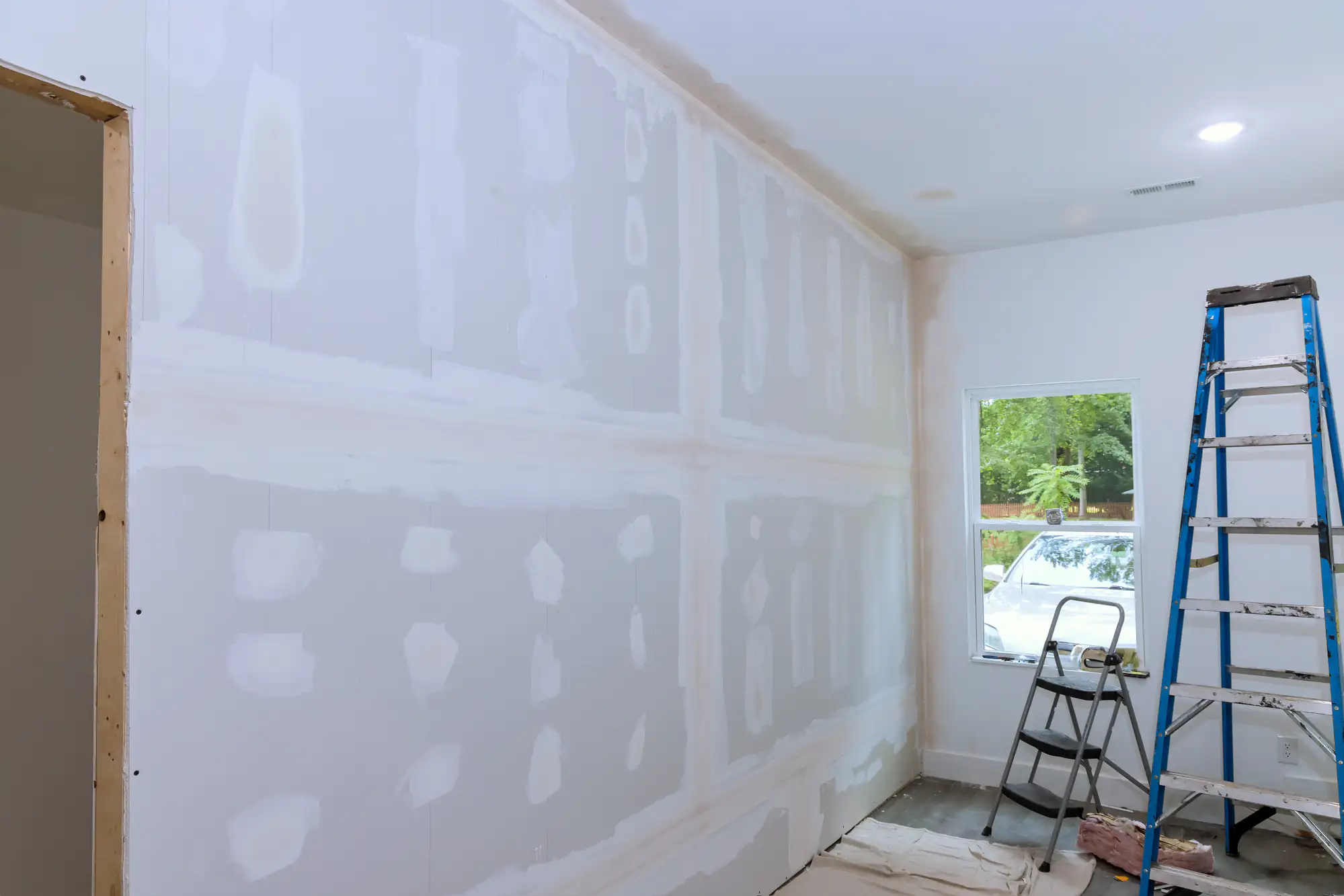
We handle sheetrock installation the way it’s supposed to be done. That means proper taping, multiple coats of compound, sanding between layers, and a final surface you can actually paint over without seeing every flaw. Whether you’re finishing a basement, opening up a kitchen wall, or repairing damage from a leak, the process doesn’t change—just the scope.
We’ve been doing interior renovations across Suffolk County for close to ten years. That’s long enough to know what Port Jefferson homeowners expect—and what they’re tired of dealing with.
You’ve probably gotten quotes that don’t match the final bill. Or hired someone who went quiet after the deposit cleared. Maybe you’ve had a contractor try to upsell you on work that wasn’t necessary, or worse—do subpar work and call it finished.
We don’t operate that way. Our approach is simple: show up on time, do the work right, communicate clearly, and charge what we quoted. No hidden fees. No pressure. Just honest craftsmanship and respect for your time and your home.
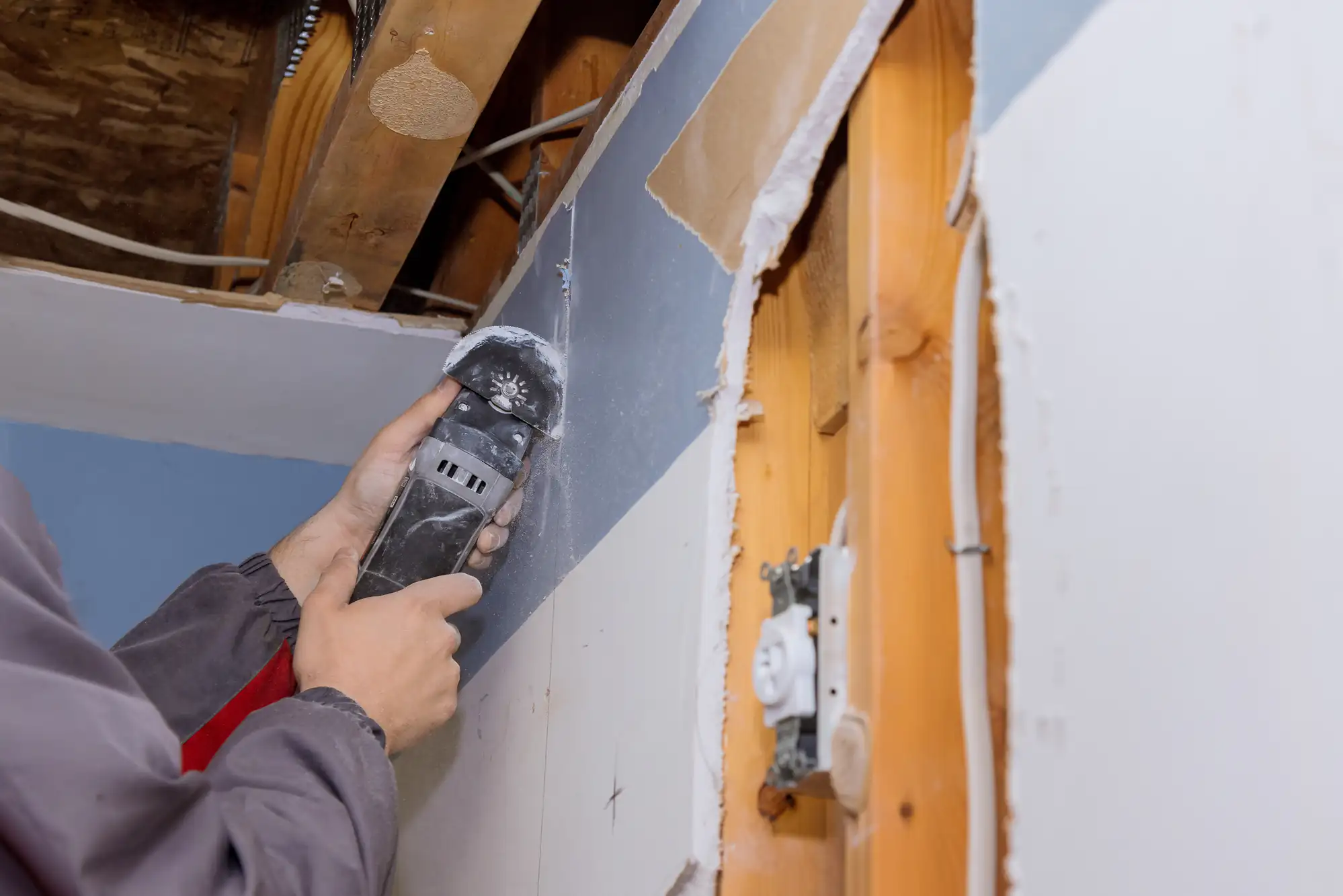
First, we come out and look at the job. You tell us what you need—new walls, ceiling repair, patching, full room installation—and we measure, assess the framing, and check for any issues that could cause problems later. If your studs are off or there’s moisture damage, we’ll tell you before we hang a single sheet.
Then we give you a clear estimate. Line-item pricing. No vague “labor” charges. You’ll know what the sheetrock costs, what the taping and finishing costs, and what the timeline looks like.
Once you’re ready to move forward, we schedule the work around your life—not ours. We hang the drywall, tape the seams, apply joint compound in stages, sand it smooth, and clean up daily. You’re not living in a dust storm for two weeks. The final step is a walkthrough where you see the finished walls before we consider the job done. If something’s not right, we fix it. That’s the standard.
Ready to get started?
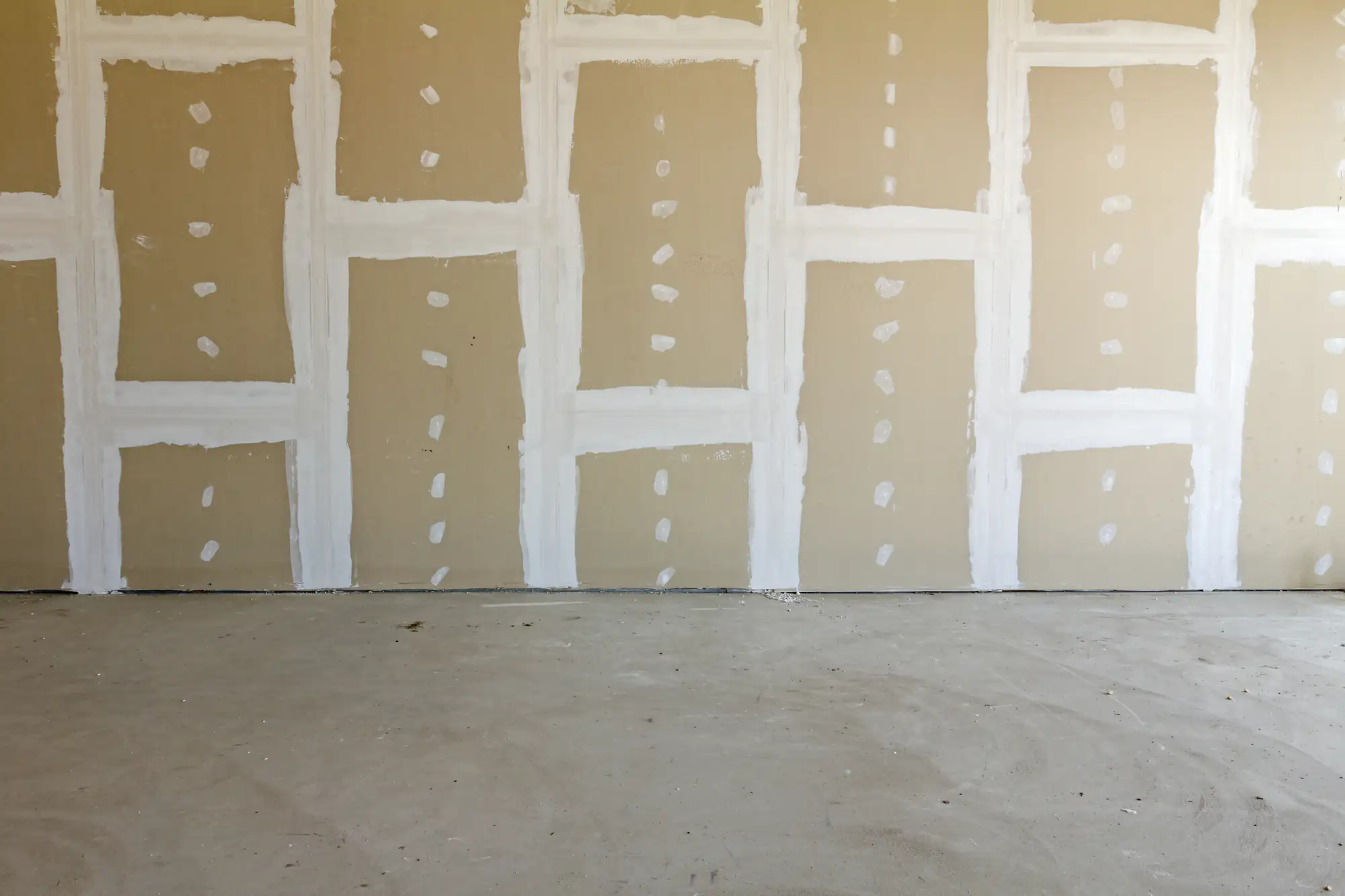
You get full-service drywall work. That means hanging sheets, taping seams with quality paper tape or mesh depending on the application, applying multiple coats of joint compound, sanding between coats, and finishing to a smooth surface ready for primer and paint.
We also handle repairs—whether that’s a small patch from a doorknob, water damage from a roof leak, or an entire wall that needs replacing after a kitchen remodel. In Port Jefferson, a lot of homes were built decades ago, and the bones are solid, but walls take a beating over time. Cracks settle in. Textures date themselves. Rooms get reconfigured. We work with what’s there and bring it up to current standards.
If you’re doing a larger renovation—basement finishing, adding a bedroom, opening up a floor plan—we coordinate with the rest of your project. Sheetrock doesn’t happen in a vacuum. Electrical, plumbing, and HVAC need to be roughed in first. We make sure the timing works and the install doesn’t hold up your other trades. It’s a small thing that makes a big difference when you’re trying to get back into your space.
It depends on the size of the job, the condition of the framing, and how much prep work is involved. A small repair might run a few hundred dollars. A full basement or room addition could be several thousand.
What drives the cost is labor and material quality. Cheap drywall cracks easier. Rushed taping shows through paint. If you want it done right, you’re paying for skill, not just speed.
We give you a detailed estimate upfront so there’s no confusion. You’ll see what the materials cost, what the labor costs, and what the timeline is. No surprises when the bill comes.
A single room might take two to three days depending on size and complexity. Larger projects—like finishing a whole basement or multiple rooms—can take a week or more.
The timeline isn’t just about hanging sheets. Taping and finishing take time because each coat of joint compound needs to dry before you sand and apply the next layer. Rushing that process gives you visible seams and an uneven surface.
We’ll give you a realistic schedule during the estimate. If something changes—weather delays a material delivery, another trade runs behind—we’ll let you know immediately. You won’t be left guessing when we’re coming back.
Yes. If you’re patching a section of wall and the rest of the room has a knockdown or orange peel texture, we can match it so the repair blends in. If you want smooth walls throughout, we finish to a Level 5, which is the highest standard for drywall and gives you a completely flat surface.
Smooth finishes take more time because every imperfection shows under paint and lighting. It requires additional skim coats and careful sanding. But if that’s the look you want—and a lot of Port Jefferson homeowners prefer it for a clean, modern aesthetic—we’ll deliver it.
Texture matching is more art than science. We test the pattern on scrap board first to make sure it’s right before we apply it to your wall. That way you’re not stuck with a patch that stands out every time you walk by.
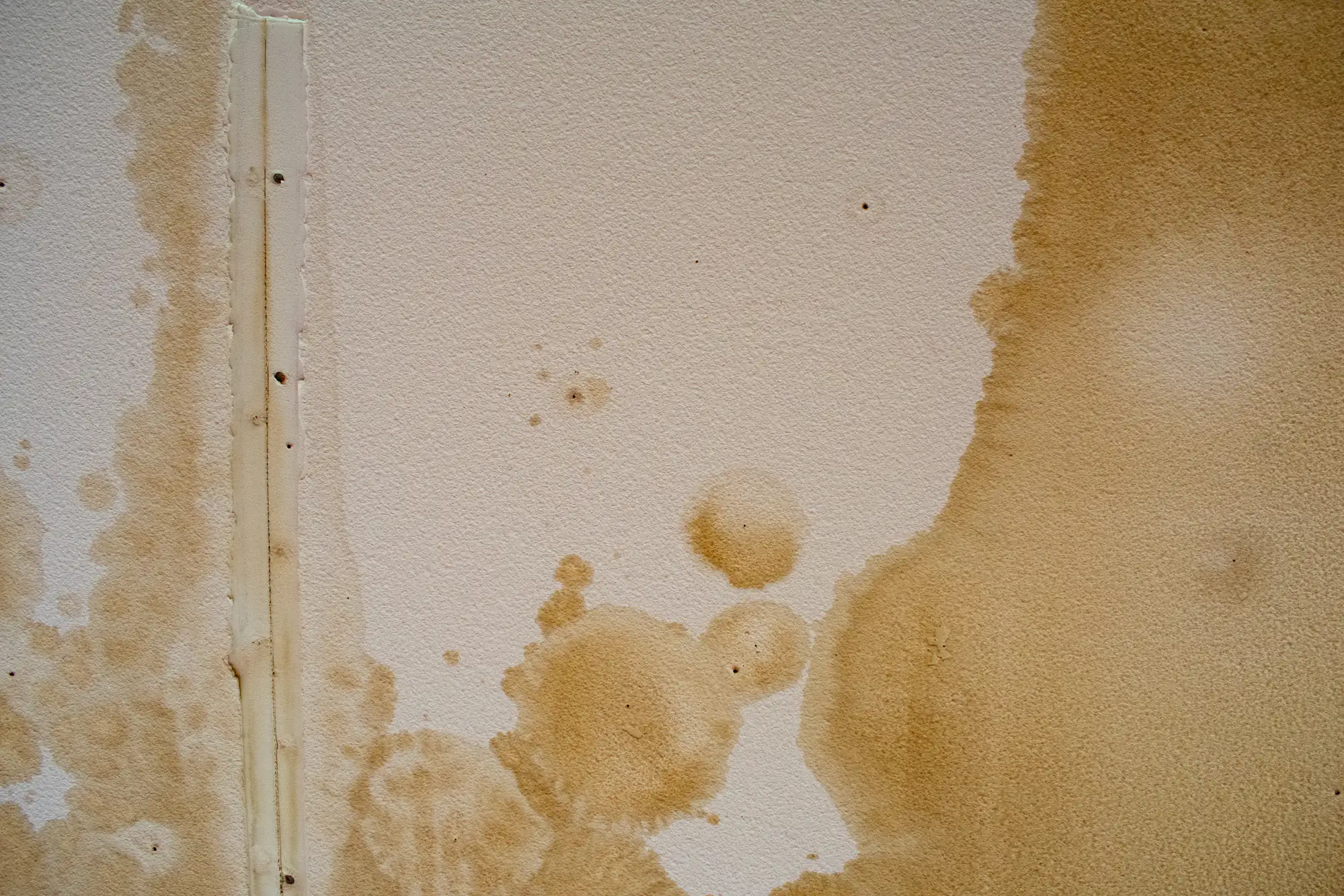
Absolutely. Water damage is common in older homes, especially after a roof leak or plumbing issue. The first step is making sure the source of the moisture is fixed—we’re not covering up active leaks. Once it’s dry, we cut out the damaged section, replace it with new drywall, and finish it to match the surrounding wall.
For holes—whether it’s from moving furniture, doorknobs, or removing old fixtures—we assess the size and location. Small holes get patched with compound and mesh. Larger holes need a backer board or a new piece of drywall cut to fit.
The goal is to make it disappear. You shouldn’t be able to tell where the repair was once it’s painted. That takes proper prep, the right materials, and enough coats to build a seamless surface. We don’t skip steps to save time.
It depends on the scope of the project. If you’re just patching a wall or replacing a damaged section, you typically don’t need a permit. But if you’re adding new walls, finishing a basement, or doing structural work that involves framing, you probably do.
Suffolk County has specific building codes, and Port Jefferson enforces them. Permits aren’t just red tape—they ensure the work is done safely and up to code, which protects your home value and keeps you clear during a future sale or inspection.
We’ll let you know during the estimate if your project requires a permit. If it does, we can walk you through the process or handle the filing depending on what you prefer. Either way, you won’t be surprised by a stop-work order or a failed inspection because something wasn’t documented properly.
Nothing. Sheetrock is a brand name that became the common term, like Kleenex for tissues. Drywall, gypsum board, wallboard—they all refer to the same material. It’s panels made from gypsum plaster pressed between two sheets of heavy paper.
There are different types depending on the application. Standard drywall works for most interior walls. Moisture-resistant (green board) or mold-resistant (purple board) is better for bathrooms, basements, or areas with higher humidity. Fire-rated drywall is required in certain locations like garages or between units in multi-family buildings.
We use the right type for the job. It’s not about upselling you on premium materials you don’t need—it’s about making sure what we install performs the way it should for the next decade. That’s the difference between a patch job and a professional install.