
Hear from Our Customers
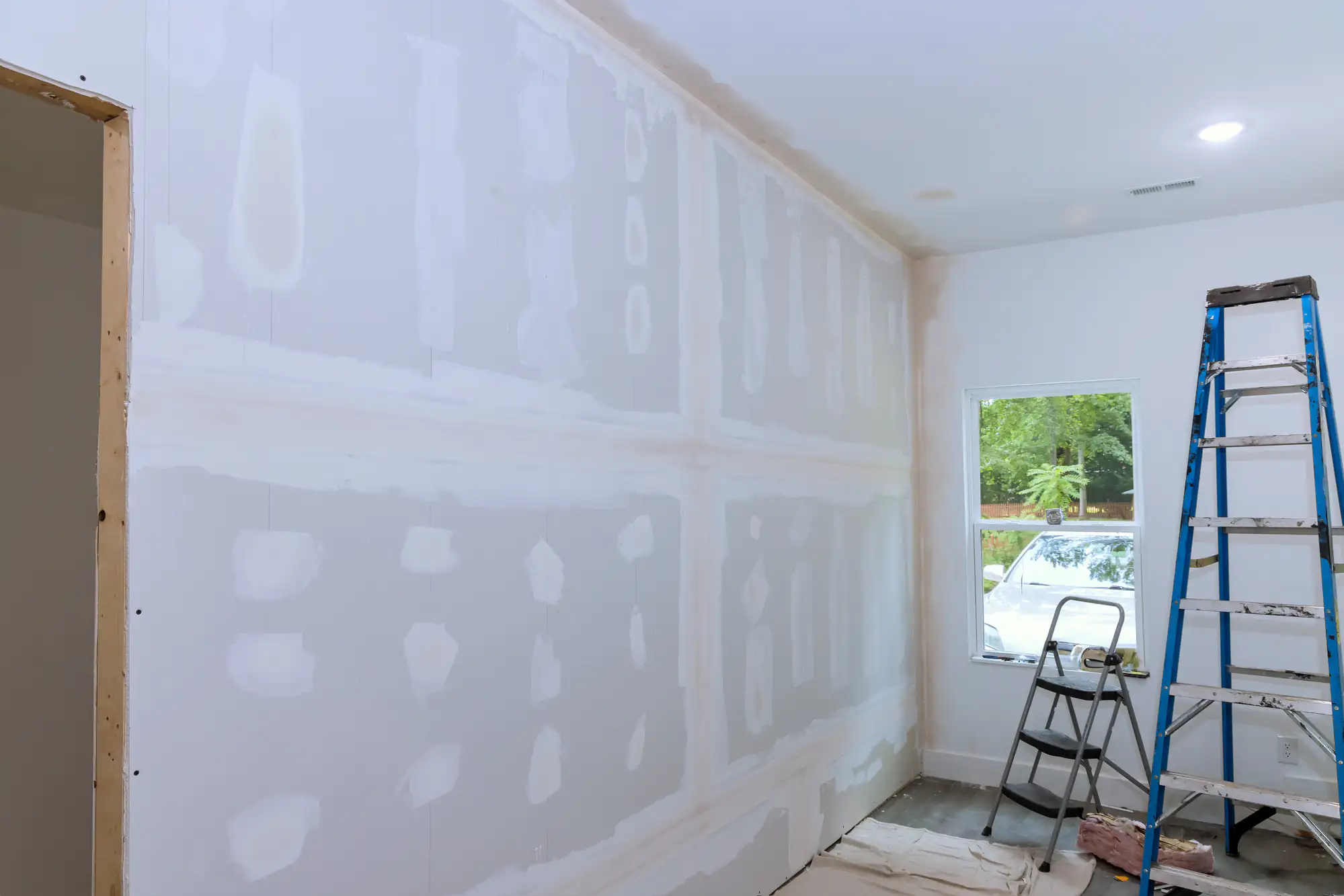
You get walls ready for paint. Not almost ready—actually ready. No visible seams, no rough patches you’ll notice every time you walk past, no callbacks to fix what should’ve been done right the first time.
Your floors stay protected. Drop cloths go down before we start, and vacuum sanders keep the dust where it belongs—in the machine, not coating your furniture. When we pack up, your space looks like a crew that cared just left, not like a demolition zone.
The timeline we give you is the timeline that happens. If we say three days, we’re not showing up on day five with excuses. You’ve got enough to manage without wondering when your contractor’s actually coming back.
And the price we quote is what you pay. No “unforeseen complications” that magically appear once we’re halfway through. Transparent pricing means you can plan your budget without holding your breath.
We’ve been handling residential sheetrock installation and commercial drywall projects across Suffolk County since 2016. We’re not the crew that shows up, makes a mess, and ghosts you when something goes sideways.
We’re local. We understand how Riverhead’s coastal humidity affects drywall curing, why keeping indoor moisture around 40-50% matters after installation, and how seasonal temperature swings can cause cracking if the work isn’t done properly. That knowledge comes from years of working in these conditions, not from reading about them online.
You’re hiring people who show up on time, communicate clearly, and treat your property like it matters. Because around here, your reputation is everything—and ours is built on doing what we said we’d do.
First, we walk the space with you. We’re looking at the scope, measuring accurately, and talking through what you need—whether that’s new construction drywall installation, repairing water damage, or fixing cracks from settling. You’ll get a clear estimate before we touch a single sheet.
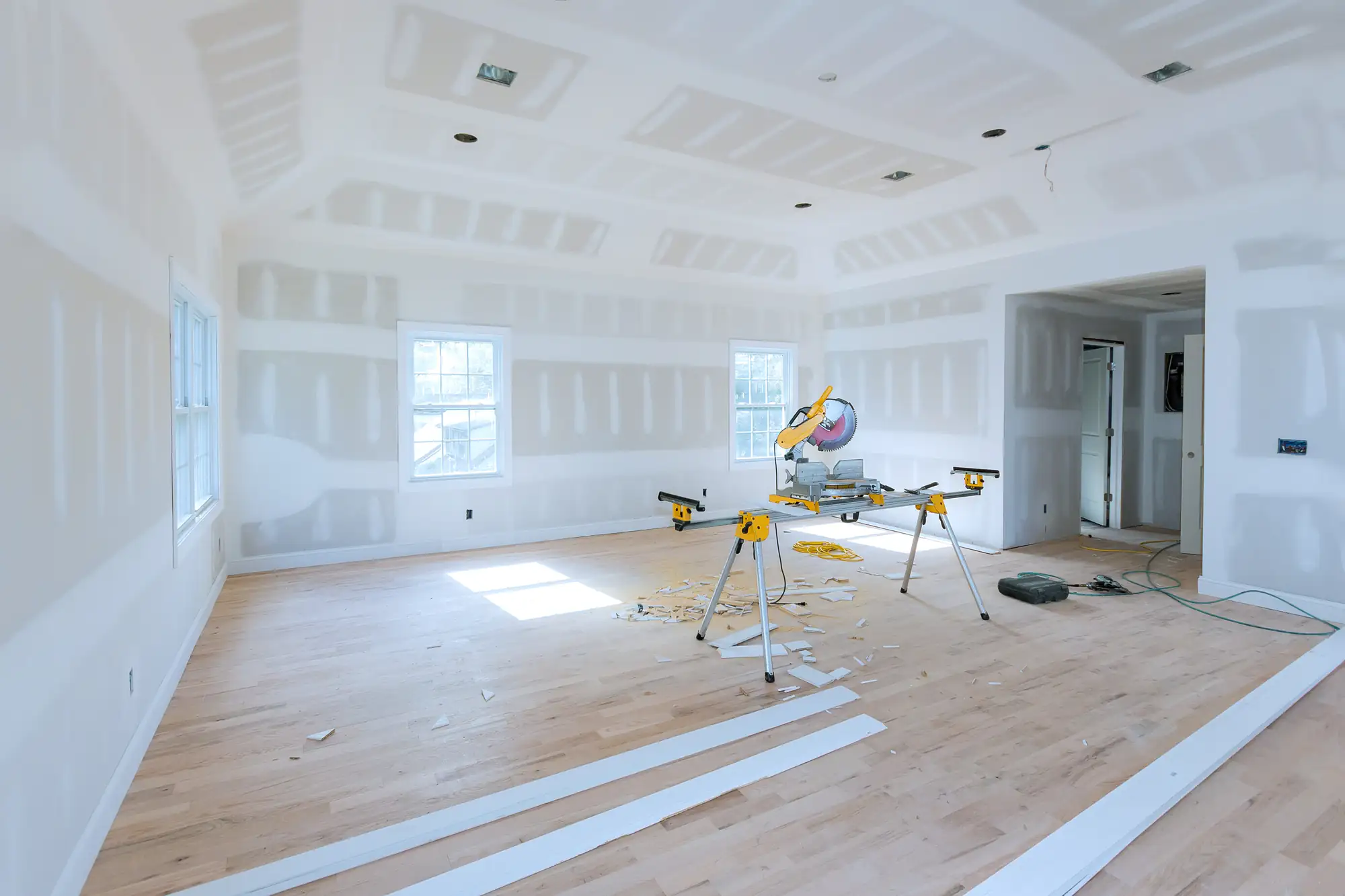
Once we start, the prep work happens first. Drop cloths, plastic barriers if needed, and making sure we’re not tracking debris through your home. Then comes hanging the sheetrock sheets, taping the seams with quality drywall taping compound, and applying multiple coats of joint compound. Each coat gets sanded smooth—with vacuum sanders that capture the dust instead of spreading it everywhere.
After the final sanding, we prime the surface so it’s ready for paint. You’re not getting half-finished walls that still need another contractor to make presentable. We clean up completely, haul away the scraps, and leave you with a space that’s actually ready for the next step.
The whole process gets managed without you needing to babysit it. We handle coordination, show up when we say we will, and keep you updated if anything changes. That’s how drywall repair and installation should work.
Ready to get started?
You’re getting full-service sheetrock work. That means new drywall installation for additions, basements, or whole-home renovations. It means drywall repair for cracks, holes, water damage, or settling issues. And it means proper finishing—taping, mudding, sanding, and priming so the surface is actually ready for paint.
For Riverhead homeowners, that also means understanding local conditions. Coastal weather causes expansion and contraction that can crack poorly installed drywall. We account for that during installation, using proper techniques and materials that hold up in Suffolk County’s climate. It’s not about cutting corners to finish faster—it’s about doing it right so you’re not calling someone back in six months.
Commercial drywall installation gets the same attention. Office build-outs, retail spaces, or multi-unit properties—we handle projects that need to meet code, stay on schedule, and look professional when they’re done. You’re working with a licensed, insured contractor who knows what inspectors are looking for.
The goal is simple: deliver quality work at a fair price, without the games or the mess. You shouldn’t have to choose between craftsmanship and transparency. With us, you get both.
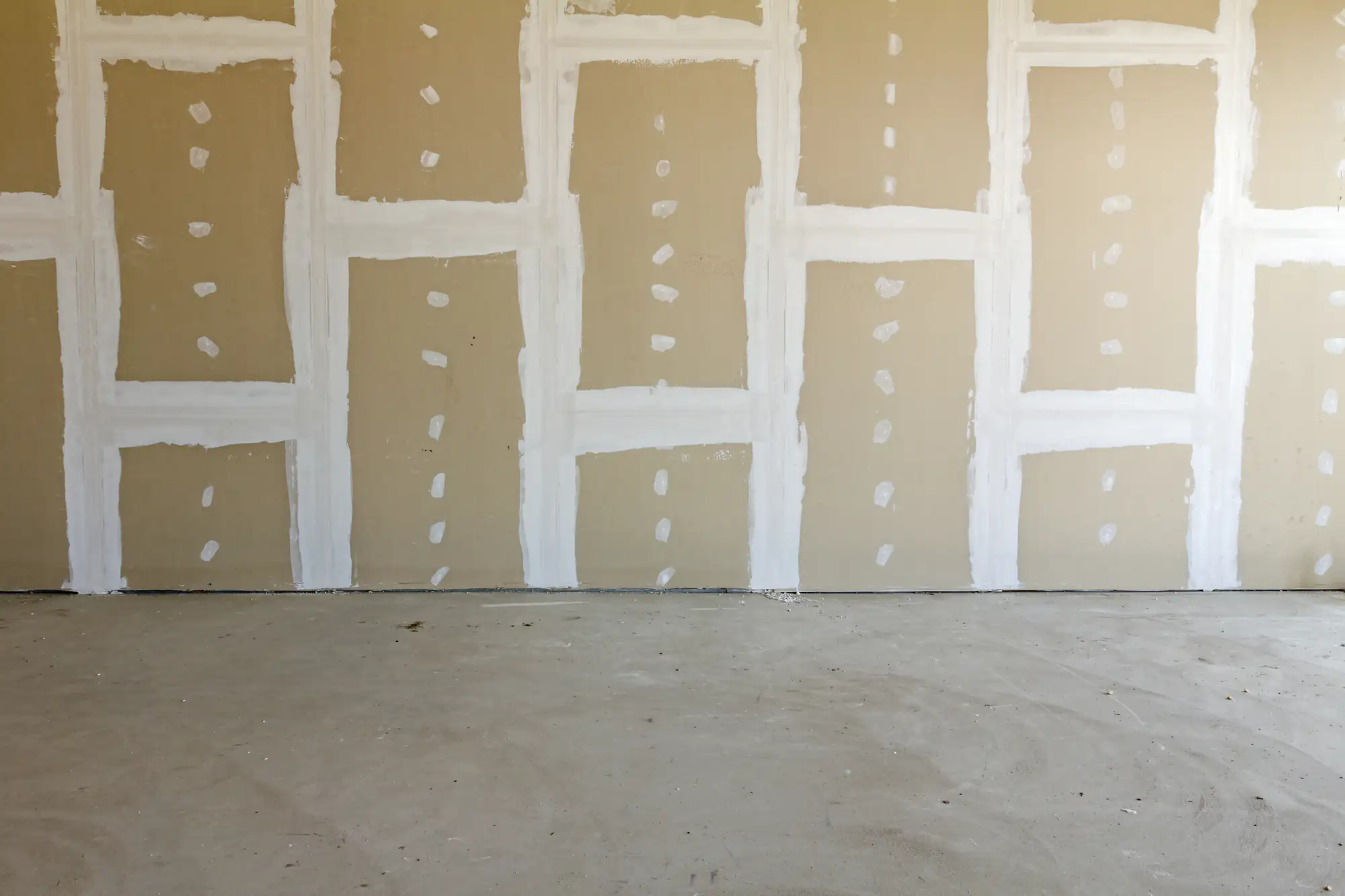
It depends on the size and scope, but most residential rooms take one to three days from start to finish. That includes hanging, taping, mudding, sanding, and priming. Larger projects like full basements or whole-home renovations obviously take longer—usually one to two weeks depending on square footage and complexity.
The timeline also depends on whether we’re working with new construction or doing drywall repair. Patching a few holes or fixing cracks might only take a day. Replacing entire sections of water-damaged drywall takes longer because we need to address what caused the damage in the first place.
We’ll give you a realistic timeline upfront, and we stick to it. If something legitimately changes the schedule—like discovering mold behind damaged drywall that needs remediation first—we tell you immediately, not three days later when you’re wondering why we’re not done yet.
Cheap work shows. You’ll see seams, feel rough patches, and notice uneven surfaces the second the light hits the wall at an angle. That happens when corners get cut—literally. Fewer coats of compound, rushed sanding, poor taping technique, or using subpar materials to save a few bucks.
Professional sheetrock contractors take the time to do it right. That means properly securing sheets so they don’t crack from movement, taping seams correctly so they don’t separate, applying enough coats of joint compound to create a smooth surface, and sanding carefully between coats. It’s the difference between walls that look good for a few months and walls that still look good years later.
You’ll also notice the difference in how the job gets done. We use drop cloths and vacuum sanders to control dust. We show up on time, communicate clearly, and don’t leave your house looking like a disaster area. The cheapest bid usually means someone’s cutting corners somewhere—and you’ll be the one dealing with the consequences.
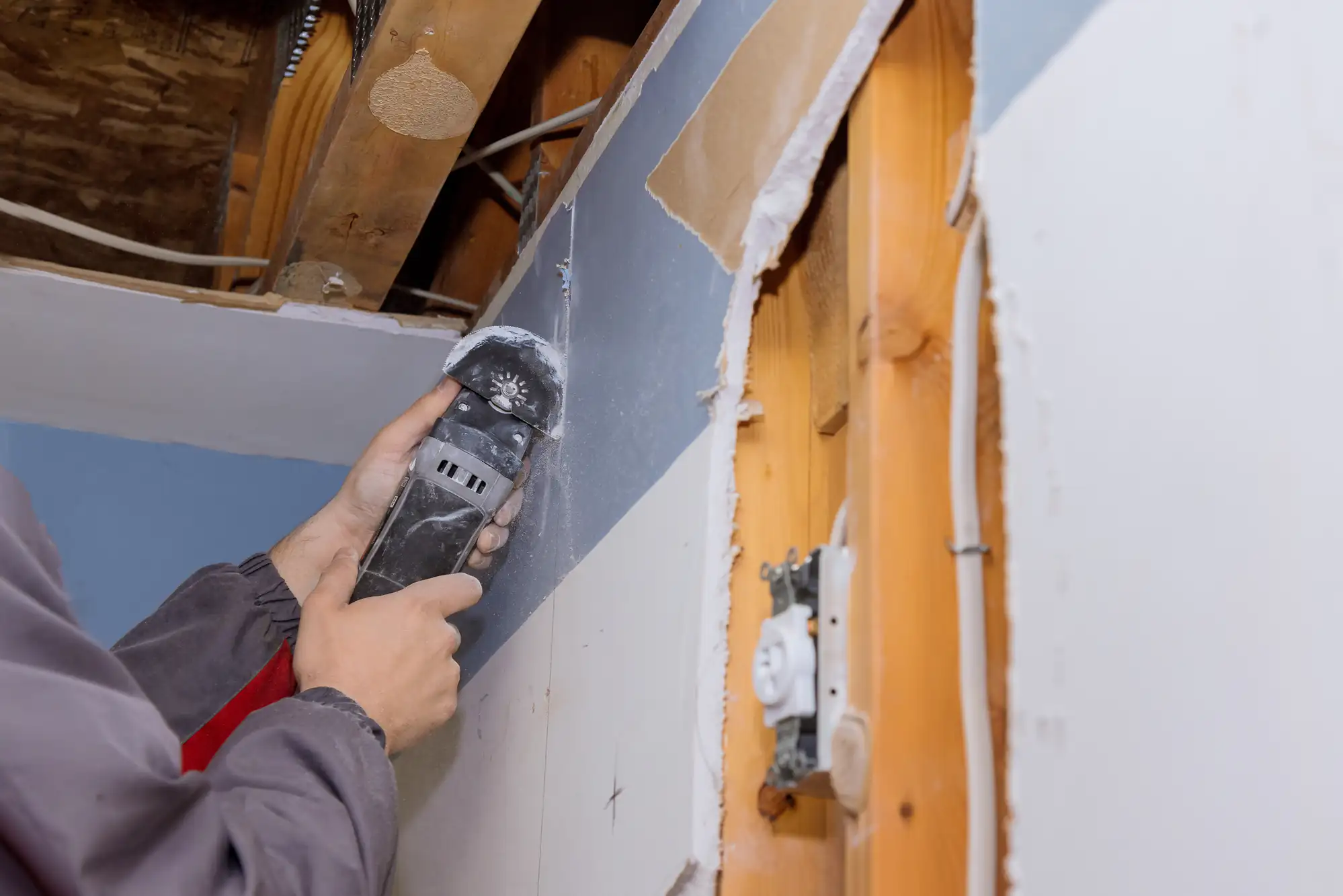
It depends on how extensive the damage is. Minor water stains or small affected areas can often be repaired—we cut out the damaged section, replace it with new drywall, and finish it to match the surrounding wall. You won’t be able to tell where the repair happened.
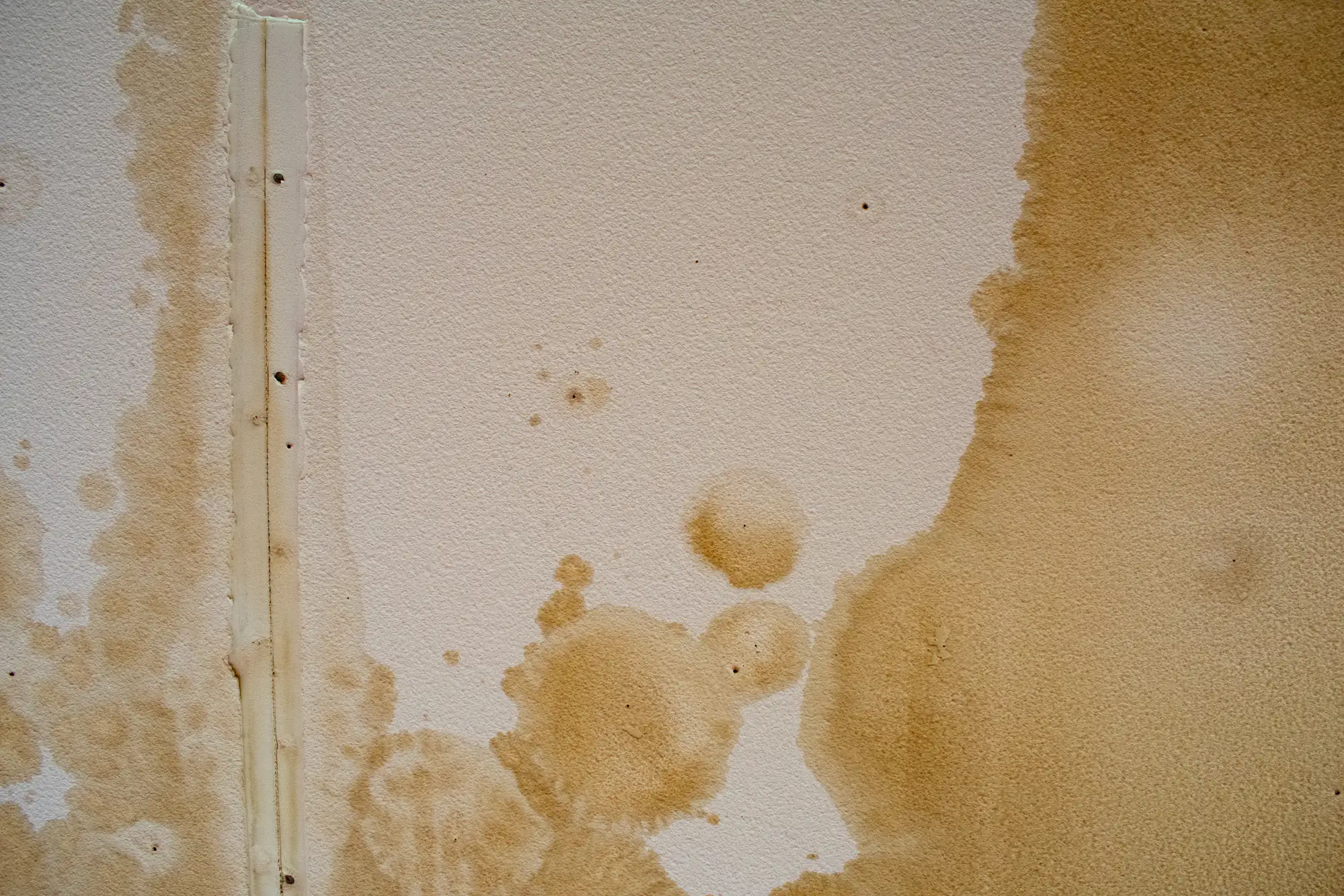
But if the water damage is significant, or if the drywall stayed wet long enough to compromise its structural integrity, replacement is the smarter move. Trying to save severely damaged drywall just means you’ll be dealing with crumbling, sagging, or mold-prone walls down the road. We’re not going to patch something that should be replaced just to save you a few dollars today and cost you more later.
Here’s the other thing: water damage means there was a leak or moisture problem. We’ll help you figure out where it came from before we repair or replace anything. Fixing the drywall without addressing the source just means you’ll be calling us back in six months with the same problem. That’s not how we work.
Pricing depends on the project size, complexity, and whether you need installation or repair. Small drywall repairs—patching a few holes or fixing minor cracks—might run a few hundred dollars. Full-room installations or larger repairs typically range from $1,500 to $5,000 depending on square footage, ceiling height, and finish level.
Commercial drywall installation costs more because of scale, code requirements, and coordination with other trades. But you’ll get a detailed estimate before we start, and that number doesn’t change unless the scope changes. No surprise charges, no “we found something” upcharges that weren’t discussed.
What you’re paying for is quality materials, experienced installation, proper surface prep, and a finished product that’s actually ready for paint. You’re also paying for reliability—a crew that shows up on time, works cleanly, and finishes when they said they would. If you’re just looking for the lowest possible price, we’re probably not the right fit. But if you want the job done right the first time without the runaround, we should talk.
Yes. We handle residential sheetrock installation for homeowners doing renovations, additions, basement finishes, or whole-home remodels. We also work on commercial drywall projects—office build-outs, retail spaces, restaurants, and multi-unit properties.
The approach is the same regardless of project type: quality materials, professional installation, clean work practices, and transparent communication. Commercial projects often have tighter timelines and stricter code requirements, which we’re fully equipped to handle. We’re licensed and insured, and we know what inspectors are looking for.
Whether you’re a homeowner in Riverhead fixing up your house or a business owner building out a new location, you’re getting the same level of craftsmanship and professionalism. The only difference is scale—not standards.
Drywall cracks for a few reasons: house settling, temperature fluctuations, humidity changes, or poor installation. In Riverhead, coastal weather plays a role—seasonal expansion and contraction can stress improperly installed seams and cause cracks over time.
Preventing cracks starts with proper installation. That means securing drywall sheets correctly so they’re not moving or flexing, using the right fastener spacing, taping seams with quality compound, and allowing adequate drying time between coats. Rushing the process or skipping steps is how you end up with cracks six months later.
Maintaining indoor humidity around 40-50% after installation also helps. Too dry or too humid, and the drywall can expand or contract enough to crack at the seams. We’ll walk you through best practices for your specific space so you’re not dealing with preventable issues down the road. If cracks do appear from settling or structural movement, we can repair them properly—but the goal is doing the installation right from the start so that doesn’t happen.