
Hear from Our Customers
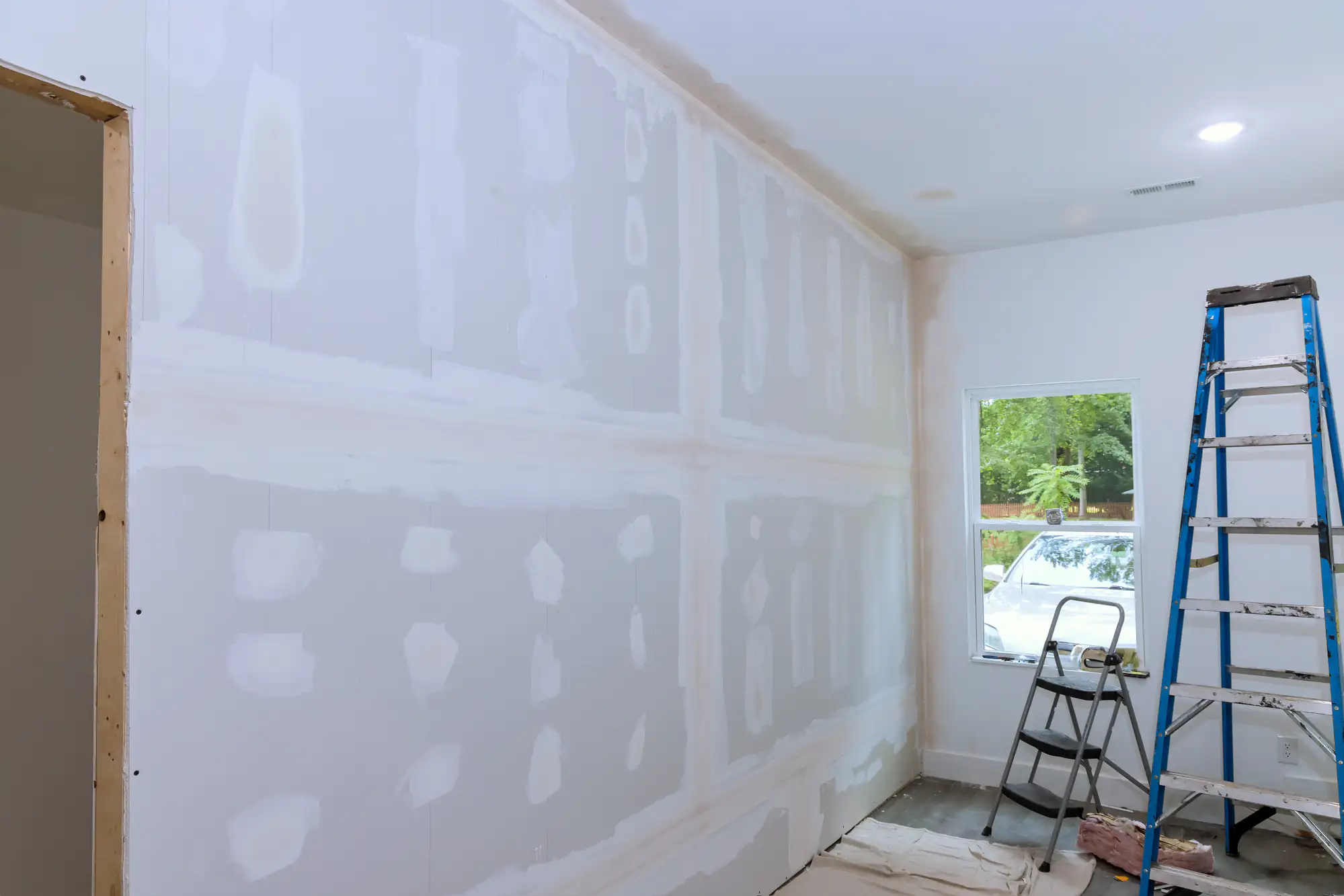
You’re not looking for someone to just hang drywall. You need walls that look finished—smooth, ready for paint, with seams you can’t see and corners that are actually straight.
That’s what matters when you’re living in the space. No callbacks to fix wavy joints or nail pops that show up two weeks later. No dust left behind in places you didn’t even know existed.
When we finish a sheetrock job in Ronkonkoma, you’re looking at walls that are ready for the next step. Whether that’s paint, wallpaper, or just moving your furniture back in, the surface is clean and level. The timeline we gave you at the start is the timeline we kept. And if something came up during the job—an unexpected issue behind the old drywall, a structural concern—you heard about it right away, not after the fact.
That’s the difference between hiring a sheetrock contractor who treats your home like a job site and one who remembers you’re still living there.
We’ve been doing interior renovations across Suffolk County since 2016. Sheetrock is one of those things that either gets done right or becomes a problem you notice every single day.
Ronkonkoma homes—especially older ones—come with their quirks. Settling foundations, moisture in basements, outdated framing that’s not quite square. We’ve seen it all, and more importantly, we know how to work with it. That means fewer surprises mid-project and realistic timelines from the start.
We’re not the cheapest option, and we’re fine with that. You’re paying for clean work, honest communication, and a finished product that doesn’t need a redo in six months. No pressure tactics, no upsells you didn’t ask for. Just straightforward service from people who’ve been doing this long enough to know what actually matters.
First, we come see the space. We’re measuring, checking the framing, looking for any issues that’ll affect the install—moisture, uneven studs, old insulation that needs replacing. You get a clear estimate based on what we actually see, not a ballpark number that changes later.
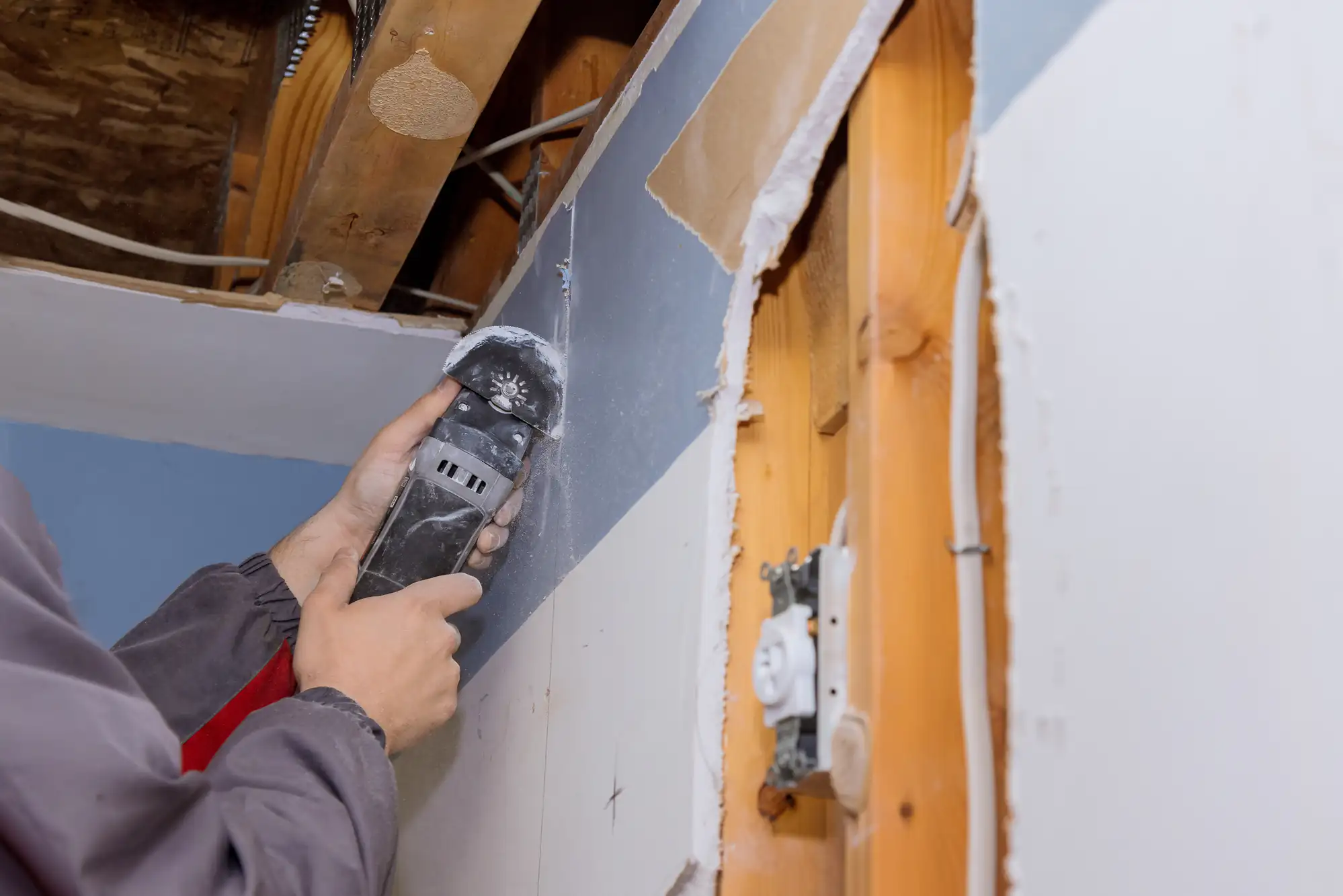
Once we start, the old drywall comes down if needed. We haul it out same day—not next week. New sheets go up, screwed in properly at the right intervals. This is where experience shows up. Poorly hung drywall telegraphs every stud and creates problems for the taping crew. We do it right the first time.
Then comes taping, mudding, and sanding. This takes a few days because each coat needs to dry. We’re not rushing it. The goal is a smooth, level surface where you can’t see seams or fasteners. Most drywall complaints come from this phase being rushed. We don’t skip steps.
Final sanding, cleanup, and walkthrough. You see the finished walls before we leave. Any concerns get addressed right then. The space is swept, vacuumed, and ready for paint or whatever’s next. That’s the process. No shortcuts, no surprises.
Ready to get started?
We handle full installations for new construction, and renovations. That includes standard drywall for living spaces and moisture-resistant sheets for bathrooms, basements, and laundry rooms. If your project needs it, we install it.
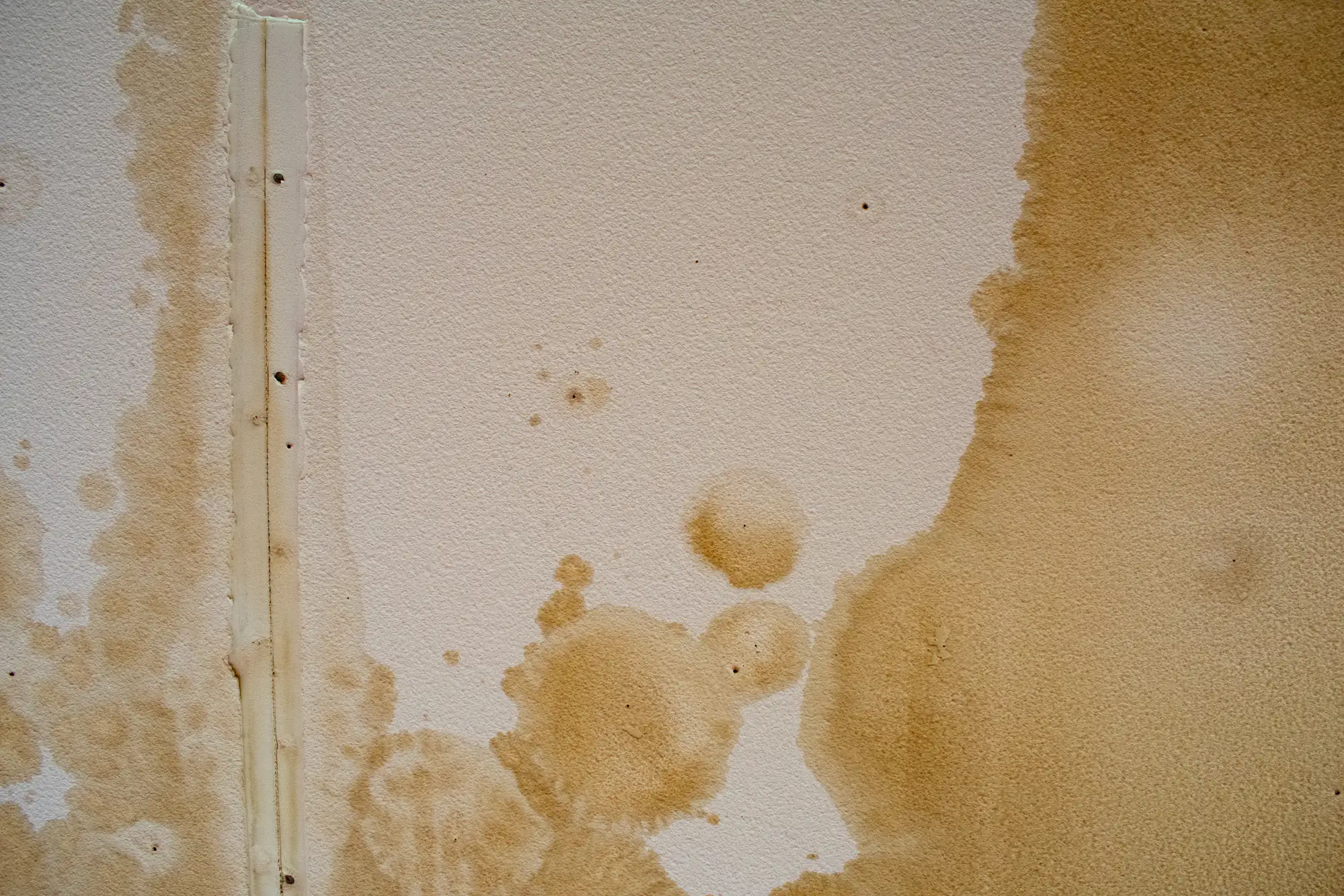
Repairs are a big part of what we do in Ronkonkoma. Water damage from roof leaks, holes from removed fixtures, cracks from settling—all common in Suffolk County homes. We cut out the damaged section, sister in new framing if needed, patch it properly, and blend the repair so you can’t tell where the old wall ends and the new one starts.
Finishing is where quality shows. We use the right taping compound for each coat—not the same mud for everything like some crews do. Corners get metal beads for durability. Seams get feathered out wide so they disappear under paint. Sanding is thorough but controlled—we’re not coating your whole house in dust.
Basements are tricky on Long Island. The soil here holds moisture, and older homes weren’t always built with proper vapor barriers. We use the right materials for below-grade spaces and make sure you understand what’s realistic. Sometimes that means steering you away from drywall in a problem area and toward a better solution. We’d rather have that conversation up front than deal with mold callbacks later.
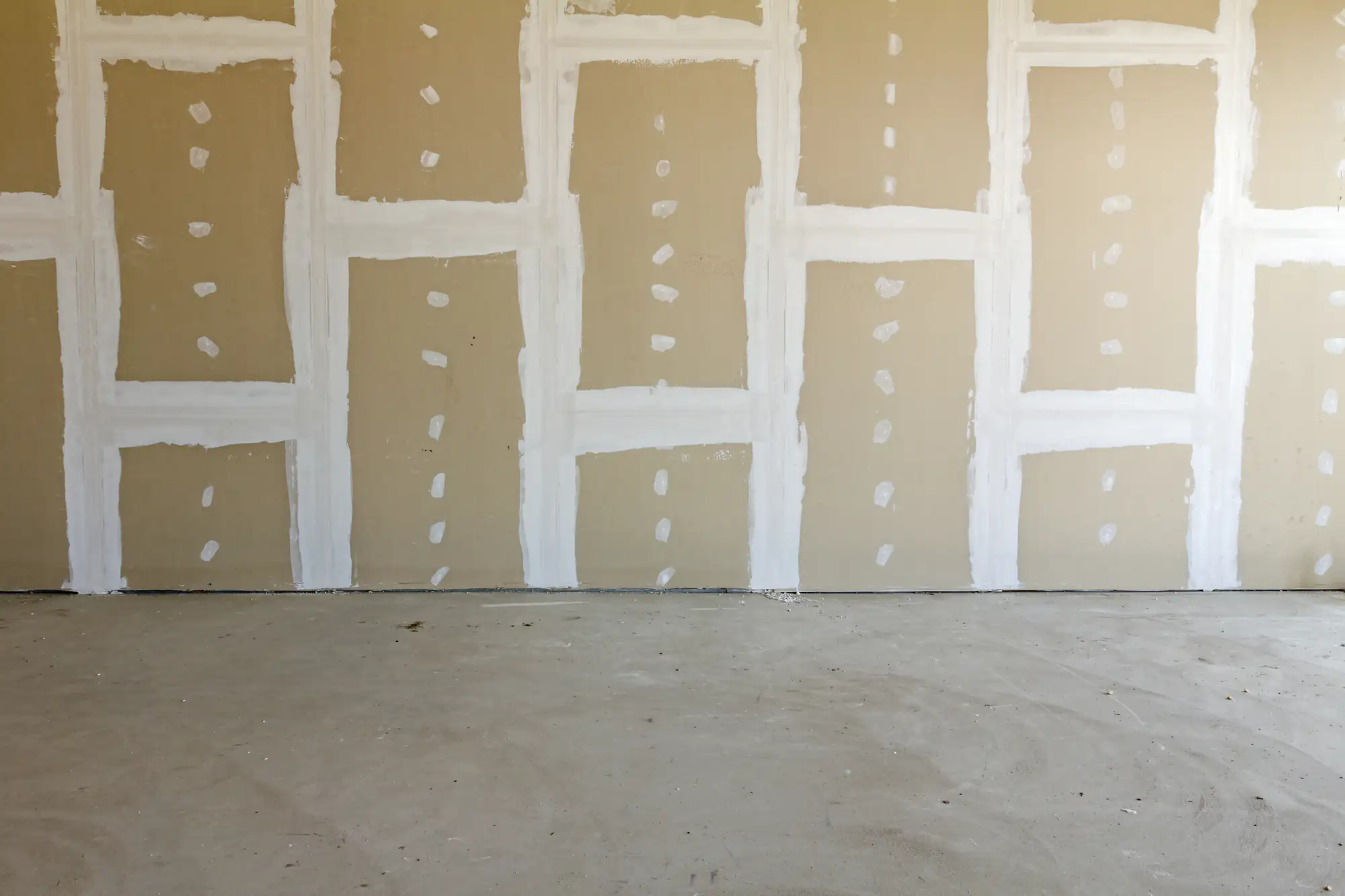
You’re looking at roughly $2.25 to $2.70 per square foot for a standard residential job, or about $80 to $90 per 4×10 sheet installed and finished. That’s the current range across Suffolk County for quality work.
But here’s what actually affects your price: ceiling height, the number of corners and angles, whether we’re also doing demo and haul-away, and what type of finish you need. A simple bedroom with standard 8-foot ceilings costs less per square foot than a vaulted living room with multiple windows and soffits.
Repairs are usually quoted differently—often by the patch or by the hour, depending on scope. A single hole repair might be a flat rate. Fixing an entire wall of water damage is a different conversation. We give you a clear number based on what we see, not a range that could go either way.
Hanging the drywall itself is usually one to two days for an average room. Finishing—taping, mudding, sanding—adds another two to four days because each coat needs drying time. You can’t rush it without sacrificing quality.
A full basement might take a week to ten days from start to finish. A single room repair could be done in three to five days. Whole-house jobs obviously take longer, and we’ll map that out for you up front.
Weather matters more than people think. High humidity slows drying time, which is why spring and fall are ideal on Long Island. We schedule around that when possible. If we’re working in summer or winter, we adjust our process and set realistic expectations. You won’t be left wondering why things are taking longer than you thought—we’ll tell you why before we start.
In most Ronkonkoma basements, yes. The soil here holds water, and even with good drainage, below-grade spaces see more humidity than the rest of your house. Standard drywall can wick moisture and develop mold over time.
Moisture-resistant drywall (the green or purple board) has a treated core and facing that resist water absorption. It’s not waterproof—nothing is—but it handles normal basement conditions much better. We use it in bathrooms, laundry rooms, and any below-grade space as standard practice.
That said, drywall isn’t always the right answer for a basement. If you’ve got active water issues—seepage, high water table, poor exterior drainage—we need to talk about fixing those first. Putting up any drywall over a moisture problem is just creating a mold farm. We’ve been in enough Suffolk County basements to know when drywall makes sense and when it doesn’t. We’ll tell you straight.
The finish. Anyone can screw sheets to studs. The skill is in making the seams disappear and creating a surface that looks smooth under any light.
Cheap jobs rush the taping. They use too little mud, don’t feather the edges wide enough, or skip coats to save time. You end up with visible seams, especially under raking light from windows. Nail pops show up a few months later because fasteners weren’t set right. Corners crack because they didn’t use corner bead or used the wrong type.
Quality work takes longer because each coat gets applied properly and given time to dry. Seams are taped with the right technique—not just slapped with mud and called done. Sanding is thorough but controlled, so you get a smooth finish without creating a dust storm that infiltrates your whole house. The final product looks like a solid wall, not a bunch of sheets pieced together.
You can see the difference the day we finish, and you’ll definitely see it a year later when the cheap job is showing cracks and the quality job still looks new.
Most of the time, yes. Matching existing texture is part of making a repair invisible, and it’s something we do regularly on Ronkonkoma homes where we’re only fixing part of a wall or ceiling.
Smooth finishes are the easiest to match—we just sand and blend until the repair disappears into the surrounding surface. Knockdown and orange peel textures are common in Suffolk County homes, and we can replicate those with the right tools and technique. Popcorn ceiling texture is trickier and messier, but it’s doable.
The challenge is when the existing texture is old and has been painted multiple times, or when it was applied with a specific tool or technique that’s not standard anymore. In those cases, we’ll tell you up front if we can get close or if the repair will always be slightly visible. Sometimes the better option is re-texturing a full wall or ceiling so everything matches. We’ll walk through your options and let you decide what makes sense for your situation and budget.
Most sheetrock repairs and replacements don’t require permits in Ronkonkoma. If you’re patching a wall, replacing damaged drywall, or finishing an area that’s already framed and permitted, you’re usually fine without additional paperwork.
Where permits come in is new construction or structural changes—anything that involves moving walls, adding rooms, or altering the footprint of your home. In those cases, yes, permits are required, and the sheetrock is just one part of a larger permitted project.
We’ve worked with the Town of Islip building department enough to know what triggers permit requirements and what doesn’t. If your project needs permits, we’ll tell you up front and can work with your general contractor or architect to make sure everything’s filed correctly. If it doesn’t, we won’t create extra paperwork for no reason. The goal is to keep your project moving forward without unnecessary delays or costs.