
Hear from Our Customers
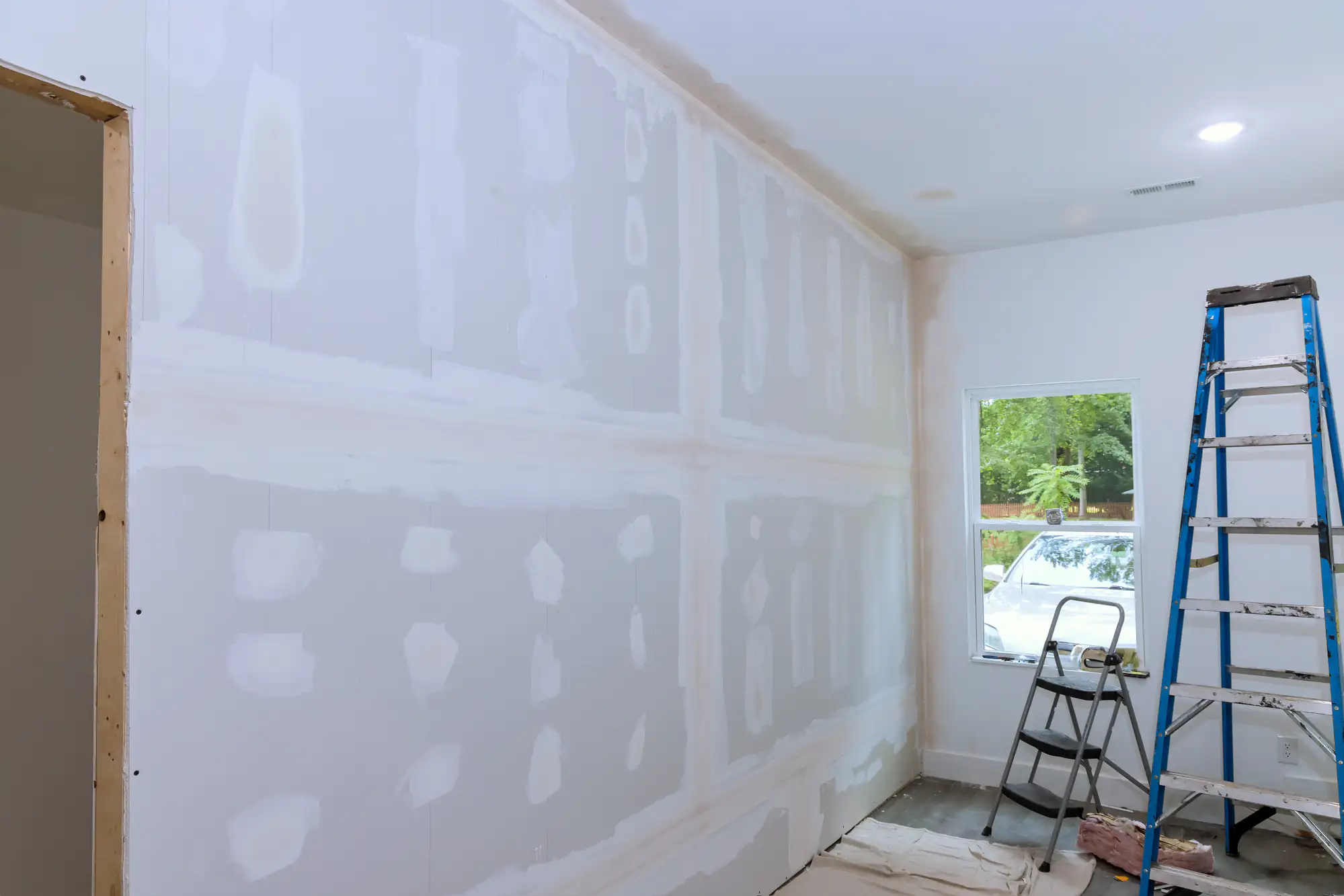
You’re looking at walls that need work. Maybe it’s new construction, maybe it’s damage from a leak or a doorknob that went through the drywall one too many times. Either way, you need it fixed right so it doesn’t show through the paint.
That’s where most contractors fall short. They rush the taping, skip proper sanding, or use the wrong finish level for your space. Then you’re stuck repainting every few years because the seams telegraph through or the texture doesn’t match.
We handle sheetrock installation the way it’s supposed to be done—proper board selection for the room, clean taping and mudding, and the finish level your walls actually need. Bathrooms get moisture-resistant board. Garages get fire-rated. Living spaces get Level 4 or Level 5 finishes depending on your lighting and paint choice. You get walls that look smooth under any light and stay that way.
We’ve been doing interior renovations in Stony Brook and throughout Suffolk County since 2016. That’s long enough to know which drywall products hold up in Long Island’s humidity, which finish levels work under different lighting conditions, and which shortcuts come back to bite homeowners.
We’re licensed, insured, and we don’t play games with pricing. You get a clear quote based on square footage, finish level, and any prep work your space needs. No hidden fees for taping compound or corner bead. No pressure to add services you don’t need.
Most of our work comes from referrals, which tells you something. People don’t recommend contractors who leave a mess, miss deadlines, or disappear when there’s a callback. We show up, do the work right, and clean up like we were never there.
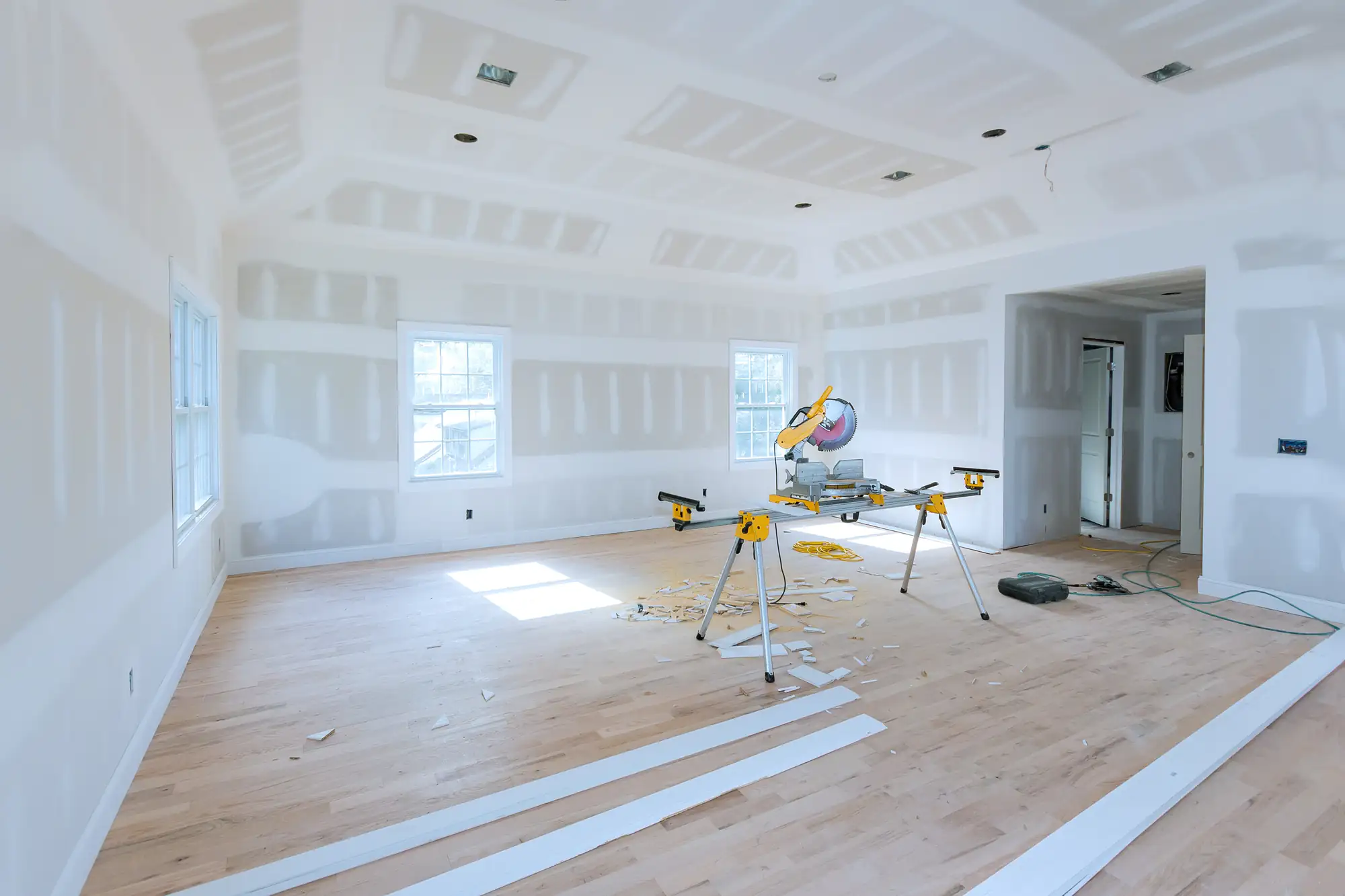
First, we look at your space and figure out what you actually need. That means measuring square footage, checking for moisture issues, confirming fire rating requirements for garage ceilings, and asking about your lighting and paint plans. All of that affects material selection and finish level.
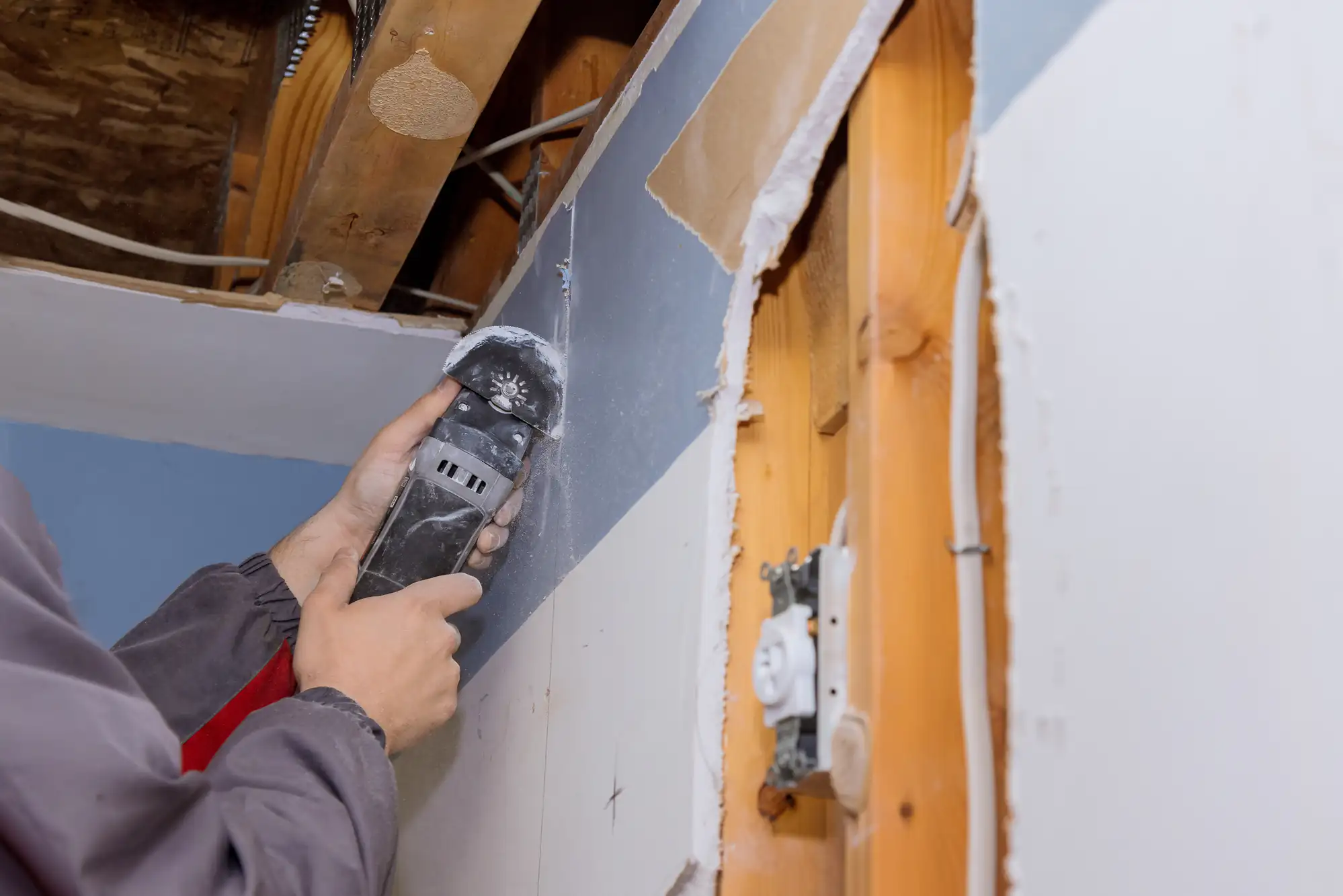
Then we prep. We protect your floors and furniture, shut off HVAC if needed to control dust, and make sure framing is solid before we hang anything. If you’re doing new construction, we confirm electrical and plumbing rough-ins are done. If it’s a repair, we cut out damaged sections cleanly so patches blend invisibly.
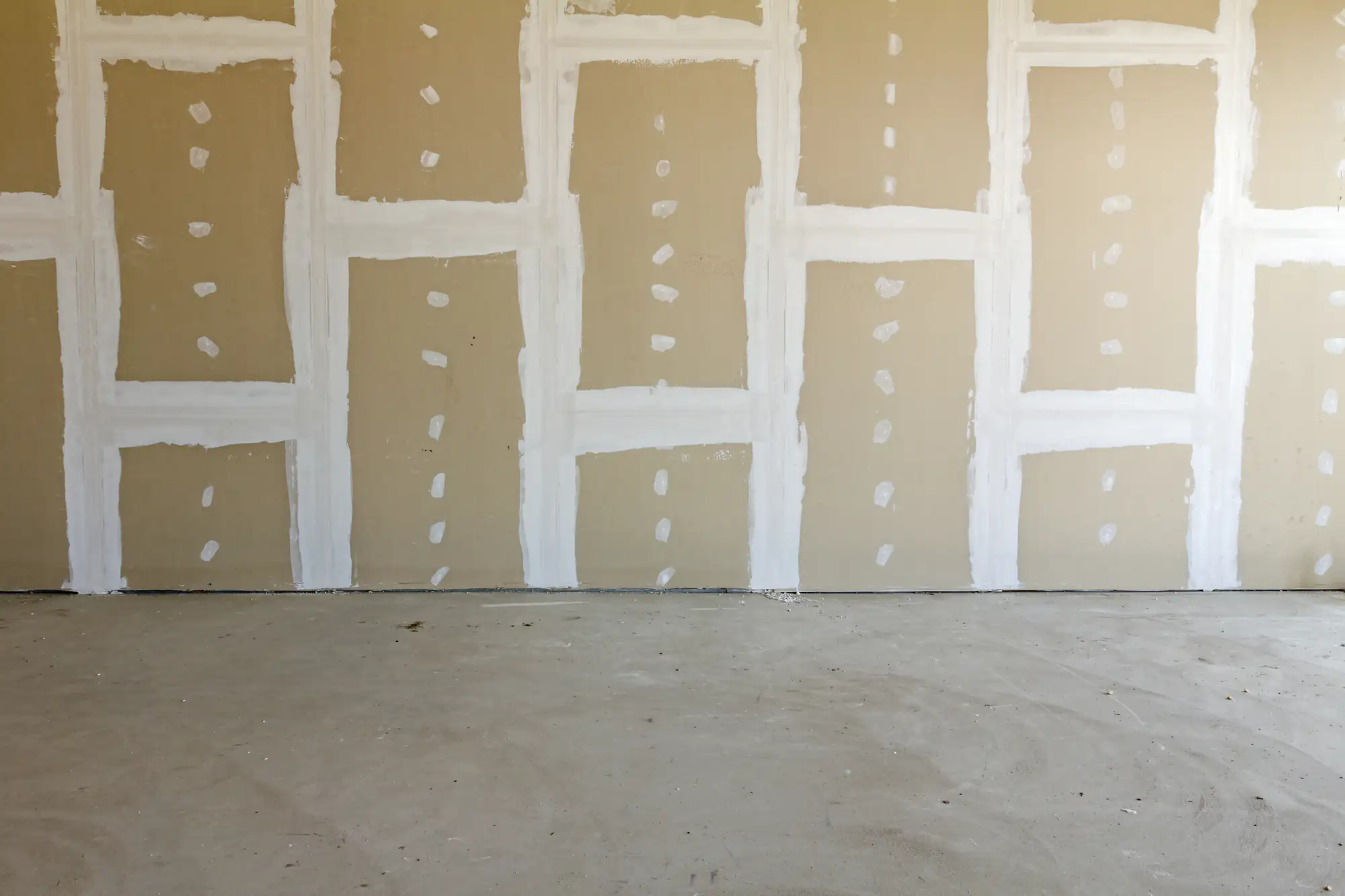
Installation comes next—hanging sheets with proper fastener spacing, staggering seams, and leaving appropriate gaps at floors and ceilings. Then comes taping, multiple coats of joint compound with drying time between each, sanding to your finish level, and a final quality check under raking light to catch any imperfections.
You end up with walls that are ready for primer and paint. No callbacks for popped nails or visible seams. Just clean, smooth surfaces that look professional because they were done by professionals.
Ready to get started?
Every sheetrock job includes proper material selection for your application. Standard drywall for living spaces, moisture-resistant for bathrooms and basements, fire-rated Type X for garage ceilings. We’re not upselling you on materials—we’re using what the space requires.
You get professional installation with correct fastener patterns, proper seam placement away from high-stress areas, and corner bead that’s actually straight. Taping uses quality joint compound, not the cheap stuff that cracks in six months. We apply multiple coats with full drying time and sand to the finish level your walls need.
In Stony Brook, most homes benefit from Level 4 finish—smooth enough for flat or eggshell paint under normal lighting. If you’re using high-gloss paint or have strong natural light that shows every imperfection, we’ll recommend Level 5, which adds a skim coat for a glass-smooth surface. That’s the difference between walls that look good and walls that look flawless.
Cleanup is part of the job. Drywall dust gets everywhere if you’re not careful, so we contain it, vacuum thoroughly, and haul away all debris. You’re not left with a dumpster in your driveway or dust in your HVAC system.
Installation costs in New York typically run between $3.50 and $6.00 per square foot, depending on the type of drywall, finish level, and job complexity. A standard bedroom might cost $1,200 to $2,000. A full basement could run $8,000 to $15,000.
The price difference comes down to what’s involved. Basic Level 4 finish on standard drywall is less expensive than Level 5 finish on moisture-resistant or fire-rated board. Ceiling work costs more than walls because it’s harder to install and finish. Repairs are usually priced by the patch—small holes run $75 to $150, medium repairs $150 to $400, and large sections $500 or more.
We give you an exact quote based on your specific space. You’ll know the square footage, the materials we’re using, the finish level, and the total cost before we start. No surprises, no “we found additional issues” upcharges unless you actually want to change the scope.
Level 4 is the standard finish for most residential spaces. It means all joints and fasteners are covered with joint compound, sanded smooth, and ready for paint. Under normal lighting with flat or eggshell paint, you won’t see seams or imperfections. This works fine for most bedrooms, hallways, and living areas.
Level 5 adds a skim coat of joint compound over the entire surface—not just the seams. This creates a completely uniform texture and hides any minor variations in the drywall paper or joint work. You need Level 5 if you’re using gloss or semi-gloss paint, if you have large windows that create harsh lighting angles, or if you just want the smoothest possible finish.
The cost difference is usually $0.50 to $1.00 per square foot because it’s more labor-intensive. But if your lighting conditions demand it, skipping Level 5 means you’ll see every seam and fastener through your paint. We’ll tell you honestly whether your space needs it or whether Level 4 will look great.
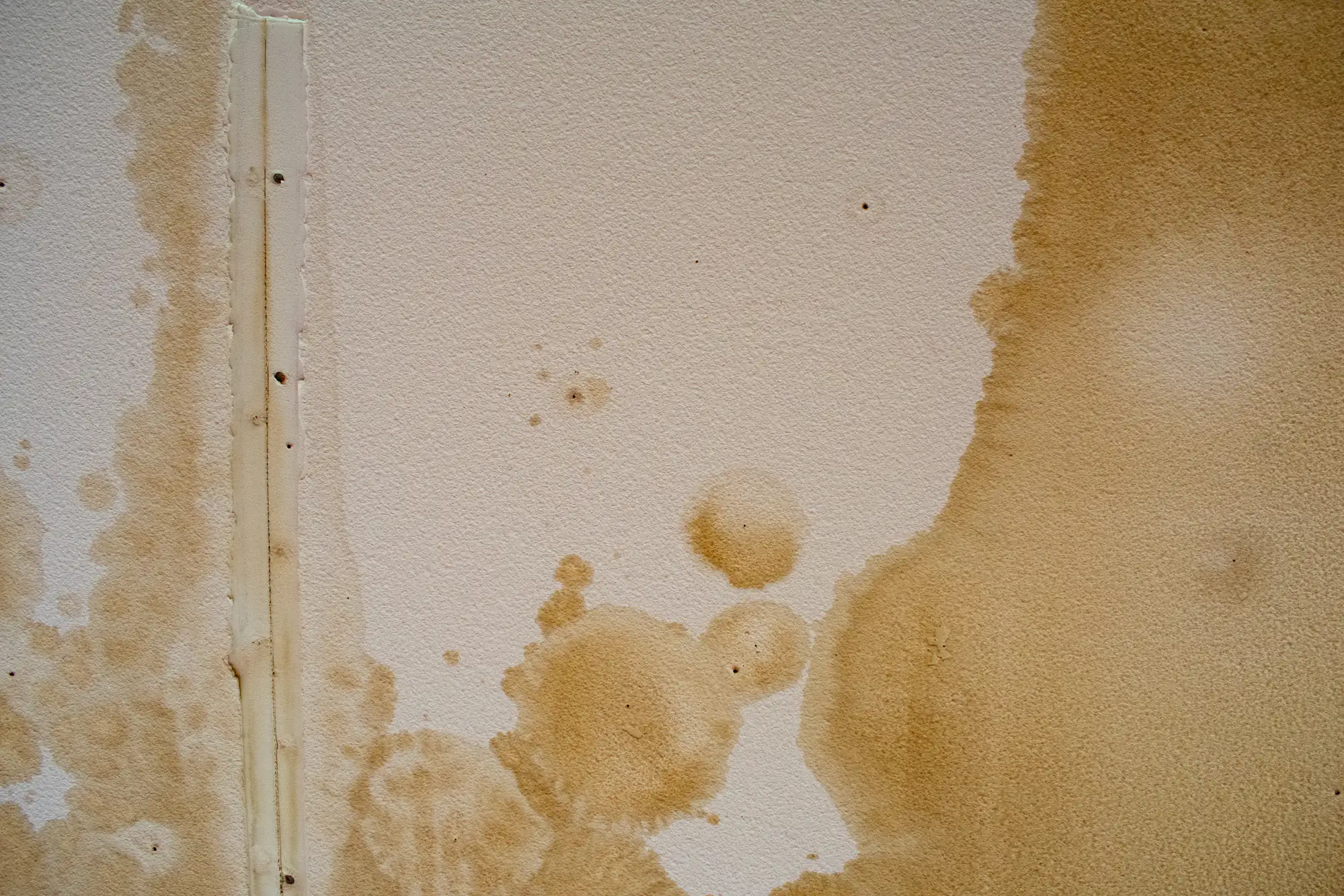
Yes. Standard drywall absorbs moisture, which leads to mold, sagging, and paper deterioration in high-humidity spaces. Bathrooms need moisture-resistant drywall (often called green board or purple board depending on the brand). It has a treated core and moisture-resistant facing that holds up to steam and humidity.
Basements are tricky because they deal with both humidity and potential water intrusion. We typically use moisture-resistant board on basement walls and ceilings, and we make sure there’s proper vapor barrier behind it. If your basement has had water issues, we’ll address that before we hang any drywall—otherwise you’re just covering up a problem that’ll come back.
Garage ceilings require fire-rated Type X drywall if there’s living space above. That’s code in most of Long Island, and it’s not optional. Type X has additives in the gypsum core that slow fire spread, giving you time to get out if there’s a fire in the garage. We confirm local requirements before we start so your installation passes inspection.
A single room usually takes two to four days from start to finish. Day one is hanging the drywall. Day two is first coat of joint compound on seams and fasteners. Day three is second and third coats after drying time. Day four is sanding, cleanup, and final inspection.
Larger projects take longer because of square footage and drying time between coats. A full basement might take a week to ten days. Whole-house drywall during new construction could take two to three weeks depending on size and finish level.
Weather affects drying time—high humidity slows it down, which matters in Long Island summers. We don’t rush coats before they’re fully dry because that causes cracking and callbacks. You want it done right more than you want it done fast, and we schedule accordingly. We’ll give you a realistic timeline upfront and keep you updated if anything changes.
Ask for their license number and verify it with New York State. Legitimate contractors will give you this information immediately—if someone hesitates or says they’re “working on it,” walk away. You can check contractor licenses through the New York Department of State Division of Licensing Services.
Insurance is just as important. You need to see proof of general liability insurance and workers’ compensation coverage. General liability protects you if something gets damaged during the job. Workers’ comp protects you if someone gets hurt on your property—without it, you could be liable for their medical bills.
We carry both and provide certificates of insurance before we start work. It costs us more to maintain proper coverage, which is why our prices might be slightly higher than unlicensed guys working out of a pickup truck. But that difference is the cost of not getting sued or stuck with a half-finished job when something goes wrong.
Usually, yes—but it depends on the texture. Smooth finishes are easiest to match because we can feather the joint compound into the surrounding area and sand it flush. Orange peel and knockdown textures are also matchable with the right tools and technique.
Popcorn texture is harder. If your ceiling was done before the 1980s, it might contain asbestos, which means we need to test before we disturb it. If it’s newer popcorn, we can match it, but it rarely looks perfect because the original texture has aged and the new material is fresh. Sometimes the better option is removing all the popcorn and refinishing the entire ceiling.
We’ll look at your existing finish and tell you honestly whether we can match it invisibly or whether you should expect a slight variation. Most of the time, we can blend repairs so well you won’t notice them unless you know exactly where to look. That comes from experience and not rushing the finish work.
Other Services we provide in Stony Brook