Planning a remodel in Suffolk County? Timing your paint job right and choosing coastal-resistant materials makes all the difference between a finish that lasts years versus one that fails fast.
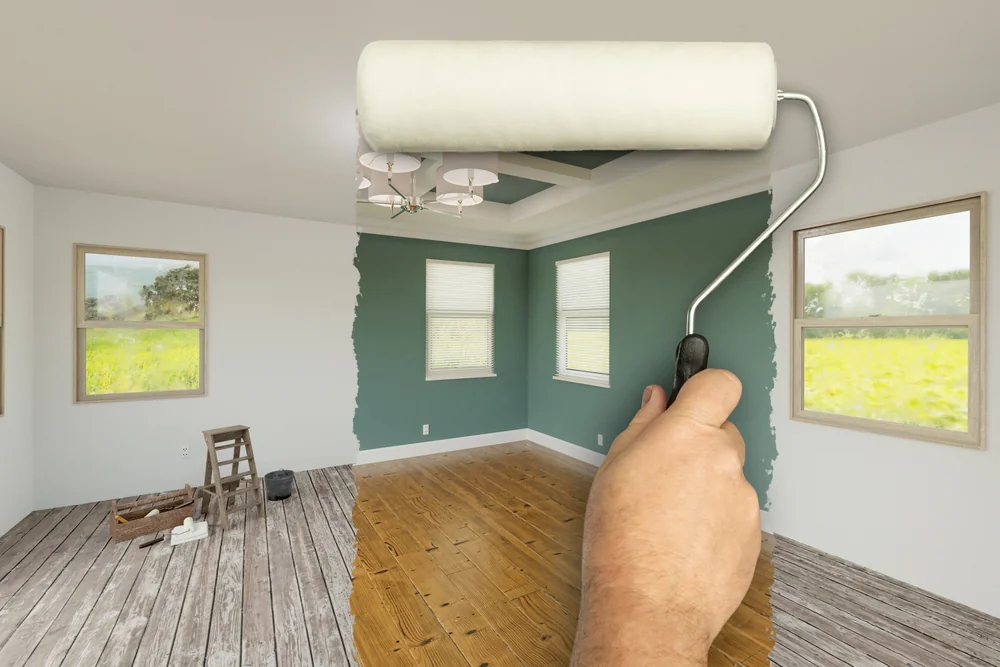
Timing matters more than most people realize. Paint too early, and you risk damage from other trades still working in the space. Wait too long, and you’re scrambling to finish or working around brand-new floors you’re terrified of splashing.
The general rule: painting happens near the end of your project, but not dead last. After electrical and plumbing rough-ins are done. After drywall goes up and gets finished. After old flooring comes out. But before your new floors go down.
Why before flooring? Because good painters protect floors—it’s what we do. But asking us to work around fresh hardwood or new tile adds risk nobody wants. You want clean access to walls, trim, and ceilings without worrying about scuffs, drips, or dust settling on something you just paid thousands to install.

Surface prep isn’t glamorous. It’s also the difference between paint that lasts a decade and paint that starts failing in two years.
Start with the walls themselves. Any cracks, holes, or imperfections need to be filled with spackle or painter’s putty, then sanded smooth. This isn’t optional. Paint doesn’t hide flaws—it highlights them. Every gap you skip will collect dirt, moisture, and eventually turn into a bigger problem. Professional-level spackling creates the smooth, flawless surface that makes interior painting in Suffolk County look clean and last longer.
Next comes cleaning. Dust, grease, and old residue prevent new paint from bonding properly. A simple wash with mild soap and water handles most situations. If you’re dealing with glossy old paint, you’ll need to scuff it up with sandpaper to give the new coat something to grip.
Then there’s priming. A lot of homeowners want to skip this step. Don’t. Primer seals the surface, improves adhesion, and helps your topcoat go on smoother with better coverage. It’s especially critical if you’re painting over darker colors, covering stains, or working with new drywall.
And if you’re in Suffolk County, NY, there’s one more thing to consider—coastal conditions. Salt residue on exterior surfaces needs to be washed off completely before you paint. Any coating applied over salt won’t stick well or last long. It’s a step that inland painting contractors sometimes overlook, but it’s non-negotiable here.
All of this prep work takes time. It’s tedious. But it’s also where we separate ourselves from DIY weekend projects. Proper prep is what makes a paint job look clean, feel smooth, and hold up year after year.
Most painting mistakes happen before the brush ever touches the wall. And the frustrating part? They’re all avoidable.
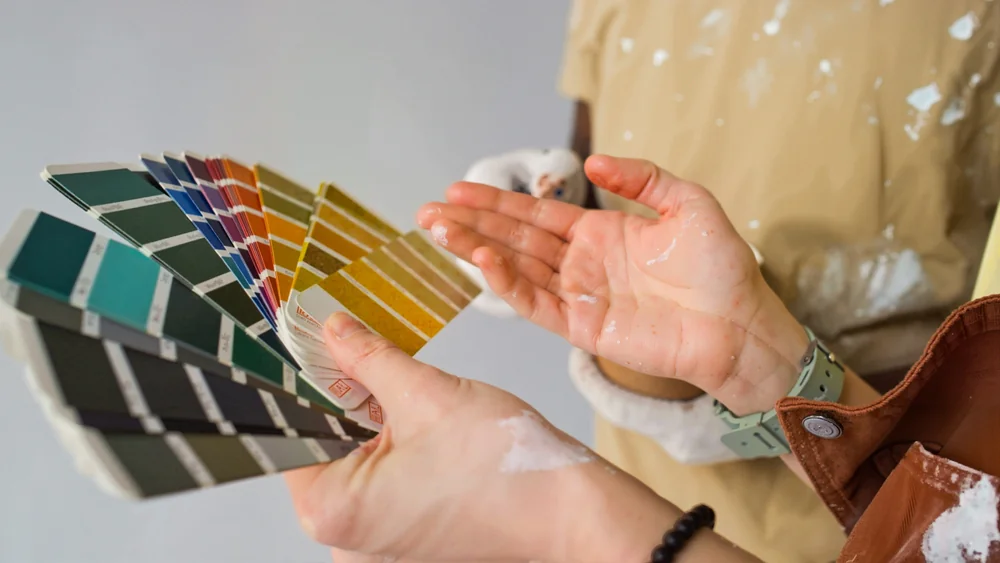
The first mistake is choosing paint based on a tiny color chip. That one-inch square doesn’t show you how the color will actually look on your wall under your lighting. Grab samples. Paint them directly on the wall. Check them in morning light, afternoon light, and at night. Colors shift depending on the time of day and the direction your windows face. What looks perfect in the store can feel completely wrong in your living room. This matters whether you’re selecting the best paint colors for Long Island homes or just refreshing a single space.
Another common issue: using cheap tools. Brushes and rollers matter more than people think. Low-quality rollers don’t hold enough paint, which means more passes to cover the same area. They also tend to leave streaks, fuzz, and an uneven texture. You spent good money on quality paint—don’t ruin it with a dollar-store roller.
Then there’s the timing of coats. Paint needs to dry fully before you add another layer. Rush it, and the second coat can pull up the first, leaving you with a patchy, uneven mess. Follow the manufacturer’s drying times. If it says wait four hours, wait four hours. Trying to save an hour now costs you days of rework later.
And here’s one that catches a lot of people: not protecting your floors and furniture. Even careful painters drip. Tarps and drop cloths aren’t suggestions—they’re requirements. One stray splash of paint on new hardwood or a sofa is enough to ruin your whole day.
Finally, there’s the weather. Suffolk County’s humidity can extend drying times and create problems with adhesion. Don’t paint on rainy days or when humidity is above 85 percent. The moisture in the air interferes with how paint cures, leading to blistering, poor coverage, and finishes that never fully harden.
Avoiding these mistakes doesn’t require special skills. It just requires slowing down and doing things in the right order.
Want live answers?
Connect with a Jaguar Renovation expert for fast, friendly support.
Living near the water is great until you start talking about paint. Salt air, humidity, temperature swings, and UV exposure all work together to break down finishes faster than you’d see inland.
Salt is the biggest offender. It doesn’t just sit on the surface—it penetrates the paint film and breaks down the molecular bonds holding everything together. That’s why you see peeling and bubbling on coastal homes that are only a few years old. The paint wasn’t bad. It just wasn’t designed for the environment.
Humidity is the second challenge. High moisture levels slow drying times and create perfect conditions for mold and mildew. If your paint doesn’t have mildew-resistant additives, you’ll be scrubbing green spots off your siding within a couple of seasons.
Then there’s the sun. UV rays fade pigments and weaken the protective layer of paint. Darker colors absorb more heat and break down faster, which is why lighter shades tend to last longer in coastal areas. It’s not just about aesthetics—it’s about durability.
Not all paint is created equal, especially when you’re dealing with coastal conditions. The right product makes a massive difference in how long your finish lasts.
For exteriors, you want 100 percent acrylic latex paint. It’s flexible, which means it expands and contracts with temperature changes without cracking. It’s also breathable, allowing moisture to escape instead of getting trapped under the surface. That flexibility and breathability are critical when you’re dealing with humidity and temperature swings. These exterior house painting tips apply whether you’re refreshing trim or tackling a full facade.
Look for paints specifically labeled for coastal or high-salt environments. These formulations include enhanced binding agents and additives that resist salt penetration and moisture. Marine-grade primers and elastomeric sealants offer even stronger protection for homes close to the water. They cost a bit more upfront, but they’ll save you from repainting every three to five years.
For interiors, mold and mildew resistance should be a priority, especially in bathrooms, kitchens, and basements. High-quality interior paints with mildewcides built in keep those spaces looking clean without constant maintenance. In Suffolk County, NY, where humidity runs high during summer months, this isn’t a nice-to-have—it’s essential.
And don’t forget about primer. If you’re painting exterior wood, an oil-based primer provides a strong foundation that seals the surface and improves topcoat adhesion. For latex topcoats over previously painted surfaces, a quality acrylic primer works well and dries faster.
Sheen also matters. Flat and matte finishes are more forgiving and hide imperfections, but they’re harder to clean. Semi-gloss and satin finishes are easier to wipe down and hold up better in high-traffic or high-moisture areas like trim, doors, and kitchens.
The bottom line: spending a little more on the right paint saves you from spending a lot more on early repaints. Coastal homes need products engineered to handle the environment, not just products that look good on the shelf.
There’s a time and place for DIY painting. A single bedroom with good walls and simple trim? Go for it. But when you’re talking about a full remodel, high ceilings, detailed woodwork, or exterior surfaces, professional execution stops being a luxury and starts being a smart investment.
We bring more than just experience with a brush. We bring knowledge of surface prep, product selection, and application techniques that directly impact how long your paint lasts. We know how to handle tricky spots—cutting in around trim, managing transitions between colors, achieving smooth finishes on textured surfaces. These aren’t skills you pick up from a YouTube video.
We also bring efficiency. What might take you three weekends to finish, we can knock out in two days. That’s less disruption to your life, less time living in construction chaos, and faster access to your newly finished space. When you’re coordinating a larger renovation with multiple trades, that efficiency keeps your timeline on track.
Then there’s the equipment. We show up with the right tools for the job—quality brushes, rollers, sprayers, scaffolding, and safety gear. We don’t need to rent a ladder or figure out how to reach a 12-foot ceiling. We’ve done it a thousand times, and we have systems that work.
But here’s where it really matters: durability. A professional paint job, done with proper prep and quality materials, lasts significantly longer than most DIY attempts. In coastal climates like Suffolk County, that difference is even more pronounced. The right primer, the right paint, the right application method—all of it adds years to your finish. Fewer repaints over the life of your home means lower total cost, even if the upfront price is higher.
And if something goes wrong? We stand behind our work. If there’s an issue with adhesion, coverage, or finish quality, we’ll come back and make it right. That kind of accountability doesn’t exist when you’re doing it yourself.
You’re not paying for someone to hold a brush. You’re paying for expertise, efficiency, and results that hold up. When the project matters—when it’s part of a larger remodel, when it’s your main living spaces, when you want it done right the first time—that’s when professional execution makes sense.
Painting isn’t complicated, but it’s also not as simple as slapping color on a wall. Timing, prep, product selection, and execution all matter. Get them right, and you’ll have a finish that looks great and lasts for years. Cut corners, and you’ll be repainting sooner than you planned.
Suffolk County’s coastal environment demands smarter choices—paints that resist salt and moisture, proper surface prep that accounts for humidity, and timing that protects your investment. Whether you’re tackling a single room or a full-scale renovation, understanding these fundamentals keeps your project on track and your results solid.
If you’re planning a remodel and want guidance from people who’ve been doing this work in Suffolk County, NY for nearly a decade, we bring the expertise, transparency, and craftsmanship that turns good plans into great results. Excellence built in, extra cost left out.
Summary:
Share: