Suffolk County homeowners are ditching cold, outdated bathrooms for warm, wellness-focused spaces. Here's what's shaping bathroom remodeling in 2026.
Bathrooms aren’t just functional rooms anymore. They’re becoming personal retreats where you start and end your day. That shift is showing up everywhere, from the colors people choose to the fixtures they prioritize.
The cold, stark white bathrooms with high-contrast black accents? They’re fading fast. Homeowners want spaces that feel restorative, not clinical. Think warm neutrals, soft lighting that adjusts throughout the day, and materials that bring a sense of calm instead of sterility.
This isn’t about luxury for luxury’s sake. It’s about recognizing that your bathroom affects how you feel every single morning and night. When you’re planning a renovation, the question isn’t just “What looks good?” It’s “What makes this space feel better to be in?”
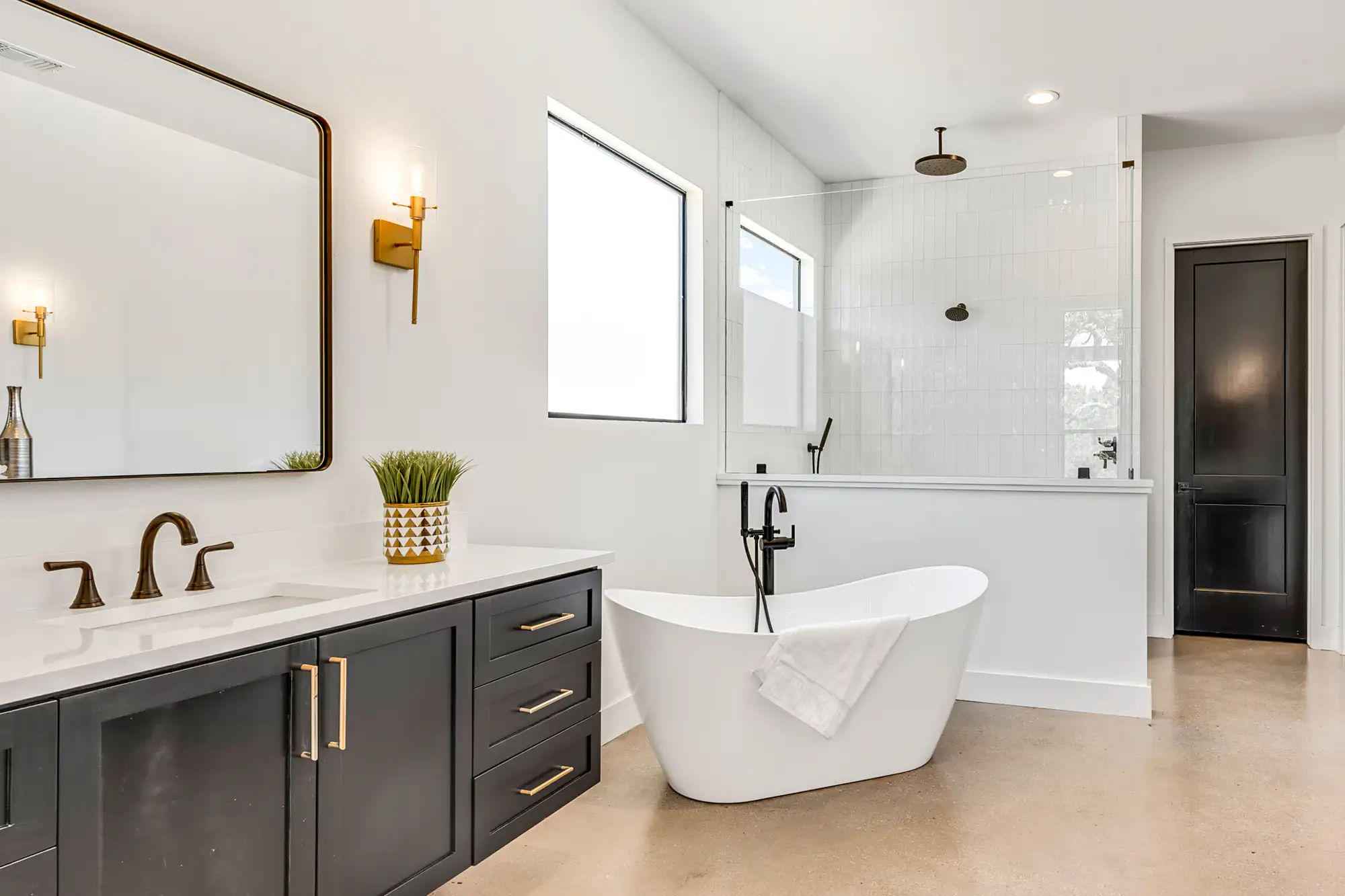
More than half of homeowners now prioritize a larger shower over keeping a bathtub in their primary bathroom. That’s a real shift, and it’s driven by how people actually use their bathrooms.
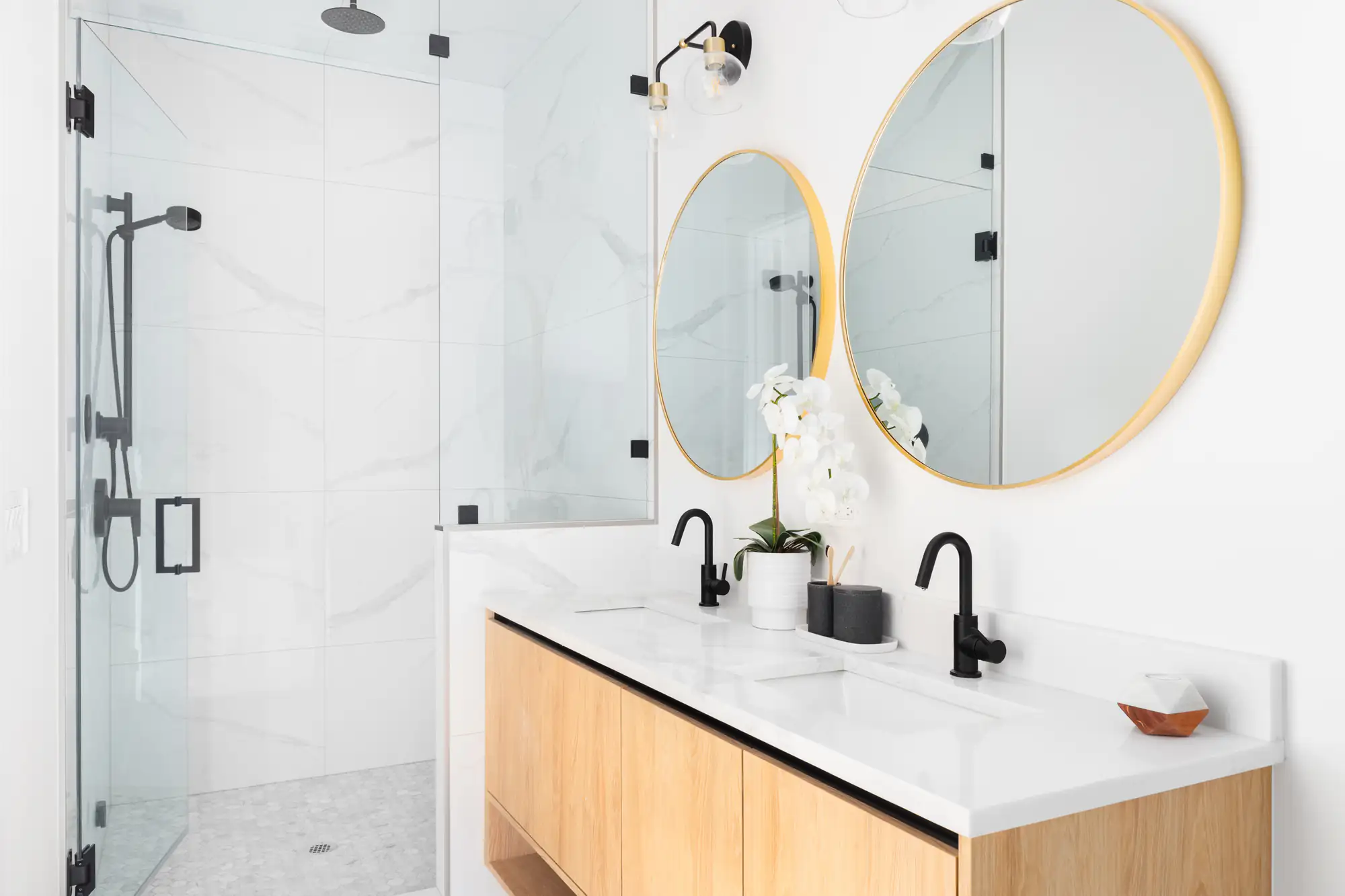
Walk-in showers offer something tubs don’t: space, accessibility, and a spa-like experience without the wait. Frameless glass enclosures make even small bathrooms feel more open. Low-threshold or curbless entries eliminate tripping hazards and work for all ages. Multi-head shower systems let you customize water pressure and temperature in ways a standard tub-shower combo never could.
If you’re renovating a bathroom in Suffolk County and debating whether to keep the tub, ask yourself when you last used it. If the answer is “rarely” or “never,” that’s valuable real estate you could be using better. A well-designed walk-in shower with a built-in bench, rainfall showerhead, and handheld sprayer delivers more daily value than a tub that collects dust.
That said, if you have kids or this is your only bathroom, a tub still makes sense. But for primary bathrooms or guest baths, the walk-in shower wins on function, safety, and resale appeal. Just make sure we understand Suffolk County waterproofing requirements. Proper slope, drainage, and moisture barriers aren’t negotiable, especially in our climate.
One more thing: if you’re working with a small bathroom, a corner walk-in shower with a neo-angle glass enclosure can free up floor space without making the room feel boxed in. Pair it with vertical tile to draw the eye up, and suddenly that 5×7 feels a lot more manageable.
You don’t need a $50,000 budget to create a bathroom that feels like a retreat. Spa-inspired design in 2026 is less about expensive fixtures and more about thoughtful choices that affect how the space feels.
Start with lighting. Harsh overhead lighting kills any spa vibe instantly. Layered lighting—ambient, task, and accent—gives you control. Dimmable sconces flanking the mirror for grooming. Recessed ceiling lights for general illumination. Even a small LED strip under a floating vanity adds warmth without glare. The ability to adjust brightness throughout the day makes a bigger difference than most homeowners expect.
Next, consider texture and warmth underfoot. Heated floors aren’t just a luxury anymore. In Suffolk County, where winter mornings can be brutal, radiant floor heating transforms your bathroom experience. Installation costs have come down, and the energy use is minimal when zoned properly. If that’s outside your budget, even a high-quality bath mat in a natural fiber adds tactile comfort.
Color matters more than you think. The stark white bathroom trend is giving way to warmer, nature-inspired tones. Soft clay, warm sand, muted beige, even sage green—these colors create a grounding effect that white alone can’t match. They also hide water spots and soap residue better, which means less time scrubbing and more time relaxing.
For fixtures, look for finishes that feel substantial without being fussy. Brushed nickel, warm brass, and bronze tones are replacing the matte black hardware that dominated for years. They’re easier to maintain, they don’t show fingerprints, and they pair beautifully with natural materials like wood and stone.
Storage is the unsung hero of spa bathrooms. Clutter destroys calm faster than anything else. Built-in niches in the shower, a wall-mounted vanity with drawers that actually organize toiletries, medicine cabinets with integrated lighting—these aren’t glamorous upgrades, but they’re the ones you’ll appreciate every single day.
And if you want one splurge-worthy feature, consider a rainfall showerhead or a thermostatic valve that maintains consistent water temperature. Both deliver that “this is my space” feeling without requiring a gut renovation.
Want live answers?
Connect with a Jaguar Renovation expert for fast, friendly support.
Small bathrooms are where smart design earns its keep. You can’t hide poor planning with square footage, so every choice has to pull its weight.
The good news? Small bathroom remodeling in Suffolk County doesn’t have to cost $20,000. With the right priorities, you can transform a cramped, outdated space for significantly less. The key is knowing where to spend and where to save.
Focus on layout first. If your current setup forces you to squeeze past the vanity to reach the shower, or if the door swings into the toilet, those aren’t quirks—they’re design failures. Sometimes a small layout tweak, like swapping a hinged door for a pocket door or moving the vanity a few inches, makes a dramatic difference in how the room functions.
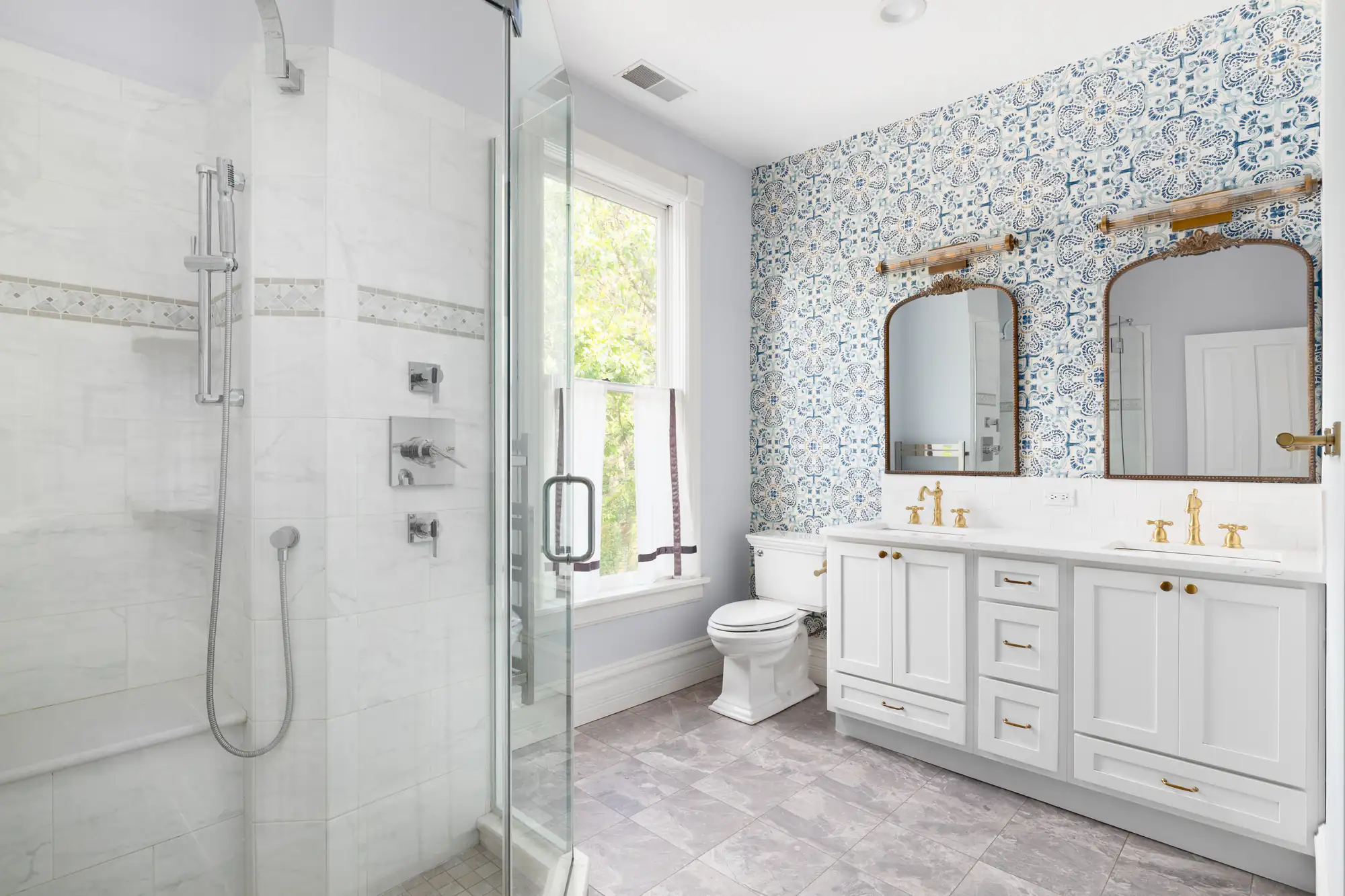
Moving plumbing is expensive. In Suffolk County, once you start rerouting pipes, you’re looking at permits, inspections, and labor costs that can double your budget. The smarter play? Work with your existing plumbing locations and optimize everything else.
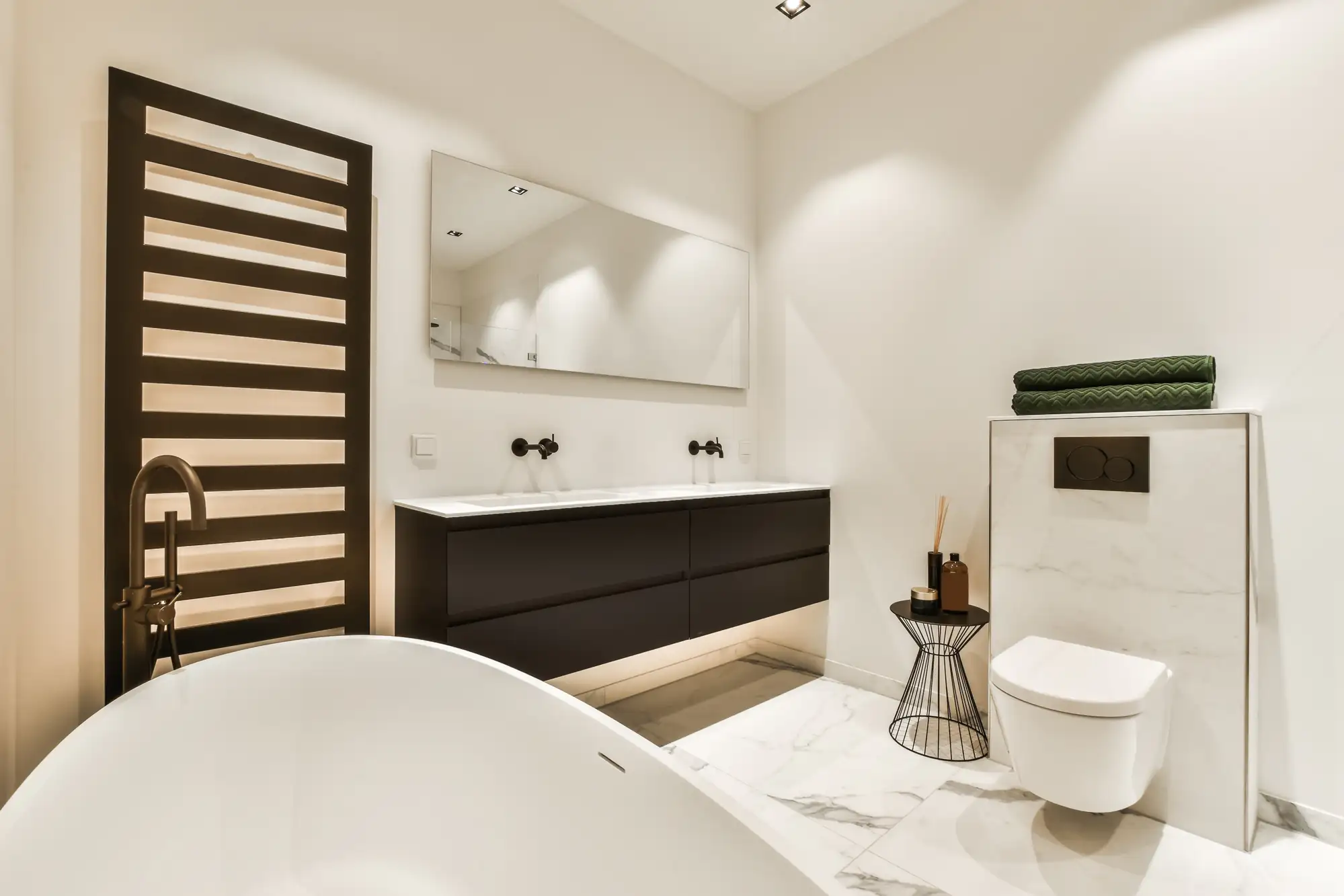
A floating vanity in the same footprint as your old one instantly makes the room feel larger. You see more floor, which tricks the eye into perceiving more space. Pair it with a wall-mounted faucet to free up counter space, and suddenly you have room for the toiletries you actually use.
Swap a traditional hinged shower door for a frameless glass panel or a sliding door. Hinged doors require clearance that small bathrooms don’t have. Frameless glass also eliminates visual barriers, making the shower area feel like part of the room instead of a separate box.
Mirrors are your friend. A large mirror above the vanity reflects light and depth. If you have wall space, consider extending the mirror wider than the vanity itself. The continuity makes the wall recede visually.
Storage needs to go vertical. A tall, narrow cabinet fits in corners or beside the vanity without eating floor space. Recessed medicine cabinets sit flush with the wall instead of jutting out. Even shallow floating shelves above the toilet or beside the shower can hold towels and essentials without crowding the room.
Tile choice matters more in small spaces. Large-format tiles mean fewer grout lines, which creates a cleaner, more continuous look. That doesn’t mean you need expensive stone—porcelain in a neutral tone works beautifully and costs a fraction. Save the decorative tile for one accent wall or the shower niche, not the entire room.
Lighting can’t be an afterthought. One overhead fixture casts shadows exactly where you don’t want them. Add sconces at eye level on either side of the mirror. If your ceiling height allows, a small pendant or semi-flush mount fixture adds visual interest without taking up physical space.
And here’s something we always mention: keeping your toilet, sink, and shower in their current locations doesn’t mean you can’t upgrade them. A new toilet with a sleeker profile, a modern vessel sink, or a frameless shower enclosure can completely change the room’s look without touching a single pipe.
Let’s talk numbers. A full bathroom remodel in Suffolk County averages around $16,500, but that range is wide. Small bathroom renovations can run anywhere from $8,000 to $15,000 depending on finishes and scope. Primary bathrooms with custom features can climb to $18,000 or well beyond.
Here’s what drives those costs: labor, materials, permits, and how much you’re changing. If you’re keeping the layout and swapping fixtures, you’re on the lower end. If you’re moving walls, rerouting plumbing, or adding custom tile work, expect the higher end.
Permits in Suffolk County start around $250 for basic bathroom alterations under $50,000, but you’ll also need separate permits for electrical and plumbing work. Approval times run 2-3 weeks for straightforward projects, longer if you’re making structural changes. Skipping permits isn’t worth the risk—code violations can cost you far more in the long run, especially if you ever sell.
So where should your money go? Waterproofing and ventilation are non-negotiable. Cutting corners here leads to mold, rot, and expensive repairs down the line. Spend on proper moisture barriers, quality exhaust fans, and skilled installation. These aren’t sexy upgrades, but they protect your investment.
Next priority: fixtures you touch every day. The faucet, showerhead, toilet, and vanity are worth spending on because you interact with them constantly. A cheap faucet that drips or a toilet that runs wastes water and money. Quality fixtures also tend to have better warranties and longer lifespans.
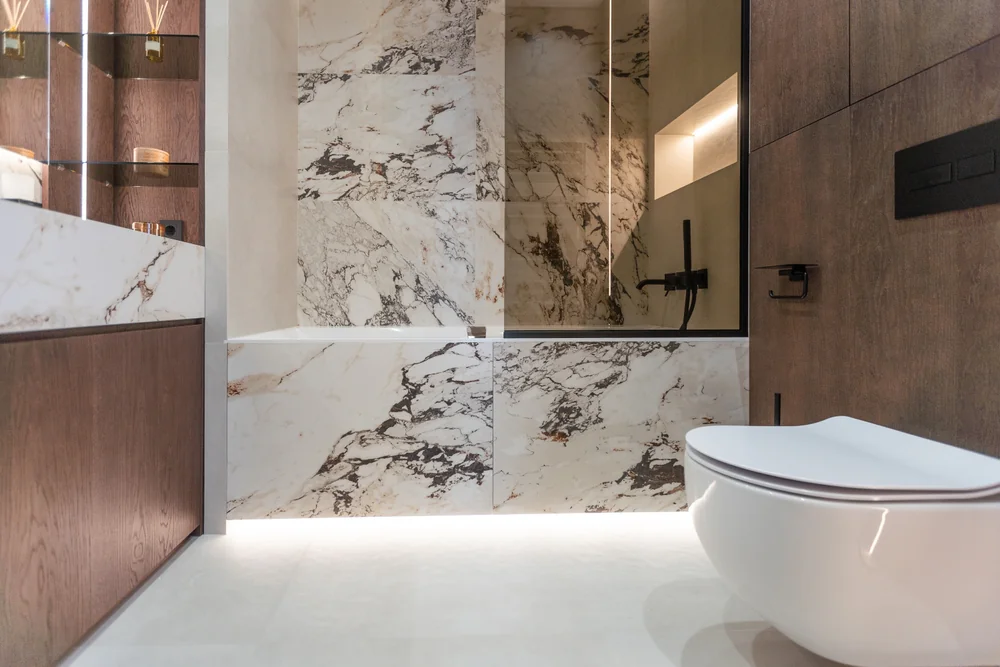
Tile is where you can be strategic. Use affordable, durable porcelain or ceramic for the majority of surfaces, then splurge on a statement tile for one feature wall or the shower floor. This gives you visual interest without blowing the budget on materials you’ll barely notice.
Cabinetry and storage matter more than most people think. A well-designed vanity with actual organizational features beats a pretty one with wasted space. Soft-close drawers, dividers, and pull-out organizers cost a bit more upfront but make the bathroom functional for years.
Lighting is an easy place to upgrade without overspending. LED fixtures cost more initially but last longer and use less energy. Dimmer switches add versatility for under $50. The impact on how the room feels is disproportionate to the cost.
Where can you save? Paint and accessories. These are easy DIY tasks that don’t require specialized skills or tools. You can also save by choosing prefab shower units over custom tile if you’re working with a standard alcove. Modern prefab options look significantly better than they used to, and installation is faster and cheaper.
One more thing: set aside 10-15% of your budget for contingencies. Older homes in Suffolk County often hide surprises behind walls—outdated wiring, water damage, plumbing that doesn’t meet current code. Having a buffer prevents panic when we discover something that needs addressing.
Bathroom remodeling in 2026 comes down to making choices that work for your daily life, not just what looks good in photos. The trends that matter are the ones solving real problems: creating calm in a chaotic world, maximizing limited space, reducing maintenance, and building in flexibility for the future.
Whether you’re drawn to warm, spa-inspired design or you just need a bathroom that functions better, the key is finding a contractor who listens to what you actually need and communicates honestly about what it takes to get there. No surprise costs. No pressure tactics. Just straightforward guidance from people who’ve done this work in Suffolk County long enough to know what holds up.
If you’re ready to move forward with a bathroom renovation that’s built on quality craftsmanship and transparent pricing, we bring nearly a decade of experience to every project, from planning through final walkthrough.
Summary:
Share: