
Hear from Our Customers
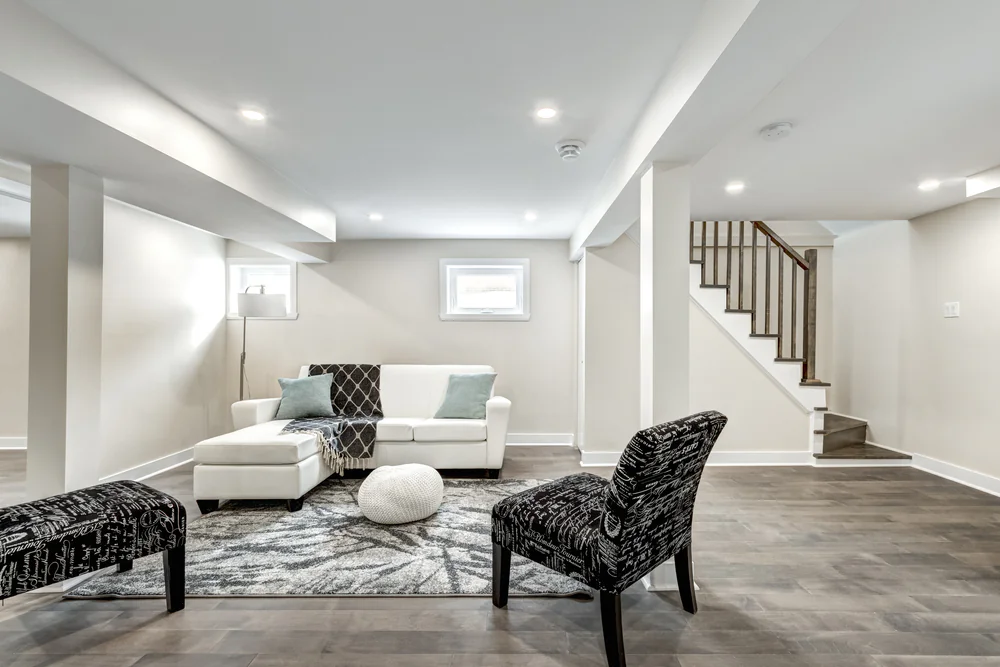
You’re not looking to just “finish” your basement. You want a home office that doesn’t feel like a dungeon. A guest suite your in-laws will actually enjoy. A playroom where your kids can make noise without you losing your mind.
The problem is that most basement remodels in Lindenhurst start with big promises and end with change orders, moisture problems, or work that doesn’t pass inspection. You’re stuck between wanting more space and not wanting to gamble $50,000 on a contractor you found online.
Here’s what actually matters: your basement stays dry, the work gets permitted correctly the first time, and you know exactly what you’re paying before anyone picks up a tool. That’s the difference between a basement renovation near me that adds value and one that becomes your most expensive regret.
When we finish your basement, you’re getting space that works the way you need it to—without the moisture issues, code violations, or budget surprises that make you wish you’d never started.
We’ve been handling basement remodels across Lindenhurst and Suffolk County for almost ten years. That means we know exactly what the building department wants to see, which materials hold up in Long Island basements, and how to design around the mechanicals and support beams nobody wants to look at.
You won’t get subcontractors showing up to your house. Our crews are in-house, licensed, and insured—and they’ve done this enough times to spot problems before they become expensive ones.
We don’t do sales pressure or surprise fees. You’ll get a fixed price upfront, a clear timeline, and a one-year warranty on the work. If you’re in Lindenhurst and you’re tired of contractors who overpromise and underdeliver, we’re the alternative.
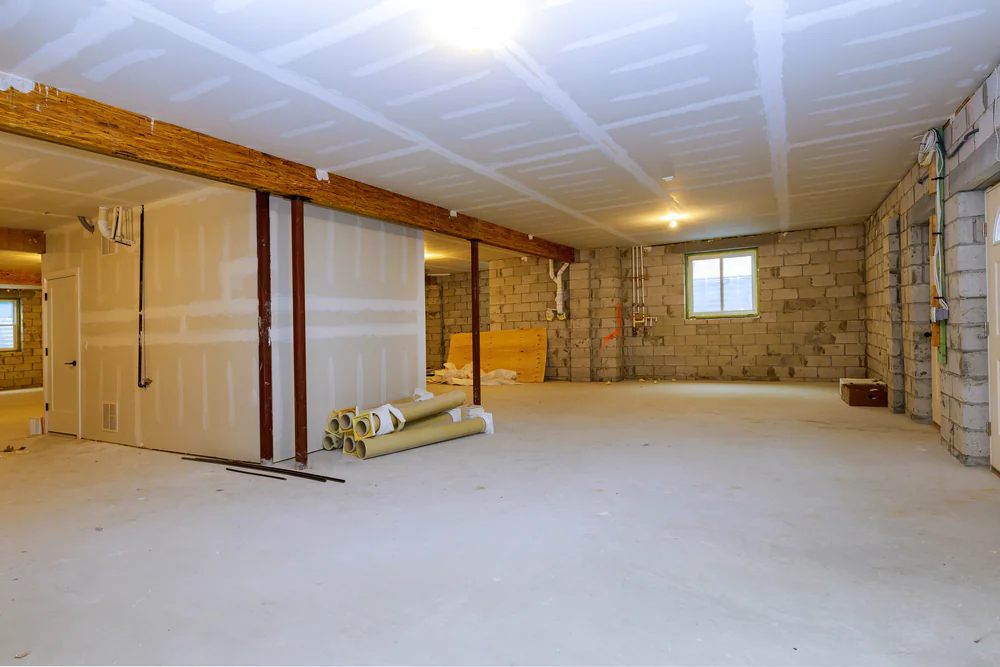
First, we come to your house in Lindenhurst and actually look at your basement. We’re checking for moisture, measuring ceiling height, looking at your electrical panel, and figuring out what’s realistic given your layout and budget. You’ll get a fixed-price estimate that includes everything—permits, materials, labor, and cleanup.
Once you’re ready to move forward, we handle the permit process with the Town of Babylon. This isn’t optional, and it’s not something you want to skip. Suffolk County takes basement work seriously, especially egress windows and ceiling height requirements. We make sure everything is code-compliant before we start and when the inspector shows up.
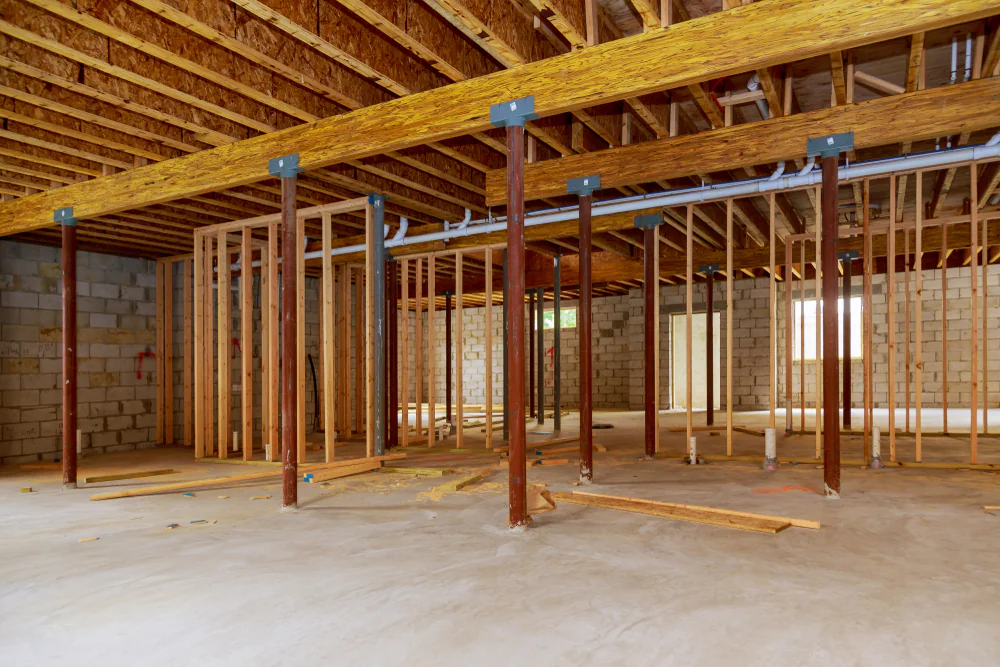
During construction, you’ll have the same crew from start to finish. We’re framing walls, running electrical and plumbing if needed, installing moisture-resistant drywall, and adding egress windows where required. If your basement needs waterproofing, we handle that first—because finishing over a moisture problem is just expensive drywall that’s going to fail.
When we’re done, you’ll have a final walkthrough, a one-year warranty, and a basement that actually adds value to your Lindenhurst home. No surprises. No shortcuts. Just work that’s built to last.
Ready to get started?
Your basement remodel includes framing, insulation, moisture-resistant drywall, electrical work, flooring, and trim. If you’re adding a bedroom, bathroom, or kitchenette, we handle the plumbing and ensure everything meets Suffolk County code requirements. That means proper egress windows, minimum seven-foot ceiling heights, and GFCI outlets where required.
In Lindenhurst, most homeowners are turning basements into guest suites, home offices, or entertainment spaces. The average investment runs between $30,000 and $75,000 depending on size and finishes. You’re looking at roughly $100 to $125 per square foot for quality work that includes permits, materials, and labor—no hidden fees.
We use materials designed for below-grade environments. That means mold-resistant drywall, vinyl or engineered flooring that can handle humidity, and insulation that won’t trap moisture. If your basement has water issues, we address those first with proper drainage, sump pumps, or exterior waterproofing.
Every project comes with a one-year warranty on workmanship and full insurance coverage. You’re not just getting a finished basement—you’re getting space that’s safe, dry, and built to Suffolk County standards. And when you sell your Lindenhurst home, that finished basement is going to show up in your appraisal.

Most basement finishing projects in Lindenhurst run between $30,000 and $75,000, depending on the size of your basement and what you’re building down there. If you’re just finishing an open space with a bedroom, bathroom, and rec area, you’re probably looking at $50,000 to $60,000 for a typical 800- to 1,000-square-foot basement.
The cost per square foot usually falls between $100 and $125 for quality work that includes permits, licensed contractors, and materials that actually hold up in Long Island basements. If you’re adding a full apartment with a kitchen, separate entrance, and high-end finishes, you could be closer to $100,000 or more.
Here’s what drives the cost up: plumbing and electrical work, egress windows (required by code if you’re adding bedrooms), waterproofing, and the quality of finishes you choose. If your basement has moisture issues or low ceilings, you’ll need to address those before finishing, which adds to the budget. Anyone quoting you $20,000 to finish a basement in Suffolk County is either cutting major corners or doesn’t understand what’s required to pass inspection.
Yes. Any major basement renovation in Lindenhurst requires a permit from the Town of Babylon, and skipping this step is a mistake that will cost you later. If you’re adding walls, electrical, plumbing, or turning your basement into livable space, you need a permit—and the work needs to pass inspection.
Suffolk County building codes are strict about basement finishing, especially when it comes to egress windows, ceiling height, and electrical work. If you finish your basement without permits and try to sell your house later, it’s going to show up during the home inspection. You’ll either have to rip everything out and start over, or the buyer will walk.
Getting permits also protects you. It ensures the work is done safely and up to code, which matters if there’s ever a fire or flood. We handle the permit process as part of the job—it’s not something you should be figuring out on your own. The permit costs a few hundred dollars and takes a few weeks to process, but it’s worth it to avoid tens of thousands in problems down the road.
Keeping your basement dry starts before you finish it. If you’ve got water coming in through the foundation, cracks in the walls, or a musty smell, you need to fix that first. Finishing over a moisture problem just means you’ll be ripping out moldy drywall in two years.
The most common fixes include installing or upgrading your sump pump, adding interior or exterior drainage systems, sealing foundation cracks, and making sure your gutters and grading are directing water away from your house. In Lindenhurst, where the water table can be high and heavy rain is common, a good sump pump and proper drainage are non-negotiable.
Once the moisture issue is handled, you finish the basement with materials designed for below-grade spaces—mold-resistant drywall, closed-cell foam insulation, and flooring that can handle humidity like luxury vinyl or engineered wood. Avoid carpet and standard drywall in basements. They trap moisture and create mold problems. A properly finished basement in Suffolk County should stay dry year-round, but it starts with addressing water issues before you frame a single wall.
Egress windows are large, code-compliant windows that provide a safe exit from your basement in case of fire or emergency. If you’re finishing your basement and adding a bedroom, Suffolk County code requires an egress window in that room—no exceptions.
The window has to meet specific size requirements: minimum 5.7 square feet of opening, at least 20 inches wide, 24 inches high, and no more than 44 inches from the floor. It also needs a window well outside that’s large enough for someone to climb out and for firefighters to get in. This isn’t optional, and it will come up during your inspection.
Installing egress windows in Lindenhurst usually means cutting through your foundation, digging out a window well, and installing the window and well system. It adds $3,000 to $5,000 per window to your project, but it’s required by code and it makes your basement safer. If you’re turning your basement into living space and you don’t have egress windows, we’ll tell you upfront that you need them. It’s not a corner you can cut.
Most basement finishing projects in Lindenhurst take between six and ten weeks from start to finish, depending on the size and complexity of the job. That includes time for permits, which can take two to four weeks to get approved by the Town of Babylon.
Once construction starts, a straightforward basement with one bedroom, one bathroom, and an open living area usually takes four to six weeks. If you’re adding a full apartment with a kitchen, multiple rooms, and extensive plumbing and electrical work, expect closer to eight to ten weeks.
The timeline also depends on whether your basement needs waterproofing or structural work before finishing. If we need to install a sump pump, seal foundation cracks, or add egress windows, that adds time upfront. Weather can also slow things down if we’re doing exterior work like window wells or drainage. The key is working with us to get a realistic timeline and actually stick to it—not rushing the job to move on to the next one.
The best use depends on what your household actually needs, but the most common and valuable options in Lindenhurst are guest suites, home offices, and entertainment spaces. A guest suite with a bedroom, bathroom, and small sitting area is popular with families who have aging parents or adult kids moving back home. It gives everyone privacy and adds serious value when you sell.
Home offices became a huge priority over the last few years, and a finished basement gives you a quiet, separated workspace that doesn’t take over your main living area. If you work from home, a basement office with good lighting, proper insulation for sound, and reliable internet is worth the investment.
Entertainment spaces—game rooms, home theaters, or bars—are also popular, especially in Suffolk County where basements are often the only place you can add significant square footage without building an addition. The key is designing the space with resale in mind. A basement with a bedroom and bathroom will appeal to more buyers than one that’s just a custom home theater. Whatever you build, make sure it’s permitted, code-compliant, and finished with quality materials. That’s what actually adds value to your Lindenhurst home.