
Hear from Our Customers
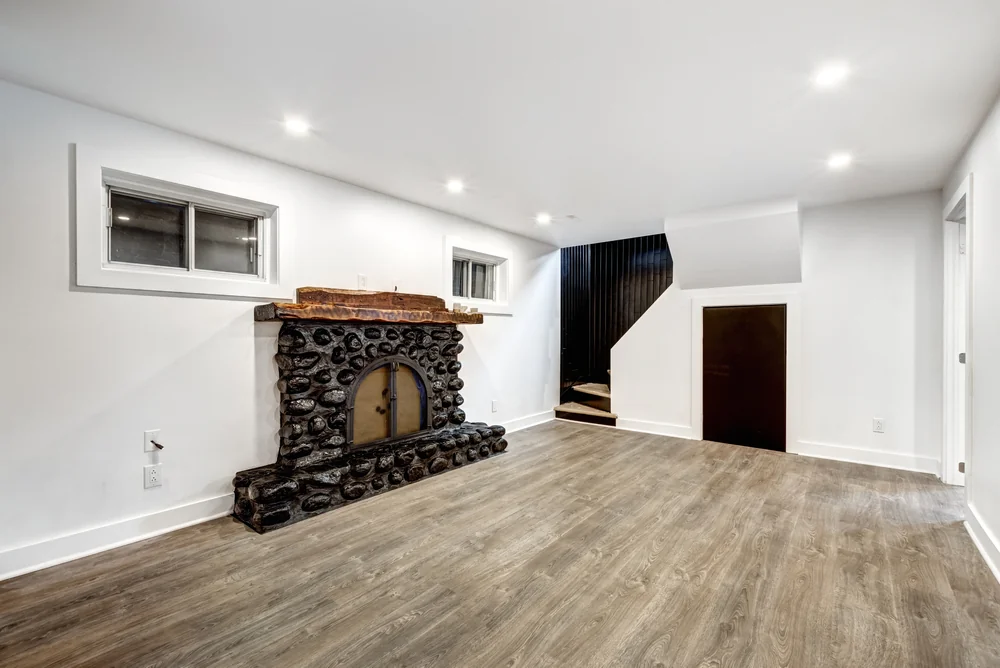
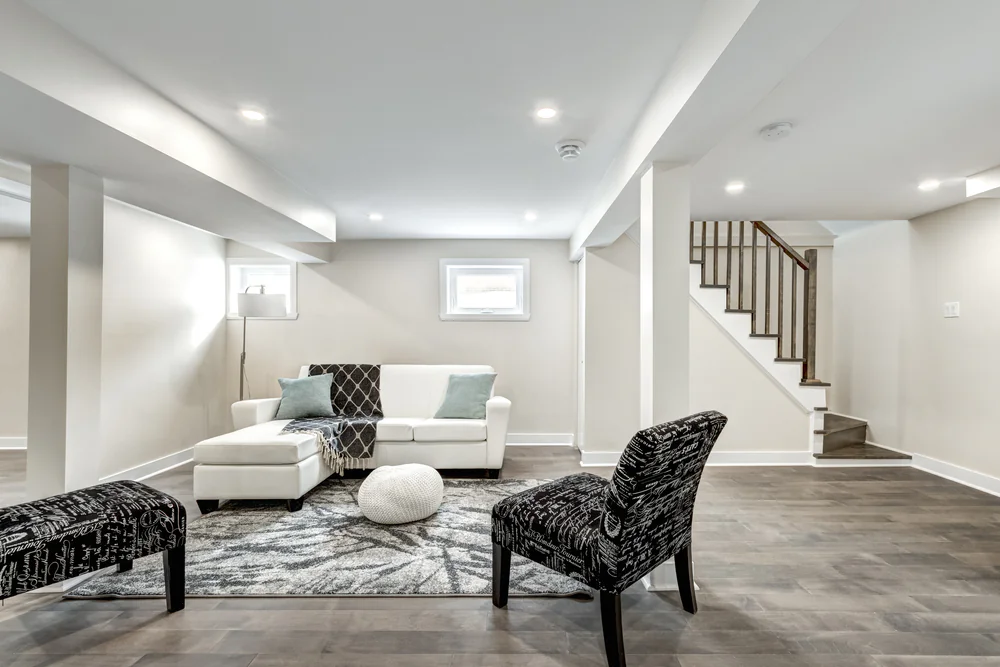
You’re not just adding drywall and carpet. A properly finished basement gives you livable space that doesn’t smell like mildew, doesn’t fail inspection, and doesn’t turn into a moisture problem two years later.
That means egress windows that meet Suffolk County code. Moisture barriers that actually work in Long Island’s climate. Insulation that keeps the space comfortable year-round. And a layout that makes sense for how you’ll actually use it—whether that’s a home office, guest suite, or place for the kids to hang out.
Most basement remodels in this area run between eight and sixteen weeks, depending on size and scope. The timeline matters because you’re living in the house while the work happens. You need a crew that shows up on schedule, keeps the job site clean, and doesn’t leave you guessing what’s happening next.
We’ve been handling basement finishing projects across Patchogue and Suffolk County since 2016. We’re licensed, insured, and we only use in-house crews—no subcontractors bouncing between jobs or disappearing mid-project.
Patchogue homeowners deal with specific challenges: older homes with quirky layouts, moisture issues from being close to the water, and strict local building codes that change depending on your zone. We’ve handled enough basements in this area to know what works and what doesn’t.
We also know that most people reaching out for basement remodeling near me have already had a bad contractor experience or heard enough horror stories to be cautious. That’s why we quote fixed pricing upfront, handle all permitting ourselves, and back our work with a one-year warranty on workmanship.
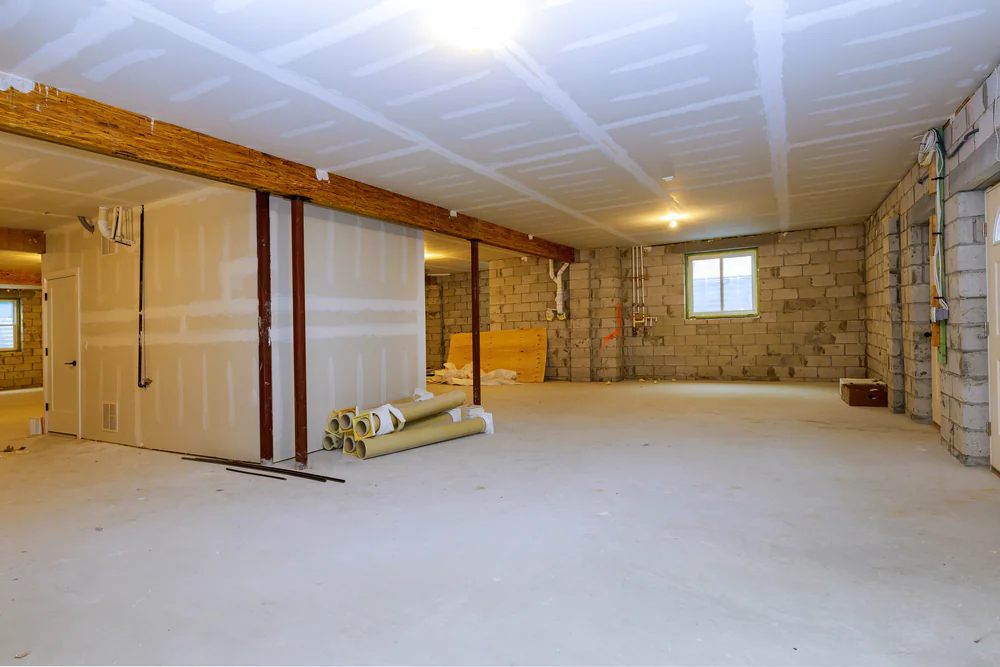
First, we come out to assess your basement. We’re looking at moisture levels, existing egress, ceiling height, electrical capacity, and whether your foundation has any issues that need addressing before we finish anything. This isn’t a sales call—it’s a real evaluation.
Once we know what we’re working with, we walk you through what’s required by code, what’s optional, and where your budget makes the most sense. You’ll get a fixed-price quote that includes materials, labor, permits, and timeline. No allowances, no “we’ll figure it out later” line items.
During construction, the same crew starts and finishes your job. We pull permits, schedule inspections, and coordinate everything so you’re not managing five different people. Most basement renovations in Patchogue take ten to fourteen weeks depending on size, and we keep the work area contained so the rest of your house stays livable. When we’re done, you get a space that’s code-compliant, moisture-controlled, and actually finished—not just covered up.
Ready to get started?
A finished basement in Suffolk County isn’t just framing and drywall. It’s waterproofing, proper insulation rated for below-grade spaces, and egress windows that meet the 5.7-square-foot opening requirement. It’s electrical work that’s up to code and lighting that makes the space feel like part of your house, not a dungeon.
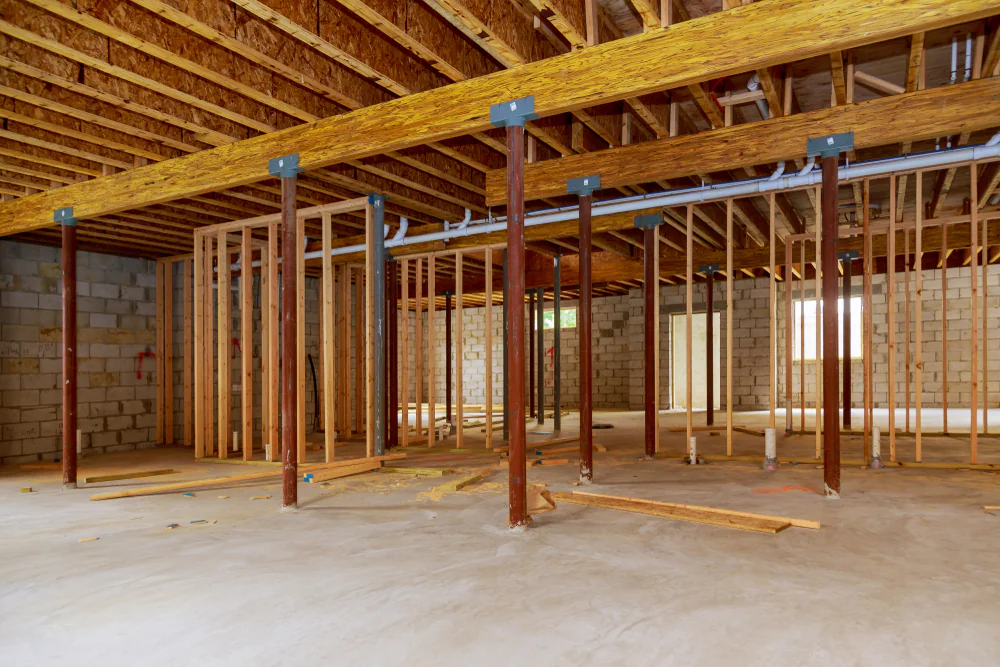
In Patchogue, most homes were built between the 1950s and 1980s, which means your basement probably wasn’t designed with finishing in mind. We handle the structural updates—adding support where needed, addressing low ceilings, rerouting utilities that are in the way. We also install moisture barriers and use materials that won’t rot or grow mold when humidity spikes in the summer.
You’ll also need a certificate of occupancy if you’re adding livable space, which means everything has to pass inspection. We manage that process from start to finish. The goal is a basement that adds real value to your home—not just square footage on paper, but space you’ll actually use and enjoy. According to local market data, a properly finished basement in Suffolk County can return 70-75% of your investment when you sell, but only if it’s done to code and built to last.

Yes. Any basement remodel that includes electrical work, plumbing, or adding livable space requires a permit from the Town of Brookhaven, which oversees Patchogue. This isn’t optional, and it’s not just red tape.
Permits ensure your basement meets fire safety codes, has proper egress in case of emergency, and is structurally sound. If you skip the permit and try to sell your home later, it can kill your deal. Inspectors will flag unpermitted work, and you’ll either have to rip it out or go through the permit process retroactively—which is more expensive and complicated.
We handle all permitting as part of our service. That means pulling the permits, scheduling inspections at the right stages, and making sure everything passes the first time. It adds a few weeks to the timeline, but it protects your investment and keeps you legal.
Most basement finishing projects in Patchogue run between $30,000 and $65,000, depending on size, layout, and what you’re adding. A basic finish with one open room, standard materials, and minimal plumbing will land on the lower end. If you’re adding a bathroom, multiple rooms, or high-end finishes, you’ll be closer to the upper range.
The biggest cost drivers are egress windows (required by code), moisture control systems, electrical upgrades, and whether your basement needs structural work before we can finish it. We price everything upfront so there’s no guessing. You’ll know exactly what you’re paying before we start.
One thing to watch for: if a contractor gives you a price that’s way below market, they’re either skipping permits, using subcontractors who cut corners, or planning to hit you with change orders later. A properly finished basement costs what it costs because it’s being done right.
Most basement renovations in Patchogue take between ten and sixteen weeks. That includes permitting time, which can add two to three weeks on the front end depending on how backed up the town is.
The actual construction timeline depends on the scope of work. A straightforward finish with one open space and basic electrical might take eight weeks. If you’re adding a bathroom, multiple rooms, or dealing with moisture issues that need remediation first, it could stretch to fourteen or sixteen weeks.
We give you a detailed timeline during the estimate so you know what to expect. The key is that our crews show up consistently and stay on your job until it’s done—we don’t juggle five projects at once and leave you waiting. Most delays in this industry come from subcontractors who don’t show up or permit issues that weren’t planned for. We avoid both by using in-house crews and handling permits ourselves.
Suffolk County requires at least one egress window in any basement bedroom or living space. The window has to have a minimum opening of 5.7 square feet, with no dimension smaller than 20 inches. The bottom of the opening can’t be more than 44 inches from the floor.
This isn’t just a code requirement—it’s a safety issue. If there’s a fire and the stairs are blocked, that egress window is how you get out. It’s also how firefighters get in. Basements without proper egress are dangerous, and they won’t pass inspection.
Installing an egress window means cutting through your foundation, digging out a window well, and making sure everything is waterproofed correctly. It’s one of the bigger expenses in a basement remodel, but it’s non-negotiable. We include egress windows in every basement finishing project where they’re required, and we make sure they’re installed to code the first time.
Moisture is the biggest threat to a finished basement, especially in Patchogue where you’re close to the water and humidity is high in the summer. If moisture isn’t controlled before you finish the space, you’ll end up with mold, rot, and materials that fail within a few years.
We start by testing moisture levels in your concrete and checking for active leaks or seepage. If there’s a drainage issue, we address it before finishing anything. That might mean installing a sump pump, adding exterior drainage, or applying a waterproof membrane to your foundation walls.
Once the space is dry, we use moisture-resistant materials—mold-resistant drywall, closed-cell foam insulation, and flooring that can handle humidity swings. We also make sure your basement has proper ventilation so moisture doesn’t build up over time. The goal is a finished basement that stays dry and comfortable year-round, not one that smells musty or grows mold the first summer after it’s done.
Yes, but it requires careful planning. Adding a bathroom means running new plumbing, which can be complicated if your basement floor is concrete and your main sewer line isn’t in the right spot. In some cases, you’ll need an ejector pump to move waste up to your main line.
You’ll also need to meet code requirements for ventilation, which usually means adding an exhaust fan that vents to the outside. And the bathroom has to be part of your overall egress plan—if it’s in a separate room, that room might need its own egress window depending on the layout.
We handle bathroom additions as part of basement finishing projects regularly. The cost typically adds $8,000 to $15,000 to your total project depending on fixtures, tile work, and how much plumbing needs to be rerouted. It’s one of the upgrades that makes the biggest difference if you’re planning to use the basement as a guest suite, rental space, or in-law apartment.