
Hear from Our Customers
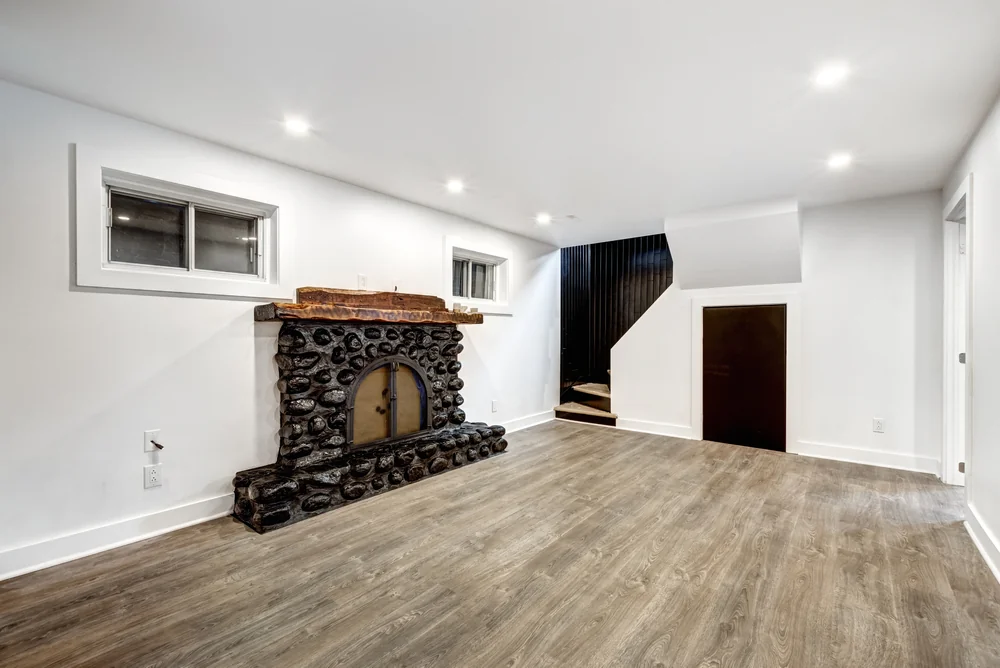
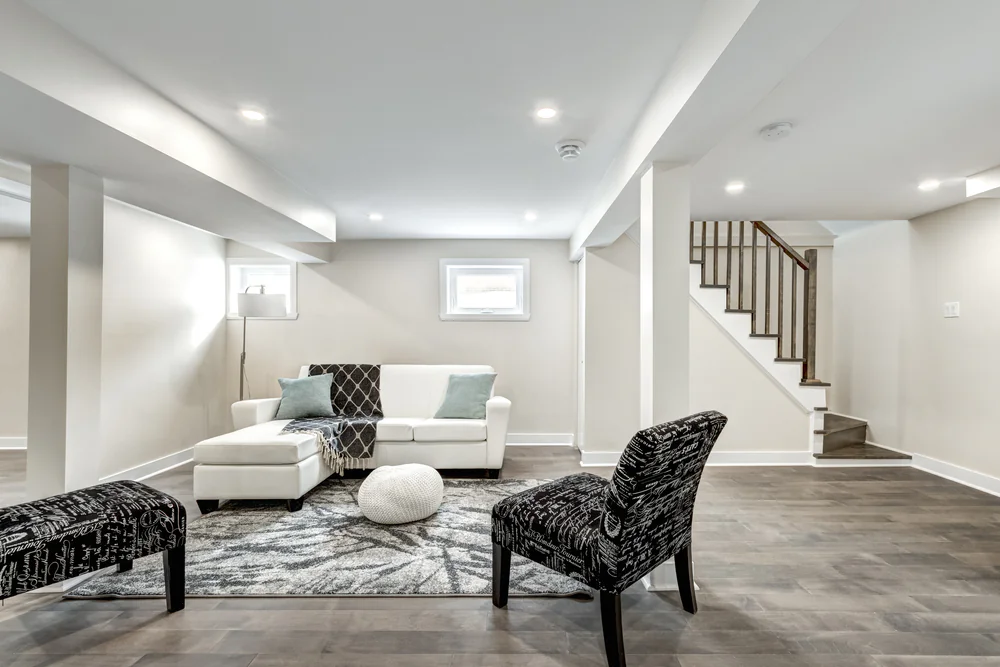
Your basement is probably the largest unused space in your home right now. Most Stony Brook homeowners sit on 800 to 1,200 square feet of potential living area that’s collecting dust, old furniture, or worse—moisture and mold.
Finishing that space costs a fraction of what you’d pay for an addition. You’re looking at $50 to $150 per square foot versus $200+ for new construction. That’s real square footage at a price that actually makes sense.
And it’s not just about the money. You get a home office that isn’t your kitchen table. A guest room that doesn’t require an air mattress in the living room. A playroom where your kids can actually make noise. Whatever you need, your basement can handle it—if it’s done right.
The difference between a basement that works and one that doesn’t comes down to how it’s built. Proper moisture control. Code-compliant framing and electrical. Insulation that actually keeps the space comfortable. When those things are handled correctly from the start, you get a space that feels like part of your home, not an afterthought.
We’ve been finishing basements across Suffolk County since 2015. We’re licensed contractors who handle everything in-house—no subcontractors, no surprises.
That matters more than you might think. When the same crew that frames your walls also handles the electrical and finishes the drywall, there’s accountability at every step. If something needs adjusting, you’re talking to the people who actually did the work.
We’ve worked in enough Stony Brook homes to know what you’re dealing with. The soil composition here creates unique drainage challenges. The humidity from being on Long Island means moisture control isn’t optional. And Suffolk County’s permit requirements are specific—skip a step and you’re looking at fines or worse when you try to sell.
Our pricing is fixed before we start. One-year warranty on workmanship. Full insurance coverage. We’re not the cheapest option, and that’s intentional—you’re paying for work that lasts and crews who show up when they say they will.
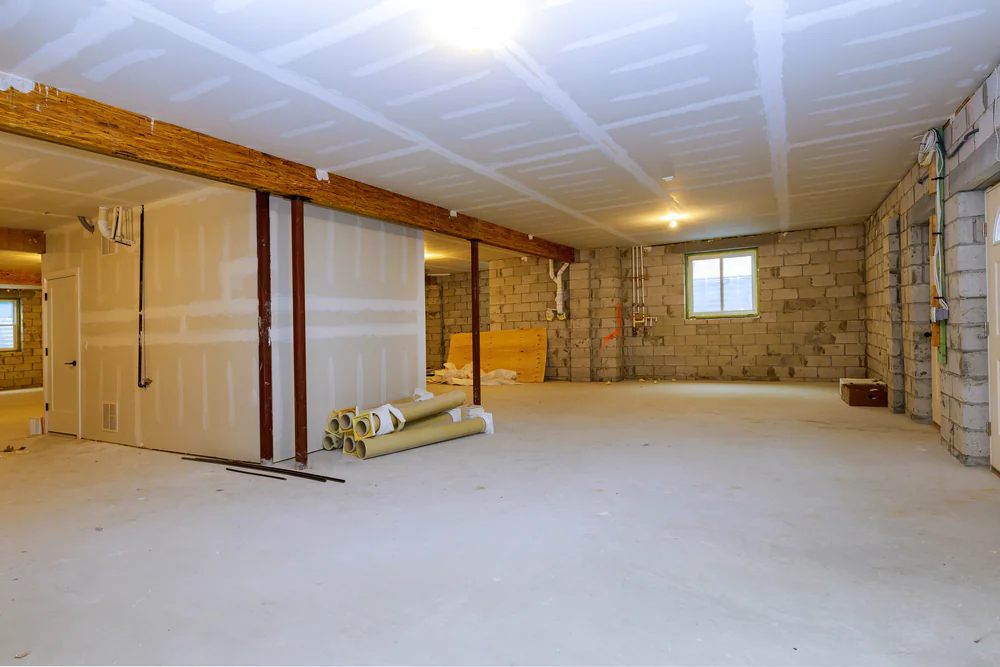
We start with an on-site consultation at your home. You show us the space, tell us what you want to use it for, and we assess what’s already there—foundation condition, existing moisture issues, electrical capacity, ceiling height. This usually takes about an hour.
From there, we put together a detailed proposal with fixed pricing. No ranges, no “depending on” language. You’ll know exactly what the project costs before we touch a single tool.
Once you approve, we handle the permit applications with Suffolk County. This typically takes two to three weeks for approval. While that’s processing, we finalize your design details and schedule your start date.
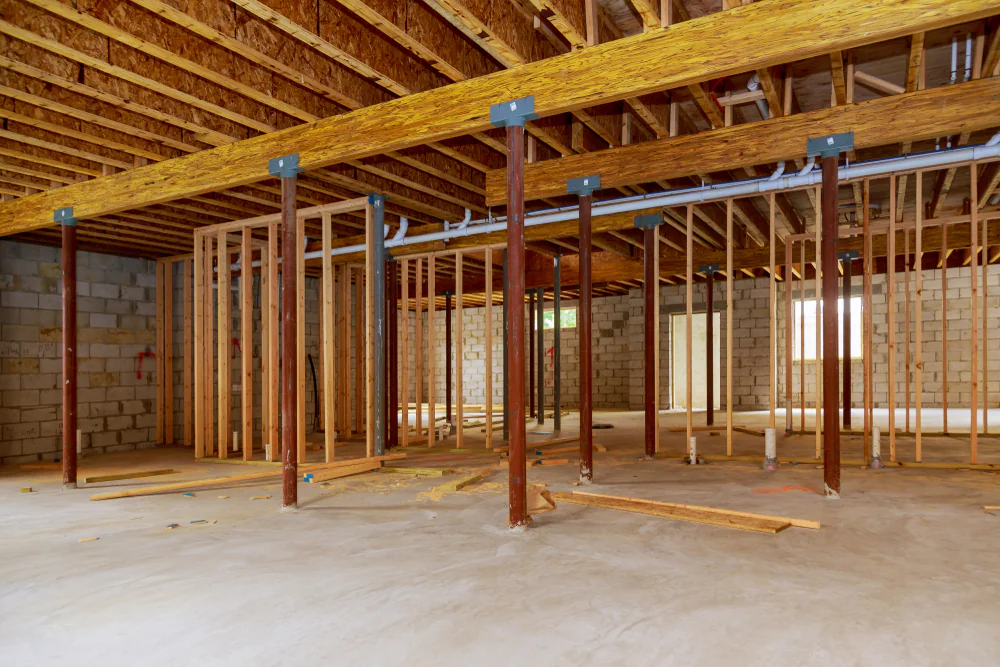
The actual work begins with moisture mitigation if needed—this might mean installing a vapor barrier, upgrading your sump pump, or addressing drainage around your foundation. Then we frame the walls, run electrical and any necessary plumbing, insulate, hang and finish drywall, install flooring, and complete trim work.
Most basement finishing projects in Stony Brook take four to eight weeks depending on size and complexity. We’ll give you a realistic timeline upfront. Our crew works on your project until it’s done—we don’t bounce between multiple jobs and leave you waiting.
Ready to get started?
A finished basement isn’t just drywall and paint. It’s a system of components that need to work together, especially in Stony Brook where moisture and building codes both demand attention.
We start below the surface. Moisture barriers go down first if your basement doesn’t already have proper waterproofing. This is non-negotiable on Long Island—the water table and humidity here will destroy a basement that isn’t protected. We use vapor barriers rated for below-grade applications and make sure your drainage system can handle heavy rain.
Framing comes next, built to Suffolk County code with proper spacing and fire-rated materials where required. Electrical gets run by licensed electricians, not handymen—this matters for both safety and resale. We add outlets where you’ll actually need them, not just where code requires them.
Insulation goes in the walls and often the ceiling, using closed-cell foam or high-R-value batts depending on your space and budget. This keeps your basement comfortable year-round and cuts your heating and cooling costs. Most Stony Brook homes see a noticeable difference in their utility bills after properly insulating their basement.
Drywall, finishing, flooring, trim, doors—all of it gets handled by our crew. We typically recommend luxury vinyl plank or engineered flooring for basements because both handle moisture better than traditional hardwood. Ceiling options range from drywall to drop ceilings depending on whether you need access to mechanicals.
The goal is a space that feels like the rest of your home, not a basement that was “finished” as cheaply as possible.

Yes. Suffolk County requires permits for basement finishing work, and Stony Brook follows those requirements. This includes electrical, plumbing, and structural work.
Some contractors will tell you permits aren’t necessary for basement work, or they’ll offer to do the job without pulling them to save you money. That’s a red flag. Working without permits can result in fines, and more importantly, it creates problems when you sell your home. Most buyers’ attorneys will ask for permits during the sale process, and unpermitted work can kill a deal or force you to rip everything out.
We handle the permit applications as part of our service. It adds a few weeks to the timeline while the county reviews and approves the plans, but it protects your investment. The work gets inspected at key stages—framing, electrical, insulation—which also means you have third-party verification that everything was done correctly.
The permit cost itself is usually a few hundred dollars depending on the scope of work. That’s a small price compared to the risk of doing it wrong.
Most basement finishing projects in Stony Brook run between $50,000 and $150,000. That’s based on the typical basement size here of 800 to 1,200 square feet and a cost range of $50 to $150 per square foot.
Where you land in that range depends on what you’re building. A basic finished space with standard materials and minimal plumbing runs closer to $50 per square foot. Add a full bathroom, custom built-ins, higher-end flooring, or a wet bar, and you’re looking at $100+ per square foot.
The single biggest variable is usually moisture mitigation. If your basement has existing water issues, you’ll need to address those before finishing work begins. That might mean installing or upgrading a sump pump system, adding exterior drainage, or waterproofing foundation walls. Those costs can add $5,000 to $15,000 depending on severity.
We provide fixed pricing after seeing your space, so you’ll know the exact cost before we start. No hourly rates, no “we’ll see how it goes” estimates. The number we give you is the number you pay unless you change the scope of work.
Plan on four to eight weeks for the actual construction work, plus two to three weeks for permit approval before we start. So you’re looking at roughly two to three months total from when you sign the contract to when you’re using the space.
Smaller, simpler projects—like finishing an open basement into a single large room with no bathroom—can sometimes be done in four weeks. Larger projects with multiple rooms, a full bathroom, extensive electrical work, or moisture remediation take closer to eight weeks.
The permit approval process is the one part we can’t control. Suffolk County typically takes two to three weeks to review and approve basement finishing permits, but that can stretch longer during busy periods. We submit complete, accurate applications to avoid delays, but it’s still a government process.
Once we start, our crew works on your project consistently. We don’t leave for days at a time to work other jobs. You’ll see progress every day, and we’ll keep you updated on where we are in the schedule. If something comes up that changes the timeline—like discovering an issue once walls are opened—we’ll tell you immediately, not three weeks later.
Moisture control starts outside your house, not inside your basement. You need proper grading so water drains away from your foundation, clean gutters that don’t overflow near your house, and downspouts that extend at least six feet from your foundation.
Inside, a working sump pump system is essential for most Stony Brook homes. The water table here and Long Island’s soil composition mean most basements deal with groundwater at some point. Your sump pump should have a battery backup—when you lose power during a storm is exactly when you need it most.
Before we finish any basement, we check for existing moisture issues. That means looking for water stains, efflorescence on the foundation walls, musty odors, or visible mold. If we find problems, we fix them first. There’s no point finishing a basement that’s going to develop mold in six months.
During construction, we install vapor barriers on foundation walls and under flooring where needed. We use mold-resistant drywall in basements. We make sure bathroom exhaust fans vent outside, not into the basement ceiling. And we insulate properly so you don’t get condensation issues from temperature differences.
The key is treating moisture control as a system, not a single fix. When all the pieces work together, your finished basement stays dry and comfortable.
Yes, and it’s one of the most common requests we get. Adding a bathroom makes your basement significantly more functional, especially if you’re creating a guest suite, home gym, or space where people will spend extended time.
The main consideration is how your home’s plumbing is set up. If your main sewer line runs through or below your basement floor, connecting a new bathroom is straightforward—we break the concrete, tie into the existing line, and install your fixtures. If your sewer line is above the basement floor level, you’ll need either a sewage ejector pump or an up-flush system to move waste upward. That adds cost but it’s completely doable.
Most basement bathrooms in Stony Brook include a toilet, vanity, and shower. Full tubs are less common because they take up more space and add weight, but they’re an option if you want one. We typically recommend larger-format tile for basement bathroom floors because it’s more water-resistant and easier to keep clean than smaller tiles with lots of grout lines.
Plumbing work requires its own permit in Suffolk County, and all work has to be done by licensed plumbers. We coordinate that as part of the project. Budget-wise, adding a basic three-piece bathroom to your basement finishing project usually adds $15,000 to $25,000 depending on fixture quality and finishes.
Yes, but not dollar-for-dollar. You’ll typically recoup 70 to 75 percent of what you spend on a basement finishing project when you sell. That’s still one of the better returns in home renovation, and it makes your home more marketable even beyond the appraisal value.
The real value is in how a finished basement positions your home compared to others on the market. When buyers are comparing similar homes in Stony Brook, the one with a finished basement gets more attention and often sells faster. You’re offering more usable living space without the higher price tag of a larger home.
That said, the return depends on doing it right. A basement finished without permits, with visible moisture issues, or with obviously cheap materials can actually hurt your value. Buyers and their inspectors will notice, and it raises questions about what else was done incorrectly.
The best approach is to finish your basement because you want to use the space, and treat any resale value as a bonus. If you’re planning to stay in your home for several years, you’ll get plenty of use out of that extra square footage. And when you do sell, you’ll be glad you have it.