Flooring isn't just what you walk on anymore. It's become the design element that sets the tone for your entire home—and Suffolk County homeowners are catching on.
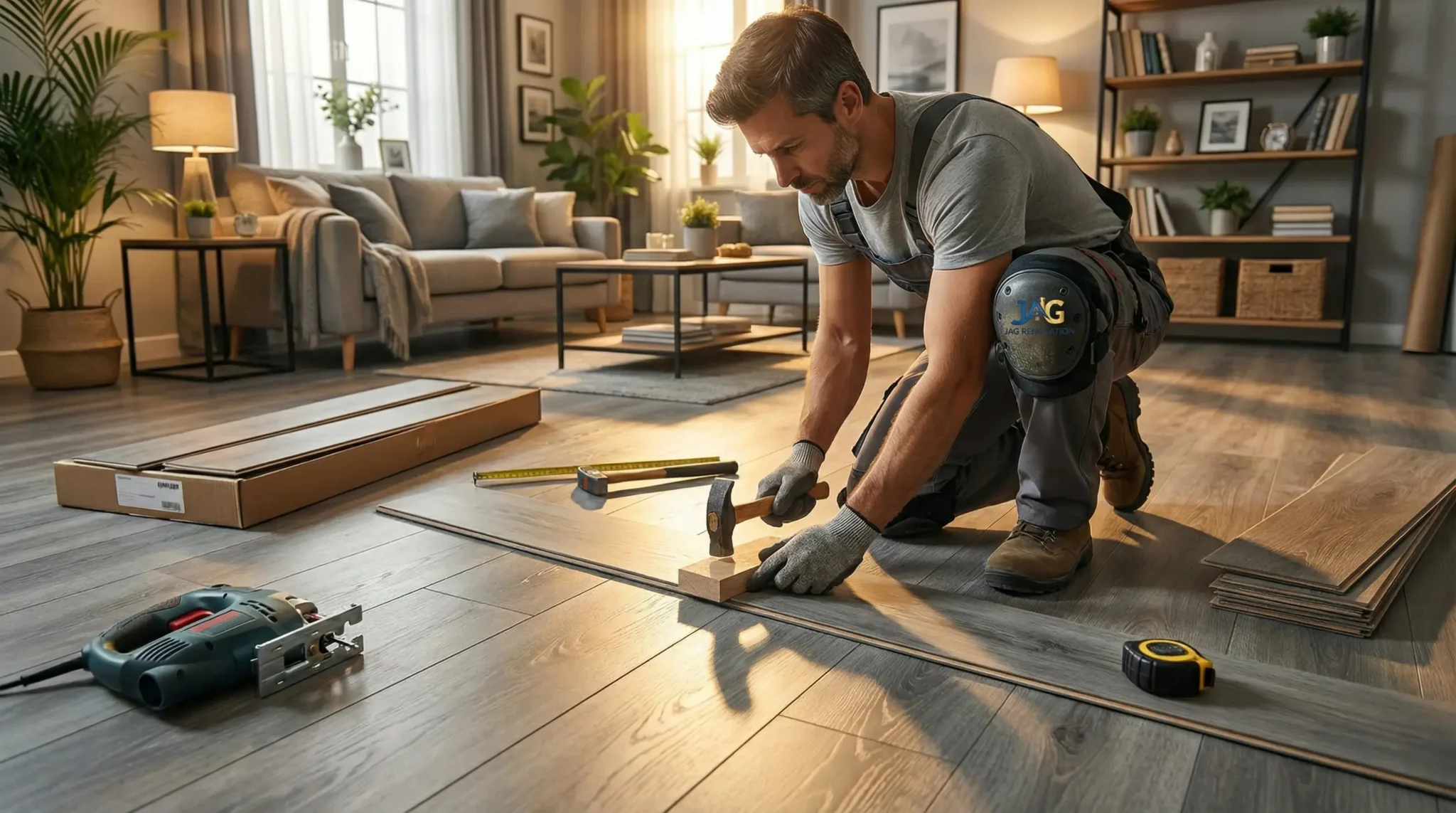
You’ve probably noticed it. Walk into a recently renovated home and your eyes go straight to the floors. Not the paint. Not the furniture. The floors.
That’s not an accident. Flooring has quietly shifted from a functional necessity to the design element that sets the tone for everything else in your space. And if you’re planning any kind of kitchen remodeling, bathroom remodeling, or basement remodeling project in Suffolk County, understanding this shift could save you from expensive mistakes and help you make choices that work in Long Island’s unique climate. Here’s what’s driving this change and what it means for your home.
Flooring used to be the thing you picked last. You’d choose your paint colors, your furniture, your fixtures—and then find something neutral enough to not clash with everything else.
That approach doesn’t work anymore. Today’s luxury flooring options have evolved so dramatically in texture, pattern, and finish that they’ve become the anchor for your entire design scheme. Wide-plank hardwood makes a room feel expansive. Herringbone patterns add movement and visual interest. Matte finishes create warmth instead of cold, reflective shine.
The shift happened because homeowners got tired of cookie-cutter spaces. You want your home to feel like yours, not like every other house on the block. And flooring—covering more square footage than any other single design element—gives you that opportunity. When you walk into a room, the floor is the first thing that registers, even if you don’t consciously realize it. It sets expectations for everything else in the space.

Luxury doesn’t mean expensive anymore. It means thoughtful. It means choosing materials that perform as well as they look, especially in Suffolk County where coastal humidity can wreck the wrong flooring choice in just a few years.
The luxury flooring category now includes engineered hardwood with moisture-resistant cores, luxury vinyl plank with realistic wood grain and texture, and wide-plank options that used to be reserved for high-end custom homes. What makes these materials luxurious isn’t the price tag—it’s the combination of aesthetic appeal and real-world durability.
Take waterproof flooring technology. Five years ago, waterproof meant ugly vinyl that screamed “budget rental.” Today’s waterproof options use advanced core materials and embossed-in-register technology that aligns the texture with the printed grain pattern beneath. You get floors that look and feel like authentic hardwood but won’t buckle when your basement gets damp or your dishwasher leaks.
Suffolk County, NY homes face specific challenges that impact your flooring installation choices. Sandy soil near the coast behaves differently from clay soil inland. Coastal areas deal with salt air and storm surge. Inland homes face basement moisture from groundwater. Traditional hardwood that works perfectly in Arizona will fail here within a few years. Luxury flooring in 2026 means materials engineered for your specific environment, not just whatever looks good in a showroom.
The other shift is texture and finish. Glossy floors that show every scratch and footprint are out. Wire-brushed planks, hand-scraped textures, and matte finishes hide everyday wear while adding character. These aren’t cosmetic choices—they’re practical decisions that keep your floors looking good without constant maintenance. When you have kids, pets, or just live in your home instead of treating it like a museum, these details matter.
Wide planks are another luxury element that’s become more accessible. Planks measuring 7 to 12 inches wide create fewer seam lines across your floor, making rooms feel larger and showcasing the wood’s natural grain patterns. The larger surface area lets the material’s character shine through. You’re not just covering square footage anymore—you’re making a design statement that carries through your kitchen remodeling or bathroom remodeling project.
Here’s what most flooring guides won’t tell you: generic advice fails in Suffolk County, NY. The same hardwood that performs beautifully in Colorado will cup and warp here within two years. Long Island’s climate isn’t just humid—it’s specifically humid in ways that demand different materials and installation techniques.
Summer humidity, winter condensation, and occasional basement moisture create a perfect storm for flooring failure if you choose the wrong materials. Solid hardwood can expand and contract with seasonal changes, creating gaps in winter and buckling in summer. That’s not a defect—it’s physics. The wood is responding to moisture in the air.
Engineered hardwood solves this problem with a cross-ply core construction. Multiple layers of wood are glued together with grains running in opposite directions, providing stability that solid wood can’t match. The top layer is still real hardwood, giving you the same look and feel, but the engineered core prevents the dramatic expansion and contraction that causes problems.
Luxury vinyl plank has become a go-to choice for Suffolk County basements and kitchens because it’s genuinely waterproof, not just water-resistant. The rigid core technology used in premium LVP won’t swell, warp, or delaminate even if it sits in standing water. For basement remodeling projects or areas prone to moisture issues, this isn’t a compromise—it’s the smart choice that prevents expensive repairs down the road.
The installation method matters just as much as the material. Floating floors allow for expansion and contraction without buckling. Proper moisture barriers prevent ground moisture from seeping up through concrete slabs. Acclimating materials to your home’s humidity level before installation prevents problems after the fact. These aren’t optional steps—they’re essential for flooring that lasts in Long Island’s climate.
Your contractor’s local experience makes or breaks this process. We’ve installed hundreds of floors in Suffolk County and know which materials perform and which ones fail. We know how to test for moisture issues before installation. We know when to recommend a moisture barrier and when it’s overkill. That knowledge prevents the kind of flooring failure that requires tearing everything out and starting over—whether you’re doing painting, carpentry, sheetrock work, or a complete renovation.
Want live answers?
Connect with a Jaguar Renovation expert for fast, friendly support.
You can’t pick flooring based on looks alone, not if you want it to last. The material that looks perfect in a photo might be completely wrong for your specific space, your lifestyle, and Suffolk County’s environment.
Start with how you actually live. High-traffic areas need durable surfaces that hide scratches and dents. Homes with pets need flooring that resists claw marks and accidents. Families with young children need surfaces that are easy to clean and won’t show every spill. These aren’t minor considerations—they determine whether you’ll love your floors five years from now or regret the choice.
Kitchen remodeling and bathroom remodeling projects demand moisture-resistant flooring. Basement remodeling needs to handle humidity and potential flooding. Living areas need comfort underfoot and sound absorption. Each space has different requirements, and trying to use the same material everywhere often means compromising performance in at least one area.
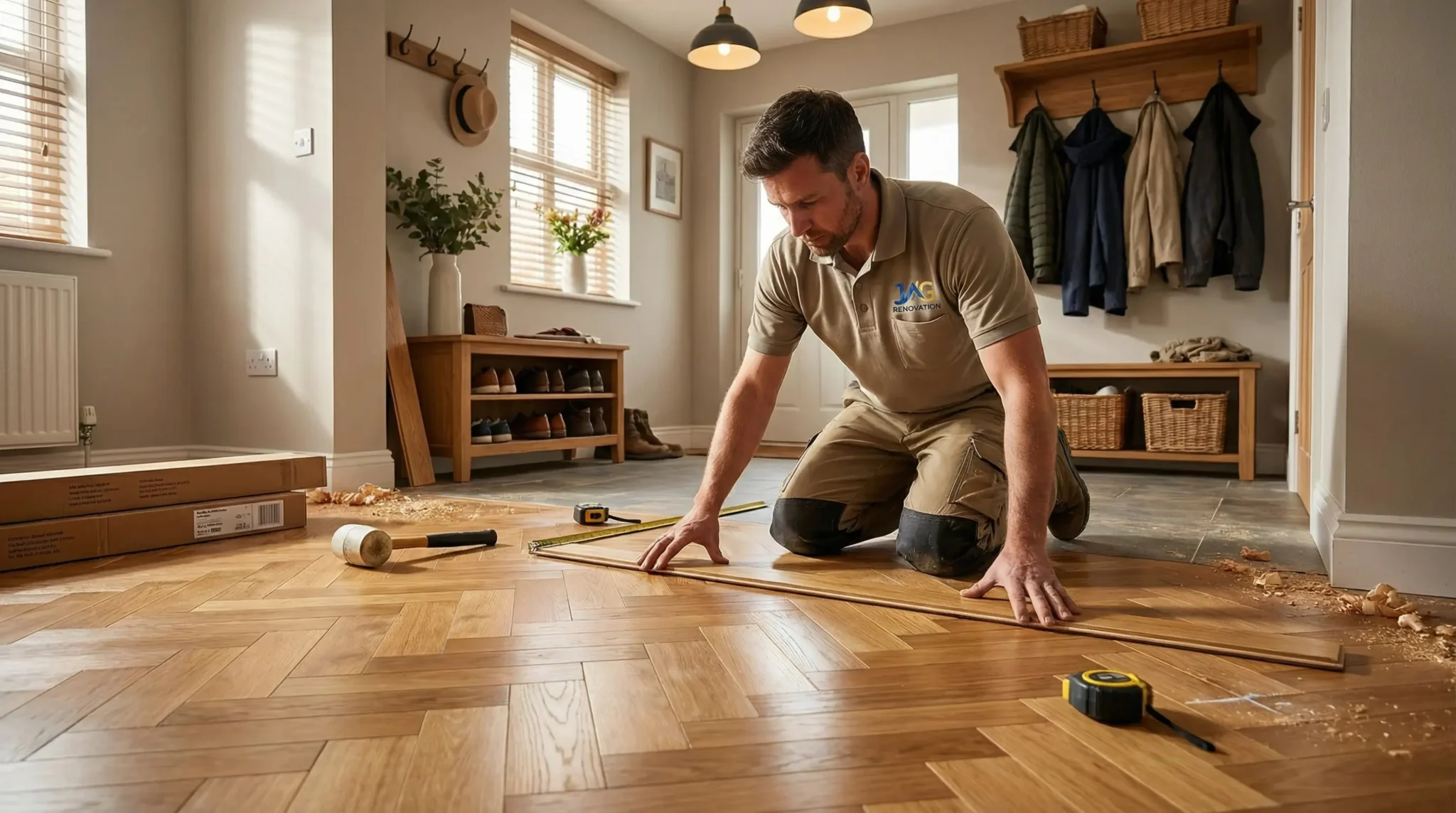
Flooring costs confuse people because the sticker price on materials tells you almost nothing about what you’ll actually pay. Installation labor, subfloor preparation, removal of old flooring, and disposal fees can easily double your material costs. Understanding the full picture helps you budget realistically and avoid sticker shock.
Material costs for flooring in Suffolk County, NY typically range from $4 to $20 per square foot, depending on what you choose. Luxury vinyl plank starts around $2 to $7 per square foot for materials. Engineered hardwood runs $3 to $14 per square foot. Solid hardwood costs $5 to $28 or more per square foot for premium species. Tile ranges from $10 to $50 per square foot depending on material and size.
Installation labor adds another $3 to $8 per square foot for professional work. That’s not optional padding—it’s the cost of proper installation that prevents warping, gaps, and premature failure. Complex patterns like herringbone or chevron increase labor costs significantly because they require precise cuts and more intensive work.
Hidden costs catch homeowners off guard. Subfloor preparation can add $2 to $8 per square foot if your existing subfloor isn’t level or has moisture issues. Removing old flooring costs $1 to $3 per square foot. Stairs add $40 to $100 per step. Trim and molding replacement adds more. Delivery fees for heavy materials can hit $100 to $500 depending on your location and access.
For a typical 500-square-foot living room in Suffolk County, expect to pay $2,000 to $7,500 total for quality flooring installation. That includes materials, labor, and basic prep work. Premium materials or complex installations push costs higher. Budget options bring costs down but often compromise on durability or moisture resistance—risky choices in Long Island’s climate.
The return on investment justifies the upfront cost. Quality flooring installation provides up to 118% ROI for new hardwood floors. Refinishing existing hardwood delivers an even better 147% ROI. These aren’t just numbers—they’re real increases in home value that you’ll see when it’s time to sell. Cheap flooring that fails in three years costs more in the long run than quality installation that lasts decades.
Regardless of if you’re tackling a full kitchen remodeling project, bathroom remodeling, or basement remodeling, the flooring choice impacts your total investment and long-term satisfaction. The same principles apply to painting, carpentry, and sheetrock work—quality installation from experienced contractors prevents costly repairs and delivers results that last.
The contractor you choose matters more than the flooring material you select. Seriously. Premium hardwood installed poorly will fail faster than budget-friendly LVP installed correctly. Asking the right questions upfront separates contractors who know what they’re doing from those who’ll create expensive problems.
Start with experience in Suffolk County, NY specifically. Long Island’s climate creates unique challenges that contractors from other regions might not understand. Ask how many flooring installations they’ve completed locally. Ask about moisture testing procedures. Ask what they do differently for coastal homes versus inland properties. Vague answers are red flags.
Find out if they use in-house crews or subcontractors. In-house teams give you consistent quality and clear accountability. Subcontractor models create finger-pointing when problems arise. You want to know exactly who’s responsible for your project from start to finish—whether it’s flooring, kitchen remodeling, bathroom remodeling, painting, carpentry, or any other interior work.
Ask about their moisture mitigation process. Every Suffolk County flooring installation should include moisture testing of the subfloor before materials go down. Proper moisture barriers prevent ground moisture from seeping up through concrete slabs. Acclimation procedures let materials adjust to your home’s humidity level before installation. These steps aren’t optional—they’re essential for flooring that lasts.
Get specific about timeline and disruption. How long will the installation take? What parts of your home will be inaccessible? What’s their dust control process? How do they handle daily cleanup? Living through a flooring installation is disruptive enough without surprises about how long it’ll take or how messy it’ll be.
Discuss the warranty in detail. What’s covered and for how long? What voids the warranty? Who handles warranty claims—the contractor or the manufacturer? A comprehensive warranty backed by a reputable local contractor provides peace of mind that a manufacturer-only warranty doesn’t.
Ask about their approach to unforeseen issues. What happens if they discover subfloor problems after they start? How do they handle moisture issues that weren’t apparent during the initial inspection? You want a contractor who’s upfront about potential complications and has a clear process for addressing them without derailing your budget.
Finally, ask for references from recent Suffolk County projects similar to yours. Talk to those homeowners about their experience. Did the contractor show up on time? Did they communicate clearly? Did they clean up daily? Were there surprise costs? How do the floors look a year later? These conversations tell you more than any sales pitch—whether you’re evaluating flooring contractors, kitchen remodeling specialists, or general renovation companies.
Your floors set the tone for your entire home. They’re the foundation—literally and figuratively—that everything else builds on. Getting this decision right means choosing materials suited to Suffolk County’s climate, working with contractors who understand local challenges, and investing in quality installation that prevents expensive do-overs.
The shift toward flooring as a design focal point isn’t just a trend. It’s a recognition that this element impacts your daily life more than almost any other design choice. You walk on it, live with it, and see it every day. It affects your home’s value, your comfort level, and your maintenance problems for years to come.
When you’re ready to upgrade your flooring, kitchen remodeling, bathroom remodeling, or tackle any interior renovation with contractors you can trust, we bring nearly a decade of experience handling Suffolk County’s unique challenges. Transparent pricing, in-house crews, and honest communication mean you’ll know exactly what to expect from start to finish—from flooring and carpentry to painting, sheetrock, and spackling. Excellence built in, extra cost left out.
Summary:
Share: