Suffolk County bathroom remodeling costs range from $5,000 to $67,000+. Learn what drives pricing, how to navigate permits, and find contractors who actually show up—without the sales pressure.
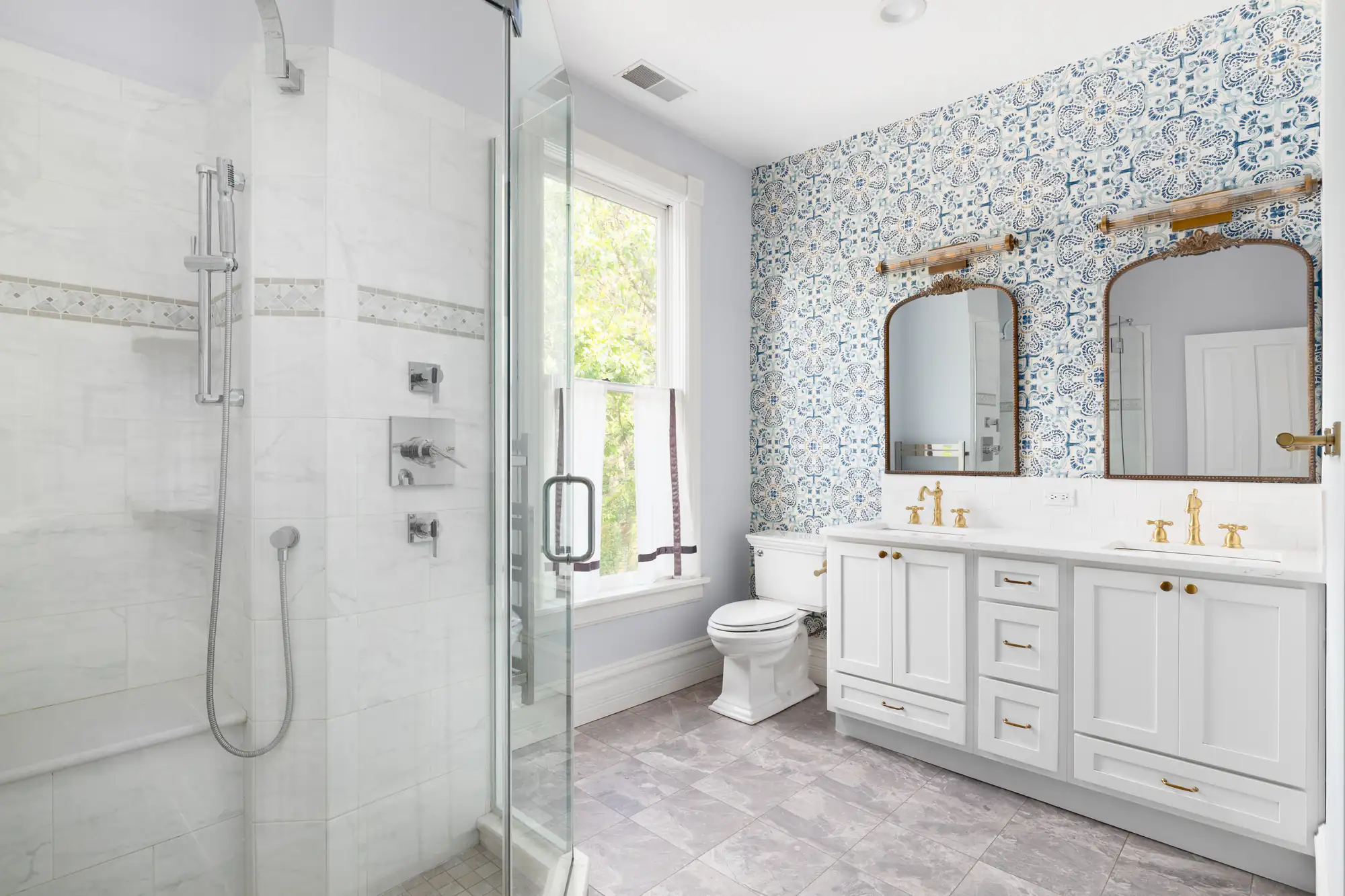
Your bathroom should work for you, not against you. If you’re dealing with outdated fixtures, cramped layouts, or constant worry about what’s hiding behind those walls, you already know something needs to change. Bathroom remodeling in Suffolk County, NY isn’t just about making things look better—it’s about creating a space that fits your life, works with your budget, and doesn’t turn into a three-month nightmare with surprise costs at every turn. Whether you’re considering a small bathroom renovation, a full overhaul, or converting that old tub into a walk-in shower, the information you need is right here. Let’s talk about realistic costs, permit requirements, design choices that hold value, and how to find contractors who show up when they say they will.
Small bathrooms present challenges, but they also offer opportunities to get creative without breaking the bank. Many Suffolk County, NY homes feature compact bathroom layouts, which makes maximizing limited square footage essential. The good news? You don’t need to move walls or reconfigure plumbing to see dramatic improvements.
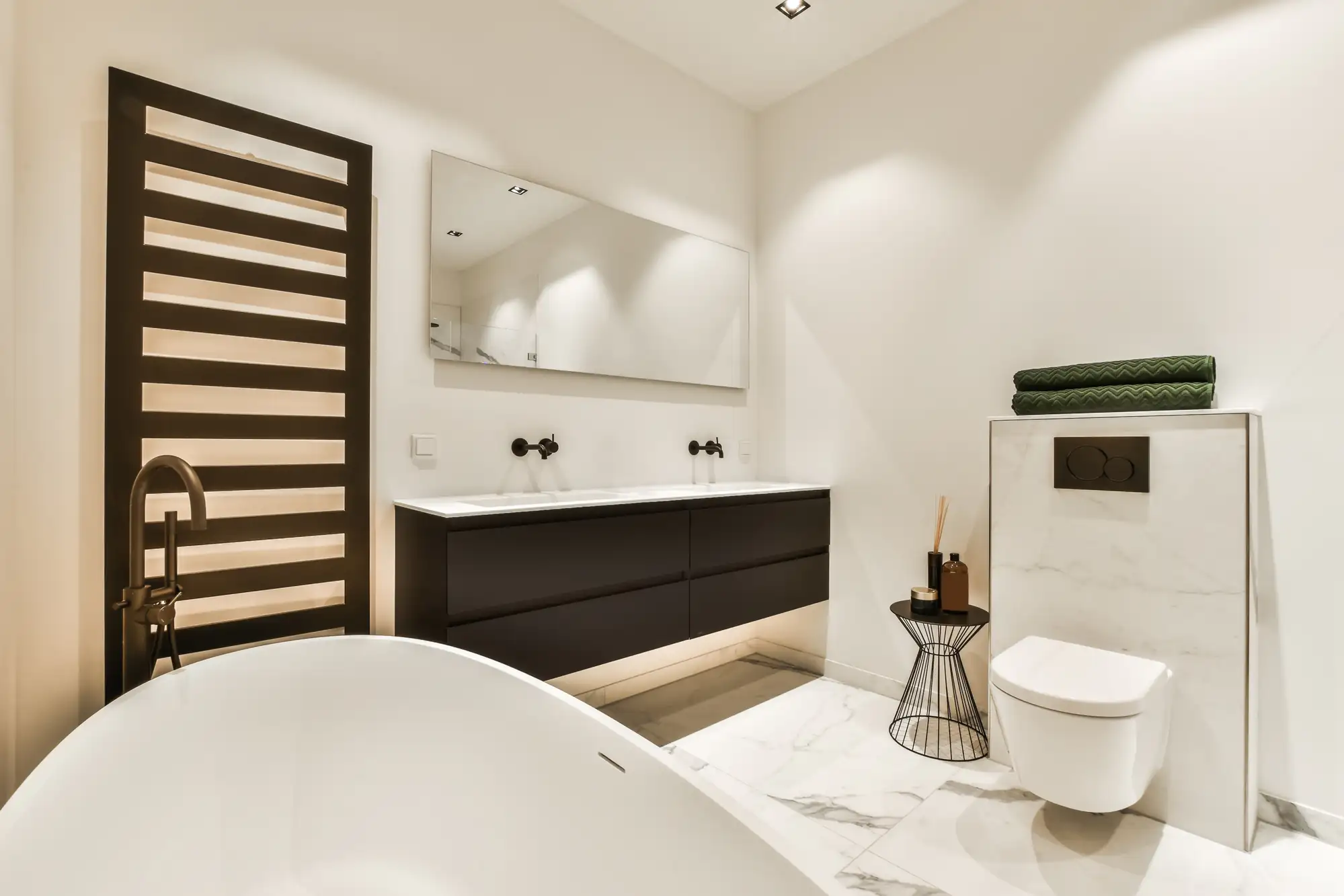
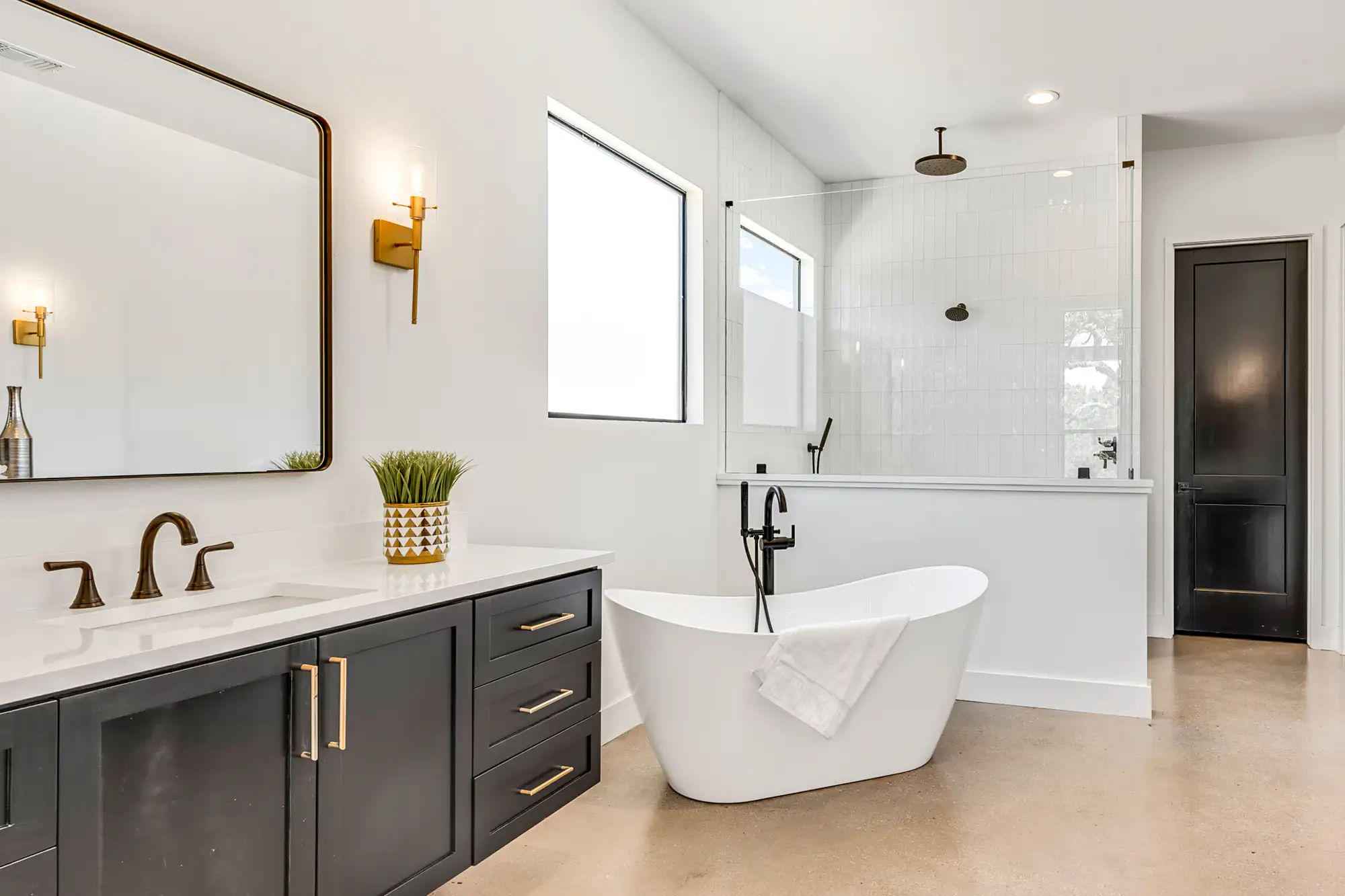
Think about what frustrates you most. Lack of storage? Poor lighting? A shower-tub combo nobody uses? Small bathroom renovations work best when they solve specific problems. Floating vanities create visual space while offering storage. Large mirrors reflect light and make rooms feel bigger. Walk-in showers with frameless glass eliminate the visual barrier of shower curtains.
Small bathroom remodel cost in Suffolk County, NY typically ranges from $7,500 to $27,000, depending on whether you’re doing cosmetic updates or tackling plumbing and electrical work. Keep fixtures in their current locations whenever possible—moving a toilet even one foot can add $1,000 to your budget once you factor in plumbing work.
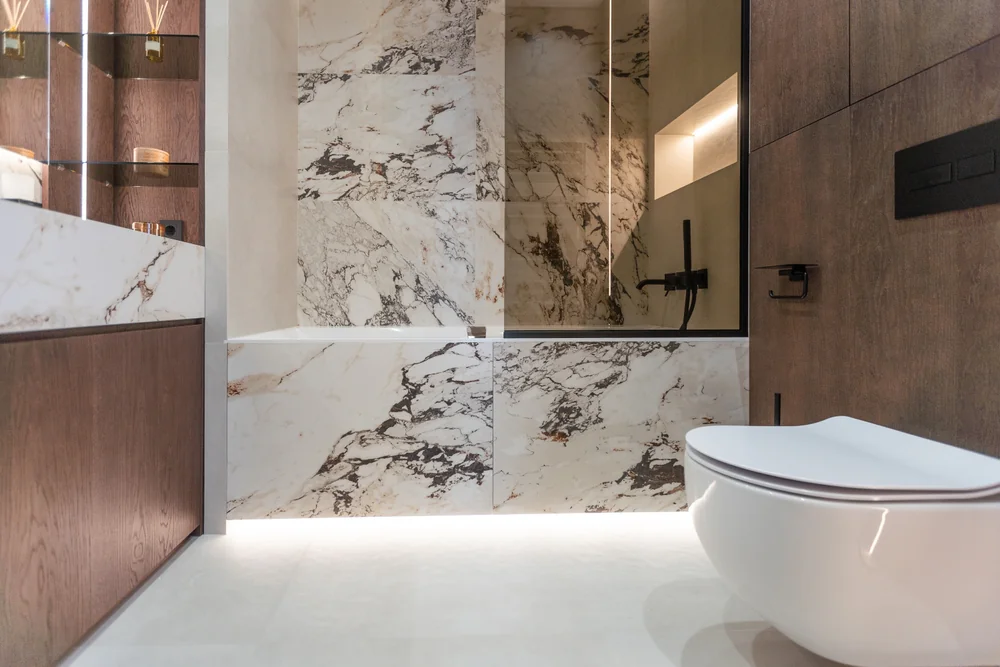
Layout matters more in a small bathroom than almost anywhere else in your home. Every inch counts. Poor planning creates bottlenecks that make the space feel cramped.
Consider the door swing first. Does it eat up valuable floor space? A pocket door or outward-swinging door can reclaim square footage. Next, look at your vanity. A 24-inch vanity with a single sink might feel limiting, but it opens up room for a larger shower or better circulation. Corner sinks work well in powder rooms.
Vertical storage changes everything. Wall-mounted cabinets, recessed medicine cabinets, and built-in niches in the shower keep essentials within reach without cluttering limited floor space. Think about where you actually need storage—most people overestimate counter space and underestimate the value of a good linen closet.
Lighting deserves special attention. A single overhead fixture creates shadows and makes the room feel smaller. Layer your lighting with vanity lights, recessed ceiling lights, and even LED strips under floating vanities. If you have a window, make the most of it.
The shower versus tub decision comes down to how you actually use your bathroom. If nobody takes baths, that tub wastes space. A walk-in shower with a built-in bench and handheld showerhead offers more flexibility. For homes with only one bathroom, keeping at least one tub somewhere matters for resale, but it doesn’t have to be in your smallest bathroom.
Budget bathroom renovation doesn’t mean cheap—it means smart. Plenty of bathroom home improvement projects deliver high impact without requiring you to gut the entire space.
Paint creates instant transformation for minimal cost. Fresh color makes outdated tile look intentional rather than dated. Satin or semi-gloss finishes withstand moisture better than flat paint. You don’t need special bathroom paint—any quality interior paint with good mildew resistance works fine.
Hardware upgrades punch above their weight. Swapping out old faucets, cabinet pulls, towel bars, and light fixtures modernizes the space for a few hundred dollars. Stick with one finish throughout—brushed nickel, matte black, or chrome—to create visual cohesion.
Reglazing beats replacing when it comes to tubs and tile. Professional reglazing costs a few hundred dollars versus $1,500-$3,000 to replace a tub. Same goes for tile—if the layout works but the color doesn’t, refinishing can buy you years before a full replacement.
Storage solutions don’t require construction. Over-the-toilet cabinets, wall-mounted shelves, and organizers that fit inside existing cabinets maximize what you already have. Before you tear out a vanity for something bigger, make sure you’re using your current storage efficiently.
Flooring choices impact both budget and longevity. Luxury vinyl tile mimics ceramic or stone at a fraction of the cost, and it’s warmer underfoot. For a 10×10 bathroom, LVT runs $2,400-$3,200 installed compared to $5,400-$6,300 for ceramic tile.
The biggest budget mistake? Trying to DIY specialized work. Painting and installing hardware are fair game. Plumbing, electrical, and tile work are not. One mistake with waterproofing can cost thousands in water damage down the road.
Want live answers?
Connect with a Jaguar Renovation expert for fast, friendly support.
Let’s talk numbers. Bathroom remodeling costs in Suffolk County, NY average between $14,808 and $18,500 for a full renovation, but that range barely tells the story. A powder room refresh might cost $3,085, while a luxury primary bathroom can hit $67,870 or more. Understanding what drives these costs helps you set a realistic budget.
Size matters, but it’s not everything. A 40-square-foot bathroom costs less than a 100-square-foot primary bath, but scope of work matters more. Are you keeping the existing layout or moving fixtures? Cosmetic updates or full gut renovation? Each decision shifts the budget significantly.
Labor typically represents 20-40% of your total cost. In Suffolk County, NY, that includes plumbers, electricians, tile setters, and general contractors—all of whom need proper licensing. Trying to save money with unlicensed workers can void your homeowner’s insurance if something goes wrong.
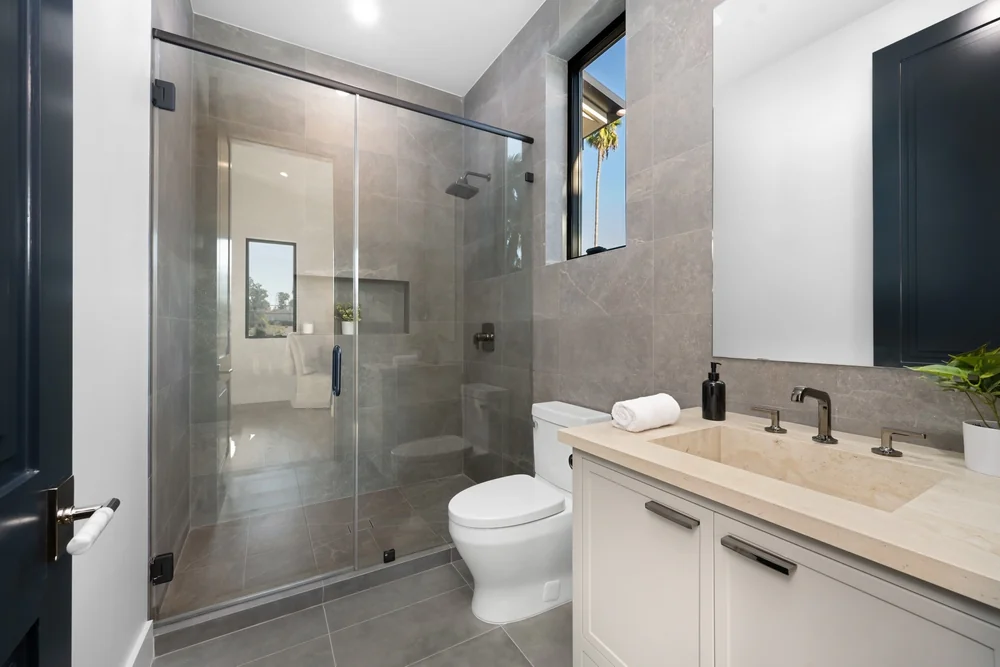
Materials account for the largest chunk of your bathroom remodel price—typically 65-70% of the total budget. The difference between budget-friendly and luxury materials can double or triple your costs.
Tile choices range from basic ceramic at $1-$5 per square foot to imported stone at $15+ per square foot. Installation costs stay relatively consistent, so the material drives the price difference. Porcelain tile that mimics natural stone gives you the high-end look at mid-range pricing.
Fixtures span an even wider range. A basic toilet costs $100-$300, while a high-efficiency or wall-mounted model runs $500-$1,500. Vanities range from $200 for stock units to $3,000+ for custom cabinetry. These decisions multiply across multiple items.
Hidden costs catch most homeowners off guard. About 30% of bathroom remodels uncover water damage behind walls or under floors, adding $1,000-$4,000 to address properly. Homes built before 1990 often need plumbing or electrical upgrades to meet current codes, tacking on another $1,500-$3,500. Permit fees in Suffolk County, NY run $250 for renovations up to $50,000 and $500 for projects up to $100,000.
The layout change premium is real. Keeping your toilet, sink, and shower in their current locations saves significant money because you’re not rerouting plumbing through walls and floors. Moving a toilet just one foot can cost $1,000 in additional plumbing work.
Timeline affects costs too. Rush jobs cost more. Projects that drag on for months increase labor costs. Most bathroom renovations in Suffolk County, NY take 1-4 weeks when properly managed, but about 20% stretch beyond a month due to contractor availability, backordered materials, or issues discovered during demolition.
Affordable bathroom remodel projects start with clear priorities. You can’t have everything, so focus on what matters most. A low cost bathroom remodel doesn’t mean settling for poor quality—it means making strategic choices.
Keep the footprint. This is the single biggest cost-saver in bathroom remodeling. If your toilet, sink, and shower work in their current locations, leave them there. You can still update every fixture and transform the look without moving plumbing.
Choose stock or semi-custom over custom. Stock vanities and cabinets cost 40-60% less than custom options, and they’re available immediately instead of requiring 6-8 week lead times. Unless you have truly unusual space constraints, custom cabinetry rarely justifies the premium.
Time your project strategically. Contractors are busiest in spring and summer, which drives up labor costs. Fall and winter renovations often come with better availability and more negotiable pricing. Material sales around major holidays can save 15-25% on fixtures if you plan ahead.
Do the demo yourself. Tearing out old fixtures, tile, and flooring is labor-intensive but not technically difficult. If you’re physically capable and have time, handling demolition yourself saves $1,000-$2,000 in labor costs. Just be careful with plumbing disconnections.
Refinish instead of replace when possible. Reglazing a tub costs $300-$600 versus $1,500-$3,000 to replace it. Painting tile or refinishing cabinets extends their life for a fraction of replacement costs.
Focus on high-impact elements. A new vanity, modern lighting, and updated fixtures transform the space more than expensive finishes most people barely notice. Spend money where you interact with the bathroom most.
A full bathroom remodel means you’re starting fresh—new fixtures, new finishes, potentially new layout. In Suffolk County, NY, these projects typically range from $12,000 to $35,000 for a standard full bath, with primary bathrooms running $25,000 to $60,000 or more depending on size and finishes.
Start with a realistic assessment of what you have. How old is the current bathroom? Are there signs of water damage, mold, or structural issues? Getting a professional inspection before you start helps identify problems that will need addressing once walls are open.
Set your budget with a 10-15% contingency. That cushion isn’t pessimism—it’s reality. Most bathroom remodels uncover something unexpected, whether it’s outdated plumbing, hidden water damage, or code violations that need correction. Having contingency funds means these discoveries don’t halt your project.
Summary:
Share: