Planning a bathroom remodel in Suffolk County? Learn what you'll actually pay in 2026, from labor and materials to permits and hidden costs most contractors won't mention upfront.
You’ve been thinking about that bathroom remodel for months. Maybe the tile’s cracked, the fixtures are dated, or you’re just tired of walking into a space that feels stuck in 1995. You start researching costs online and quickly realize the estimates are all over the map—$8,000 here, $45,000 there, with very little explanation of why.
Here’s what you actually need to know: bathroom renovation cost in Suffolk County depends on dozens of factors, and most of those factors are within your control once you understand them. This guide breaks down real 2026 pricing, explains what drives costs up or down, and gives you the transparency most contractors won’t offer until you’re already committed. By the end, you’ll know exactly what to budget, what questions to ask, and how to avoid the hidden expenses that catch one in three homeowners by surprise.
Let’s start with the numbers that actually matter for your area. In Suffolk County, the average full bathroom renovation runs about $16,500, though projects commonly range from $8,000 to $36,000 depending on scope and materials. That’s roughly 20% higher than the national average, and there are specific reasons why.
Suffolk County’s higher cost of living, strict building code requirements, and competitive contractor market all push prices up. Labor rates here reflect what skilled tradespeople can command in the New York metro area. Permit fees, while not astronomical, add another layer of cost that varies by township.
The range is wide because “bathroom remodel” can mean anything from swapping fixtures and painting to gutting the space down to the studs and reconfiguring the layout. Understanding where your project falls on that spectrum is the first step to accurate budgeting.
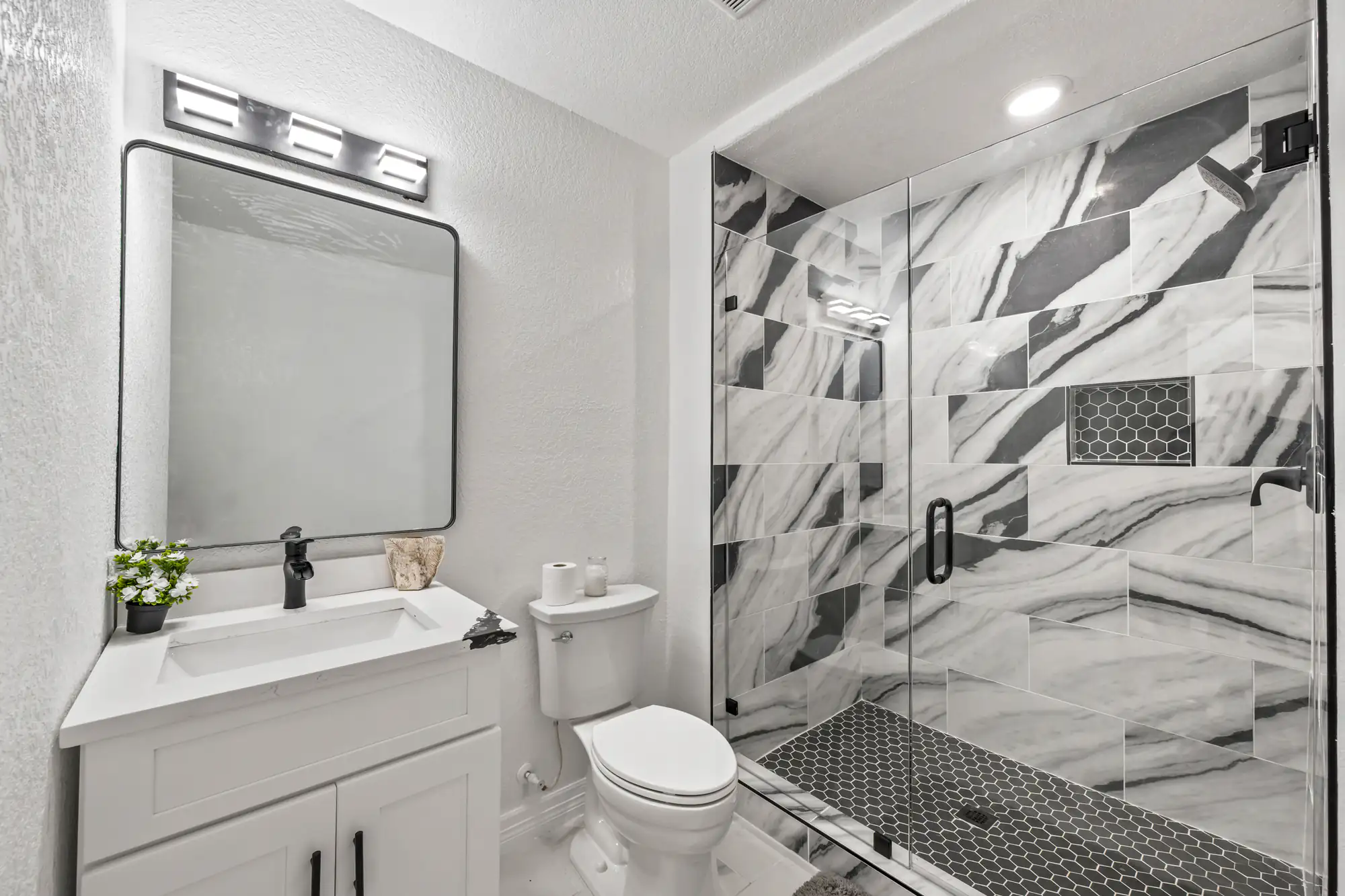
Not all bathroom projects cost the same, and understanding the three main tiers helps you set realistic expectations for what you’re actually planning.
A budget-friendly refresh typically runs $8,000 to $15,000 in Suffolk County. This level covers cosmetic updates like replacing the vanity, updating fixtures, installing new flooring, fresh paint, and maybe upgrading lighting. You’re keeping the existing layout, which means no major plumbing or electrical rerouting. This tier works well if your bathroom’s bones are solid but the aesthetics need updating.
Mid-range renovations fall between $16,000 and $28,000 and represent the sweet spot for most Suffolk County homeowners. You’re getting quality materials, professional installation, and potentially some layout modifications. This might include a new tile shower or tub surround, upgraded fixtures and hardware, better flooring options like porcelain or luxury vinyl, and improved lighting. The ROI on mid-range projects tends to be strongest, typically delivering 70-75% return.
High-end transformations start around $30,000 and can easily exceed $50,000 for luxury finishes and significant structural changes. This tier includes premium materials like natural stone, custom cabinetry with soft-close mechanisms, designer fixtures in specialty finishes, frameless glass shower enclosures, and often layout changes that require moving plumbing and electrical. While beautiful, luxury renovations typically return only 45-55% of their cost.
The key difference isn’t just about how things look when finished. It’s about customization depth, material quality, and labor complexity. Budget projects use readily available products installed efficiently. High-end projects feature bespoke elements and artisan installation techniques that require significantly more labor hours.
For Suffolk County specifically, you’ll also need to factor in permit costs. Basic alteration permits start around $250 for projects under $50,000, with additional fees for electrical work and plumbing modifications typically running $50 each. Complex projects requiring structural changes or professional design review can cost significantly more in permitting alone.
Several factors have outsized impact on your final bathroom renovation cost, and knowing them helps you make strategic decisions about where to invest and where to save.
Size matters, but not as much as you might think. A larger bathroom requires more materials and labor, but the complexity of the work often drives costs more than square footage alone. A small bathroom with extensive plumbing rerouting can cost more than a larger space with straightforward fixture replacements.
Labor is typically the biggest expense, especially in 2026. Licensed plumbers in Suffolk County now command $85-$175 per hour, up 8-10% from 2025. Electricians charge $60-$145 per hour, up 6-8% from last year. Tile installers see rates of $12-$22 per square foot. When you factor in that labor and materials often make up roughly equal portions of the total budget, you start to see why contractor choice matters so much.
Layout changes are budget killers if you’re not prepared. Keeping your existing plumbing and electrical layout is one of the most effective ways to control costs. Moving a toilet, sink, or shower means rerouting pipes and potentially relocating electrical, which requires licensed professionals and adds significant expense. If your current layout works functionally, think twice before changing it just for aesthetics.
Material quality creates a sliding scale of costs. Ceramic tile runs $5-$12 per square foot while natural stone can hit $25-$60 per square foot. Laminate countertops cost a fraction of quartz, which itself costs less than rare natural stone. Prefab shower kits start around $600 while custom tile showers easily exceed $10,000. The good news? Modern mid-range materials often look remarkably similar to high-end options, especially porcelain tile that mimics natural stone.
Hidden conditions are the wild card. About 30% of bathroom remodels uncover water damage that adds $1,000-$4,000 to the budget. Homes built before 1990 often need plumbing and electrical upgrades to meet current codes, adding another $1,500-$3,500. Mold remediation, structural repairs behind walls, and subfloor reinforcement around tubs and showers can all emerge once demo begins. This is why we recommend building a 15-20% contingency into your budget.
Permit and inspection requirements in Suffolk County add both cost and time. Most bathroom remodeling projects here require permits, particularly if you’re doing any plumbing, electrical, or structural work. Simple renovation permits might be approved within 2-3 weeks, while complex projects requiring plan review can take 4-6 weeks or longer. Factor this into your timeline and budget.
The contractor you choose impacts cost in ways that aren’t immediately obvious. A low-ball estimate might seem attractive until you discover it doesn’t include permits, disposal fees, or allowances for unforeseen issues. Companies using subcontractors add markup at each layer. Inexperienced contractors may underestimate labor hours or miss potential problems during initial assessment, leading to change orders that blow your budget mid-project.
Want live answers?
Connect with a Jaguar Renovation expert for fast, friendly support.
Understanding how your bathroom renovation budget breaks down helps you see where you have control and where costs are relatively fixed. The traditional split puts labor at 40-65% of total costs and materials at 35-60%, though this varies based on project complexity and material choices.
Labor costs in 2026 reflect ongoing skilled trade shortages. Nearly 40% of homeowners report that labor and materials made up roughly equal portions of their renovation budget. But labor is usually the most expensive single component, especially when plumbing or electrical work needs to be moved or upgraded. Professional bathroom remodel labor and installation averages $75 per hour nationally, but Suffolk County rates run higher.
Materials offer more flexibility in your budget. You can choose between budget-friendly ceramic tile and luxury natural stone. You can opt for prefab vanities or custom cabinetry. Standard chrome fixtures or designer finishes. Each choice shifts your total cost, but the functionality remains largely the same. This is where working with a contractor who understands value engineering pays off—we can help you identify where premium materials matter and where cost-effective alternatives deliver the same practical result.
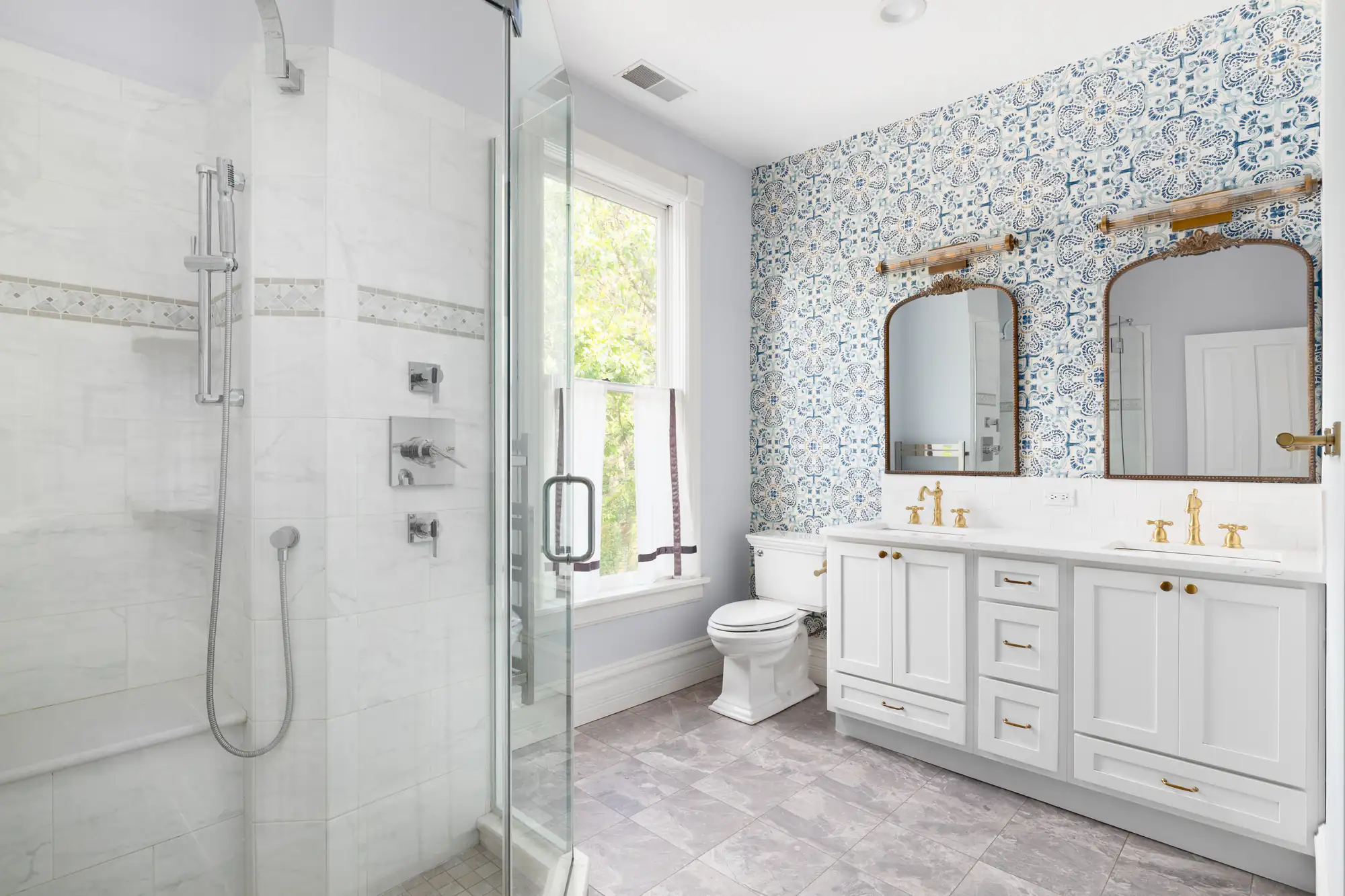
Here’s where projects go off the rails for homeowners who didn’t budget properly. About one in three homeowners say their remodel cost more than expected, often due to issues that only become apparent once work begins.
Water damage tops the list of surprise expenses. Bathrooms are constantly exposed to moisture, and even small leaks can cause significant damage over years. Rotted subfloors, damaged wall studs, and mold growth often hide behind tile and drywall. Once demo begins, these issues must be addressed before new materials go in. Repairing water damage typically adds $1,000-$4,000 to your budget, but it’s essential for preventing future problems.
Outdated plumbing and electrical systems are especially common in older Suffolk County homes. Homes built before 1990 often need upgrades to meet current building codes. Replacing old galvanized pipes, upgrading electrical panels, adding GFCI outlets, and improving ventilation all add cost but aren’t optional if your system doesn’t meet code. Budget an additional $1,500-$3,500 for these updates.
Structural surprises happen when walls come down. Reinforcing walls, updating support beams, addressing hidden mold, or dealing with foundation issues can emerge during renovation. If your remodel involves removing walls or expanding the bathroom, structural modifications may be necessary.
Demolition and disposal aren’t free. Removing old fixtures, tile, drywall, and flooring creates a lot of waste that must be hauled away. Demolition costs average $50 per structure, while disposal fees run $30-$120 depending on volume. For a full bathroom gut, expect $1,000-$2,300 in demo and disposal costs.
Permit fees and inspection costs vary by township in Suffolk County. Basic alteration permits start around $250, but electrical and plumbing permits add $50 each. If your project requires structural changes or design review, costs increase. Complex projects may need multiple inspections throughout the process, each adding time and potential expense if issues are found.
Ventilation and waterproofing requirements have gotten stricter. New code requirements in many jurisdictions add $500-$1,500 to ensure proper moisture management. This isn’t corner-cutting territory—proper ventilation prevents mold growth and extends the life of your renovation.
Temporary living arrangements are easy to overlook. About 31% of homeowners say living without a bathroom was one of the most frustrating parts of renovation. If you only have one bathroom or the project extends beyond a few days, you may need to make alternative arrangements. Some homeowners stay with family, others rent portable facilities for larger projects.
The best defense against hidden costs is working with experienced contractors who conduct thorough pre-construction assessments. We can often identify potential issues before demo begins, allowing you to budget appropriately. Companies that offer transparent, detailed estimates with line-item breakdowns and contingency allowances demonstrate they understand these realities.
Creating a realistic budget starts with understanding what you can actually afford to spend, not what you wish you could spend. Financial experts typically recommend allocating 5-10% of your home’s value to a bathroom remodel for optimal return on investment.
For a $400,000 home in Suffolk County, that means a budget of $20,000-$40,000 is proportional and avoids over-improving. For a $500,000 home, you’re looking at $25,000-$50,000. Going significantly above this range means you’re unlikely to recoup the full investment when you sell, though that may not matter if you’re planning to stay long-term and want the space for your own enjoyment.
Start by getting multiple detailed estimates from licensed contractors. Three quotes give you a realistic range and help you identify any outliers. Be wary of estimates that come in significantly lower than others—they often exclude important items or use inferior materials. The lowest bid isn’t always the best value.
Build in a contingency fund of 15-20% for unexpected issues. If your budget is $20,000, set aside an additional $3,000-$4,000 for surprises. This buffer keeps your project on track when hidden water damage or code compliance issues emerge. Nearly every bathroom remodel uncovers something unexpected.
Break down your budget by category to see where money goes. Allocate funds for fixtures (toilet, sink, shower/tub), cabinetry and countertops, flooring and tile, lighting, plumbing and electrical work, labor and installation, permits and fees, and contingency. This breakdown helps you identify where you have flexibility to upgrade or economize.
Prioritize functionality over aesthetics when budget gets tight. A toilet that works properly matters more than designer tile. Adequate lighting trumps luxury fixtures. Proper waterproofing beats expensive finishes. Make sure the fundamentals are solid before splurging on premium details.
Consider timing your project strategically. Scheduling work during contractors’ slower seasons may yield better rates or more attention to your project. Booking projects 2-3 months in advance can also secure better rates than last-minute requests.
Ask about financing options if needed. Nearly half of homeowners pay for bathroom remodels using cash or savings, while about 29% use credit cards for at least part of the renovation. Others rely on home equity lines of credit or personal loans. Understanding your payment options before you commit helps you make informed decisions about project scope.
Get everything in writing before work begins. A detailed contract should outline the scope of work, materials to be used, project timeline, payment schedule, permit responsibilities, and warranty terms. This protects both you and the contractor and provides a reference point if questions arise during the project.
Payment schedules should align with project milestones, not frontload money to the contractor. Typical schedules put 10-15% down, 25-35% when materials arrive, 20-25% after rough-in passes inspection, and 25-30% at substantial completion. Never pay the full amount until work is complete and you’re satisfied with the results.
Understanding the true cost of bathroom remodeling in Suffolk County means looking beyond the initial estimate to consider permits, potential hidden issues, material choices, and labor rates that reflect local market conditions. When you budget realistically and work with contractors who communicate honestly about what to expect, you’re far more likely to end up with a finished bathroom you love at a price that doesn’t keep you up at night.
Bathroom renovation cost in Suffolk County reflects real market conditions—skilled labor shortages, strict code requirements, and higher cost of living all factor in. But understanding what drives those costs gives you control over your budget and outcome.
The most successful projects start with realistic expectations, detailed planning, and honest communication with your contractor. When you know what to budget for labor, materials, permits, and contingencies, you can make informed decisions about where to invest and where to economize. The goal isn’t always the cheapest renovation—it’s the one that delivers the functionality, quality, and aesthetics you need at a price that makes sense for your home and budget.
If you’re ready to move forward with a bathroom remodel backed by transparent pricing, experienced craftsmanship, and honest communication, we bring nearly a decade of Suffolk County experience to every project. No hidden costs, no sales pressure, just straightforward service and quality work you can count on.
Summary:
Share: