Before you hand over a deposit, make sure you're asking the right questions. Here's what every Suffolk County homeowner needs to know before hiring a contractor.

Most people don’t think about what to ask a contractor until they’ve already had a bad experience. A deposit handed over, work that stalled, a final bill that looked nothing like the estimate. If that sounds familiar, you’re not alone — and you’re in the right place.
This guide is for Suffolk County homeowners who want to go into the hiring process informed. Not paranoid, not adversarial — just prepared. By the time you finish reading, you’ll know exactly what to ask, what a good answer sounds like, and what should send you in the opposite direction.
There’s no shortage of people calling themselves contractors on Long Island. Some are excellent. Some are not. The difference often comes down to how they answer a handful of straightforward questions — questions that any legitimate, experienced contractor should be able to answer without hesitation.
The goal here isn’t to trip anyone up. It’s to understand who you’re actually dealing with before work begins. A contractor who gets defensive, vague, or evasive when you ask about their license or insurance is telling you something important. Pay attention to that.
Start here, because this is where most homeowners make their first mistake. Many people assume that if a contractor is “licensed,” it means the state of New York approved them. It doesn’t. New York State does not license home improvement contractors. Suffolk County does — through the Suffolk County Department of Labor, Licensing & Consumer Affairs — and if a contractor can’t hand you a county-issued license number, they’re operating illegally in this market.
The format you’re looking for is HI-XXXXX. Ask for it directly: “What’s your Suffolk County home improvement contractor license number?” A legitimate contractor will give it to you on the spot. If they say “we’re state licensed” or fumble for an answer, that’s a problem.
From there, ask about insurance — and be specific. There are two types that matter. General liability insurance protects your property if something gets damaged during the project. Workers’ compensation covers workers who get injured on your property. If a contractor has one but not the other, or if their policy has lapsed, you could be held financially responsible for an on-site injury. Ask to see certificates for both, not just a verbal confirmation.
Next, ask whether they use subcontractors. This is a question a lot of homeowners skip, and it’s one of the most important ones you can ask. If a general contractor uses subs, you need to know whether those workers are licensed and insured — and whether the contractor takes responsibility for their work. An unlicensed sub injured on your property can create real legal exposure for you, even if you had no idea they were there.
Finally, ask for a permanent business address. Not a website, not a phone number — a physical address where the business operates. A contractor without a verifiable location is a contractor with no accountability. It’s a simple question, and the answer tells you a lot.
Once you’ve confirmed someone is legally operating, the next set of questions is about how they handle money and paperwork — because this is where most renovation disputes actually originate.
Ask what their payment schedule looks like. Industry standard for a legitimate contractor is somewhere between 10% and 30% upfront, with the rest tied to project milestones. If someone asks for 50% or more before a single tool hits your floor, that’s a significant red flag. It’s one of the most common patterns flagged by the New York State Division of Consumer Protection in home improvement complaints.
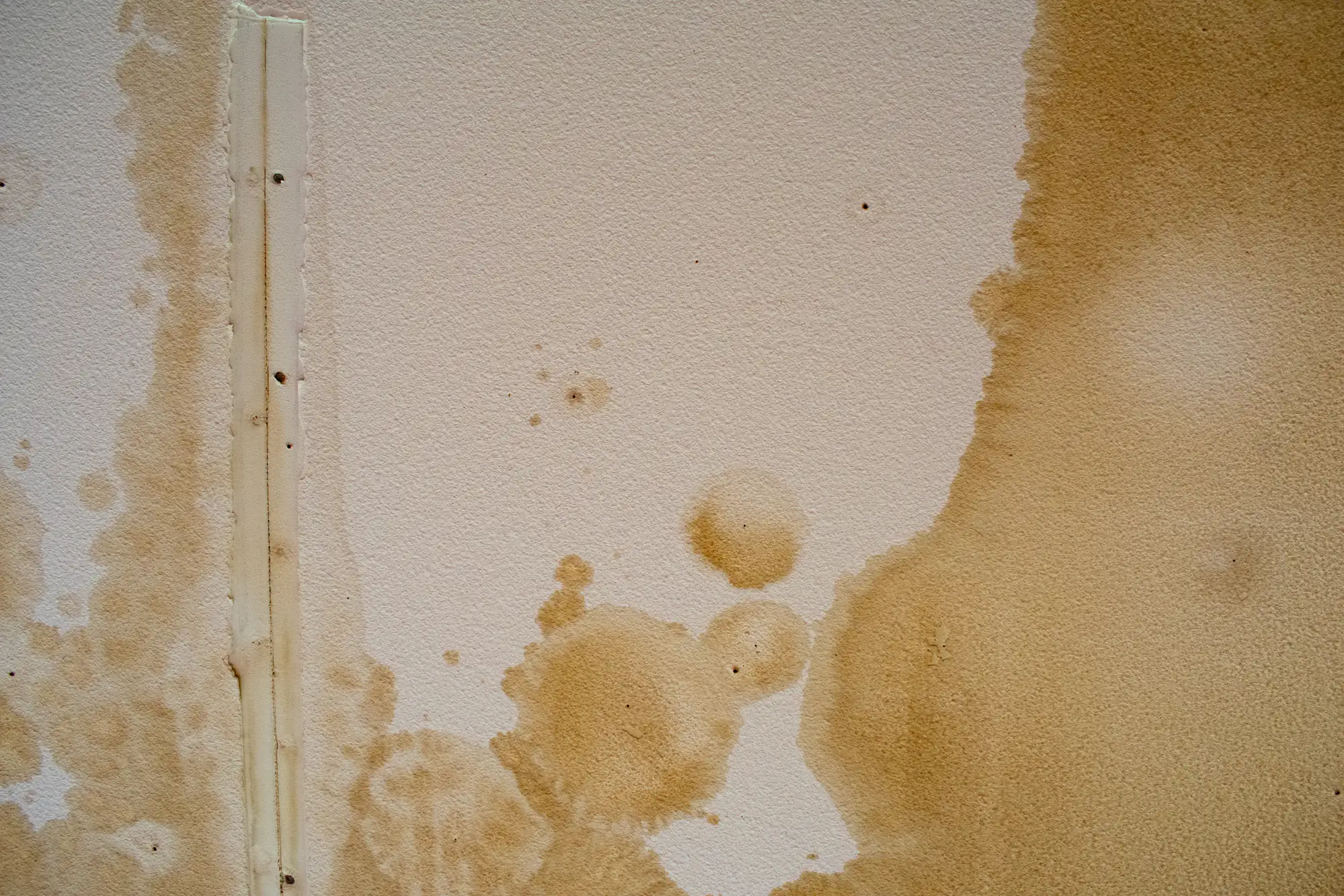
Ask how they handle change orders. Every project has the potential for something unexpected, especially in Suffolk County’s older housing stock — homes built in the 1950s through 1980s sometimes reveal outdated wiring, lead paint, or moisture issues once work begins. A trustworthy contractor will tell you about those things before proceeding and get your written approval before adding to the scope or the cost. A contractor who surprises you with extra charges after the fact is not someone you want on your project.
Ask whether they pull permits. This one matters more than most homeowners realize. In Suffolk County, permits cost $250 for projects up to $50,000 and $500 for projects up to $100,000 — and they can add roughly 6 to 10 weeks to a project timeline. Some contractors will suggest skipping permits “to save you time and money.” Don’t take that deal. Unpermitted work creates serious problems when you sell your home, can void your homeowners insurance for related claims, and may require you to tear out and redo the work entirely. A contractor who won’t pull permits may not be licensed to do so.
Ask for everything in writing — scope, price, timeline, warranty terms, payment schedule. Verbal promises aren’t enforceable. If a contractor is reluctant to put the details in a contract, treat that reluctance as the answer to your question.
Want live answers?
Connect with a Jaguar Renovation expert for fast, friendly support.
Long Island isn’t just a geographic location — it’s a construction environment with its own set of challenges. Coastal humidity, sandy soil along the South Shore, clay-heavy ground in other neighborhoods, aging housing stock, and a permit process that moves at its own pace. These factors matter when you’re hiring someone to work inside your home.
The questions that follow aren’t things you’d necessarily think to ask if you were renovating in a landlocked suburb somewhere else in the country. But here in Suffolk County, they’re worth asking.

Ask them directly: “Have you done projects like this in Suffolk County recently?” Then ask if you can speak with a reference from a comparable job — not just any reference, but someone whose kitchen or bathroom or basement they remodeled in a community like yours, within the last year or two.
This matters because local experience isn’t just about knowing the roads. It’s about knowing how coastal humidity affects drywall and paint adhesion. It’s about understanding how soil composition varies between a waterfront neighborhood in Bay Shore versus a neighborhood in Smithtown or Hauppauge, and why that affects basement waterproofing. It’s about knowing which building departments in Suffolk County move quickly and which ones need extra lead time — because a 6-to-10-week permit delay can derail a project if it isn’t planned for.
A contractor who’s been working in Suffolk County for years will talk about these things naturally. They’ll mention permit timelines without being prompted. They’ll bring up moisture management when you’re discussing a bathroom remodel. They’ll know that homes in this area — many built between the 1950s and 1980s — sometimes have surprises behind the walls, and they’ll tell you how they handle that when it happens.
Ask them what they do when they discover something unexpected mid-project. Do they stop work and call you? Do they document it in writing before proceeding? Do they adjust the scope transparently, or do they hand you a surprise invoice at the end? How a contractor answers that question tells you more about their integrity than almost anything else.
A lot of homeowners forget to ask about warranties until something goes wrong — and by then, the contractor has moved on to the next job and is suddenly hard to reach. Ask before you sign: “What warranty do you offer on your workmanship, and what does it cover?”
The key word is workmanship. A warranty on materials is the manufacturer’s responsibility. A workmanship warranty covers the quality of the installation itself — the craftsmanship, the finish, the execution. Ask for the terms in writing, ask what it specifically covers, and ask how long it lasts. One year is a reasonable baseline for a workmanship warranty. If a contractor says “we stand behind our work” without offering specifics, press them on it. What does standing behind it actually mean? Under what circumstances will they come back? How do you reach them?
Also ask what the final walkthrough process looks like. A contractor who does a final walkthrough with you, goes through the punch list, and doesn’t consider the job closed until you’re satisfied is a contractor who takes the finished product seriously. One who disappears after the last day of work and considers the job done when the invoice is paid is a different story.
On the topic of post-project concerns: ask what happens if an issue shows up three months after completion. Tile grout cracks. Paint peels in a humid bathroom. A floor seam starts to lift. What’s the process for getting that addressed? The answer should be clear, direct, and in writing — not “call us and we’ll figure it out.”
One more thing worth asking: how do they communicate during the project? Will you get updates proactively, or do you have to chase them down? Responsiveness before a project starts is usually a reliable indicator of responsiveness once work is underway. If they’re slow to return calls during the estimate phase, it tends to get worse, not better, once your deposit is in their account.
The right contractor will answer every one of these questions without hesitation. They’ll have a Suffolk County license number ready to share, proof of both general liability and workers’ compensation insurance, a clear payment schedule that doesn’t front-load the risk onto you, and a written warranty with actual terms attached to it. They’ll pull permits, communicate proactively, and not disappear when something unexpected comes up.
That’s not a high bar. It’s the baseline. And yet it’s exactly what separates a renovation that goes well from one that becomes a cautionary tale.
If you’re planning a kitchen, bathroom, basement, or any other interior renovation in Suffolk County — from Huntington to Patchogue, Smithtown to Bay Shore — we’re ready to walk you through every one of these questions and answer them directly. Reach out to Jaguar Renovation and let’s talk about your project.
Summary:
Article details:
Share: