Not all building materials are rated for Long Island's coastal conditions. Here's where to shop in Suffolk County — and what a local contractor wants you to know first.

Planning a renovation and not sure where to start shopping? You’re not alone. Suffolk County has no shortage of home improvement stores — from massive big-box retailers to family-owned tile showrooms that have been around for generations. The hard part isn’t finding a store. It’s knowing which ones actually carry what you need, which staff can give you real guidance, and which materials will hold up in a coastal Long Island home. This guide breaks it all down — including what we look for when sourcing materials for our projects — so you can walk in prepared.
There’s a reason we don’t always shop at the same places homeowners do. It’s not about access or pricing — it’s about product knowledge. The building supply landscape in Suffolk County ranges from national chains to regional independents, and the difference in what they carry, and what their staff actually knows, is significant.
Big-box stores like Home Depot and Lowe’s are convenient and well-stocked for general needs. But if you’re tackling a kitchen remodel, finishing a basement, or sourcing tile for a bathroom renovation, specialty suppliers often carry better product lines, more technical guidance, and staff who can speak to the specific demands of Long Island construction.
Riverhead Building Supply is one of the most well-known names in the county among contractors and homeowners alike. With multiple locations across Suffolk County, it’s a go-to for lumber, building materials, and contractor-grade products that you won’t always find at a national chain. The staff tends to have deeper product knowledge than what you’d encounter at a big-box store, and for larger renovation projects, that guidance matters.
9 Brothers Building Supply is another strong option, particularly for masonry and hardscape materials. They carry premium brands including Cambridge, Techo-Bloc, MSI, and Eldorado Stone — names that serious contractors recognize and specify by name. If your project involves exterior stonework, patio materials, or masonry finishes, it’s worth a visit.
For flooring, wall paneling, and ceiling materials, Long Island Paneling, Ceilings and Floors has been serving the area for over 60 years. They maintain one of the largest in-stock selections on the island, and their sales team works on a commission-free model — which means you’re getting recommendations based on what fits your project, not what moves their numbers.
L.I. Hardware, with locations in Bohemia and Ronkonkoma, serves a broad swath of central Suffolk County including Holbrook, Sayville, East Islip, and Oakdale. For tools, paint, hardware, and everyday supplies, it’s a solid local alternative to the national chains. And for homeowners in the Copiague area, F&D Supply Co. on Montauk Highway serves both DIY and trade customers with a well-rounded inventory.
MGM Building Supply is worth knowing about if you’re working on a project that involves roofing, insulation, or exterior materials. They hold certifications from Owens Corning, CertainTeed, and Velux — which signals real product training, not just shelf space — and they carry both Nassau and Suffolk County home improvement sales licenses.
This is the part most general-purpose home improvement guides skip over entirely, and it’s probably the most important thing a Suffolk County homeowner can know before they start shopping.
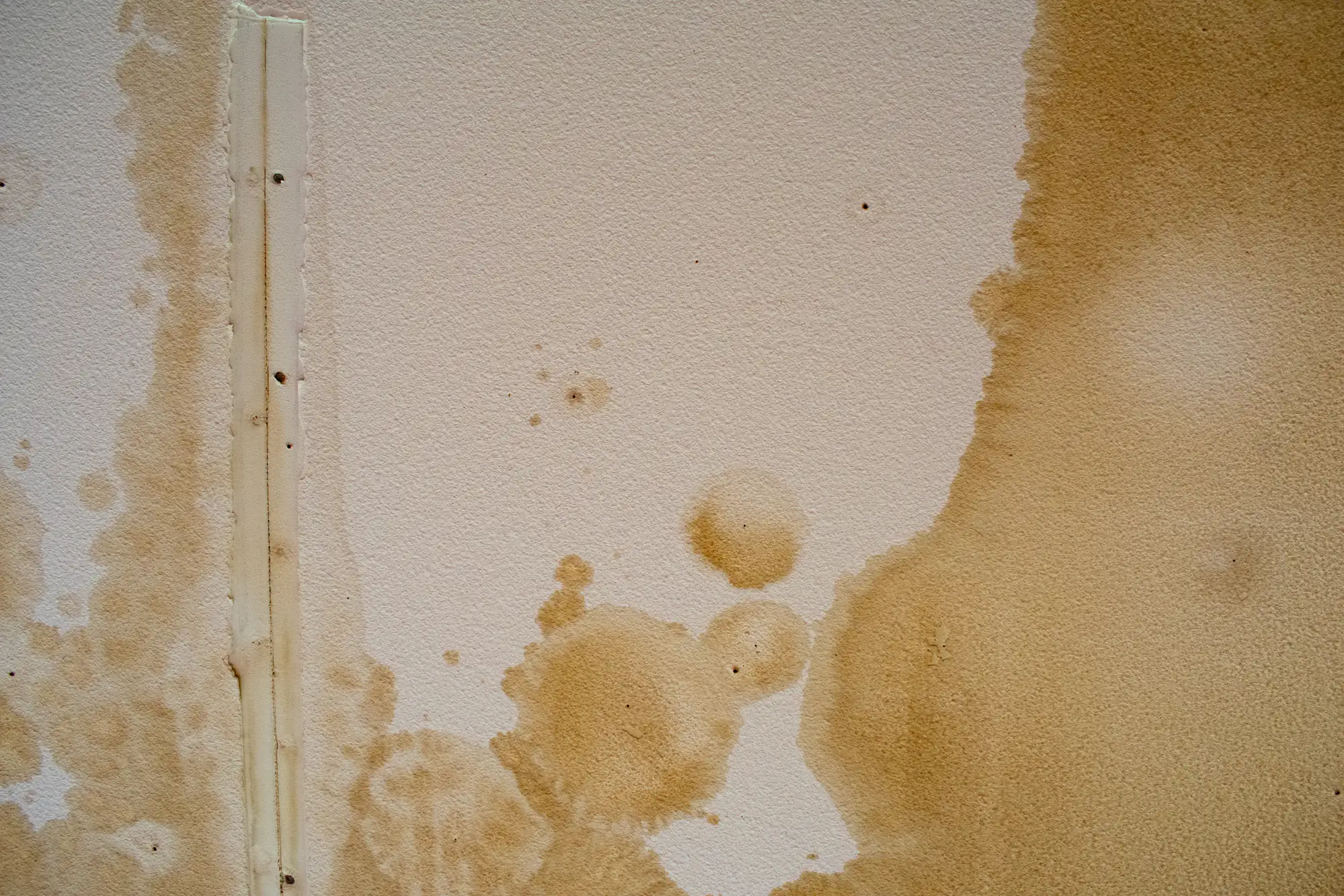
Long Island’s position between the Atlantic Ocean and Long Island Sound means your home is exposed to salt air, elevated humidity, nor’easters, and freeze-thaw cycles that simply don’t apply in inland markets. Materials that are rated for standard residential use — and that perform fine elsewhere — can fail prematurely here. Grout that cracks. Paint that peels. Flooring that warps after one wet winter.
The north shore and south shore also behave differently at the soil level. Sandy coastal areas near the Great South Bay drain quickly but introduce different moisture dynamics than the clay-heavy soils you’ll find further inland toward Smithtown or Brookhaven. If you’re finishing a basement in Bay Shore versus Setauket, the waterproofing approach and the materials you specify should reflect that difference.
What this means practically is that the store you choose matters less than the knowledge you bring into it — or the contractor you bring with you. When we source materials for a Suffolk County project, we’re not just looking at price or availability. We’re asking whether this product is right for this home, in this part of Suffolk County, given how it’s used and what it’ll be exposed to. That’s a different question than “does it come in the right color.”
Want live answers?
Connect with a Jaguar Renovation expert for fast, friendly support.
Tile is one of those purchases where the difference between a big-box store and a specialty showroom is immediately obvious once you walk through the door. The selection, the quality range, and the level of guidance you get are in a different category entirely.
Long Island has a dense tile market — if you’ve ever driven along Sunrise Highway, you’ve probably noticed that tile showrooms seem to appear every few miles. That concentration reflects real demand, and it means you have genuine options when it comes to finding the right material for your kitchen backsplash, bathroom floor, or shower surround in Suffolk County.
Cancos Tile and Stone is the name that comes up most consistently when Long Islanders talk about tile. Founded in 1953 and family-owned across four generations, Cancos has built a reputation as the go-to tile resource for the island — carrying porcelain, ceramic, stone, glass, and mosaic tile across their locations. If you’re doing a kitchen or bathroom renovation and want to see a broad range of options in person, Cancos is worth making the trip.
Argo Stone focuses on natural stone — Mediterranean marble, limestone, travertine, and quartzite — and serves architects, designers, contractors, and homeowners. If your project calls for something more distinctive than standard porcelain, or if you’re working on a higher-end renovation where material quality is a visible differentiator, Argo Stone is worth knowing about.
For homeowners who want to source stone directly, C-Line Marble and Granite in New Hyde Park imports marble and granite directly, cutting out the middleman and offering competitive pricing as a result. For larger projects where material costs add up, the savings can be meaningful.
What all three of these stores have in common is that they’re staffed by people who actually know their products. You can walk in with a photo of your bathroom and have a real conversation about what will work — not just what’s in stock.
A few things that don’t always make it onto the product tag but matter significantly for Suffolk County homes.
Grout selection is as important as tile selection, especially in bathrooms and kitchens near the coast. Standard unsanded grout in a high-humidity environment will absorb moisture and eventually crack or discolor. Epoxy grout costs more upfront but performs dramatically better in wet, humid conditions — which describes most bathrooms on Long Island, especially in homes close to the water.
Tile size and format also affect installation complexity and long-term performance. Large-format tiles (24×24 and up) are popular right now, but they require a flatter substrate and more precise installation than smaller tiles. On a floor with any flex — common in older Suffolk County homes with mid-century framing — large-format tiles can crack at the grout lines within a few years if the substrate isn’t prepared correctly.
Porcelain generally outperforms ceramic in high-traffic or high-moisture areas because of its lower water absorption rate. If you’re tiling a shower floor, a mudroom entry, or a bathroom in a home that sees real use, porcelain is almost always the right call. Ceramic has its place for backsplashes and lower-traffic wall applications, but for floors and wet areas, porcelain holds up better over time.
The material decisions you make at the showroom will determine how the finished project holds up five or ten years from now. Walking in with some baseline knowledge — or working with a contractor who already has it — makes a real difference.
Knowing where to shop is a solid starting point. But the homeowners who get the best results from their renovations aren’t just the ones who found the right tile store — they’re the ones who paired good materials with a contractor who knew exactly how to use them.
Suffolk County’s housing stock, coastal conditions, and permit requirements are specific enough that local knowledge genuinely matters. A contractor who has worked across the county — from Huntington down to Patchogue, from Smithtown to Bay Shore — brings a different level of preparation to your project than one who treats every market the same.
If you’re planning a kitchen, bathroom, basement, or interior renovation in Suffolk County and want to work with a licensed, insured contractor who handles everything from permits to final cleanup with no subcontractors and no hidden fees, Jaguar Renovation is ready to talk. Reach out for a detailed estimate — delivered within 48 hours — and see what “Excellence Built In, Extra Cost Left Out” actually looks like in practice.
Summary:
Share: