
Before you hire a contractor in Suffolk County, you've got questions. Here are the honest answers about walls, permits, costs, and what really matters.
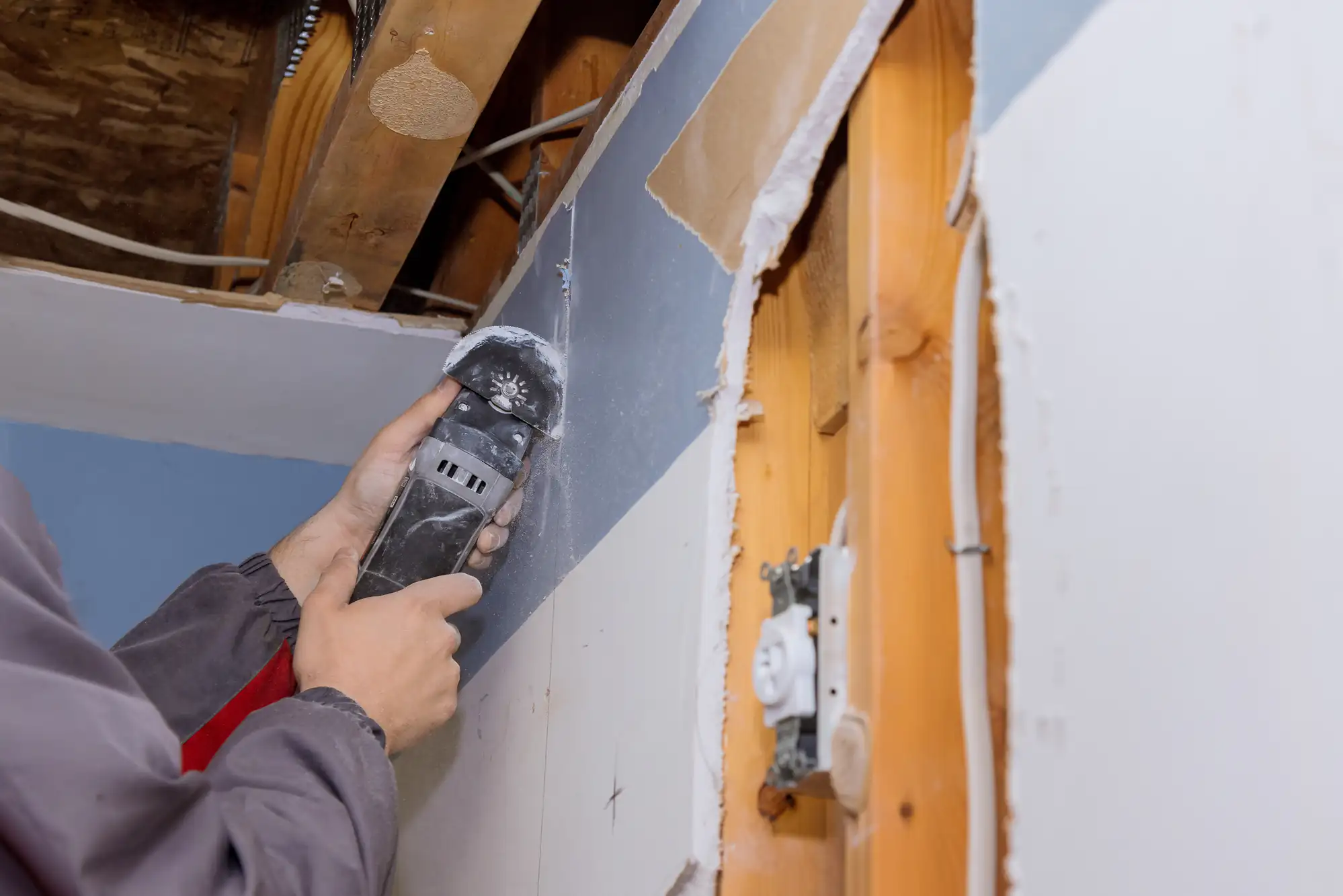
Short answer: maybe. Longer answer: it depends on whether it’s load-bearing or not.
A load-bearing wall supports the weight of your home’s structure—floors, ceiling, roof—and distributes it down to the foundation. Remove one without proper support, and you’re looking at sagging ceilings, cracked walls, or worse. A non-load-bearing wall, on the other hand, just divides space. Those can usually come down without major structural work.
The tricky part is figuring out which type you’re dealing with. Load-bearing walls often run perpendicular to your floor joists and tend to sit near the center of the house or stack directly over basement beams. But here’s where it gets real: you can’t just eyeball it. Even experienced contractors bring in a structural engineer to confirm before they start swinging hammers. That’s not overkill—that’s how you keep your house standing.

Let’s be blunt: removing a load-bearing wall without a plan isn’t just risky—it’s dangerous. Your home might not collapse immediately, but over time, gravity does its thing. You’ll start noticing sagging floors, doors that won’t close right, cracks spreading across ceilings and walls. In extreme cases, you’re looking at structural failure that makes your home unsafe to live in.
That’s why any reputable contractor will insist on temporary supports before the wall comes down. Jack studs and steel beams hold everything in place while the old wall is removed and a new beam is installed to take over the load. This beam—whether it’s laminated veneer lumber, steel, or another engineered material—has to be sized correctly based on the span and the weight it’s replacing. Get the math wrong, and you’re setting yourself up for expensive problems down the road.
And here’s something most people don’t think about: removing a wall can trigger a chain reaction of other work. You might need to reroute electrical wiring, plumbing, HVAC ductwork, or gas lines that were running through that wall. Your flooring might not match once the wall is gone. Your ceiling might need patching. It’s rarely as simple as “take down the wall and we’re done.”
This is why permits matter. Suffolk County requires them for structural changes, and for good reason. The permit process ensures that a licensed professional has reviewed the plan, that the work meets code, and that inspections happen at the right stages. If a contractor suggests skipping permits to save time or money, that’s a red flag the size of a billboard.
There’s no one-size-fits-all number here because every project is different. Removing a simple non-load-bearing partition wall might run a few hundred to a couple thousand dollars, depending on what’s inside it and how much finishing work is needed afterward.
Load-bearing walls? That’s a different conversation. You’re paying for engineering assessments, structural beams, temporary supports, permits, inspections, and skilled labor to do it right. Depending on the span and complexity, you could be looking at anywhere from a few thousand to $10,000 or more. If you need to add posts to support the beam, reroute utilities, or deal with floor and ceiling repairs, those costs add up fast.
Here’s what drives the price: the length of the span you’re opening up, the type of beam required, how accessible the work area is, what’s hidden inside the wall, and whether you’re keeping the beam exposed or boxing it in with drywall. A kitchen remodel in Suffolk County where you’re opening up the space to the living room is going to cost more than a simple wall removal in a basement.
The contractors who quote you a rock-bottom price over the phone without seeing your house? Walk away. Good contractors ask detailed questions, visit the site, measure everything, and give you a written estimate that breaks down what you’re actually paying for. We’ll also tell you upfront if we find something unexpected once the wall is opened up—because that happens more often than you’d think.
And one more thing: cheaper isn’t always better. You’re not buying paper towels at Costco. You’re making a structural change to the biggest investment you own. The contractor who comes in way under everyone else might be cutting corners you can’t see until it’s too late.
Want live answers?
Connect with a Jaguar Renovation expert for fast, friendly support.
You’ve probably Googled “questions to ask a contractor” and found lists with 50+ items. That’s overwhelming. Let’s focus on what actually matters when you’re hiring someone for bathroom remodeling, kitchen work, or any interior renovation in Suffolk County.
Start with licensing and insurance. In Suffolk County, home improvement contractors are required to be licensed. That’s not optional. Ask for their license number and verify it yourself through the Office of Consumer Affairs. While you’re at it, confirm they carry liability insurance and workers’ compensation. If someone gets hurt on your property and your contractor isn’t properly insured, you could be on the hook.
Next, ask about their experience with projects like yours. A contractor who mostly does roofing might not be your best bet for a custom kitchen remodel. You want someone who’s done similar work recently and can show you examples or connect you with past clients.

Here’s a question that separates pros from pretenders: “Who handles the permits?”
A professional contractor knows what permits are required for your project and takes care of pulling them. We understand Suffolk County’s specific requirements and have relationships with local building inspectors. More importantly, we know that permits aren’t bureaucratic red tape—they’re your protection that the work will be done to code.
If a contractor suggests you pull the permits yourself, that’s a warning sign. It usually means they’re either unlicensed, trying to avoid scrutiny, or don’t want their name attached to the work. None of those scenarios end well for you.
Permits are required for structural changes, electrical work, plumbing modifications, and other significant alterations. The permitting process includes inspections at various stages to make sure everything is done correctly. Yes, it adds time to your project. Yes, there are fees involved. But it’s also your assurance that when you go to sell your house someday, you won’t have to explain unpermitted work that could kill a deal.
Suffolk County also has specific rules about escrow accounts for contractor deposits. Licensed contractors are required to put your deposit in an escrow account and notify you within five days where those funds are being held, or prove they have bond insurance. This protects you if the contractor disappears or doesn’t finish the job.
Let’s talk money—specifically, how to avoid getting blindsided by costs you didn’t see coming.
A detailed estimate should list exactly what work will be done, what materials will be used (including brands when relevant), and a clear timeline. If you’re looking at a kitchen remodeling project, that means breaking down cabinets, countertops, flooring, appliances, labor, permits, and anything else that’s part of the scope. Vague line items like “miscellaneous” or “materials” without specifics are red flags.
Ask what’s not included in the estimate. Are you responsible for buying appliances? What happens if we open up a wall and find old wiring that needs updating? How do change orders work if you decide mid-project that you want different tile? These conversations feel awkward, but they prevent arguments later.
Payment schedules matter too. Never pay the full amount upfront—that’s a cardinal rule. Most contractors ask for a deposit to get started, then structure payments based on project milestones. A typical schedule might be a third down, a third at the midpoint, and the final third when the work is complete and you’re satisfied. Be wary of contractors who want large chunks of money before they’ve done much work.
And here’s something that doesn’t get talked about enough: warranties. Ask what’s covered if something goes wrong after the project is done. A one-year warranty on workmanship is standard in the industry, though two years is better. Make sure you understand what’s included and what’s not, and get it in writing.
The contractors who are upfront about all of this from the start? Those are the ones worth hiring. The ones who dodge questions about pricing, get vague when you ask for details, or pressure you to sign quickly? Keep looking.
Here’s what it comes down to: renovating your home—whether it’s opening up your kitchen, updating a bathroom, or tackling a basement remodel—is a big deal. You’re investing serious money and trusting someone to work inside your house for weeks or months. You should feel confident about that decision, not anxious.
The contractors worth hiring are the ones who answer your questions directly, show you they’re licensed and insured, explain the process clearly, and don’t pressure you into signing before you’re ready. We handle permits because we know it’s the right way to do things. We give you detailed estimates so you know what you’re paying for. And we stand behind our work when the project is done.
If you’re planning an interior renovation in Suffolk County and want to work with a contractor who keeps things transparent from start to finish, Jaguar Renovations has been handling projects like yours for nearly a decade. No hidden costs, no sales pressure—just honest work and clear communication. When you’re ready to move forward, reach out and let’s talk through what you’re planning.
Summary:


Article details:
Share: