A license is just the starting point. Here's what actually separates a reliable contractor from one who'll leave you with headaches, delays, and surprise bills.
You’ve probably already heard the horror stories. The contractor who took a deposit and went quiet. The crew that showed up three weeks late and left the job half-finished. The “final” bill that was somehow $15,000 more than the original estimate. These aren’t rare exceptions — they’re common enough that most homeowners in Suffolk County, NY either know someone it happened to or have lived through it themselves. So when you’re getting ready to hire someone for a kitchen, bathroom, or basement renovation, the question isn’t just whether they’re licensed. It’s whether they’re actually going to deliver. Here’s how to tell the difference.
Reliability isn’t a feeling — it’s a set of specific, verifiable practices. And the contractors who have them aren’t shy about saying so, because those practices are exactly what sets them apart.
The first thing to understand is that a license is the legal minimum. In Suffolk County, NY, home improvement contractors are required to hold a county-issued Home Improvement Contractor (HI) license to legally perform renovation work. That license matters — we’ll get to why shortly — but it doesn’t tell you whether the contractor communicates proactively, finishes on time, or honors the price they quoted you. Those things come from how a business operates, not just whether it cleared the legal bar to operate at all.
According to a nationally representative Consumer Reports survey of 913 homeowners, the number one complaint about contractors isn’t cost overruns. It’s failing to show up. That finding says a lot about where the real risk is — and what you should actually be evaluating when you compare your options.

Suffolk County, NY administers its own Home Improvement Contractor licensing system — separate from New York State licensing — through the county’s Department of Consumer Affairs. Any contractor performing home improvement work in the county is legally required to hold a valid HI license, and that license number is something you can and should look up before signing a contract.
When a contractor gives you their license number, don’t just take their word for it. Look it up. The county’s licensing authority maintains records of active licenses, and a quick search will confirm whether the license is current, who it belongs to, and whether there are any complaints or actions on file. Our license number is HI-71285 — you’re welcome to verify it.
This matters for a few reasons beyond simple legal compliance. Licensed contractors are required to carry general liability insurance and workers’ compensation coverage. If an unlicensed contractor damages your property or gets injured on your job site, you could be the one holding the bill. Workers’ comp alone is a protection most homeowners don’t think about until something goes wrong — at which point it’s too late.
There’s also the permit question. Licensed contractors pull permits. Unlicensed contractors typically skip that step entirely, because pulling a permit creates a paper trail that exposes them. The problem is that unpermitted work doesn’t disappear — it surfaces when you go to sell your home. In Suffolk County, NY, you may be required to disclose unpermitted renovations to buyers, which can affect your sale price, delay closing, or create legal liability. Working with a licensed contractor who handles permits as a standard part of the job protects you long after the renovation is finished.
A license with a complaint history is still a license. Checking the number isn’t just about confirming it exists — it’s about seeing the full picture. There have been documented cases nationally of contractors with dozens of complaints on file that their clients never knew about because they only asked “are you licensed?” and moved on.
Here’s something that doesn’t come up in most contractor conversations, but probably should: will the person you’re meeting with actually be the one working in your home?
Many contractors — even well-established ones — win the job through a polished sales process and then hand the work off to subcontractors. Those subcontractors may be skilled. They may not be. What they almost certainly are is disconnected from the specific conversation you had about your project, your preferences, your timeline, and your home. When something goes wrong — and something almost always needs a judgment call mid-project — the chain of accountability gets murky fast.
This is one of the most under-discussed sources of contractor frustration, and it’s worth asking about directly: do you use subcontractors, or is everyone who works in my home part of your team?
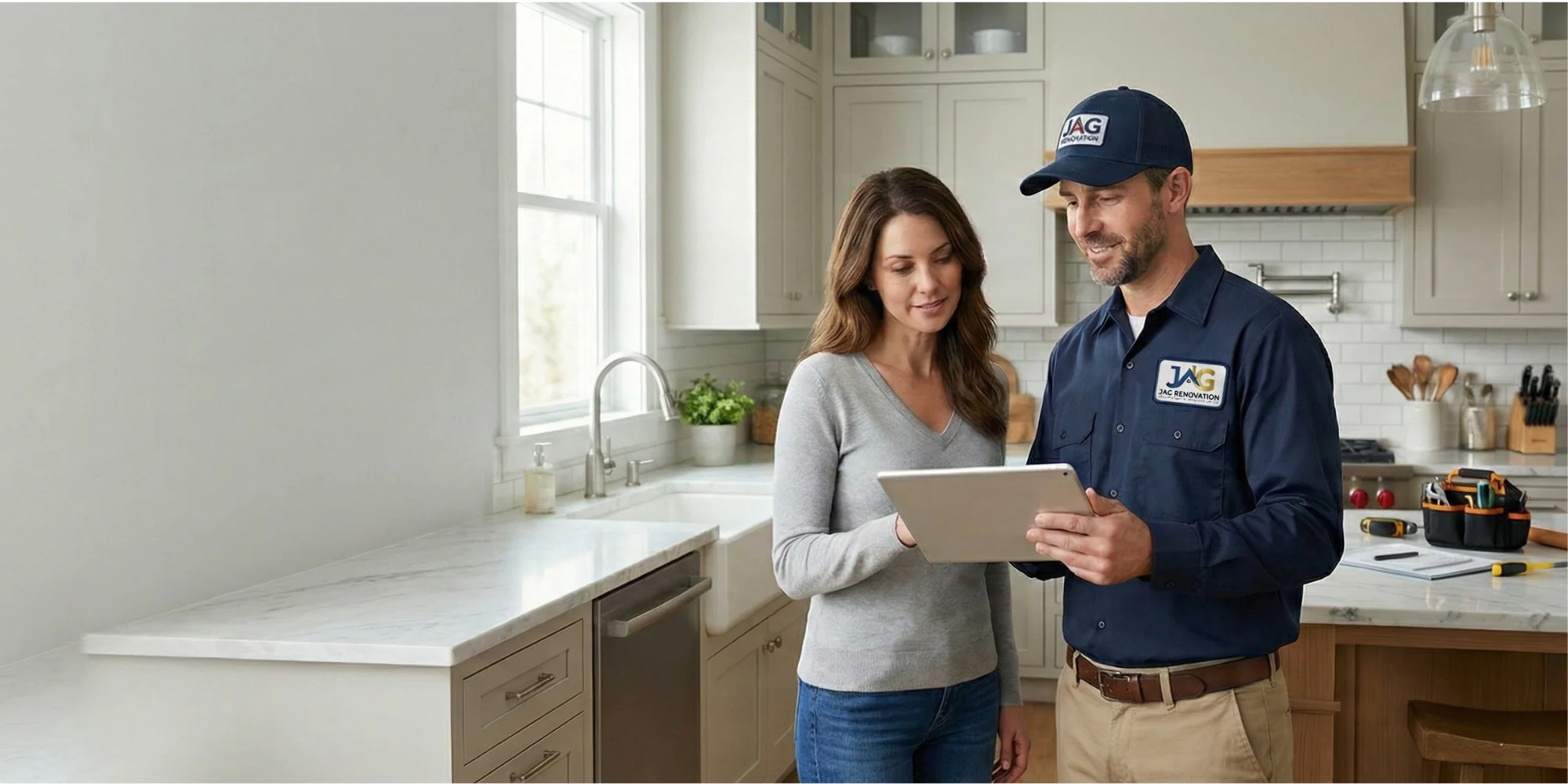
We use in-house crews only. Every person working on your renovation is a Jaguar Renovation employee — not a third-party trade brought in for a portion of the job. That means consistent quality from start to finish, a single point of accountability if anything needs to be addressed, and no scheduling gaps caused by one subcontractor waiting on another to finish before they can begin.
It also means the people who show up on day one are the same people who finish the job. That consistency matters more than most homeowners realize until they’ve experienced the alternative — a rotating cast of faces, none of whom seem to know what the last crew agreed to.
In a county where Suffolk County, NY’s building inspectors are known for holding contractors to a high standard, having an experienced, cohesive in-house team isn’t just a nice-to-have. It’s the kind of operational structure that actually gets projects through inspection without delays.
Want live answers?
Connect with a Jaguar Renovation expert for fast, friendly support.
Knowing what to look for is one thing. Knowing where to find contractors who actually meet that bar is another. Suffolk County, NY has no shortage of options — from large regional firms to solo operators — and the range in quality is significant.
Start with verifiable credentials: an active HI license, BBB accreditation, a physical address in the county, and a named owner attached to the business. These aren’t guarantees, but they’re filters. A contractor who clears all of them is operating transparently, which is a meaningful signal in an industry where opacity is common. It is the same standard we hold ourselves to as a licensed general contractor in Suffolk County.
Beyond credentials, pay attention to how they communicate before you’ve committed to anything. Do they return calls promptly? Do they give you a clear, itemized estimate — or a vague number with room to grow? How long does it take to get a written quote? These early interactions are a preview of what the project itself will feel like.
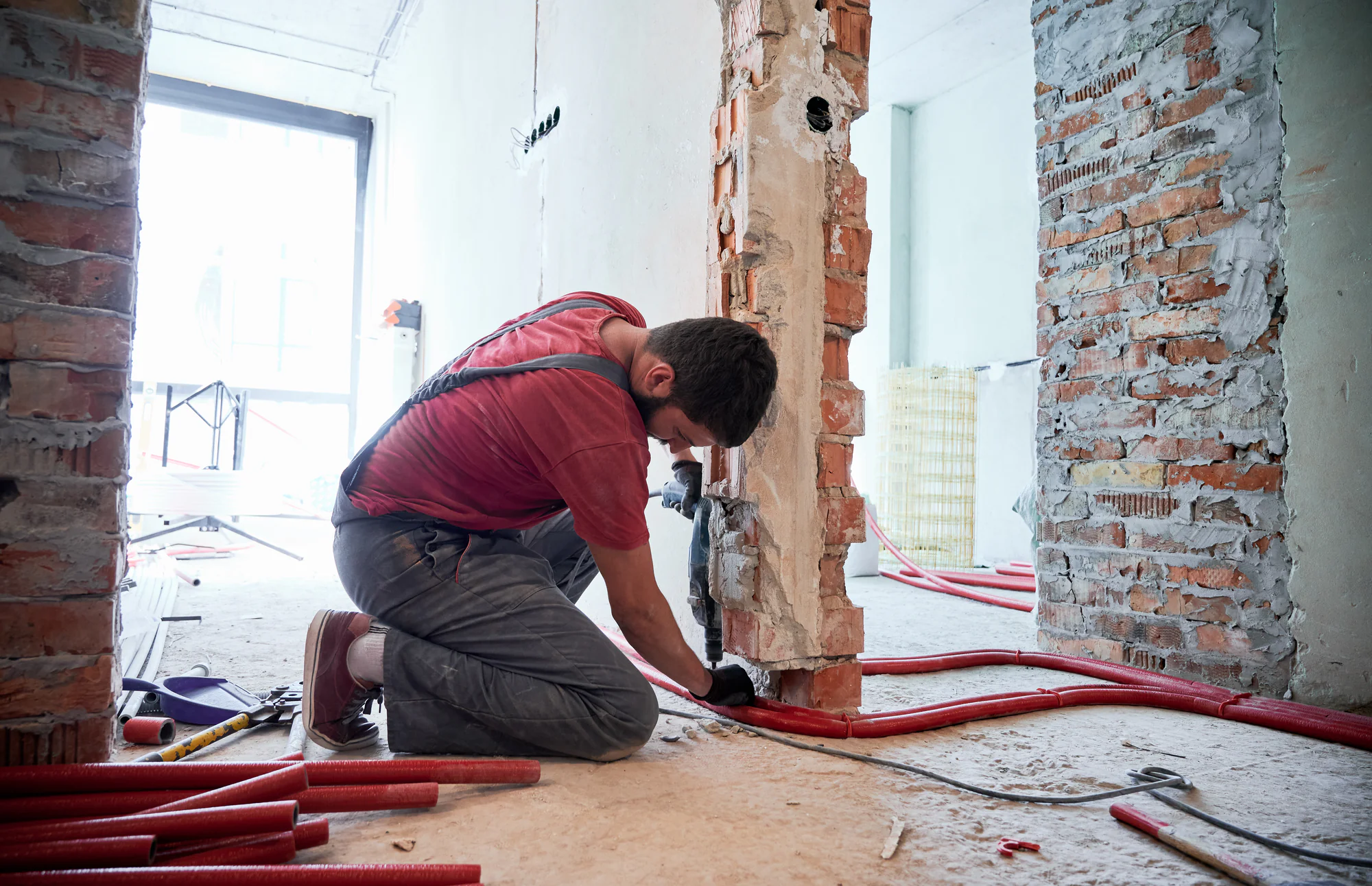
Price is obviously part of the decision — but it’s not always the part homeowners think it is. The lowest bid rarely stays the lowest bid. Vague estimates leave room for change orders, and change orders are where renovation budgets fall apart.
To give you a realistic frame of reference: a bathroom remodel in Suffolk County, NY typically runs between $15,000 and $30,000 depending on scope, materials, and whether any plumbing or layout changes are involved. A full kitchen renovation generally falls in the range of $40,000 to $80,000 or more, depending on the size of the space, the extent of the changes, and the finishes selected. Basement remodels vary more widely based on factors like whether plumbing, egress windows, or electrical work are part of the scope.
These aren’t numbers to negotiate down to the floor — they reflect what quality materials, proper permits, and experienced labor actually cost in this market. A bid that comes in significantly below these ranges is worth questioning. What’s been left out? What will become a change order later?
What you actually want from a contractor isn’t the lowest number on paper — it’s a fixed price that reflects the real scope of the project, delivered in writing before work begins. That means no change orders for things an experienced contractor should have anticipated, and no surprise fees for “unforeseen conditions” that were entirely foreseeable. When a legitimate scope change does arise mid-project, it should be discussed and agreed upon before any additional work proceeds — not billed after the fact.
We deliver detailed, written estimates within 48 hours of an initial consultation. The estimate you receive reflects the actual project — not a foot-in-the-door number that grows once you’ve committed.
Hiring a contractor who works across Long Island isn’t the same as hiring one who genuinely understands Suffolk County, NY’s specific construction environment. The two are different in ways that show up in material selection, scheduling, and inspection outcomes.
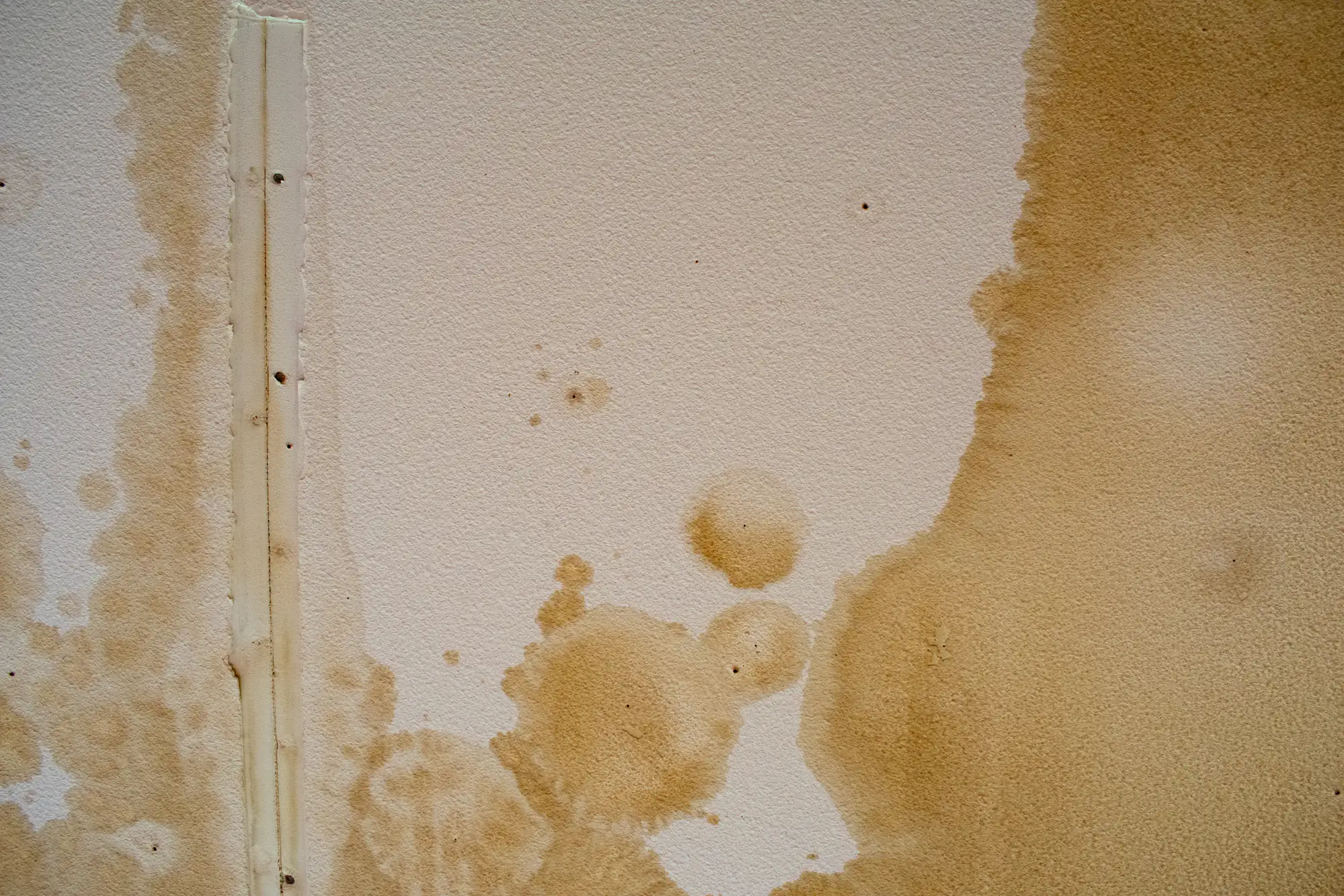
Suffolk County, NY’s geography — bounded by the Long Island Sound to the north and the Atlantic to the south — creates persistent humidity challenges that affect interior spaces in ways that homeowners from other regions often underestimate. Moisture intrusion, wood warping, drywall damage, and paint failure are common in homes that weren’t renovated with coastal conditions in mind. Knowing which materials hold up in that environment, and which ones look fine on day one and start failing by year three, is the kind of knowledge that comes from years of working specifically in this market — not from general construction experience.
Seasonal timing matters here too. Long Island’s exposure to nor’easters, tropical systems, and late-summer humidity spikes creates real considerations around when interior work gets done and how it gets staged. A contractor who builds Suffolk County, NY’s seasonal patterns into their scheduling — rather than treating it like any other New York suburb — is going to deliver a more predictable project experience.
Then there’s the inspection side. Suffolk County, NY’s building inspectors are thorough, and permit approval timelines can add one to two weeks to a project schedule if you’re not accounting for them from the start. We’ve been working with Suffolk County, NY inspectors long enough to know how to schedule around that process, what they’re looking for at each inspection stage, and how to avoid the delays that catch less experienced contractors off guard.
We’re based in Port Jefferson and serve homeowners across the full county — from Huntington and Smithtown on the north shore to Bay Shore and Patchogue along the south shore. That geographic range isn’t just a service area claim. It’s the territory we’ve been working in for nearly a decade, and the local knowledge that comes with it is built into every project we take on.
The short version of everything above: a license matters, but it’s the starting point — not the finish line. What you’re actually looking for is a contractor who verifies their credentials openly, uses their own crew, gives you a fixed price in writing, pulls permits as standard practice, and has the local experience to anticipate the specific challenges that come with renovating a home in Suffolk County, NY.
Those things exist in the same contractor. They’re just not universal.
If you’re in the middle of comparing options and want to talk through your project without a sales pitch, Jaguar Renovation is straightforward to reach. We’ll give you a detailed estimate within 48 hours, and most projects are ready to begin within one to two weeks of approval. No pressure, no runaround — just an honest conversation about what your renovation actually involves and what it will cost.
Summary:
Article details:
Share: