Not sure which flooring works best for your kitchen or bathroom remodel? This guide breaks down material options, waterproof solutions, and when subflooring needs attention first.
There’s no single “best” flooring. There’s only what works best for your situation. The room matters. Your household matters. Your budget matters.
Hardwood brings warmth and resale value but doesn’t love moisture. Vinyl handles water like a champ but won’t refinish later. Laminate gives you the wood look at a lower price point but has limits in wet areas. Tile stands up to everything but feels cold underfoot.
Each material has a place. The trick is matching it to the right room and the right use case. In Suffolk County homes, we’re seeing more homeowners move toward warm wood tones and waterproof luxury vinyl—materials that balance style with the practical demands of daily life.
This is where most people get stuck. Both look like wood. Both work in living areas. So what’s the actual difference?
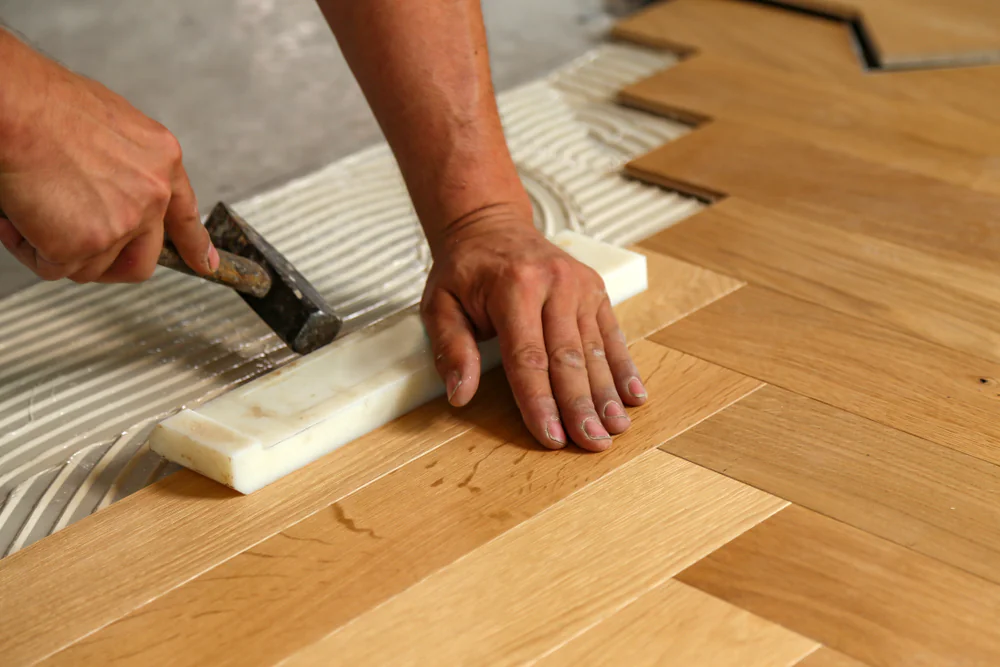
Hardwood is real wood all the way through. You can sand it down and refinish it multiple times over the years. That means scratches and wear aren’t permanent. It adds serious resale value—most realtors will tell you it helps homes sell faster and for more money. But it costs more upfront, usually between five and fifteen dollars per square foot depending on the species. And it doesn’t handle moisture well, so kitchens and bathrooms are risky.
Laminate is a printed image of wood on top of compressed fiberboard. It’s tougher against scratches in the short term and costs less—typically two to five dollars per square foot. It’s also more water-resistant than hardwood, though not fully waterproof. The downside? Once it’s damaged, you’re replacing it. There’s no refinishing option. And while it looks good, it won’t add the same resale value as real wood.
Here’s the bottom line. If you want longevity and you’re willing to invest, hardwood wins. If you need something more affordable that still looks good and handles daily wear, laminate makes sense. Just know what you’re getting into with each. And if you’re leaning toward the warmth of wood but need better moisture protection, engineered hardwood or luxury vinyl plank might be the sweet spot.
Kitchens and bathrooms need flooring that can handle water. Not just resist it—handle it. Because spills happen. Leaks happen. Humidity happens.
Luxury vinyl plank, or LVP, is fully waterproof. Not water-resistant. Waterproof. It’s built with multiple layers including a waterproof core, so even if water sits on it for hours, it won’t swell or warp. It comes in wood-look and stone-look styles that are surprisingly convincing. It’s comfortable underfoot, quieter than tile, and costs less than hardwood. For wet areas, it’s one of the smartest choices you can make.
Tile is the other heavy hitter. Porcelain and ceramic tile are naturally water-resistant and incredibly durable. They won’t scratch, dent, or stain easily. The grout lines need occasional maintenance, but the tile itself is nearly indestructible. The trade-off? Tile is hard and cold. If you’re standing in the kitchen for long stretches, your feet will feel it. Some people add rugs. Others install radiant heating underneath.
Laminate gets marketed as water-resistant, but here’s the truth—it’s only resistant for about thirty hours. After that, moisture starts to cause problems. If you’re considering laminate for a kitchen, make sure you’re vigilant about wiping up spills quickly. For bathrooms, it’s not the best call.
Waterproof vinyl and tile are your safest bets in moisture-heavy spaces. They perform when it counts.
Want live answers?
Connect with a Jaguar Renovation expert for fast, friendly support.
If you have dogs or cats, your flooring needs to handle claws, accidents, and the occasional food bowl spill. Not every material is up for the job.
Luxury vinyl is the go-to for pet owners. It’s scratch-resistant, fully waterproof, and easy to clean. Even if your dog tracks in mud or your cat has an accident, you can wipe it up without worrying about permanent damage. The top wear layer is tough enough to resist claw marks from daily traffic.
Tile works too. It’s scratch-proof and handles moisture without issue. The hard surface doesn’t absorb odors, which is a big plus. The downside is that it can be slippery for older dogs or pets with joint issues, and it’s not as comfortable for them to lie on.
Laminate offers decent scratch resistance, but it’s not waterproof. If your pet has accidents and you don’t catch them immediately, the moisture can seep into the seams and cause swelling. It’s not a dealbreaker if your pets are well-trained, but it’s something to consider.
Hardwood is beautiful, but it’s the most vulnerable to pet damage. Claws will leave scratches over time. Water from bowls or accidents can cause staining and warping. If you go with hardwood and have pets, plan on refinishing it more often—or choose a harder wood species and a matte finish that hides wear better.
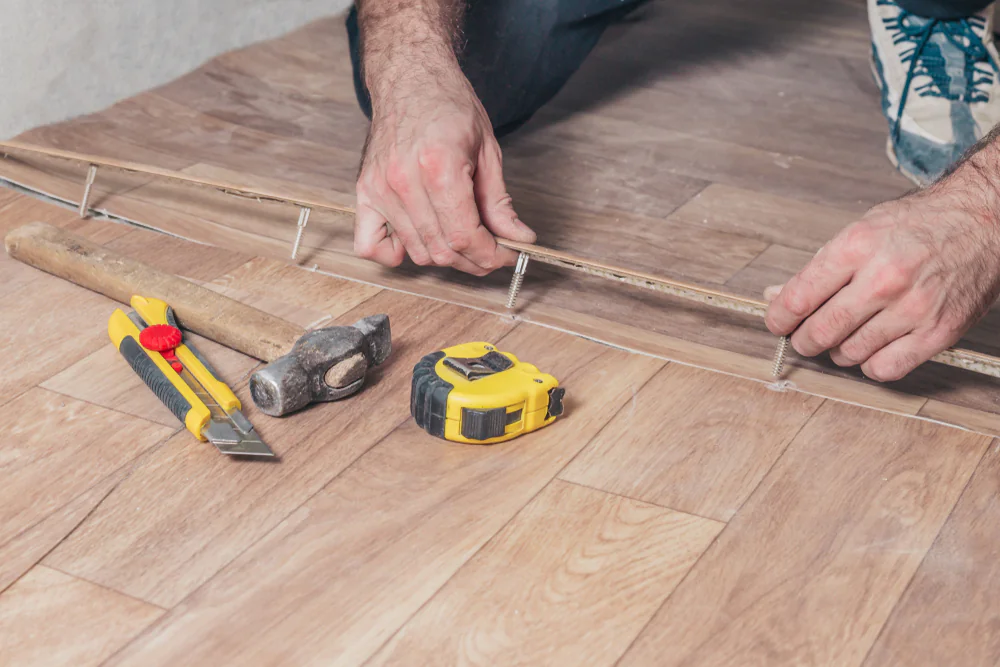
Flooring installation isn’t just about laying down planks or tiles. It’s about doing it in the right order, especially during a remodel.
If you’re redoing a kitchen or bathroom, the big question is whether to install flooring before or after cabinets. The answer depends on the type of flooring. For hardwood or tile, most contractors install the floor first. It creates a level surface that makes cabinet installation easier. It also means you can swap out cabinets later without dealing with a patched floor underneath.
For floating floors—like vinyl plank, laminate, or engineered wood—cabinets usually go in first. These floors are designed to expand and contract with temperature changes. If you put heavy cabinets on top, you prevent that movement, which can cause the floor to buckle or peak over time. Installing cabinets first also protects the flooring from damage during the cabinet installation process.
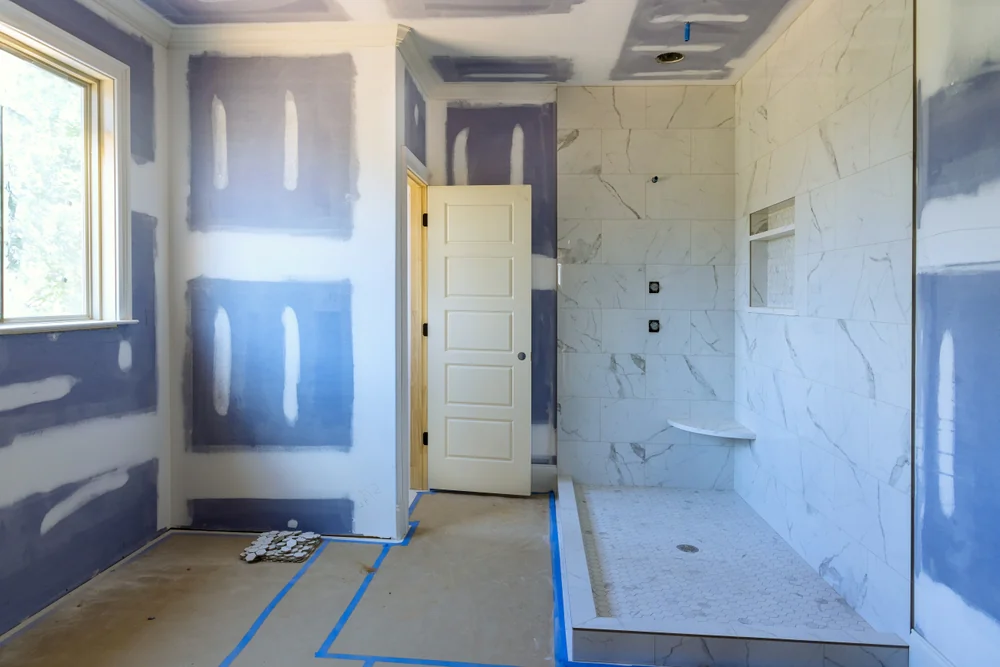
The subfloor also factors in. Before any new flooring goes down, the subfloor needs to be clean, level, and structurally sound. If it’s damaged, that gets addressed first. Skipping that step leads to squeaks, uneven surfaces, and flooring that fails prematurely.
In a full remodel, the sequence typically goes: subfloor repair if needed, then either flooring or cabinets depending on material type, then the rest of the finishes. Getting the order right saves time, money, and future headaches.
Most people don’t think about the subfloor until there’s a problem. But if it’s damaged, no amount of beautiful flooring on top will fix it.
The subfloor is the structural layer beneath your finished floor. It’s usually plywood or oriented strand board, and it’s what keeps your floor stable and level. When it’s in good shape, you don’t notice it. When it’s not, you’ll feel soft spots, hear squeaking, or notice the floor sagging in certain areas.
Water damage is the most common culprit. Leaks from plumbing, a loose toilet seal, or even high humidity can cause the subfloor to rot or warp. If you’re remodeling a bathroom or kitchen, it’s worth pulling up a section of the old flooring to inspect the subfloor before you commit to new materials. If you see dark staining, soft or spongy spots, or a musty smell, the subfloor likely needs attention.
Replacing a damaged subfloor isn’t optional. If you install new flooring over a compromised subfloor, the problem will only get worse. The new floor will start to sink, crack, or separate. You’ll end up paying twice—once for the flooring, and again to fix the subfloor and reinstall everything.
In some cases, the subfloor just needs reinforcement. Maybe it’s bouncy in the center of a room or there’s minor damage in one corner. We can add blocking, sister joists, or replace small sections without tearing out the entire floor. But if there’s widespread rot, mold, or structural failure, a full replacement is the right move.
The good news? Addressing subfloor issues during a remodel is the perfect time. Everything’s already torn up. You have access. And you’re setting yourself up for flooring that performs well for decades instead of failing in a few years.
Flooring isn’t just about what looks good in the showroom. It’s about what works in your home, in your rooms, with your life.
Hardwood brings value and can be refinished. Vinyl handles water and pets without breaking a sweat. Laminate gives you the look at a lower cost. Tile is nearly indestructible in the right spaces. And before any of it goes down, the subfloor needs to be solid.
If you’re planning a remodel in Suffolk County, NY and want flooring that’s done right—from subfloor assessment to final installation—we bring nearly a decade of experience to every project. Transparent communication, quality craftsmanship, and no hidden costs. Just honest work that lasts.
Summary:
Article details:
Share: