Not every contractor you find online is legally allowed to work on your Suffolk County home. Here's how to find one who is — and who will actually deliver.

Most homeowners in Suffolk County don’t start a renovation project feeling confident. They start it feeling cautious — because they’ve heard the stories. The contractor who disappeared after the deposit. The estimate that doubled by the time the job was done. The subcontractors nobody recognized showing up on a Tuesday morning.
Finding the right local residential contractor isn’t about finding the biggest name or the lowest number. It’s about knowing what to look for before you commit. We’ve put together this guide to cover exactly that — what separates a contractor worth hiring from one worth avoiding, and what you should know about this specific market before you start making calls.
Suffolk County has its own rules. That’s not a figure of speech — it’s a legal reality. The county requires any contractor performing residential renovation work to hold a Suffolk County Home Improvement Contractor license, issued through the Department of Labor, Licensing & Consumer Affairs. A contractor licensed to work in Nassau County is not automatically licensed to work here. A general handyman with a business card and a truck is not the same thing as a licensed contractor.
This matters more than most homeowners realize. If something goes wrong on a job performed by an unlicensed contractor — a permit violation, a workmanship dispute, an injury on your property — you may be holding the liability. The credential to ask for is specific: a Suffolk County Home Improvement Contractor license. You can verify it through the county. If a contractor can’t produce it, that’s your answer.

Most homeowners ask contractors two questions: how much will it cost, and how long will it take. Those are fine questions, but they’re not the ones that protect you. Here are the ones that do.
Ask whether the contractor holds a Suffolk County Home Improvement Contractor license — and ask for the license number. A legitimate contractor will give it to you without hesitation. We hold HI-71285, verifiable through the county. If someone hedges or says licensing “depends on the project,” that’s a red flag.
Ask who will actually be doing the work. This one surprises people. Many contractors operate as project managers — they sell the job, then hand it off to subcontractors you’ve never met. That’s not inherently wrong, but it introduces real risk: inconsistent quality, accountability gaps, and unfamiliar people in your home. Ask directly whether the crew doing the work is employed by the company or subcontracted out. The answer tells you a lot.
Ask how change orders are handled. This is where most renovation budgets fall apart. A contractor with a clean process will tell you that any scope changes are discussed and approved in writing before additional work proceeds — not added to the final bill as a surprise. If the answer is vague, your estimate is not a real number.
Ask whether permits are included in the scope. In Suffolk County, permits are required for most kitchen, bathroom, basement, and structural work — and the permit fees start at $250 for projects up to $50,000. A contractor who asks you to pull the permit in your own name is shifting the legal responsibility onto you. That’s not standard practice among reputable contractors; it’s a warning sign. We handle permitting from application through final inspection sign-off.
Finally, ask about the warranty. What happens if the tile starts separating six months after the job is done? A one-year workmanship warranty means the contractor is accountable after the crew leaves — not just while they’re still on-site.
These questions aren’t designed to be adversarial. They’re designed to tell you, quickly, whether you’re talking to someone who runs a professional operation or someone who will be harder to reach once the check clears.
Here’s the honest answer: it depends on the project, and anyone who gives you a number before seeing the scope is guessing. But there are real benchmarks worth knowing so you can evaluate what you’re being quoted.
Nationally, the average home renovation runs around $22,000, though that figure covers an enormous range of project types. In Suffolk County, where labor costs and material prices reflect the New York metro market, you should expect to pay more than the national average for the same scope of work. Bathroom remodels in this area typically run $15,000 to $30,000. A full kitchen renovation can range from $40,000 to well over $80,000 depending on the size, materials, and structural changes involved.
The number that matters most isn’t the estimate — it’s the final bill. Roughly 53% of homeowners who hire contractors end up going over budget, and the mechanism is almost always the same: a low opening estimate followed by change orders for things that should have been anticipated from the start. “Unforeseen conditions” is a phrase that costs homeowners thousands of dollars every year. An experienced contractor doing a proper site assessment shouldn’t be surprised by what’s behind your walls.
This is why fixed pricing — where the estimate you receive upfront is the price you pay — is worth prioritizing when you evaluate contractors. It’s not the industry norm, which is exactly why it matters. When a contractor commits to a written, fixed estimate with no hidden fees and no change orders for things they should have anticipated, they’re putting their reputation on the line. That’s a different kind of accountability than a rough ballpark and a handshake.
For homeowners financing a renovation through a home equity loan or HELOC — which more than half of renovating homeowners do — knowing the real number upfront isn’t just convenient. It’s necessary for planning. A contractor who won’t commit to a firm number before the work begins is a contractor who’s already planning to charge you more.
Want live answers?
Connect with a Jaguar Renovation expert for fast, friendly support.
Suffolk County’s geography creates construction conditions that don’t exist in most other markets. The county sits between the Atlantic Ocean and Long Island Sound, and that coastal environment affects renovation work in ways that are easy to underestimate if you’re not working here regularly.
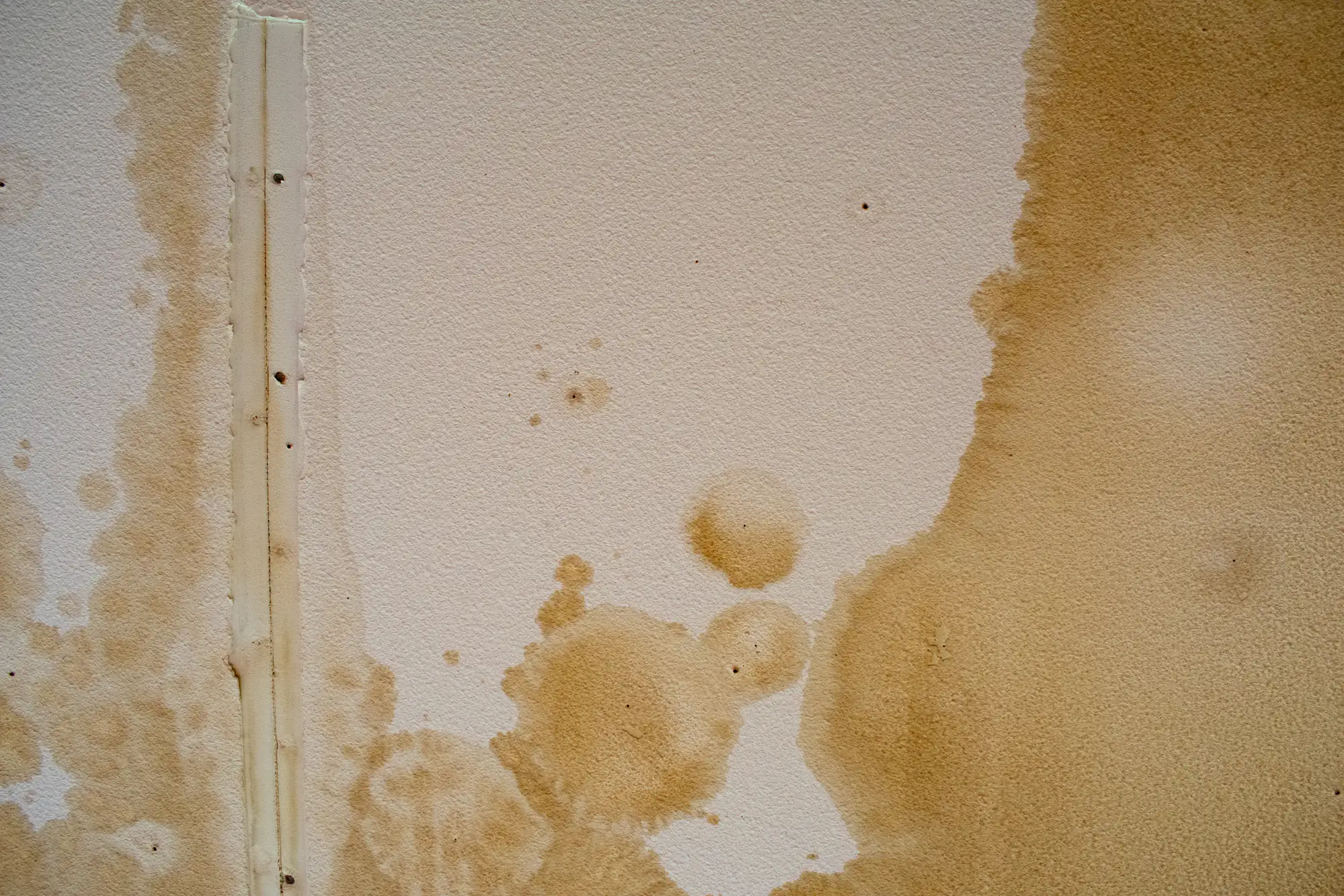
Humidity is persistent. Salt air accelerates the deterioration of interior finishes, flooring adhesives, and building materials. The water table is high, and the soil is predominantly sandy — which means basements are particularly vulnerable to moisture infiltration, and any below-grade renovation needs to account for that from the design phase forward. These aren’t edge cases. They’re routine considerations for any contractor doing serious work in Suffolk County.

Timing matters more in Suffolk County than in inland markets. Hurricane season runs from June through November, and coastal communities from Port Jefferson to Bay Shore to Patchogue face real weather exposure during that window. A contractor who doesn’t build seasonal considerations into scheduling is setting up homeowners for delays they didn’t plan for.
The aging housing stock adds another layer. Much of Suffolk County’s residential inventory was built between the late 1940s and the 1970s — homes that are now 50 to 70 years old. That era of construction brings predictable challenges: outdated plumbing configurations, electrical systems that weren’t designed for modern load demands, and materials that have been absorbing coastal humidity for decades. A contractor walking into a 1962 ranch in Smithtown needs different expectations than one working on a newer build.
Approximately 70% of properties in Suffolk County rely on private cesspool or septic systems rather than municipal sewers. That’s not a minor footnote — it affects basement renovation planning, plumbing scope, and what’s feasible in below-grade spaces. A contractor who doesn’t understand how this works in the context of Suffolk County’s specific regulatory and environmental conditions isn’t fully equipped to advise you on your project.
The details that seem minor in the estimate phase have a way of becoming major in the middle of a project. Local experience — specifically Suffolk County experience — is worth more than a low bid from a contractor who learned their trade somewhere else.
The most common mistake homeowners make when searching for a contractor isn’t hiring the wrong one — it’s not knowing what “right” looks like before they start comparing. By the time you’re getting estimates, you’re already in a reactive position. The homeowners who end up happiest with their renovations tend to be the ones who did a little homework before the first phone call.
Start with licensing. Go to the Suffolk County Department of Labor, Licensing & Consumer Affairs and verify that any contractor you’re considering holds a current Home Improvement Contractor license. This takes a few minutes and filters out a significant portion of the people advertising online.
Check for BBB accreditation. It’s not the only trust signal that matters, but it’s a visible, third-party indication that a contractor has met a baseline standard for transparency and complaint resolution. It also gives you a channel for recourse if something goes wrong.
Ask your neighbors — not for recommendations necessarily, but for recent experiences. Local Facebook groups for Huntington, Smithtown, Setauket, and other Suffolk County communities are active with homeowner conversations about contractors. The feedback there tends to be unfiltered in a way that formal review platforms aren’t.
When you do get estimates, get at least two or three for the same scope of work. If one number is dramatically lower than the others, ask why. Sometimes it reflects efficiency. More often it reflects an incomplete scope or a plan to make up the difference in change orders later.
Responsiveness is a real signal. A contractor who takes a week to return your call before the job starts will not suddenly become easier to reach once your kitchen is torn apart. A 48-hour estimate turnaround and a clear project start date aren’t just conveniences — they’re indicators of how the working relationship will actually go.
The goal isn’t to find the cheapest contractor or the most decorated one. It’s to find one who will show up, do what they said they’d do, charge what they quoted, and stand behind the work when it’s done.
The search for a local residential contractor doesn’t have to be as stressful as it usually is. Most of the risk comes from not knowing what to verify before the work starts — licensing, crew structure, pricing transparency, permit management, and warranty terms. Ask those questions early, and the field narrows quickly.
Suffolk County is a specific market with specific demands. The coastal climate, the aging housing stock, the county’s own licensing requirements — these aren’t details you can afford to hand off to a contractor who doesn’t work here regularly.
If you’re ready to have a straightforward conversation about your project — no pressure, no vague estimates, no surprises — we’re here. We serve homeowners across Suffolk County, from Huntington to Patchogue and Smithtown to Bay Shore. Reach us Monday through Friday, 8am to 5pm, at 631-856-7040.
Summary:

Article details:
Share: