Thinking about finishing your basement? These five professional tips help Suffolk County homeowners avoid costly mistakes and create functional, beautiful spaces that actually add value.
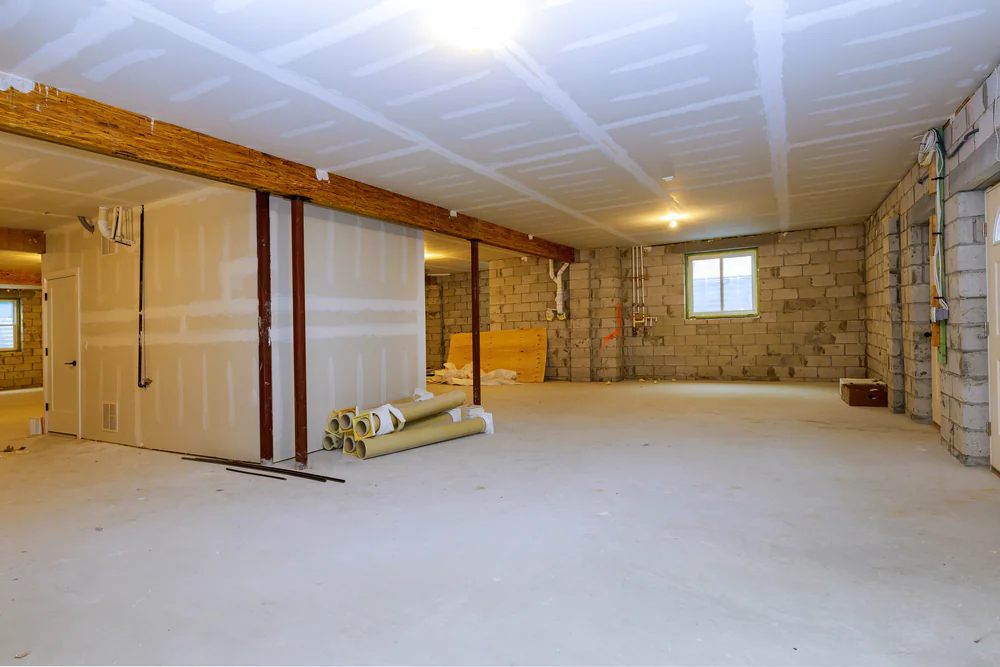
That space below your feet? It’s probably worth more than you think. Most Suffolk County basements sit there half-finished or piled with boxes, representing hundreds of square feet you’re already paying to heat and cool. The difference between a basement that adds real value to your home and one that becomes a costly problem often comes down to five key decisions—decisions that have nothing to do with paint colors or fancy fixtures. If you’re thinking about finishing your basement, or if a previous attempt didn’t quite work out, understanding these fundamentals will save you time, money, and a whole lot of frustration. Let’s start with the one thing that trips up more basement projects than anything else.
You can’t build a great basement on a wet foundation. It’s that simple. Moisture is the number one enemy of basement remodeling, and it’s not always obvious until it’s too late. Water doesn’t need a visible leak to cause problems—it can seep through concrete, condense on cold surfaces, or creep up through tiny cracks you’d never notice.
Before you frame a single wall or lay any flooring, you need to know if your basement has moisture issues. This means more than a quick visual check. Look for water stains, musty smells, or that telltale dampness on the walls. If you’ve ever had water in your basement—even once—that’s a red flag worth addressing now, not later.
The good news is that most moisture problems are fixable. Sometimes it’s as straightforward as improving your gutters and grading so water flows away from your foundation. Other times, you might need interior waterproofing or a proper drainage system. Yes, it adds to your upfront cost. But it’s a fraction of what you’d spend ripping out moldy drywall and ruined flooring two years down the road.
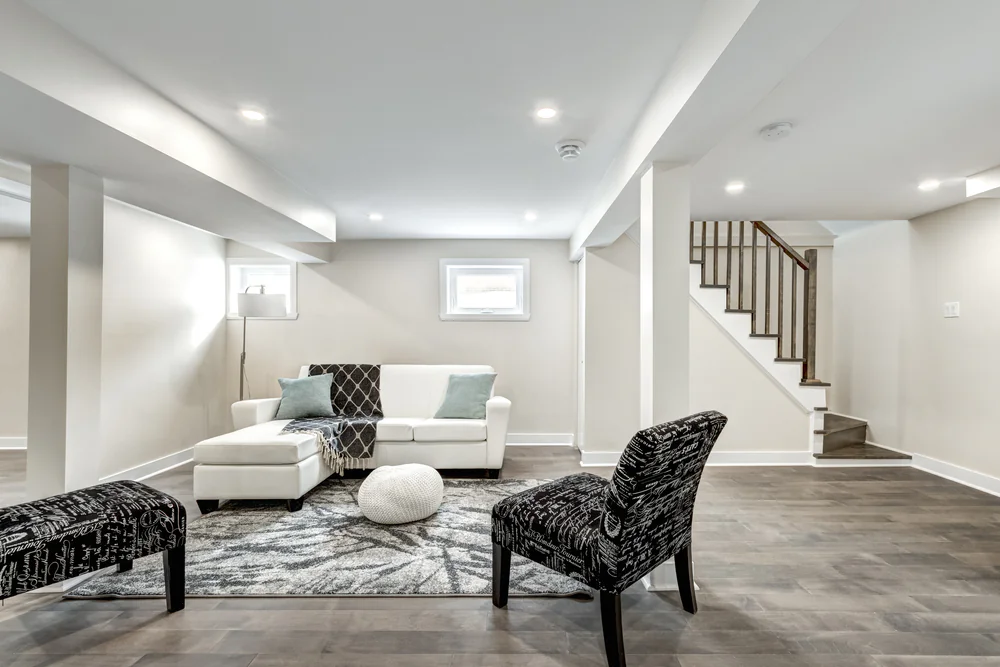
Living on Long Island means dealing with specific conditions that make basement moisture more likely. You’re surrounded by water, the water table can be high depending on where you are in Suffolk County, and you get everything from nor’easters to summer humidity. These aren’t conditions you can ignore.
Concrete might look solid, but it’s actually porous. Moisture from the ground can move right through it, especially in older homes built before vapor barriers were standard. Once that moisture hits your finished walls or flooring, you’re looking at warping, mold, and a basement that smells like a wet basement no matter how much air freshener you use.
This is why waterproofing isn’t optional—it’s foundational. You want a system that handles both bulk water (the kind that comes from heavy rain) and vapor transmission (the slow, invisible moisture that moves through concrete). That might mean exterior waterproofing if you’re catching water at the source, or interior solutions like drainage channels and sump pumps if water’s already making its way in. A dehumidifier helps too, especially during our humid summers, but it’s not a substitute for proper waterproofing.
The right approach depends on your specific situation. How old is your home? Has water ever pooled in your basement? What’s your soil like? These aren’t questions to guess at. If you’re not sure, bring in someone who can assess it properly before you start finishing. Spending a few hundred dollars on a professional evaluation beats spending thousands fixing water damage later. And if your basement does have moisture issues, addressing them first protects everything else you’re about to invest in.
Once you know your basement is dry—or you’ve made it dry—flooring becomes your next major decision. And this is where a lot of people get it wrong by treating their basement like any other room in the house. It’s not. Even with good waterproofing, basements are cooler, more prone to humidity, and sit on concrete that can shift or develop hairline cracks over time.
Traditional hardwood? Beautiful, but risky. Moisture will make it warp, buckle, or cup. Standard carpet? Cozy until it gets damp and starts growing mold underneath. You need flooring that can handle the reality of being below grade. That’s why luxury vinyl plank (LVP) has become so popular for basement remodeling. It looks like hardwood, feels warmer than tile, and it’s completely waterproof. If your water heater ever springs a leak or you get an unexpected puddle, you’re not ruined.
Ceramic or porcelain tile is another solid choice. It’s durable, moisture-proof, and available in styles that look like wood or stone. The downside? It’s cold underfoot and hard. If you’re creating a space where people will be walking around barefoot—a playroom, bedroom, or home gym—tile might not be the most comfortable option unless you add area rugs or consider radiant floor heating. But for durability and water resistance, it’s tough to beat.
Some people still go with carpet, especially if they’re finishing the basement as a cozy family room or home theater. If that’s your plan, make sure you’re using carpet with moisture-resistant backing, and keep a dehumidifier running. Even then, it’s a bit of a gamble. Carpet holds onto moisture and odors more than any other flooring type, so you’re trading comfort for risk. Just know what you’re getting into.
Laminate flooring sits somewhere in the middle. It’s affordable and looks decent, but unless you’re buying waterproof laminate specifically designed for basements, regular laminate will swell and deteriorate if it gets wet. Don’t cheap out here thinking you’ll save money. The wrong flooring choice will cost you way more in the long run than spending a bit extra upfront for materials that are actually suited to below-grade conditions. Your floor takes the most abuse of anything in your basement. Make sure it can handle it.
Want live answers?
Connect with a Jaguar Renovation expert for fast, friendly support.
Nobody gets excited about permits. They cost money, they take time, and they add another layer of bureaucracy to your project. But in Suffolk County, finishing a basement without the proper permits isn’t just risky—it’s expensive if you get caught, and it can kill your home’s resale value even if you don’t.
Here’s the reality: any major renovation to your basement requires a permit. That includes framing walls, adding electrical outlets, installing plumbing, or creating a bedroom. Suffolk County building codes exist for good reasons—they make sure your basement is safe, structurally sound, and up to standards that protect you and future owners. If you skip permits and something goes wrong, your homeowner’s insurance might not cover it. And when you go to sell, buyers will ask if the work was permitted. If it wasn’t, you’re either disclosing that and watching offers drop, or you’re risking legal trouble down the road.
Getting a permit isn’t as painful as it sounds. You’ll need plans showing what you’re doing, and you’ll have inspections at various stages—rough framing, electrical, plumbing, and final. Yes, it slows things down slightly. But it also means someone with expertise is checking that your basement won’t flood, that your electrical won’t start a fire, and that your egress window actually works if someone needs to get out in an emergency. That assurance is worth the permit fee.
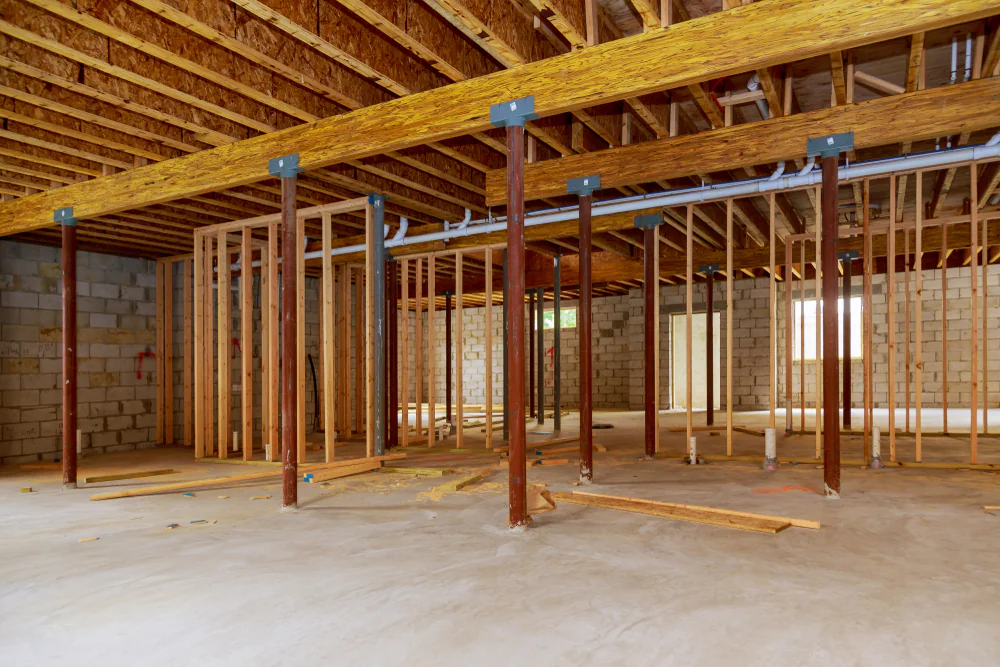
If you’re adding a bedroom in your basement, Suffolk County code typically requires an egress window—a window large enough for someone to climb out of in an emergency, and for firefighters to climb in. That’s not just a suggestion. It’s a safety requirement, and it usually means installing a window well if you’re below grade. Egress windows also bring in natural light, which makes your basement feel less like a basement, so it’s a win on multiple fronts.
Ceiling height matters too. You need at least seven and a half feet of clearance for a space to be considered habitable. If you’ve got ductwork, pipes, or beams eating into that height, you’ll need to work around them—or in some cases, reroute them. This is why planning matters. You can’t just start framing and hope it works out. Measure everything, plan for obstructions, and make sure your finished ceiling height meets code before you commit to a design.
Electrical and plumbing work must be done by licensed professionals in most cases, and it all needs to be inspected. That means GFCI outlets in areas near water, proper wiring for the load you’re adding, and plumbing that’s vented and drains correctly. If you’re adding a bathroom, you might need an up-flush system depending on how your home’s plumbing is set up. These aren’t DIY projects unless you really know what you’re doing, and even then, the inspector is going to check your work.
The permit process in Suffolk County starts with submitting your plans to the local building department. Fees typically range from a couple hundred dollars to around five hundred depending on the scope of work. Once approved, you’ll schedule inspections as you hit each milestone. It sounds like a hassle, but it’s actually pretty straightforward if you’re working with a contractor who knows the process. We handle most of the paperwork, schedule the inspections, and make sure everything is up to code before the inspector even shows up. If you’re doing this yourself, budget extra time and expect a learning curve. Either way, don’t skip it.
A finished basement only adds value if it’s actually useful. That means thinking through how you’ll use the space before you start building walls. Too many basement remodels end up feeling like an afterthought—a random room with no clear purpose, awkward traffic flow, and not enough storage. You’re investing thousands of dollars. Make it count.
Start by asking what your household actually needs. Do you work from home and need a quiet office away from the main floor? Are your kids outgrowing their playroom upstairs? Do you want a space where you can host friends without them tromping through your kitchen? Maybe you’re thinking long-term and want a guest suite or even a rental unit for extra income. Each of these uses requires different planning. An office needs good lighting, outlets, and maybe soundproofing. A guest suite needs a bathroom and an egress window. A playroom needs durable flooring and plenty of open space.
Think about traffic flow too. Where are your stairs? If someone’s coming down to use the bathroom, do they have to walk through the middle of your home theater? If you’re doing laundry, is the washer and dryer tucked in a corner where it’s convenient, or is it blocking access to storage? Small layout decisions make a huge difference in how the space actually functions. Walk through it mentally—or better yet, tape out the floor plan with painter’s tape so you can physically see how it feels before you commit.
Storage is the thing people forget until it’s too late. If you’re finishing your basement, you’re probably losing the space where you used to stash holiday decorations, tools, or off-season clothes. Plan for that. Built-in shelving, closets, or even a dedicated storage room can keep your finished space from getting cluttered with all the stuff that used to live down there. It doesn’t have to be fancy—just functional. A well-planned basement gives you the space you need without sacrificing the storage you already rely on.
Don’t forget lighting. Basements are naturally darker than the rest of your home, and bad lighting makes them feel like dungeons no matter how nice your finishes are. Recessed lighting works well because it doesn’t eat up ceiling height. Layer in task lighting where you need it—over a desk, near a bar area, or in a bathroom. And if you can add or enlarge windows, do it. Natural light transforms a basement from a space you tolerate into one you want to spend time in.
Finishing your basement isn’t about checking boxes or following trends. It’s about creating space that fits your life and adds real value to your home. That happens when you handle moisture the right way, choose materials that can take the conditions of being below grade, follow the codes that keep your family safe, and plan a layout that makes sense for how you’ll use it.
The basements that turn out well aren’t the ones with the fanciest finishes—they’re the ones where someone thought through the details before swinging a hammer. If you’re ready to stop using your basement as a storage unit and start using it as living space, focus on getting these fundamentals right. Everything else is just decoration.
When you’re ready to move forward with a basement remodeling project in Suffolk County, we bring nearly a decade of experience handling everything from moisture solutions and framing to custom carpentry and finish work. Transparent pricing, no-pressure consultations, and craftsmanship that’s built to last.
Summary:
Share: