Long Island kitchens are getting a major upgrade in 2026. From statement islands to warm minimalist designs, here's what homeowners in Suffolk County are choosing right now.
Walk into any newly remodeled kitchen in Suffolk County and you’ll notice something: the space feels intentional. There’s a shift happening away from cookie-cutter layouts toward designs that actually reflect how you live. Homeowners are asking for more counter space where it counts, storage that makes sense, and finishes that won’t look dated in three years.
The trends gaining traction aren’t about chasing what’s flashy. They’re about creating kitchens that handle real life—morning coffee chaos, weeknight dinners, hosting friends on weekends. Open layouts, warm tones, and durable materials are leading the way because they deliver on both style and substance.
If you’re considering a kitchen remodel in Long Island, knowing what’s working for others in your area gives you a head start. You’ll make better choices about where to invest your budget and which updates will actually improve your daily routine.
The kitchen island isn’t just a trend—it’s become the most hardworking piece of real estate in your home. Long Island families are designing islands that go way beyond extra counter space. Think built-in storage, seating for four, charging stations tucked into the side, even wine fridges or prep sinks integrated right in.
Islands create natural gathering spots. They’re where kids do homework while you’re prepping dinner, where guests lean in with a drink while you’re cooking, where you actually have room to spread out when you’re tackling a big meal. The key is designing for how you’ll use it, not just how it looks in a magazine.
Size matters here, but so does placement. You want at least four feet of clearance around the island so you’re not doing an awkward shuffle every time someone opens the dishwasher. If your kitchen is on the smaller side, a movable island or a peninsula layout might give you that functionality without cramping the flow.
Materials are getting more creative too. Homeowners are mixing finishes—maybe your perimeter cabinets are one color and the island is a contrasting tone, or you’re using a different countertop material on the island to make it pop. Two-tone cabinetry, especially with deeper colors like navy or forest green on the island against lighter uppers, adds visual interest without overwhelming the space.
And don’t overlook the practical stuff. If you’re adding seating, make sure there’s enough overhang for knees—10 to 12 inches minimum. If you’re putting in a cooktop or sink, factor in the plumbing and electrical work early. These decisions affect your timeline and budget, so getting them right from the start saves headaches later.
Bottom line: your island should earn its footprint. If it’s just taking up space, rethink the layout. But when it’s designed with intention, it becomes the reason your kitchen actually works for your family.
Open shelving has staying power because it solves real problems. It makes small kitchens feel bigger, gives you quick access to everyday dishes, and lets you show off the pieces you actually like looking at. But here’s the thing—it only works if you’re honest about your habits.
If you’re the type who keeps things organized and doesn’t mind a little dusting, open shelves can replace some upper cabinets and create a lighter, more breathable feel. They’re perfect for displaying nice glassware, your favorite mugs, or even cookbooks and small plants. The trick is keeping it curated. Too much stuff and it starts looking cluttered instead of intentional.
For Long Island homes with traditional or farmhouse vibes, natural wood shelving adds warmth. In more modern kitchens, floating shelves in matte black or brushed metal keep things sleek. Either way, placement matters. Flanking your range or sink area with open shelves creates symmetry and keeps frequently used items within arm’s reach.
Now, if open shelving isn’t your thing, that’s fine. The bigger conversation is about smart storage in general. Pull-out pantry cabinets, deep drawers instead of lower cabinets, corner units that actually let you reach what’s in the back—these upgrades make a massive difference in how your kitchen functions day to day.
Homeowners are also getting creative with vertical storage. Floor-to-ceiling cabinets maximize every inch, especially in kitchens with high ceilings. Adding a small ledge or integrated shelf at the top of your backsplash gives you a spot for décor or less-used items without taking up counter space.
Hidden storage is another win. Appliance garages keep your toaster and coffee maker out of sight but easy to grab. Toe-kick drawers use that dead space at the bottom of your cabinets for flat items like baking sheets or cutting boards. Even something as simple as dividers in your drawers can turn chaos into order.
The goal here isn’t to follow a trend for the sake of it. It’s about designing storage that matches how you actually cook and live. If you bake a lot, you need space for mixing bowls and sheet pans. If you’re into coffee, a dedicated station with everything in one spot makes mornings smoother. Think through your routines and build the storage around that.
Want live answers?
Connect with a Jaguar Renovation expert for fast, friendly support.
Materials make or break a kitchen remodel. You can have the perfect layout, but if your countertops stain easily or your cabinets start warping in a year, you’re back to square one. Long Island homeowners are getting smarter about choosing finishes that look good and hold up to real use.
Quartz countertops are leading the pack for good reason—they’re durable, low maintenance, and come in enough styles to fit any design. Granite still has its fans, especially for that natural stone look with unique veining. The key is understanding what you’re signing up for with each material and making sure it fits your lifestyle, not just your Pinterest board.
Cabinetry is where a big chunk of your budget goes, so it’s worth getting right. Custom cabinets give you exactly what you want, but semi-custom options offer solid quality at a better price point. Kitchen flooring ideas range from classic hardwood that adds warmth to durable porcelain tile that handles high traffic. Either way, focus on construction quality and materials that can take what your family dishes out daily.
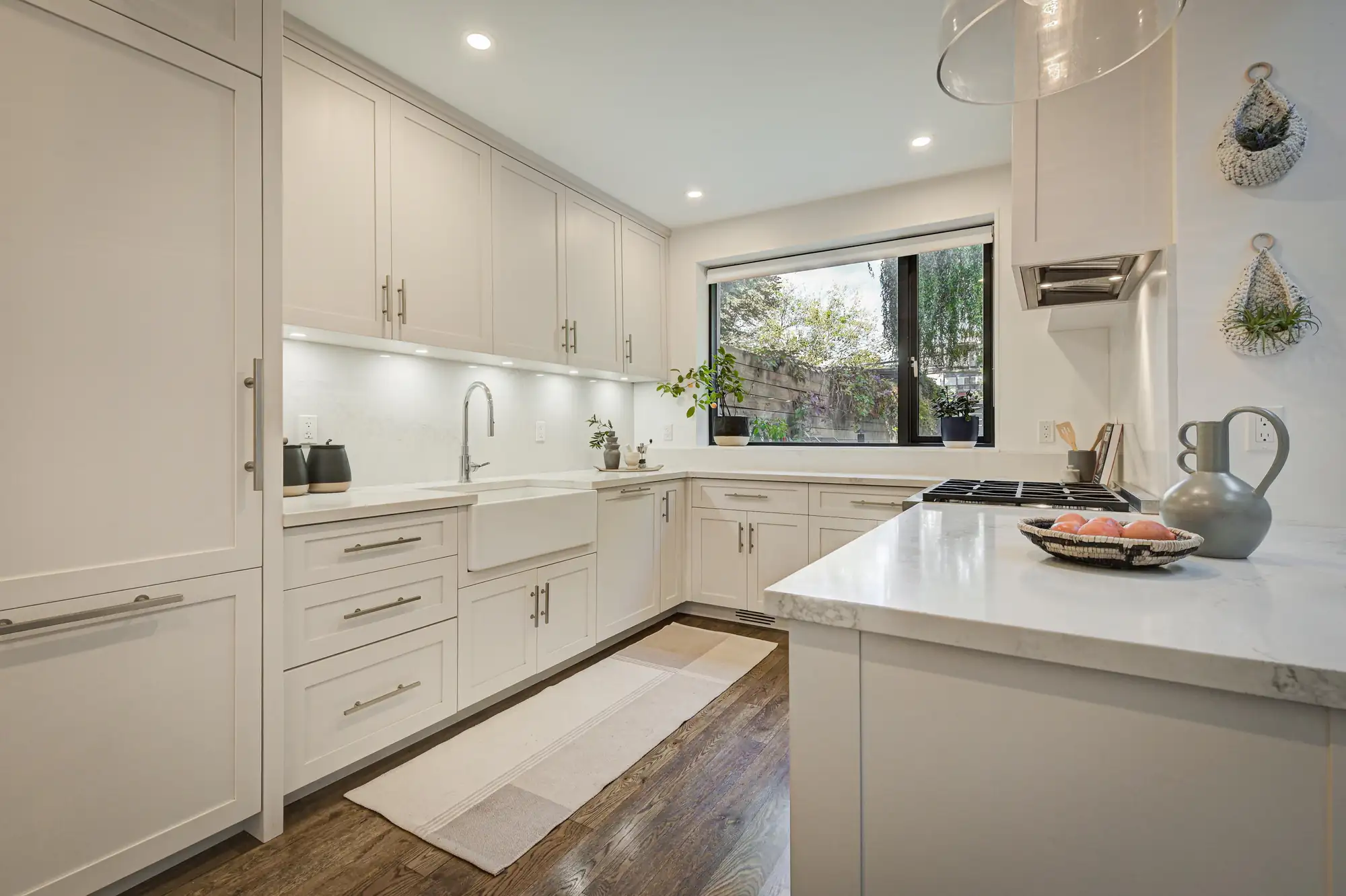
Your backsplash is one of those spots where you can have a little fun without committing to something you’ll regret in two years. It protects your walls from grease and splashes, sure, but it’s also a chance to add texture, color, or pattern in a way that feels intentional.
Slab backsplashes are having a moment—taking your countertop material and running it up the wall creates a seamless, high-end look with minimal grout lines to clean. If you’ve got a beautiful quartz or marble with dramatic veining, letting it shine as a full-height backsplash makes a statement without adding more elements to the space.
For homeowners who want something with more character, handmade tiles are gaining traction. Zellige tiles, with their subtle variations and organic feel, bring warmth and authenticity. They work especially well in kitchens with a more relaxed, lived-in vibe. Just know they require a bit more maintenance than something like porcelain, so factor that into your decision.
Subway tiles aren’t going anywhere, and there’s a reason for that—they’re classic, affordable, and versatile. What’s changing is how people are using them. Larger formats, vertical or herringbone patterns, and softer glazes in colors like sage or dusty rose give subway tiles a fresh update without straying too far from timeless.
Mixed materials are another direction that’s picking up steam. Pairing a stone slab behind the range with ceramic tile on the rest of the wall adds visual interest and lets you allocate your budget strategically. You get the wow factor where it counts and keep costs reasonable everywhere else.
If you’re leaning toward bold patterns or colors, consider scale. A busy geometric tile might look amazing in a small dose—say, just behind the cooktop—but overwhelming if it runs the full length of your kitchen. Balance is everything. Let one element be the star and keep the rest of the space supporting, not competing.
And here’s something often overlooked: lighting. Your backsplash looks completely different depending on how it’s lit. Under-cabinet lighting highlights texture and makes the whole space feel more polished. If you’re investing in a beautiful tile or stone, make sure you’re lighting it in a way that shows it off.
The best backsplash choice is one that fits your kitchen’s overall vibe, works with your maintenance preferences, and doesn’t blow your budget on something you’ll want to change in five years. Take your time with samples, see them in your actual kitchen lighting, and trust your gut.
Cabinets typically eat up 30 to 40 percent of your kitchen remodeling budget, so this decision matters. Custom cabinetry means everything is built to your exact specifications—dimensions, finishes, hardware, interior organization, all of it. You get precisely what you want, but you’re paying for that level of personalization both in cost and in lead time.
Semi-custom cabinets offer a middle ground that works for a lot of Suffolk County homeowners. You’re choosing from a manufacturer’s line, but you still get options for door styles, finishes, and modifications like adding rollouts or adjusting heights. Quality can be just as good as custom, and you’re usually looking at shorter wait times and better pricing.
Stock cabinets are the budget-friendly option. They come in standard sizes and finishes, and you work your layout around what’s available. If your kitchen has straightforward dimensions and you’re not picky about every detail, stock cabinets can get you a solid result without the custom price tag.
No matter which route you go, construction quality is non-negotiable. Look for solid wood frames, dovetail drawer construction, and quality hardware. Soft-close hinges and full-extension drawers might seem like small details, but they’re what you interact with every single day. Cheap cabinets with flimsy construction will frustrate you long before they fall apart.
Finish durability matters too, especially if you’ve got kids or a busy household. Matte and satin finishes hide fingerprints better than high gloss. Painted cabinets give you more color options but can show wear over time, while stained wood develops a patina that a lot of people actually like as it ages.
Think about storage functionality when you’re choosing cabinets. Deep drawers are more useful than lower cabinets with doors for pots and pans. Pull-out trash and recycling bins keep things tidy. Lazy Susans or pull-out shelves in corner cabinets mean you can actually use that space instead of losing things in the back.
Hardware is the jewelry of your kitchen. Handles and knobs seem minor until you realize you’re touching them dozens of times a day. Choose something that feels good in your hand and matches your overall aesthetic. Mixing finishes—like matte black on lower cabinets and brass on uppers—can add subtle visual interest if done thoughtfully.
And here’s a practical tip: order a few extra cabinet doors and drawer fronts when you place your order. Styles get discontinued, and if something gets damaged down the road, you’ll be glad you have a match on hand instead of trying to hunt one down or settle for close enough.
The right cabinetry decision comes down to understanding what you’re willing to spend, how much customization you actually need, and being realistic about your timeline. Don’t assume custom is always better or that stock is always a compromise. Look at the specifics of what you’re getting and make the choice that fits your priorities.
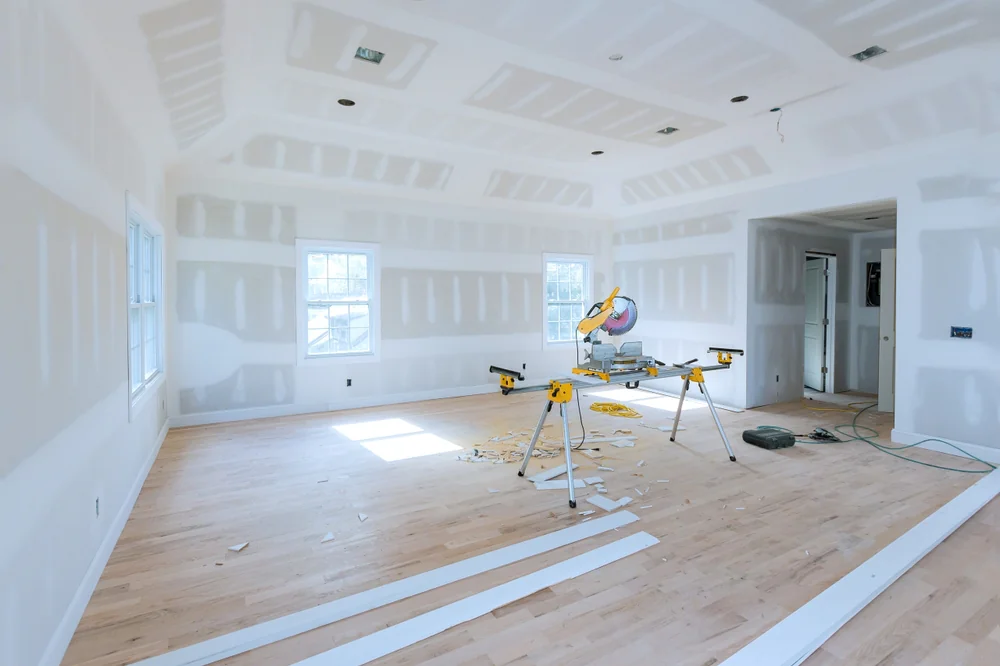
A kitchen remodel is a big move, but it doesn’t have to feel overwhelming when you know what to expect. The process typically unfolds in stages: design and planning, material selection, permits, demolition, rough construction, installation, and finishing touches. Most projects take somewhere between six and twelve weeks once construction starts, though that varies based on the scope of your work and any surprises that come up along the way.
Budget matters, obviously. Being realistic about what you can spend—and building in a cushion for the unexpected—keeps the project on track. Prioritize the updates that will make the biggest difference in how your kitchen functions and how you feel using it every day. That’s where your money should go first.
Communication with your contractor makes everything smoother. You want someone who’s upfront about costs, keeps you in the loop, and doesn’t disappear when you have questions. That transparency is what separates a stressful renovation from one that actually feels manageable. If you’re ready to explore what’s possible for your Suffolk County kitchen, we bring nearly a decade of hands-on experience helping homeowners create spaces they’re proud of—with honest pricing, quality craftsmanship, and the kind of responsiveness that makes the whole process easier.
Summary:

Article details:
Share: