Not all flooring contractors are the same. Here's what separates a quality hire from an expensive mistake — especially in Suffolk County, NY.

Most homeowners don’t start thinking carefully about who they’re hiring until something goes wrong. A floor that buckles six months after installation. A final bill that’s 30% higher than the quote. A crew that shows up once, disappears for two weeks, and leaves the job half-finished. These aren’t rare horror stories — they’re common enough that 53% of homeowners who hired a contractor went over budget, and 46% experienced significant delays.
If you’re in Suffolk County and you’re about to hire a flooring contractor, this guide is worth reading first. Not because the process is complicated, but because knowing what to look for makes the difference between a project you’re proud of and one you’re stuck living with.
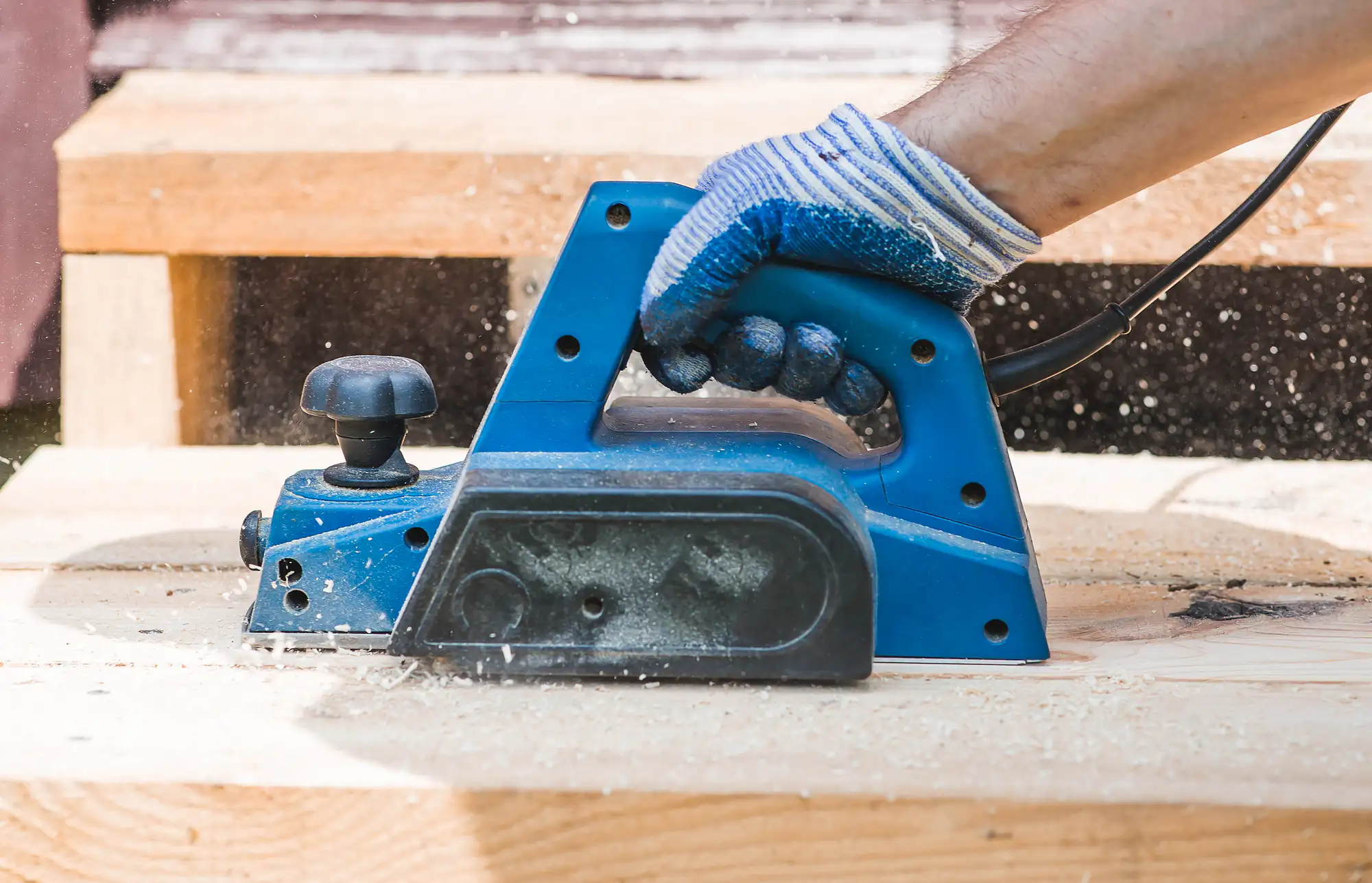
A flooring contractor handles the full scope of getting new floors into your home — from pulling up what’s already there to prepping the subfloor, selecting the right material for the space, and completing the installation cleanly and correctly. That last part about subfloor prep matters more than most people realize. A floor is only as good as what’s underneath it, and skipping that step is one of the most common ways a cheap install turns into an expensive problem.
Beyond the physical work, a qualified flooring contractor should be helping you make the right material choice for your specific situation — not just selling you whatever they have in stock. That means understanding your home’s layout, how the space gets used, and in Suffolk County specifically, how local humidity and moisture conditions affect different flooring types over time.

The scope of a flooring project varies depending on the material, the condition of your existing floors, and what’s underneath them. At minimum, a complete installation should include removing the old flooring, inspecting and preparing the subfloor, installing the new material using manufacturer-specified methods, and cleaning up fully when the work is done. Transitions, baseboards, and trim work are often part of the job too — though these are the details that sometimes get quietly excluded from low-ball estimates and only surface when the bill arrives.
Subfloor preparation is where a lot of contractors cut corners. If the subfloor isn’t level, clean, and dry before installation begins, the new floor will show it — gaps, soft spots, uneven surfaces, and premature wear.
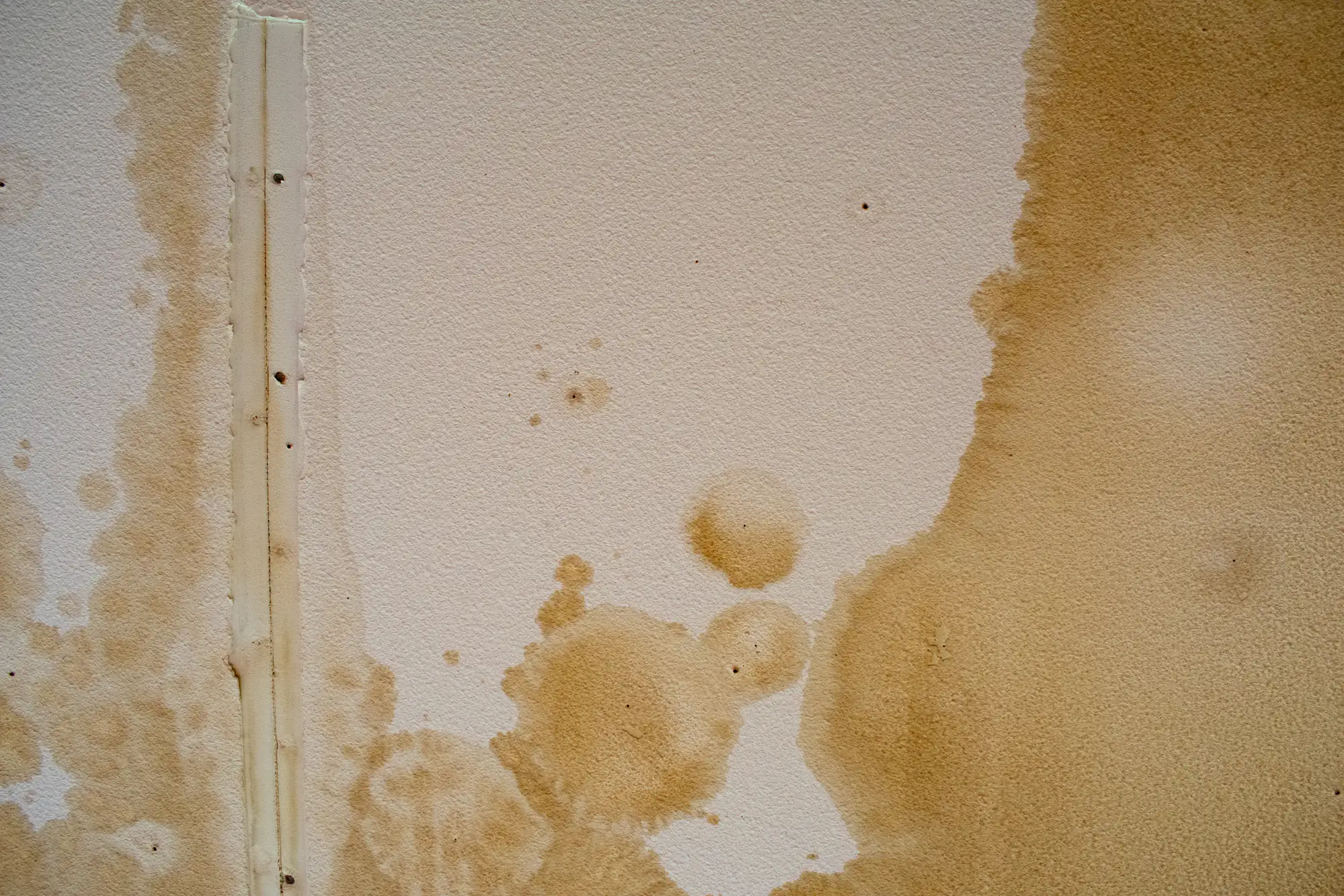
For basements and ground-floor spaces in Suffolk County, NY, moisture barriers are a non-negotiable step. The proximity to coastal water and the humidity that comes with Long Island summers means moisture intrusion is a real risk, not a theoretical one. A contractor who doesn’t bring it up probably isn’t accounting for it in their work.
Materials also need time to acclimate to the room’s temperature and humidity before installation. This is standard practice for hardwood and engineered wood, and skipping it — which speeds up the job but compromises the result — is a reliable sign that a contractor is prioritizing their schedule over your floor. Quality luxury vinyl plank typically lasts 20 or more years with proper installation. That lifespan assumes the job was done right from the start.
When we work on a flooring project, we walk through all of this with you before any work begins — what the subfloor looks like, what material makes sense for the space, and what the installation process will actually involve. No surprises mid-project, and no steps quietly left out of the scope.
This is a question worth asking, especially if your flooring project connects to other work in the same space. A standalone flooring installer handles floors. A general contractor with in-house flooring crews handles floors and everything adjacent to them — painting, trim, baseboards, transitions into other rooms, and any structural issues that come up along the way. When those trades are all managed under one contract, with one team doing the work, the coordination is tighter and the accountability is clearer.
The subcontractor model is common in this industry and it’s worth understanding how it works. A contractor wins your job, then calls in a separate flooring crew to do the actual installation. That crew may be skilled or they may not be — you have no way to know, and the contractor you hired has limited control over the quality of their work. If something goes wrong, the finger-pointing starts immediately. The contractor blames the sub, the sub is unreachable, and you’re stuck in the middle with a floor that needs to be fixed.
We don’t use subcontractors. The crew that shows up to your home is our crew — trained by us, accountable to us, and familiar with the standards we hold on every project. That’s not a marketing line; it’s a structural difference in how the work gets done and what your recourse looks like if anything needs to be addressed after the job is complete.
For Suffolk County homeowners doing a broader renovation — a kitchen refresh, a basement finishing project, or a bathroom update that involves new tile — having one contractor handle the full scope means fewer scheduling headaches, fewer handoffs, and one person to call if something isn’t right.
Want live answers?
Connect with a Jaguar Renovation expert for fast, friendly support.
Ninety percent of homeowners in one survey said they wanted a checklist to help them find and vet contractors. The vetting process is confusing, and most homeowners don’t know what they’re actually evaluating beyond price. Price matters, but it’s a poor standalone metric. Two quotes for the same job can look similar on the surface and be completely different in what they include, what materials they specify, and what happens when something goes wrong.
The right questions to ask before hiring a flooring contractor are about accountability, not just cost. Who is doing the work? What does the warranty cover? What happens if the final number changes? These are the things that separate a smooth project from a frustrating one.

In New York, contractor licensing requirements vary by county. A license issued in Nassau County doesn’t cover work in Suffolk County, NY. A New York City license doesn’t apply here either. Suffolk County requires its own Home Improvement Contractor license — and any contractor working in your home should be able to give you their license number so you can verify it yourself.
This matters for a few reasons. A licensed contractor has met the county’s requirements for operating legally in your home. If something goes wrong — structural damage, a failed inspection, a dispute over the work — your legal recourse depends heavily on whether the contractor was properly licensed. Hiring someone without a valid Suffolk County license doesn’t just put your project at risk; it can affect your homeowner’s insurance and your ability to sell the home down the road.
Bonding is a separate layer of protection. A surety bond protects you if the contractor fails to meet their financial obligations — including paying any subcontractors or suppliers involved in your project. Without it, unpaid vendors can sometimes place liens on your property even if you’ve already paid the contractor in full. It’s not a common scenario, but it happens, and it’s entirely preventable by hiring someone who’s properly bonded.
Insurance is the third piece. General liability coverage protects your home if something gets damaged during the installation. Ask for a certificate of insurance and confirm the policy is current — not just that they say they have it.
We hold Suffolk County Home Improvement Contractor License #HI-71285, carry full general liability insurance, and are BBB accredited. These aren’t things we mention to fill a checklist — they’re the baseline of what it means to operate responsibly in Suffolk County, NY.
The most common contractor red flag is also the most overlooked: a quote that comes in significantly lower than everyone else’s. A low bid usually means something is missing — subfloor prep, a moisture barrier, quality materials, or adequate labor time. You won’t know what was excluded until the project is underway and the change orders start appearing. That’s exactly how 53% of homeowners end up over budget.
Large upfront payment demands are another warning sign. The FTC has flagged requiring 50% or more before any work begins as a common indicator of contractor fraud or serious cash flow problems. Standard practice is a deposit in the range of 10 to 30% to secure materials, with the balance paid at completion or by project milestone. If someone is asking for half the job cost before a single board goes down, that’s worth pausing on.
Pay attention to how a contractor communicates during the estimate process. Do they give you a detailed, itemized breakdown of what you’re paying for? Do they explain their material choices and why they’re recommending them for your specific space? Do they answer your questions directly, or do they redirect to the price? A contractor who can’t explain their own estimate clearly is unlikely to communicate better once the project is in motion.
In Suffolk County, NY, there’s an additional layer worth asking about: experience with local conditions. Homes in Bay Shore, Islip, Lindenhurst, and other coastal communities face humidity and occasional flooding that directly affects flooring material selection and installation requirements. A contractor who hasn’t worked extensively in this area may not account for those factors in their recommendations.
We’ve been installing floors throughout Suffolk County for nearly a decade — from Huntington to Patchogue, Smithtown to Bay Shore — and the material choices we recommend are shaped by what we’ve seen hold up here over time, not just what looks good in a showroom.
One more thing worth asking any contractor you’re considering: who physically does the work? The answer tells you a lot about accountability. If the person giving you the estimate isn’t the person managing the crew, and the crew is a rotating cast of subcontractors assembled job by job, you have very little visibility into who is actually working in your home and what standards they’re being held to.
The short version: verify the license, confirm the insurance, ask who does the work, and make sure the price you’re quoted is the price you’ll actually pay. Those four things will eliminate most of the risk before a single tool comes through your door.
The longer version is that the right flooring contractor isn’t just technically qualified — they communicate clearly, they know your local market, and they stand behind the work after the job is done. A one-year workmanship warranty, a fixed price in writing, and a crew that’s accountable to the contractor you hired are not extras. They’re what a professional engagement looks like.
If you’re comparing flooring contractors in Suffolk County, NY and want a straightforward conversation about your project — no pressure, no vague estimates, just honest answers — Jaguar Renovation is ready to help. Detailed estimates are delivered within 48 hours, and most projects begin within one to two weeks of approval.
Summary:

Article details:
Share: