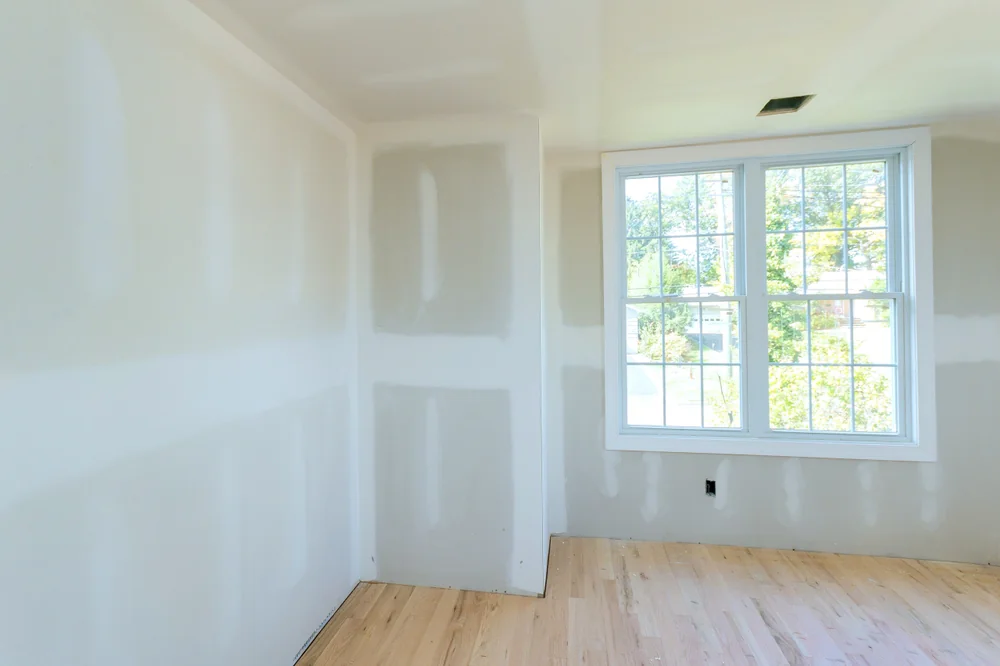
Most contractor horror stories start the same way. Here's what to ask before hiring a painter or contractor in Suffolk County — so yours doesn't.
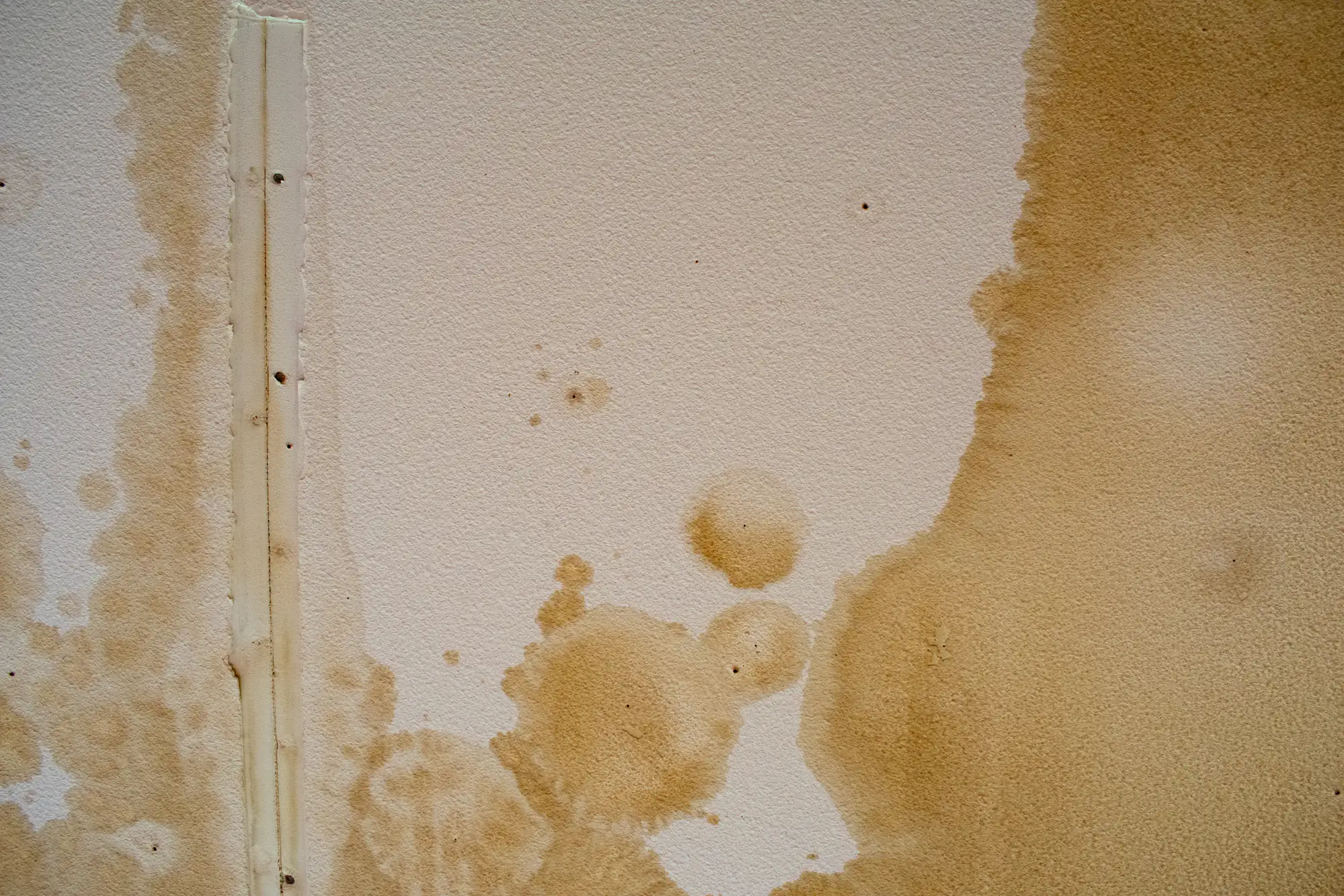
Most contractor horror stories don’t start with bad work. They start with the wrong hire. A vague estimate, a crew you’ve never met, a job that drags on three weeks past schedule — and by the time you realize something’s off, you’re already in it. If you’re a Suffolk County homeowner thinking about hiring a painter or renovation contractor, the good news is that a few direct questions asked upfront will tell you almost everything you need to know. This page gives you those questions — and explains what the right answers actually look like.
Price is usually the first thing homeowners ask about, and it’s understandable — but it’s rarely the most useful question at the start. Two estimates can look identical on paper and represent completely different scopes of work. The cheaper one might skip surface prep, use builder-grade materials, or hand the job off to a subcontractor you’ve never met. The more expensive one might include all of that — or it might not. You can’t tell from a number alone.
What actually separates a reliable contractor from a problematic one is how they answer specific questions. Not whether they have a nice truck or a polished website. The answers — and how confidently and specifically they’re delivered — are where the real information lives.

The first thing worth asking any contractor is straightforward: are you licensed in Suffolk County, and what’s your license number? This isn’t a gotcha question — it’s a basic filter. Suffolk County is one of the few jurisdictions in New York that requires home improvement contractors to hold a county-specific license, issued through the Suffolk County Department of Labor, Licensing & Consumer Affairs. To get it, contractors have to pass an exam, carry at least $500,000 in liability insurance, and maintain workers’ compensation coverage. It’s not a formality. It’s a real barrier that unlicensed operators can’t clear.
If a contractor hesitates, gives you a number that doesn’t check out, or tells you licensing “isn’t required for painting,” that’s your answer. You can verify any Suffolk County license directly through the county’s licensing portal — it takes about sixty seconds. A contractor who’s actually licensed will hand you the number without blinking. Our license is HI-71285, and we’d tell you that before you even asked.
Beyond licensing, ask to see a certificate of insurance — not just a verbal assurance that they’re covered. A certificate names you and your property specifically. If a worker is injured on your property, or something gets damaged, that document is what protects you. A verbal “we’re insured” doesn’t hold up if something goes wrong.
Contractor reviews are worth checking, but they’re only one layer of the picture. A painter can have a solid Google rating and still be operating without a Suffolk County license. Reviews tell you about past customers’ experiences; they don’t tell you whether the business is legally compliant or whether the person who showed up was the same one who earned those reviews. Check the license. Check the certificate. Then look at the reviews.
One more question that reveals a lot: ask about a time something went wrong on a job and how they handled it. Every contractor who’s been working long enough has a story. What you’re listening for isn’t perfection — it’s accountability. A contractor who can answer that question honestly, without deflecting or blaming the homeowner, is telling you something important about how they’ll handle your project if anything comes up.
This is one of the most important questions most homeowners never think to ask: will the crew doing the work be your employees, or are you using subcontractors?
It’s more common than most people realize. A contractor wins the job based on their portfolio, their reviews, and the impression they make at the estimate — and then a completely different crew shows up on day one. That crew might be skilled. They might not be. Either way, the contractor you hired isn’t directly accountable for their work in the same way they would be if those were their own employees.
In a high-demand market like Suffolk County, larger contractors routinely use subcontractors to handle overflow. It’s not inherently fraudulent, but it does change the accountability structure. If something goes wrong, you may find yourself in the middle of a conversation between the contractor and a subcontractor about whose responsibility it is. That’s not where you want to be when you’re staring at a wall that needs to be repainted.
Ask the question directly. If the answer is that they use their own in-house crews — meaning the same team that walks through your home for the estimate is the team that does the work — that’s a meaningful assurance. It means the people who made you a promise are the people responsible for keeping it.
We use in-house crews only. No subcontractors. The team that shows up on day one is the same team that’s been doing this work in Suffolk County homes for years. That’s not a policy we advertise to sound good — it’s how we’ve avoided the accountability gaps that generate the complaints you read about online.
Want live answers?
Connect with a Jaguar Renovation expert for fast, friendly support.
Once you’ve established that a contractor is licensed, insured, and using their own crew, the next set of questions shifts from vetting the business to understanding the actual scope of work. This is where a lot of homeowners get tripped up — not because they ask the wrong questions, but because they don’t ask enough of them before the project starts.
A written, itemized estimate is non-negotiable. If a contractor gives you a number verbally and says they’ll “put something together later,” that’s a problem. The estimate is the contract. It should tell you exactly what prep work will be done, what materials will be used, what the timeline looks like, and what’s not included. Vague estimates are where surprise charges come from.
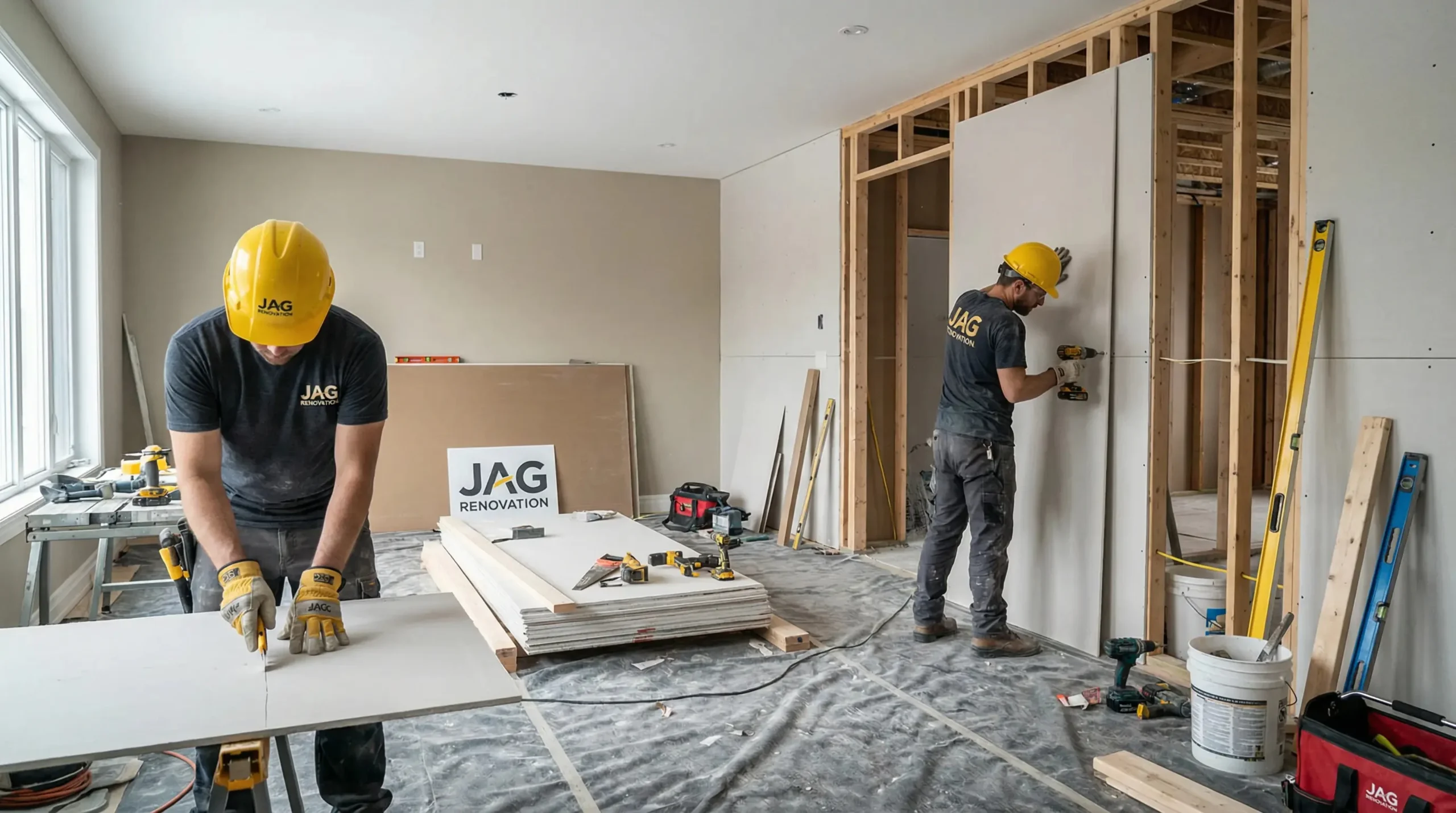
Ask any professional painter what separates a paint job that lasts from one that starts peeling in two years, and they’ll give you the same answer: preparation. Surface prep accounts for roughly 90% of a paint job’s quality outcome. The actual painting is almost secondary. What happens before the brush touches the wall — the scraping, sanding, spackling, priming — determines how long the finish holds up and how good it looks under different lighting conditions.
This matters more in Suffolk County than in most other markets. A significant portion of the county sits within a few miles of Long Island Sound, the Atlantic, or Great South Bay. Salt air penetrates inferior coatings. High humidity causes poor prep work to fail faster. Temperature swings between seasons stress paint films on exterior surfaces, and freeze-thaw cycles crack finishes that weren’t applied correctly. A contractor who understands Long Island’s coastal environment will talk about marine-grade primers and weather-resistant topcoats without being prompted — because they know that what works in an inland market isn’t always what holds up here.
Ask specifically: what prep work are you going to do, and why? A good contractor will explain it. They’ll tell you what condition your surfaces are in, what level of spackle work is needed, and what primer they’re planning to use and why it’s the right choice for your home. If the answer is vague — “we’ll prep it, don’t worry” — that’s worth pressing on. You’re not being difficult. You’re asking the question that determines whether the job lasts five years or fifteen.
Much of Suffolk County’s housing stock was built in the postwar suburban expansion of the 1950s through 1970s. These homes have layered paint histories, plaster walls, and older substrates that require real experience to prep correctly. A contractor who’s been working in Huntington, NY, Smithtown, NY, Bay Shore, NY, and Patchogue, NY for years knows what they’re walking into when they open a door in a 1960s Cape Cod. That local experience isn’t something you can replicate from a national franchise playbook.
Painting a room typically doesn’t require a permit. But if your project involves drywall work, carpentry, or any structural changes alongside the painting — which is common in full renovation projects — permits are required in Suffolk County. A contractor who bundles multiple trades under one job and tells you permits aren’t necessary is either misinformed or cutting corners. Either way, it becomes your problem at resale.
Unpermitted work in Suffolk County can void homeowner’s insurance coverage for related claims, create complications during a home sale, and in some cases result in fines or mandatory removal of completed work. The county’s permitting requirements aren’t bureaucratic red tape — they’re a layer of protection for you as the homeowner. A contractor who handles permits as part of their standard process is telling you something important about how they operate. It means they’re not trying to move fast at your expense.
Ask about the timeline — not just the start date, but the realistic finish estimate and what happens if the schedule slips. Ask what the communication looks like during the project: who’s your point of contact, how often will you hear from them, and what’s the process if you have a concern midway through? These aren’t unreasonable questions. They’re the ones that prevent the most common mid-project frustrations.
Ask whether there’s a written workmanship warranty. A verbal promise that they’ll “come back if anything goes wrong” has no legal weight. A written warranty does. We cover all work for one year from project completion — in writing, not just in conversation. And ask how long before the project can start. In a busy market, some contractors quote you and then disappear into a six-week backlog. Most of our projects begin within one to two weeks of approval, and estimates go out within 48 hours of the initial consultation. Those aren’t marketing lines — they’re the specifics that matter when you’re trying to plan around a real life.
One more thing worth knowing: Suffolk County maintains a Licensed Home Improvement Contractor Restitution Fund. If a licensed contractor fails to complete work or causes damages, this fund provides homeowners with a layer of financial recourse that simply doesn’t exist when you hire an unlicensed operator. It’s one more reason why the licensing question isn’t just a formality — it’s the question that determines whether you have any protection at all if things go sideways.
The homeowners who end up with contractor horror stories aren’t careless people. They’re people who didn’t know which questions to ask before the work started. License number. Certificate of insurance. In-house crew or subcontractors. Written estimate. Surface prep plan. Permit management. Written warranty. These aren’t complicated asks — they’re the ones that filter out the contractors who would have caused problems and surface the ones who won’t.
Suffolk County is a specific market with specific conditions, specific licensing requirements, and real financial stakes. The homes here deserve contractors who actually understand that — not someone who’s going to roll on two coats and move on.
If you’re ready to have a straightforward conversation about your project, Jaguar Renovation is available Monday through Friday, 8am to 5pm, serving homeowners across Suffolk County from Huntington to Patchogue and Smithtown to Bay Shore. Excellence built in, extra cost left out — that’s the standard we hold every project to.
Summary:

Article details:
Share: