
Hear from Our Customers
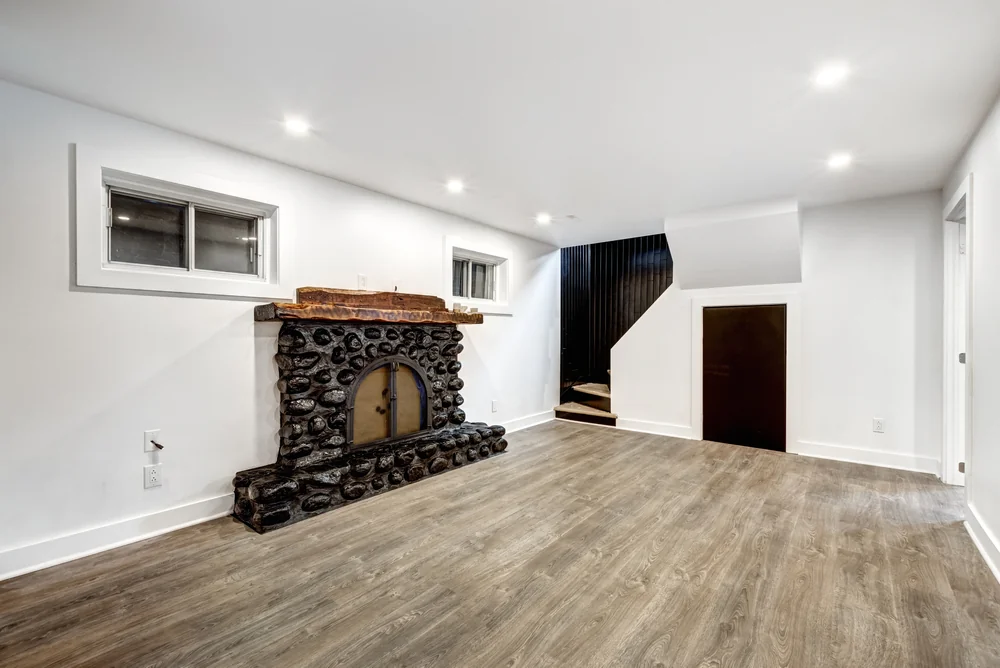
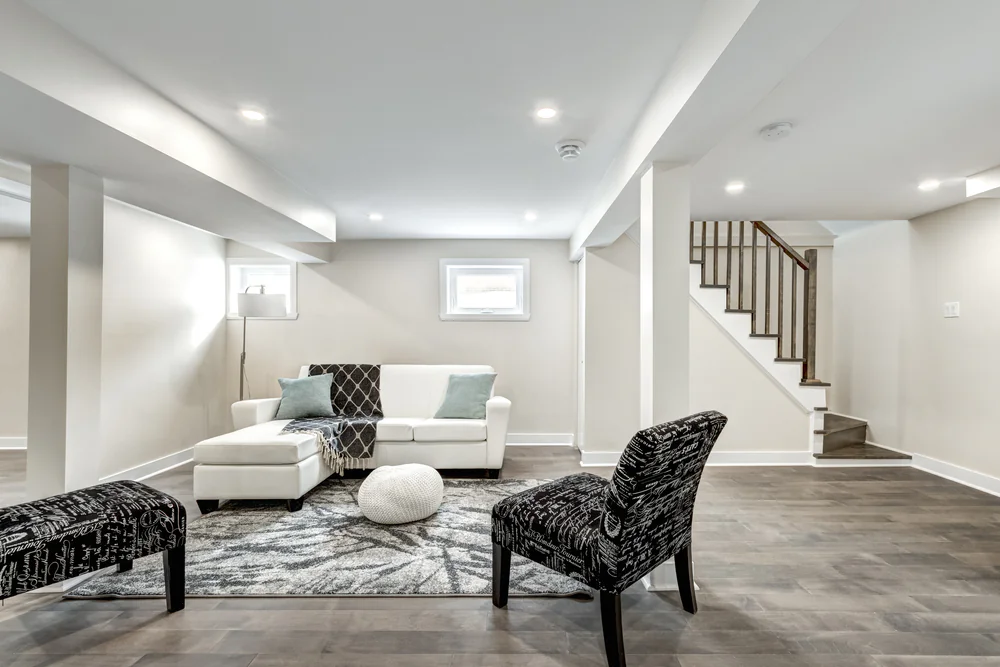
Your basement is sitting there—unfinished, underused, maybe a little damp. You know it could be something better. A place where your kids actually want to hang out. A home office that doesn’t share space with the laundry. An entertainment area that makes hosting feel effortless instead of cramped.
Here’s what changes when you work with basement remodel contractors who know what they’re doing. You stop worrying about moisture creeping back in six months later. You stop coordinating three different subcontractors who all blame each other when timelines slip. You get one team, one timeline, one price—and a finished space that feels like it was always meant to be there.
Basement finishing near me isn’t just about drywall and paint. It’s about creating square footage that actually works for how you live. And in Huntington, NY, where home values keep climbing and inventory stays tight, that extra space isn’t just nice to have—it’s equity you can use or sell.
We’ve been finishing basements across Suffolk County since 2015. Not as a side gig, not through a network of subcontractors—just our licensed in-house crews doing the work from start to finish.
That matters more than you’d think. When the same team handles your waterproofing, framing, electrical, and finish work, there’s no finger-pointing when something needs adjustment. No waiting on someone else’s schedule. No surprise markups because a sub decided to charge more halfway through.
Huntington homeowners deal with specific challenges—proximity to water means moisture control isn’t optional, and Suffolk County’s building codes don’t leave room for shortcuts. We’ve handled enough basements in this area to know what works, what doesn’t, and how to get permits approved without the runaround. You’re not our first rodeo, and that shows in how smoothly things move once we start.
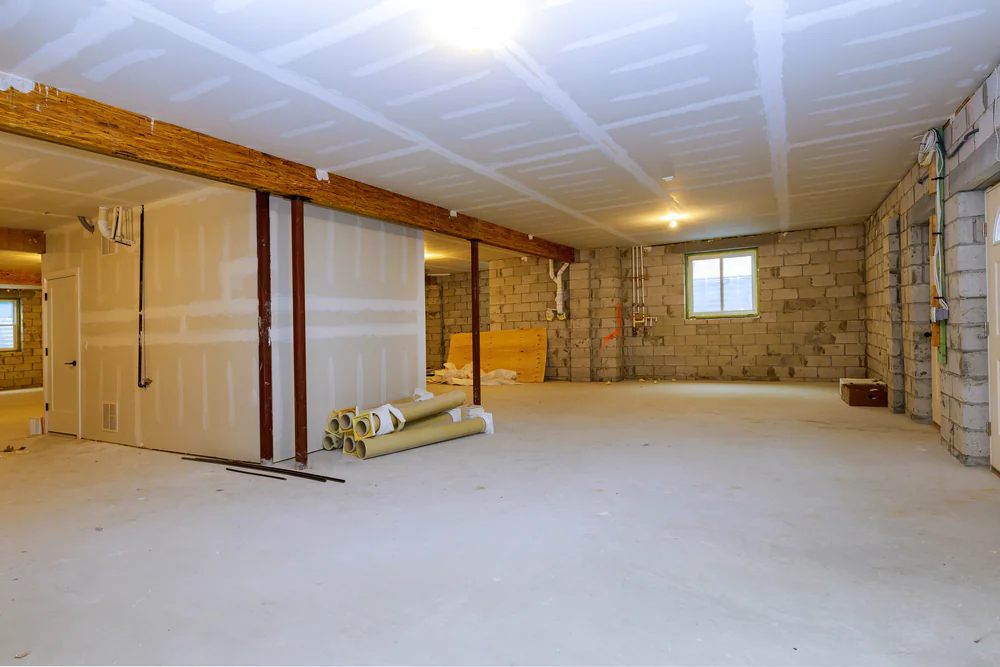
First, we walk through your basement with you. Not to sell you on extras you don’t need, but to understand what you’re actually trying to accomplish and what your space can realistically handle. Ceiling height, moisture signs, electrical panel capacity, egress requirements—we’re looking at the stuff that determines whether your plans will work or need adjusting.
Then we give you a fixed price. Everything’s included—materials, labor, permits, inspections. If we missed something in our estimate, that’s on us, not you.
Once you’re ready to move forward, we handle the Suffolk County permit process. That includes building permits, electrical and plumbing approvals, and mechanical sign-offs if your HVAC needs modification. Most homeowners don’t realize how many approvals a finished basement actually requires, and trying to navigate that yourself is where projects stall out.
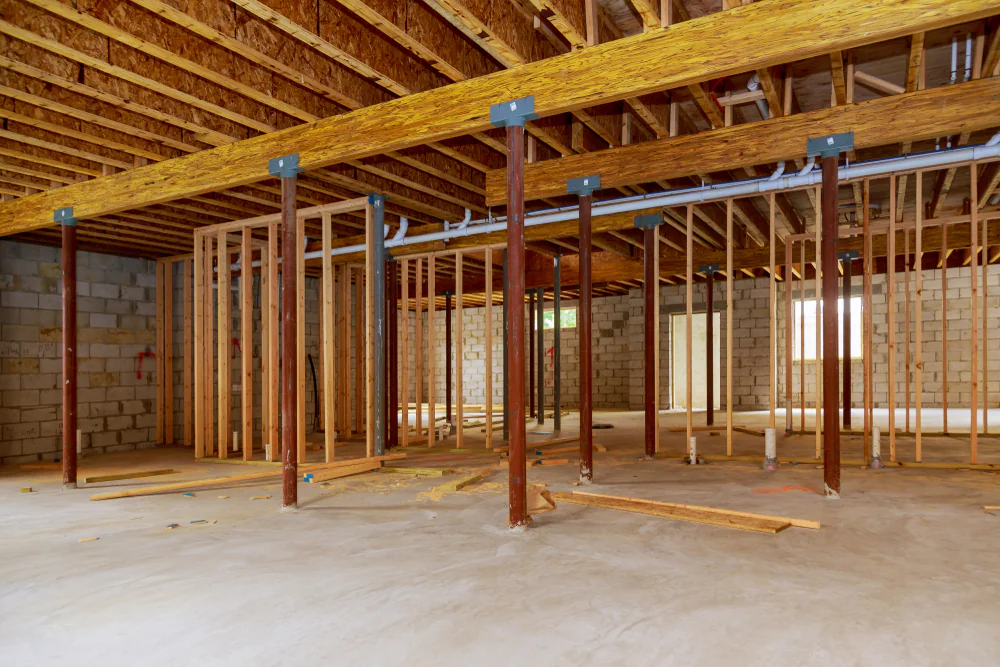
Our crews show up when we say they will. We start with moisture control and waterproofing—because nothing else matters if water’s going to be an issue later. Then framing, electrical, plumbing, insulation, drywall, flooring. We’re not bouncing between six other jobs. Your project stays on track because we’re not waiting on subcontractors to fit you into their schedule.
You’ll know what’s happening and when. We don’t disappear for days and then show up unannounced. At the end, you get a one-year warranty on our workmanship, and a finished basement that’s ready to use the day we hand it over.
Ready to get started?
Basement remodelers in Huntington can’t skip the fundamentals, and neither do we. Every project starts with proper moisture management—vapor barriers, waterproofing, dehumidification planning. Suffolk County’s proximity to water means this isn’t optional. If your basement has ever felt damp or smelled musty, we’re addressing that before any finishing work begins.
Framing and insulation come next. We’re building walls that meet New York’s energy codes and creating spaces that actually feel comfortable year-round. If you’re adding a bedroom or rental suite, that means egress windows installed to code—sized right, positioned right, and inspected properly.
Electrical work gets handled by our licensed team. New outlets, lighting, panel upgrades if needed. Same with plumbing if you’re adding a bathroom or wet bar. HVAC modifications to make sure your new space gets proper heating and cooling. All of it permitted, all of it inspected.
Finish work is where your basement starts looking like the rest of your house. Drywall, paint, flooring—whatever matches your style and budget. We’re not pushing you toward the most expensive options, but we’re also not using builder-grade materials that’ll look tired in two years.
And because this is Suffolk County, we’re handling all the code compliance details you didn’t know existed. Fire-rated doors if you’re creating separate zones. Smoke detectors wired correctly. Proper ventilation and exhaust fans. The stuff that keeps your project legal and your family safe.

Most basement renovation projects in Huntington run between $12,000 and $35,000, depending on square footage and what you’re building. A basic recreation room with drywall, flooring, and lighting sits on the lower end. Add a bathroom, wet bar, or separate bedroom suite, and costs move up from there.
Here’s what drives the price. Waterproofing and moisture control aren’t negotiable in this area, and that’s a real line item. Electrical panel upgrades add cost if your current setup can’t handle the additional load. Egress windows run $3,000 to $5,000 installed if you’re creating a legal bedroom.
Suffolk County labor and material costs run higher than national averages—that’s just the reality of working on Long Island. But the ROI is there. Finished basements in this market typically return around 70% of the investment when you sell, and in the meantime, you’re using space that was doing nothing for you.
Yes, and trying to skip them creates problems you don’t want. Suffolk County requires building permits for basement finishing work, plus separate permits for electrical, plumbing, and mechanical modifications. If you’re adding egress windows, that’s another approval. If you’re creating a legal bedroom or rental unit, inspections get more detailed.
Here’s why this matters beyond just following the rules. When you go to sell your home, unpermitted work shows up during inspections. Buyers either walk away or demand price reductions to cover the cost of bringing everything up to code. Insurance companies can deny claims if unpermitted work contributed to damage. And if you’re creating rental income space, you need permits to legally collect rent and stay protected.
The permit process in Suffolk County typically takes two to four weeks, depending on the scope of work and how backed up the building department is. We handle all of that—applications, plan submissions, inspection scheduling. You don’t have to figure out what forms to fill out or wait in line at Town Hall.
Most basement finishing projects take six to ten weeks once we start. That includes permit approvals, which usually take two to four weeks on the front end. A straightforward recreation room might finish faster. A full suite with bathroom, kitchenette, and separate entrance takes longer.
Here’s what affects timeline. If we find moisture issues that need serious remediation, that adds time upfront. If your electrical panel needs upgrading before we can add circuits, that’s another week. If you’re adding plumbing in a space that’s never had it, we’re cutting concrete and running new lines—that’s not a weekend project.
Weather rarely impacts basement work since we’re inside, but permit delays can. If the building department is slammed or your plans need revisions, that pushes everything back. Supply chain issues occasionally delay specific materials, though we try to order long-lead items early to avoid that.
What we don’t do is drag your project out by bouncing between multiple jobs. When we’re scheduled to be at your house, we’re there. You’re not waiting two weeks between framing and drywall because our crews are busy elsewhere.
Finishing your basement won’t solve moisture problems—fixing the moisture problem first is what solves it. If you’ve got water seeping through foundation walls, a musty smell, or visible mold, those issues need professional remediation before any finishing work starts. Otherwise you’re just covering up problems that’ll come back worse.
Here’s the right sequence. We assess where moisture is coming from—foundation cracks, poor exterior drainage, high water table, condensation from temperature differences. Then we address it properly. That might mean exterior waterproofing, interior drainage systems, vapor barriers, or dehumidification plans. Sometimes it’s all of the above.
Once moisture is controlled, then we build. We use mold-resistant drywall in basements. We insulate correctly so you don’t create condensation zones inside your walls. We make sure your HVAC system can handle the additional space so humidity doesn’t build up.
Huntington’s proximity to water makes this especially important. About 25% of properties in Suffolk County face some level of flooding risk over the next 30 years. We’re not trying to scare you, but we’re also not going to finish your basement knowing there’s a moisture issue we ignored. That’s not a project anyone’s happy with six months later.
Yes, but it requires more planning than just framing walls and adding fixtures. A basement bathroom needs proper plumbing—either tying into existing lines if they’re accessible, or installing an ejector pump system if your basement sits below the main sewer line. That pump grinds waste and pumps it up to your home’s drainage system. It’s not complicated, but it’s a real cost and needs to be installed correctly.
For bedrooms, New York State requires egress windows—a clear opening large enough for someone to escape in an emergency. That means cutting through your foundation wall, installing a properly sized window, and creating an exterior window well. The window needs to meet specific size requirements, and the well needs to be deep enough and equipped with a ladder or steps.
Ceiling height matters too. Finished basements need at least seven feet of clearance in living spaces. If you’ve got ductwork, beams, or pipes hanging lower than that, we’ll need to work around them or explore options like recessing utilities where possible.
Adding a legal bedroom or rental suite also triggers additional code requirements—separate HVAC zones, fire-rated doors, hard-wired smoke and carbon monoxide detectors, dedicated electrical circuits. It’s more involved than a basic rec room, but if you’re looking to create rental income or accommodate extended family, it’s absolutely doable. We just need to plan it right from the start.
You can frame walls and hang drywall yourself if you’ve got the time and skill. Where DIY basement projects typically run into trouble is everything else—waterproofing that actually works, electrical that’s up to code, plumbing that doesn’t leak, and permits that get approved without three rounds of revisions.
Here’s what happens when basement finishing goes wrong. Moisture problems you thought you fixed come back because the vapor barrier wasn’t installed correctly. Electrical work fails inspection because circuits are overloaded or outlets aren’t GFCI-protected where required. Your homeowner’s insurance denies a claim because unlicensed work caused the damage. You go to sell and the buyer’s inspector flags unpermitted work, killing your deal or costing you thousands in price reductions.
Licensed basement remodel contractors carry insurance that protects you if something goes wrong. We pull permits so your work is legal and inspected. We know Suffolk County’s code requirements—not just the basics, but the local quirks that trip up DIYers and out-of-area contractors. We’ve got relationships with inspectors and know what they’re looking for.
And honestly, most homeowners don’t have six to ten weeks to dedicate to a basement project. You’ve got a job, a family, and a life. We do this full-time. You’re not learning as you go or making expensive mistakes that need to be ripped out and redone. You’re getting it done right the first time, with a warranty backing the work, so you can actually use your basement instead of still working on it six months from now.