
Hear from Our Customers
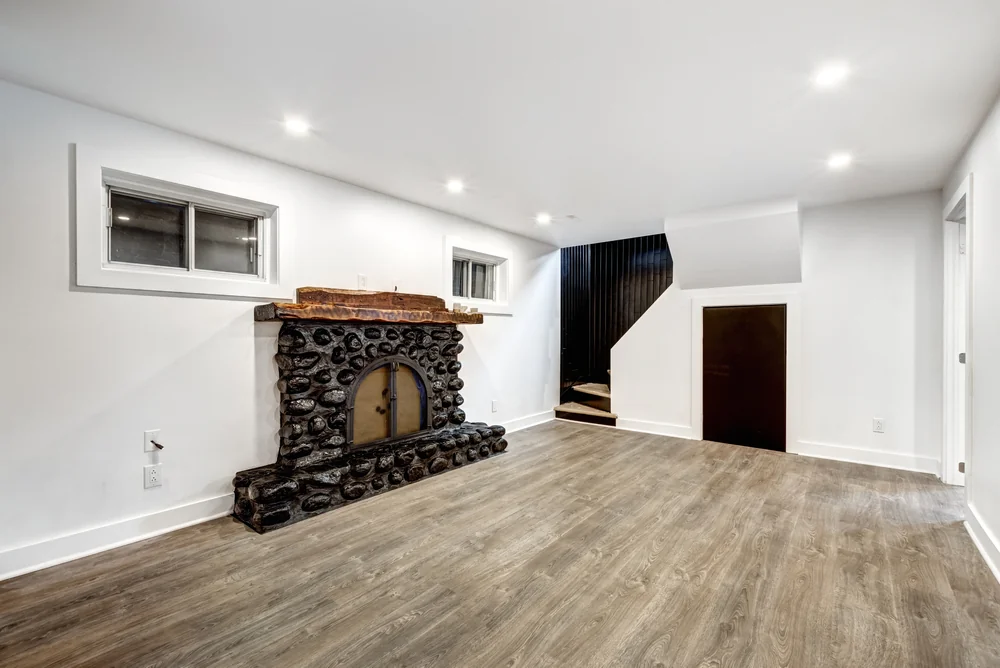
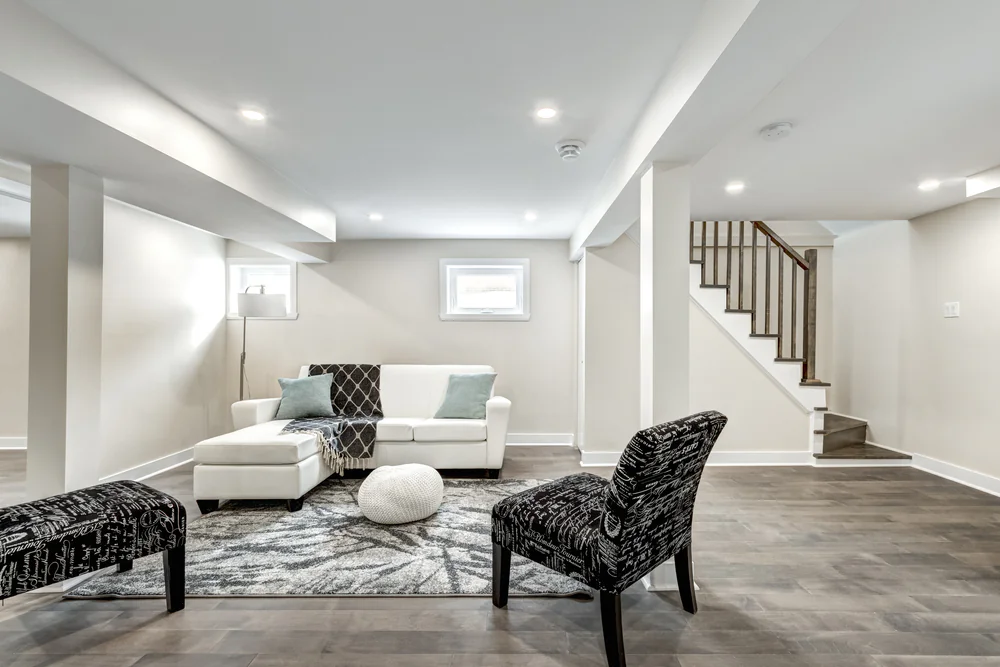
Your basement sits there. Cold, damp, full of stuff you don’t use. Meanwhile, you’re tripping over each other upstairs because you need more room.
Finishing your basement the right way means you get usable square footage that actually adds value to your home. Not just drywall slapped over concrete. We’re talking about dry, comfortable space with proper egress, moisture control, and ventilation that meets Suffolk County code. The kind of basement remodel that passes inspection the first time and doesn’t grow mold two years later.
Most North Lindenhurst homes were built in the 1950s and 60s. Those basements weren’t designed for living space. Finishing one properly means addressing moisture issues, adding proper exits, upgrading electrical, and making sure everything’s up to current safety standards. Skip any of that, and you’re looking at problems when you try to sell. Or worse, problems before then.
We’ve been doing basement renovations in Suffolk County since 2016. Not just basements, but we’ve finished enough of them to know where homeowners get burned and what actually matters when you’re converting unfinished space into rooms people want to spend time in.
Our crews are in-house. No subcontractors rotating through your home. That means the people who give you the estimate are connected to the people doing the work. When something needs adjusting, you’re talking to someone who can actually make the call.
North Lindenhurst homeowners deal with the same things most Long Island homeowners face: older homes, property taxes that make you want to maximize every square foot, and the need to find contractors you can actually trust to show up and do what they said they’d do. We get it because we’ve been working in these neighborhoods long enough to understand what matters here.
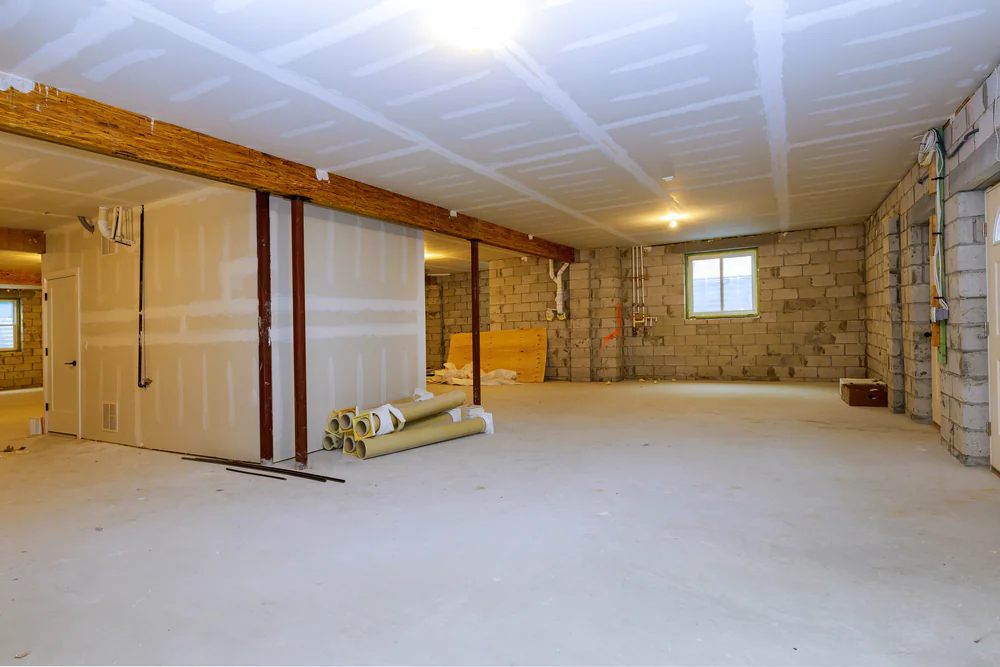
First, we come look at your basement. Not to sell you, but to see what we’re actually dealing with. We test for moisture because that determines everything else. If your basement has water issues, we address those first. No point finishing a basement that’s going to have mold problems in two years.
Then we talk about what you actually want to use the space for. Home office? Kids’ playroom? Extra bedroom? That determines egress requirements, electrical needs, and how we approach the layout. We pull the permits and handle the inspections. Suffolk County has specific requirements for finished basements, especially around egress windows and exits. We know what inspectors look for because we’ve been through it dozens of times.
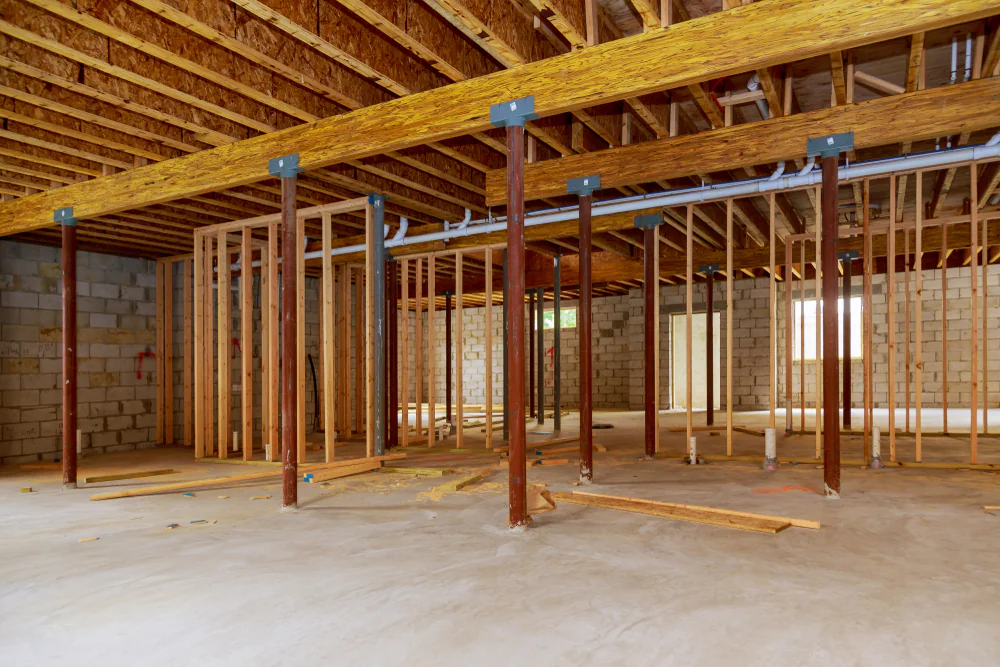
During construction, you’ll see the same crew. We don’t rotate people in and out. Our guys show up, do the work, and clean up at the end of each day. Framing, electrical, insulation, drywall, flooring—all handled in sequence so you’re not waiting around wondering when the next phase starts. Most basement finishing projects take 8 to 12 weeks depending on size and scope.
When we’re done, you get a one-year warranty on workmanship. Not because we expect problems, but because standing behind the work matters.
Ready to get started?
Moisture testing and waterproofing come first. We use moisture-resistant materials—mold-resistant drywall, luxury vinyl plank flooring that can handle humidity, insulation that won’t grow mold if it gets damp. This is Long Island. Basements get humid. Your materials need to handle that.
Egress windows and proper exits aren’t optional. If you’re creating a bedroom or any habitable space, Suffolk County requires a way out in case of emergency. We size and install egress windows that meet code. Same with smoke detectors, carbon monoxide detectors, and electrical that’s up to current standards.
Framing, insulation, drywall, flooring, lighting, and finishing work all get handled by our crews. We coordinate electrical and plumbing when needed. You’re not managing five different contractors. Fixed pricing means you know what you’re paying upfront. No surprise add-ons halfway through when you’re already committed.
The goal is a finished basement that adds value to your home, not problems. In Suffolk County, finished basements get reassessed at about $30 to $40 per square foot of added value. Do it right, and you’re looking at a 70-75% return on investment. Do it wrong, and you’re explaining to the next buyer why the basement doesn’t have proper egress or why there’s moisture damage behind the walls.

Yes. Any time you’re converting unfinished space into livable space, Suffolk County requires permits. That includes electrical work, plumbing, framing, and anything that changes the use of the space.
Skipping permits might seem like a shortcut, but it comes back to bite you. When you sell your home, buyers’ attorneys ask about permits for finished spaces. If you don’t have them, you’re either redoing the work, getting retroactive permits (which is a nightmare), or losing the sale. Some buyers walk away entirely when they find unpermitted work.
We handle the permit process. We know what Suffolk County requires, we submit the paperwork, and we schedule the inspections. You don’t have to figure out what forms to fill out or wait in line at the building department. It’s built into how we work, and it protects your investment.
Most basement finishing projects take 8 to 12 weeks from start to finish. Smaller, simpler projects can be faster. Larger basements with bathrooms, wet bars, or complex layouts take longer.
The timeline depends on what you’re adding. A basic open-concept finished basement with one egress window, standard electrical, and no plumbing moves faster than a basement with a full bathroom, multiple rooms, and custom built-ins. Permit approvals add time on the front end, and inspections happen at specific phases, so we build that into the schedule.
We don’t rush. Finishing a basement right means letting materials acclimate, letting mud and paint dry properly, and making sure everything passes inspection the first time. You’ll know the timeline upfront, and we keep you updated as we move through each phase. No disappearing for weeks and then showing up out of nowhere.
Ignoring moisture. Hands down, that’s the one that causes the most problems. You can’t just frame over damp concrete and hope for the best. Basements on Long Island deal with humidity, groundwater, and seasonal moisture. If you don’t address that first, you’re building a mold farm.
We test moisture levels before we do anything else. If your basement has active water issues, we handle waterproofing first. Then we use materials designed for below-grade spaces—mold-resistant drywall, closed-cell foam insulation, flooring that won’t warp or grow mold if it gets damp.
The other big mistake is skipping egress. If you’re finishing a basement and calling it a bedroom or living space, you need a legal way out in case of fire. That means egress windows that meet size requirements and open easily. It’s not optional, and it’s not something you can fake during an inspection. Inspectors measure. Get it right the first time, or you’re tearing out walls later to fix it.
On Long Island, basement finishing typically runs between $98 and $135 per square foot for a standard remodel. A 600-square-foot basement might cost $60,000 to $80,000 depending on what you’re adding. Bathrooms, wet bars, and high-end finishes push that number higher.
We give you fixed pricing upfront. You’ll know what the project costs before we start, and that number doesn’t change unless you change the scope. No surprise bills halfway through. No “we found something” add-ons that weren’t discussed.
The investment makes sense when you look at the return. Suffolk County reassesses finished basements at $30 to $40 per square foot of added value. You’re adding usable space without the cost of an addition or the hassle of moving. Done right, you’re looking at a 70-75% return on investment. Done wrong, you’re explaining moisture problems and code violations to the next buyer.
Yes, but both require specific code compliance. Bathrooms need proper plumbing, ventilation, and drainage. Bedrooms need egress windows that meet minimum size requirements and open without tools or keys. Suffolk County inspectors check both carefully.
For a basement bedroom, the egress window has to be at least 5.7 square feet of opening, with a minimum width of 20 inches and height of 24 inches. The bottom of the opening can’t be more than 44 inches from the floor. If your basement doesn’t have windows that meet those specs, we install them. That usually means cutting through the foundation, installing a proper window well, and making sure drainage keeps water away from the window.
Bathrooms are more straightforward but still require permits and inspections. We handle the plumbing, electrical, ventilation, and finishes. Everything gets inspected to make sure it meets code. You don’t want to skip this part. Unpermitted bathrooms are a red flag for buyers, and they can kill a sale or force you to rip everything out and start over.
Because finishing a basement involves code compliance, permits, inspections, moisture control, electrical work, and structural decisions that have real consequences if you get them wrong. It’s not a weekend DIY project.
Suffolk County requires permits for basement finishing. That means inspections at multiple phases. Inspectors check framing, electrical, insulation, egress, and final finishes. If something doesn’t meet code, you’re redoing it. Most homeowners don’t know what inspectors are looking for, so they end up failing inspections and spending more time and money fixing mistakes.
Then there’s moisture. Basements are below grade. They deal with humidity, groundwater, and temperature swings. If you don’t use the right materials and techniques, you’re setting yourself up for mold, rot, and damage that costs more to fix than it would have cost to do it right the first time. Licensed contractors carry insurance. If something goes wrong, you’re covered. If you do it yourself and something goes wrong, you’re paying for it twice—once for your work, and again to fix it properly.
Other Services we provide in North Lindenhurst