
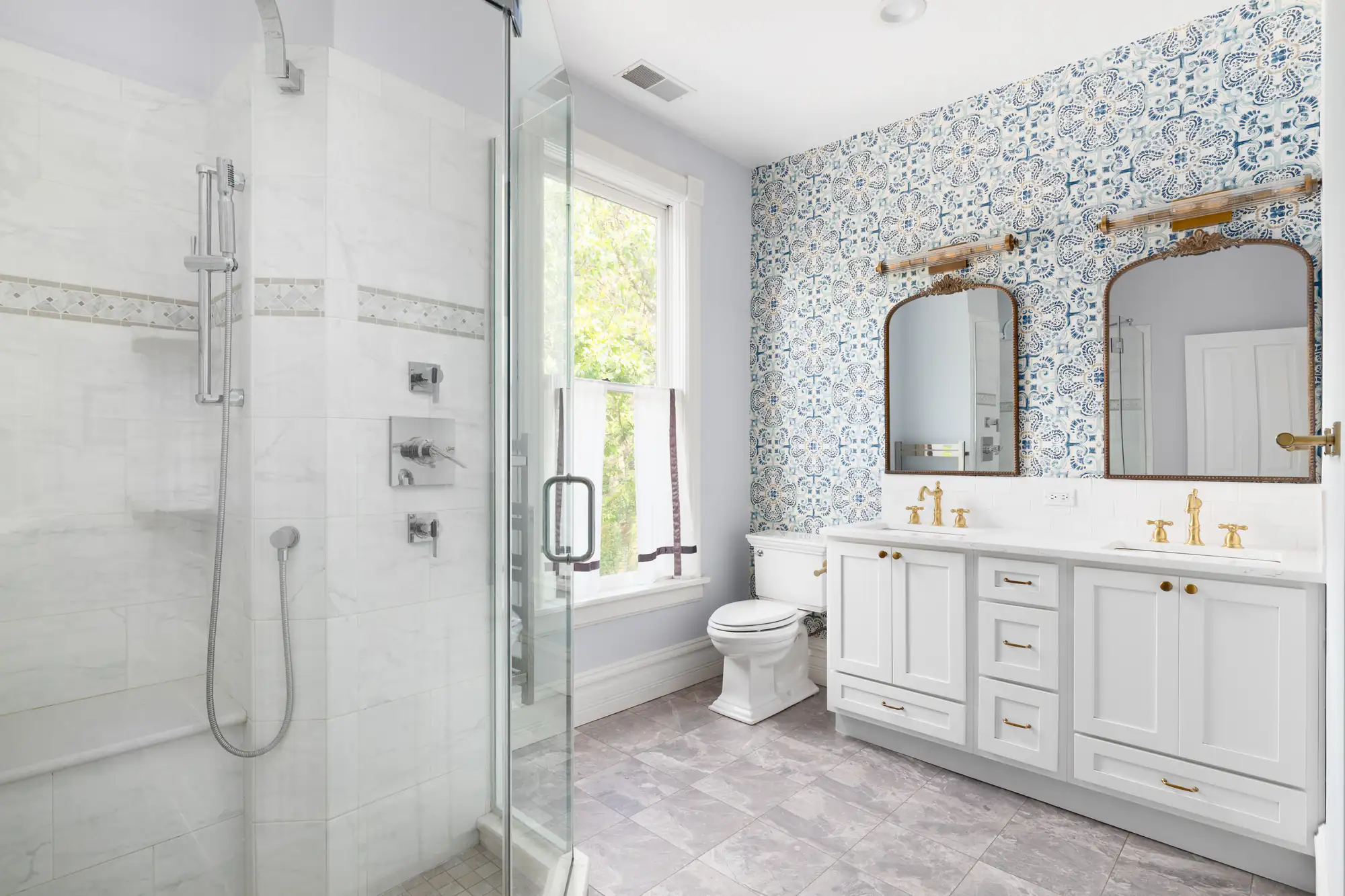
Hear from Our Customers
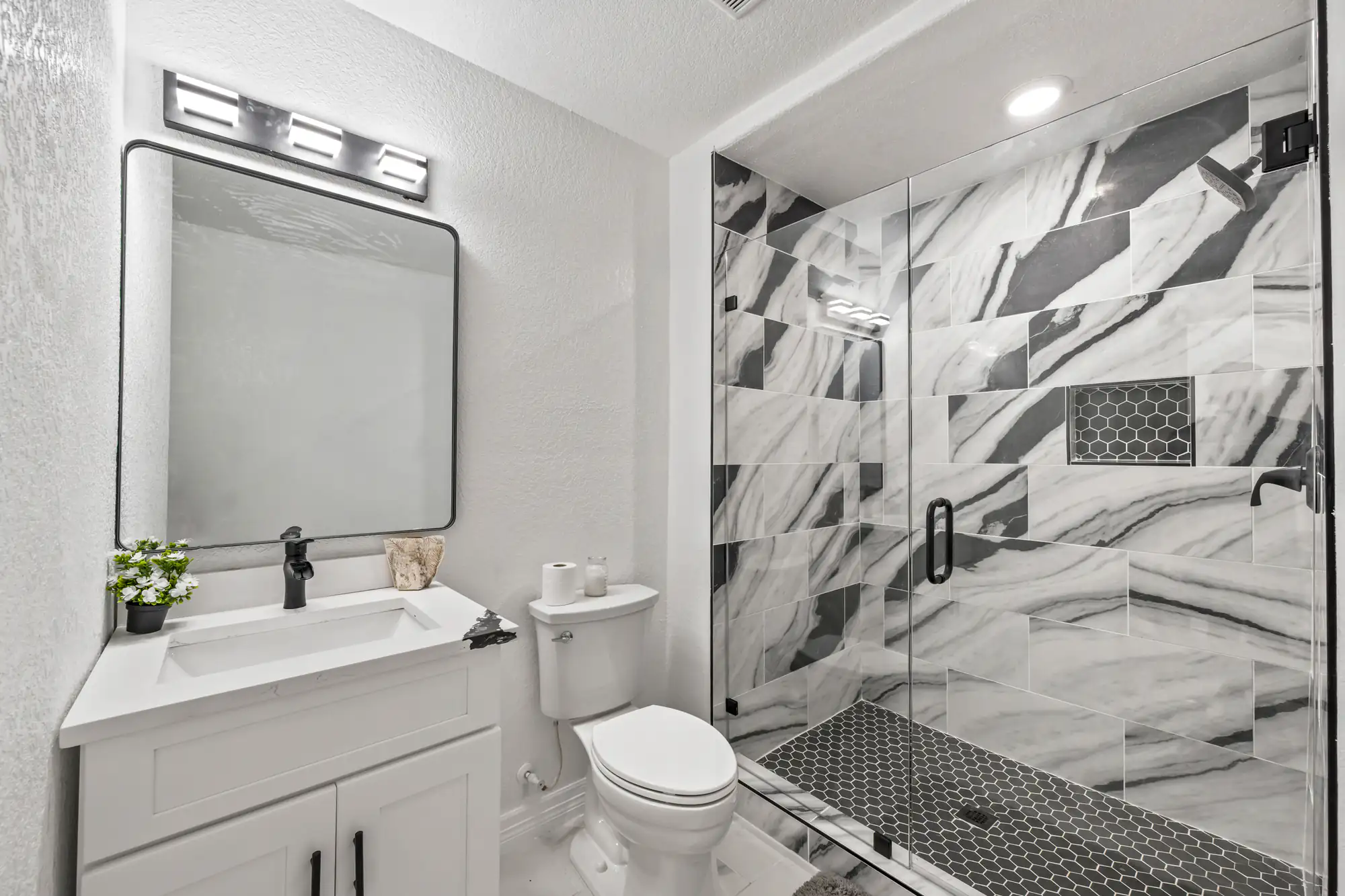
You’re not remodeling your bathroom because everything’s fine. Something’s off—storage that doesn’t make sense, a layout that wastes space, or fixtures that stopped working with your life years ago. Maybe it’s all three.
A full bathroom remodel fixes what’s broken and builds in what’s been missing. More counter space where you actually need it. A walk-in shower that doesn’t feel like an afterthought. Tile and grout that won’t turn into a maintenance nightmare six months in.
The goal isn’t just a bathroom that photographs well. It’s one that makes your morning routine faster, your evenings calmer, and your home more valuable if you ever decide to sell. You’ll use this space every single day. It should feel like it was designed for how you actually live.
We handle residential bathroom remodeling across Hauppauge and the surrounding Suffolk County area. We’re not a franchise or a lead-gen company that farms out your job. We’re local contractors who know what it’s like to work in older Long Island homes—the quirks, the codes, the permitting process that changes by town.
Nearly a decade of interior renovation work means we’ve seen the problems before you describe them. We know which shortcuts create issues down the road and which upgrades actually pay off. Our work covers everything from shower installation services and custom tile work to full bathroom reconstruction that changes the entire layout.
You won’t get a high-pressure sales pitch or a quote that doubles once the walls are open. Transparent pricing and honest communication aren’t marketing lines here—they’re how we’ve stayed busy in this market for almost ten years.
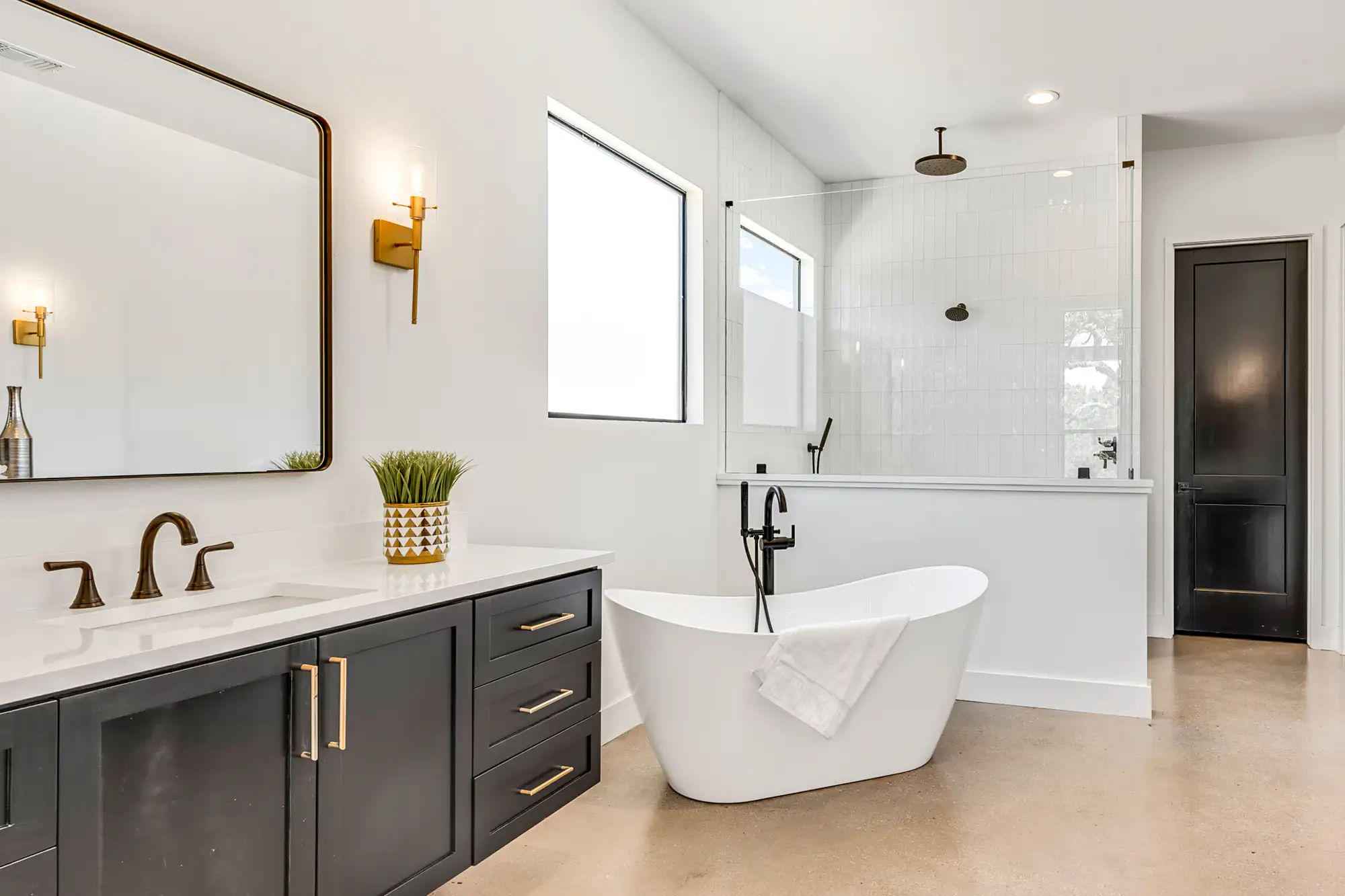
First, we walk through your current bathroom and talk through what’s not working. You tell us what you need—more storage, better lighting, a layout that makes sense—and we measure, photograph, and note any structural concerns. If your home was built before 1990, there’s a decent chance we’ll find something that needs addressing. We flag it early, not halfway through demo.
Next comes the estimate. You’ll see line-item costs for materials, labor, plumbing, electrical, and anything else the job requires. No vague “contractor fees” or surprise charges when the invoice shows up. If we recommend something, we explain why it matters and what happens if you skip it.
Once you approve the plan, we handle permits and scheduling. Demo happens first—out with the old tub, vanity, tile, and anything else that’s getting replaced. Then rough plumbing and electrical get updated or relocated based on your new layout. After inspections clear, we install your shower or tub, set tile, mount fixtures, and finish with paint and trim.
The timeline depends on the scope, but most full bathroom remodels in Hauppauge take two to three weeks. You’ll know the schedule upfront, and if something changes, you’ll hear about it the same day.
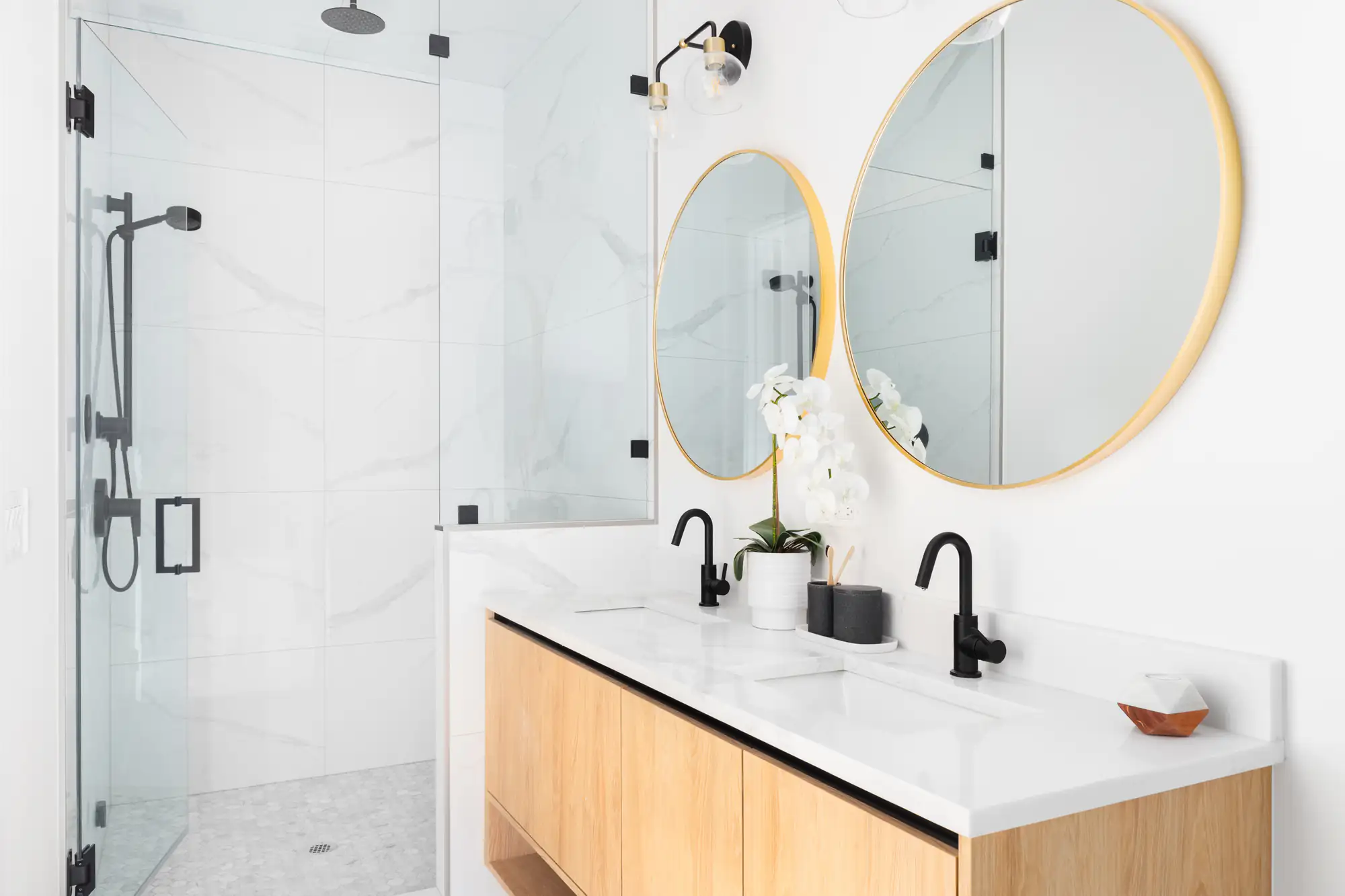
Ready to get started?
A complete bathroom renovation covers more than swapping out a vanity. You’re looking at new plumbing fixtures, updated electrical for lighting and outlets, tile work for floors and shower surrounds, and often a full layout change to improve flow and function. If you’re adding a walk-in shower or replacing a tub, that means reconfiguring drain lines and waterproofing the entire wet area to code.
In Hauppauge and across Suffolk County, many homes were built in the ’60s through ’80s with bathrooms that haven’t been touched since. That means outdated plumbing, minimal storage, and layouts designed around old fixtures. A modern remodel addresses all of it—better ventilation to prevent mold, slip-resistant tile, storage that actually fits what you use daily, and lighting that makes the space functional at 6 a.m.
We also handle the details that separate a quick flip from a quality remodel. Proper waterproofing membranes behind tile. Blocking in walls for future grab bars if accessibility becomes a priority. Exhaust fans that actually vent outside instead of into the attic. These aren’t upsells—they’re what keeps your bathroom working right for the next fifteen years.
Custom bathroom remodeling means the layout, materials, and finishes match how you use the space. You’re not picking from three preset packages. You’re building a bathroom that fits your home, your routine, and your budget.
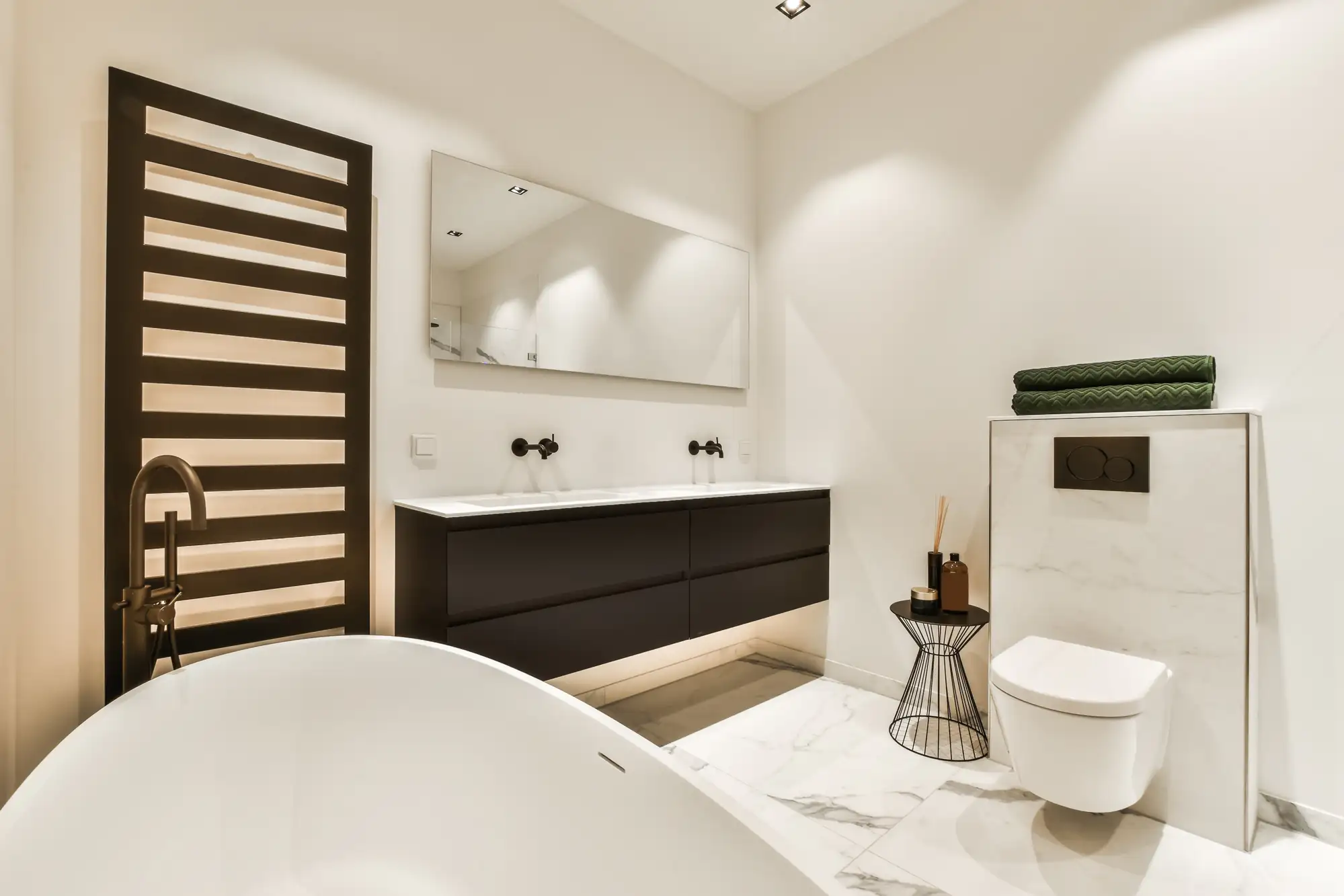
Most full bathroom remodels in Hauppauge run between $15,000 and $35,000, depending on size, materials, and how much of the layout changes. A small primary bathroom with a new shower, vanity, tile, and fixtures typically lands in the $15,000 to $22,000 range. Larger bathrooms or projects that involve moving plumbing, adding square footage, or high-end finishes push toward the upper end.
The number that matters most is the one based on your actual bathroom and your actual goals. We don’t quote over the phone or use price-per-square-foot estimates. Every home is different, especially older Long Island construction. Once we see the space and understand what you’re trying to accomplish, we can give you a detailed, line-item breakdown that won’t change unless you change the scope.
If budget is a concern, we’ll tell you where you can save money without compromising quality and where cutting corners will cost you more later. That’s the difference between a contractor who wants the job and one who wants you to be happy with the result five years from now.
A typical full bathroom remodel takes two to three weeks once work begins. Smaller projects—like a shower remodel or vanity replacement without major plumbing changes—can be done in a week to ten days. Larger renovations that involve layout changes, custom tile work, or structural repairs take closer to four weeks.
The timeline depends on inspections, material delivery, and how many trades are involved. If we’re relocating plumbing or adding electrical, we need to schedule inspections before closing up walls. If your tile is backordered or a custom vanity takes longer to build, that adds time. We give you a realistic schedule upfront and update you if anything shifts.
One thing we don’t do: stretch a two-week job into six weeks because we’re juggling three other projects. When we start your bathroom, we finish your bathroom. You’re not sharing your contractor with two other job sites. That’s how timelines stay on track and how you’re not living in a construction zone longer than necessary.
The terms get used interchangeably, but there’s a practical difference. A remodel changes the layout, structure, or function of the space—moving walls, relocating plumbing, expanding square footage, or converting a tub to a walk-in shower. A renovation typically means updating what’s already there—new tile, fixtures, vanity, and finishes without changing the footprint.
Most homeowners in Hauppauge are doing some version of both. You’re replacing outdated materials and also rethinking how the space works. Maybe the sink stays in the same spot, but the shower gets bigger and the toilet moves to create more clearance. That’s a remodel with renovation elements.
What matters is whether the finished bathroom solves the problems you’re dealing with now. If your current layout wastes space or makes the room feel cramped, new tile and paint won’t fix it. If the layout works but everything’s worn out, you don’t need to move plumbing. We help you figure out which approach makes sense based on what’s actually wrong and what you’re trying to accomplish.
Yes, if you’re doing any plumbing, electrical, or structural work. In Hauppauge and across Suffolk County, permits are required for anything beyond cosmetic updates. If you’re moving a toilet, adding a shower, relocating outlets, or opening walls, you need permits and inspections.
Some contractors skip this step to save time or avoid scrutiny. That’s a problem when you go to sell your home and the unpermitted work shows up during the inspection. It’s also a problem if something goes wrong—insurance won’t cover damage from unpermitted work, and you’re on the hook for bringing everything up to code after the fact.
We pull permits for every job that requires them and schedule inspections at the appropriate stages. It adds a few days to the timeline, but it protects you legally and ensures the work meets current building codes. Suffolk County has specific requirements for bathroom ventilation, waterproofing, and electrical that differ from other areas. We know what inspectors are looking for because we’ve been doing this locally for nearly a decade.
Yes, if the tub or shower is still in good shape and the layout works for you. You can update tile, fixtures, vanity, lighting, and flooring while keeping the existing tub or shower in place. This is common when the bathtub itself is fine but the surround tile is outdated or damaged.
That said, if your tub has chips, cracks, or staining that won’t come out, or if the shower pan is leaking, replacement makes more sense than working around a problem that’ll get worse. Same goes if you’re dealing with an old fiberglass insert that’s flexing or pulling away from the walls—refinishing it is a temporary fix at best.
We’ll tell you honestly whether your existing tub or shower is worth keeping. If it’s solid cast iron or a high-quality acrylic unit in good condition, there’s no reason to replace it unless you want to change the layout or style. If it’s a builder-grade fiberglass unit from 1985 that’s seen better days, you’re better off starting fresh. The goal is a bathroom that lasts, not one that needs another remodel in five years because we worked around a failing component.
Start with transparency. If a contractor won’t give you a detailed estimate or dodges questions about permits and timelines, that’s a red flag. You want line-item pricing that shows exactly what you’re paying for—materials, labor, plumbing, electrical, and any subcontractor costs. Vague quotes with lump-sum “contractor fees” leave room for surprise charges later.
Experience in your area matters more than you’d think. Bathroom renovation contractors who’ve worked in Suffolk County know local building codes, permitting requirements, and the quirks of older Long Island homes. Someone who mostly works in new construction won’t have the same problem-solving skills when they open your walls and find outdated plumbing or structural issues.
Ask how they handle problems. Every remodel uncovers something unexpected—water damage, old wiring that’s not up to code, framing that needs reinforcement. A good contractor explains the issue, gives you options, and adjusts the timeline and budget accordingly. A bad one either hides the problem or uses it as leverage to inflate costs. You want someone who treats your project like it’s their own bathroom—honest about what needs fixing and realistic about what it’ll take to do it right.