
Hear from Our Customers
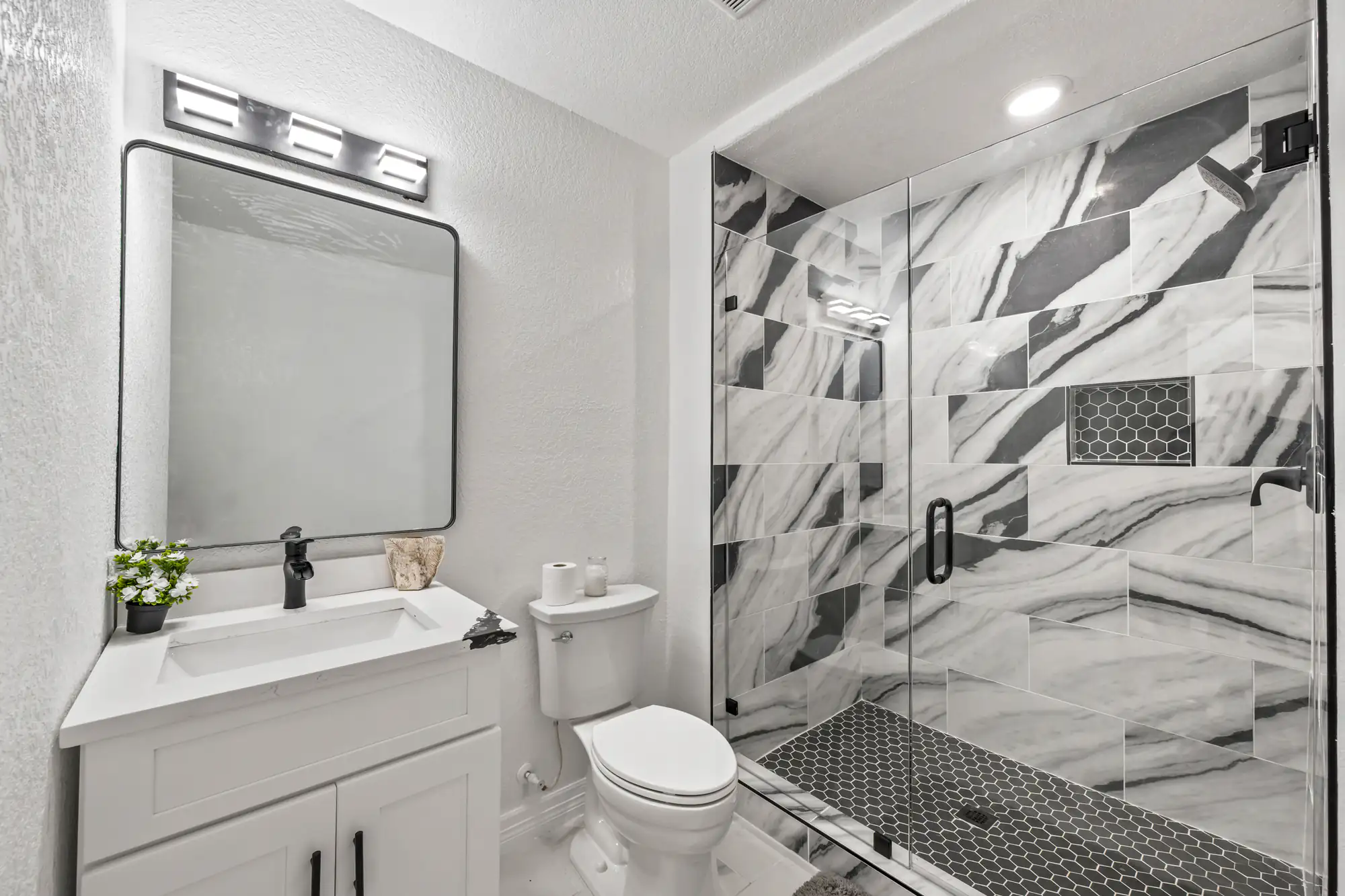
You’re not remodeling your bathroom because it’s fun. You’re doing it because the layout doesn’t work anymore, the fixtures are outdated, or you’re tired of starting every morning in a space that feels cramped and inefficient.
A well-executed bathroom renovation changes how your household functions. More storage means less clutter on the counters. Better lighting makes getting ready faster and easier. A walk-in shower with proper drainage and ventilation means no more mold creeping up the grout lines six months later.
You’ll also see a return when it’s time to sell. Bathroom remodels recoup around 73% of their cost at resale, but the real value shows up in the 2,500+ mornings you spend in that space if you stay in your home for seven years. That’s where the investment pays off—in daily convenience, not just equity.
The difference between a bathroom that works and one that doesn’t comes down to planning, materials, and whether your contractor knows how to handle the plumbing and ventilation without cutting corners.
We’ve been handling residential bathroom remodeling projects across Suffolk County for nearly ten years. We’re not the biggest name in the area, and we’re fine with that. What matters more is that we show up when we say we will, we explain what needs to happen before we start, and we don’t add line items halfway through the job.
Kings Park homeowners hire us because they want straight answers and quality work without the typical contractor experience. We’ve built our reputation on transparency—you’ll know what the project costs upfront, what the timeline looks like, and what to expect if something unexpected comes up.
We handle everything from shower installations to full bathroom reconstructions. If it’s indoors and it needs updating, we’ve probably done it a hundred times.
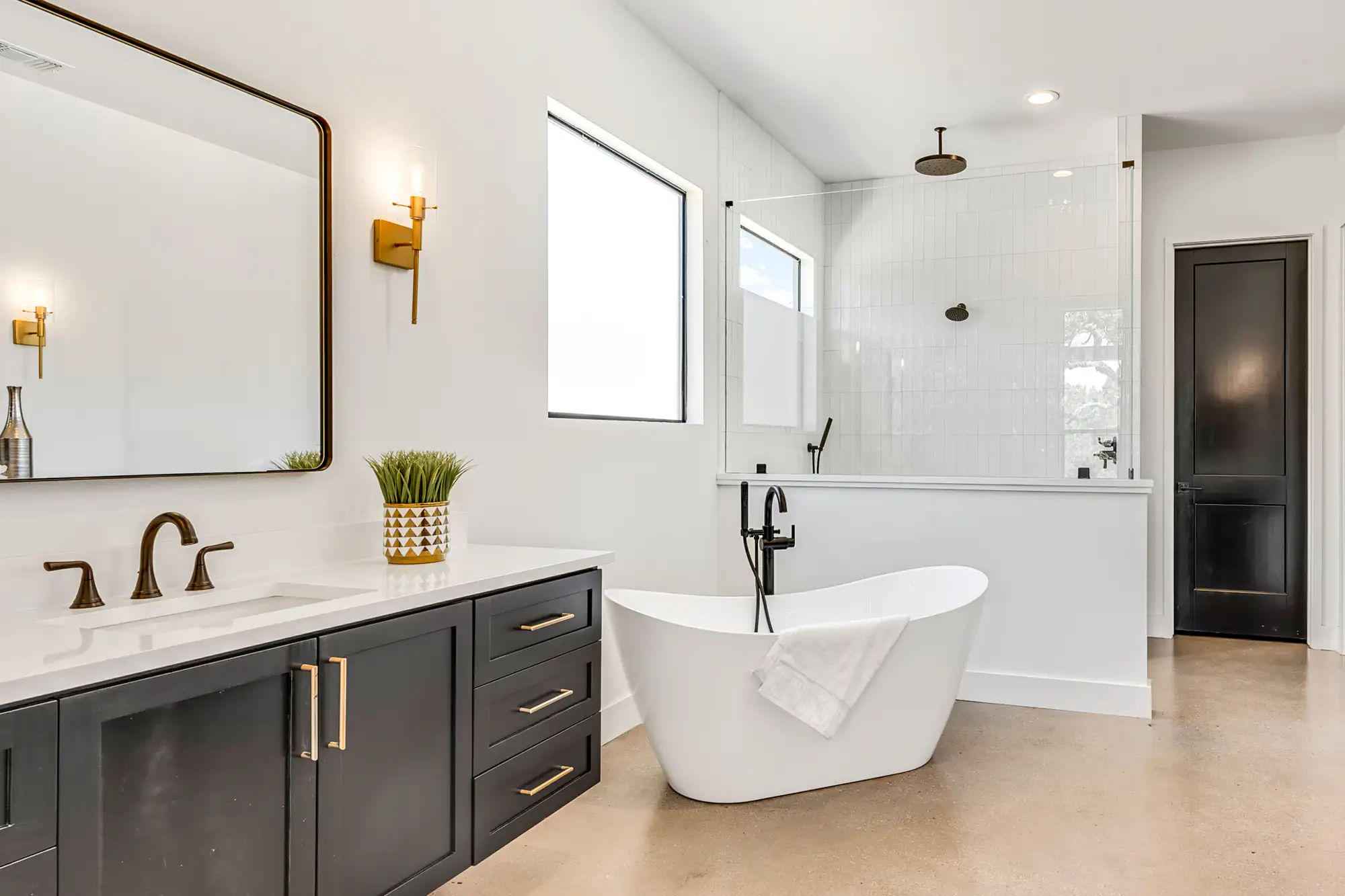
We start with a walkthrough at your home. You show us the bathroom, tell us what’s not working, and we take measurements and notes. We’re looking at your plumbing layout, electrical access, ventilation, and whether your subfloor can handle new tile or needs reinforcement first.
From there, we put together a detailed estimate. It includes materials, labor, timeline, and a breakdown of what’s happening in each phase. If we find something during demo—old cast iron pipes, water damage behind the walls—we’ll call you before moving forward. No surprise invoices.
Once you approve the plan, we handle permits if needed and schedule the work. Most full bathroom remodels take two to three weeks depending on scope. We protect the rest of your home during construction, keep the work area contained, and clean up daily so you’re not living in a construction zone longer than necessary.
After installation, we walk through everything with you—how the fixtures work, how to maintain the finishes, what’s covered if anything needs adjustment. Then we’re done, and you’ve got a bathroom that actually makes sense for how you live.
Ready to get started?
A full bathroom remodel covers demolition, plumbing updates, electrical work, new fixtures, tile installation, vanity and cabinetry, flooring, lighting, and ventilation. If you’re adding features like a walk-in shower, heated floors, or custom storage, that gets built into the scope from the beginning.
In Kings Park, we see a lot of older homes where the bathroom hasn’t been touched in 20+ years. That usually means outdated plumbing, insufficient ventilation, and layouts that don’t make efficient use of space. Fixing those issues requires more than cosmetic updates—it means rerouting pipes, adding proper exhaust fans, and sometimes moving walls to create better flow.
We also handle partial renovations if you’re not ready for a full remodel. Shower remodeling, bathtub replacements, vanity upgrades, and tile work can all be done independently. The key is making sure whatever we update integrates with your existing systems without creating new problems down the line.
Most homeowners in this area are looking for durability and low maintenance. That means porcelain tile over natural stone, quality faucets that won’t need replacing in three years, and grout that’s sealed properly so it doesn’t stain. We source materials that hold up to daily use and moisture without requiring constant upkeep.
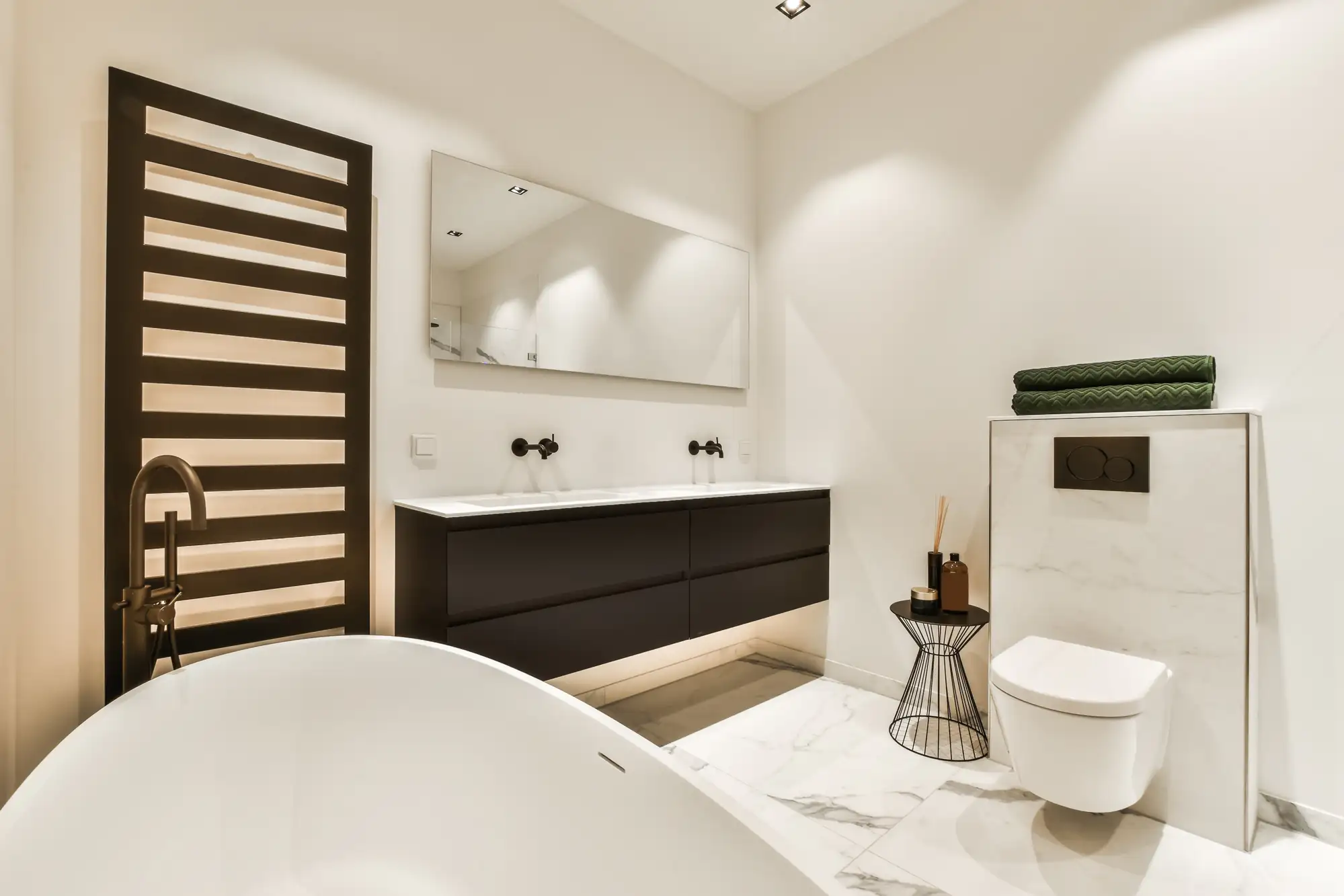
A midrange full bathroom remodel in Kings Park typically runs between $15,000 and $30,000 depending on size, materials, and how much structural work is involved. If you’re keeping the plumbing where it is and updating fixtures, tile, and finishes, you’ll be on the lower end. If you’re moving the toilet, adding a walk-in shower, or dealing with water damage behind the walls, expect to be closer to the higher end.
We give you a detailed estimate before starting so there’s no guessing. That estimate includes labor, materials, permits, and a contingency line for unexpected issues—because they come up more often than most contractors admit. Setting aside 10-15% for contingencies is standard for any bathroom renovation, especially in older homes where you don’t know what’s behind the walls until demo starts.
The ROI on a bathroom remodel is around 73%, so you’re not throwing money away. But the real return is in how much better your daily routine gets when the space actually works the way it should.
Most full bathroom remodels take two to three weeks from demo to final walkthrough. Smaller projects like a shower replacement or vanity upgrade can be done in a few days to a week. Larger renovations that involve moving plumbing, structural changes, or custom tile work can stretch to four weeks.
The timeline depends on permits, material availability, and whether we run into issues during demolition. If we find old plumbing that needs replacing or subfloor damage, that adds time. We’ll let you know as soon as we see it and adjust the schedule accordingly.
We don’t drag projects out. Once we start, we’re there daily until it’s finished. You’ll have access to at least one bathroom in your home during the remodel—we coordinate the work so you’re not completely without facilities. If it’s your only bathroom, we make sure the toilet and sink are functional at the end of each day until the new fixtures are installed.
It depends on what you’re changing. If you’re replacing fixtures, tile, and finishes without moving plumbing or electrical, you usually don’t need a permit. If you’re relocating the toilet, adding new electrical circuits, or altering the structure, you’ll need permits from the Town of Smithtown.
We handle the permit process if it’s required. That includes submitting plans, coordinating inspections, and making sure everything meets local building codes. Skipping permits might save time upfront, but it creates problems later—especially if you sell the house and the buyer’s inspector flags unpermitted work.
Suffolk County has specific requirements for bathroom ventilation, electrical outlets near water sources, and plumbing venting. We make sure your remodel meets those standards whether a permit is required or not. Cutting corners on code compliance isn’t worth the risk, and it’s not how we operate.
Most homeowners in Kings Park start planning bathroom remodels in January or February and schedule the work for late spring or early summer. That gives you time to research contractors, get estimates, and lock in a schedule before the busy season hits.
Starting in May or June means the project wraps up by mid-summer, so you’re not dealing with construction during the holidays. It also avoids the winter months when material delivery can be delayed by weather and heating costs go up if we’re running ventilation fans and keeping the space warm during installation.
That said, we work year-round. If your bathroom needs attention now because of a leak, mold, or a fixture that’s failing, waiting six months isn’t practical. We can start projects in the fall and winter—it just requires a bit more coordination to manage temperature and ventilation during the work.
The worst time to start is right before you’re hosting family or trying to sell your home on a tight deadline. Bathroom remodels take longer than most people expect, and rushing the process leads to mistakes that cost more to fix later.
Yes, and it’s usually the most cost-effective approach. Keeping your toilet, sink, and shower in the same locations saves money on plumbing labor and reduces the chance of running into structural issues or code complications. You can still upgrade every fixture, change the layout of your vanity and storage, update tile and flooring, and improve lighting and ventilation without relocating a single pipe.
Moving plumbing adds complexity. It often requires rerouting drain lines, adjusting venting, and sometimes cutting into walls or floors in adjacent rooms. That’s not a dealbreaker, but it does increase cost and timeline. If your current layout is inefficient—like a toilet that’s too close to the door or a shower that’s cramped—it might be worth the investment to move things around.
We’ll walk through your space and tell you what makes sense. Sometimes a small shift in fixture placement opens up the room without major plumbing work. Other times, the best move is to work with what’s already there and focus your budget on quality materials and finishes that make the space feel completely different.
The biggest budget killers are scope creep, hidden damage, and underestimating how much quality materials actually cost. You avoid the first one by deciding what you want before the project starts and sticking to it. You avoid the second by setting aside a 10-15% contingency for unexpected issues. You avoid the third by getting a detailed estimate upfront that includes real material costs, not placeholder numbers.
We give you a line-item breakdown so you know exactly where your money is going. If you want to cut costs, we’ll show you where you can swap materials or simplify the design without compromising quality. If something comes up during the job—rotted subfloor, outdated wiring, a leaking drain line—we’ll explain what needs to happen and what it costs before we proceed.
The contractors who blow budgets are the ones who lowball the estimate to win the job, then hit you with change orders once they’re halfway through. We don’t operate that way. The number we give you at the start is the number you’ll pay unless you change the scope or we uncover something that genuinely couldn’t have been predicted. And even then, we’re calling you first.