
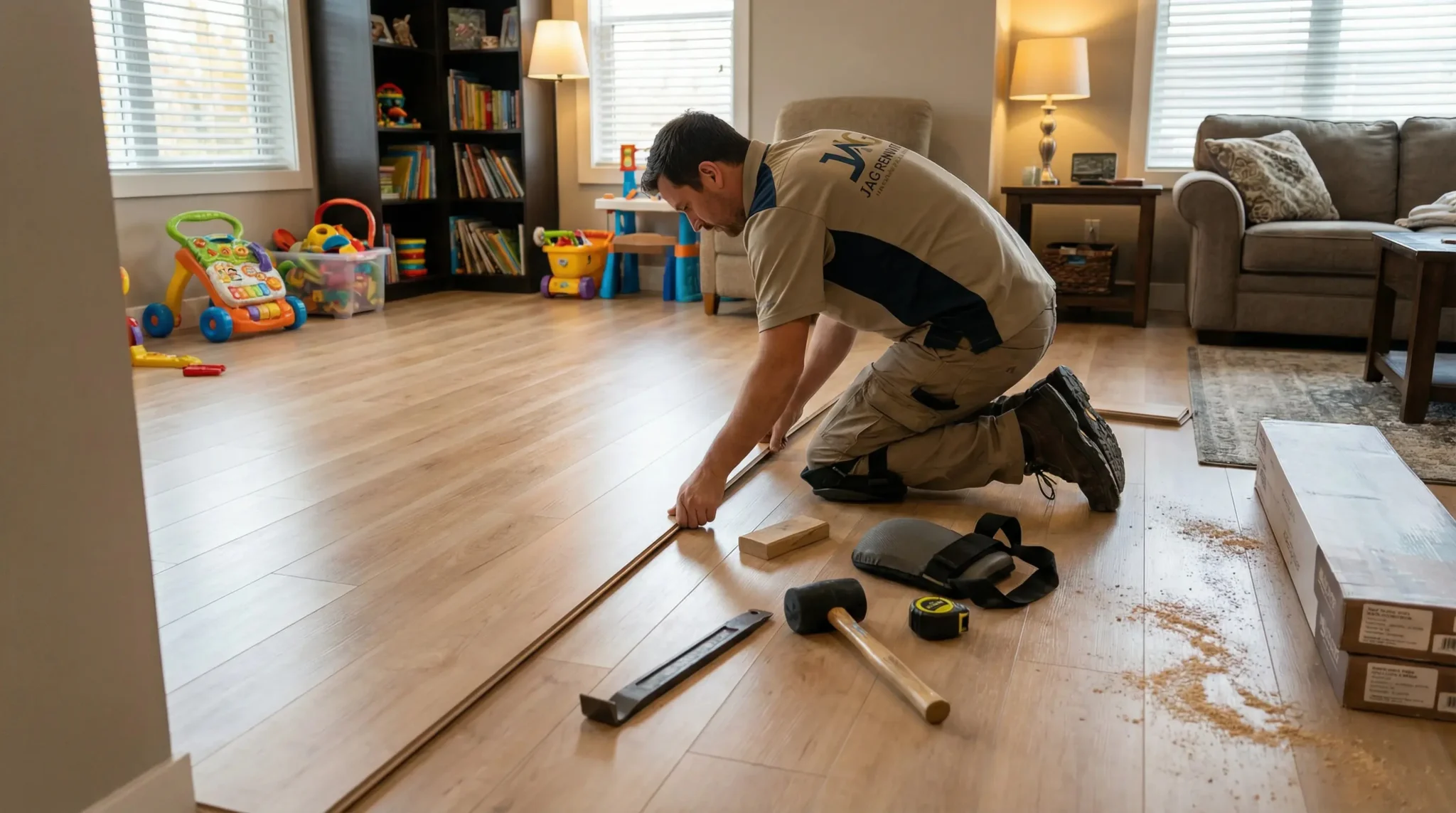
Hear from Our Customers
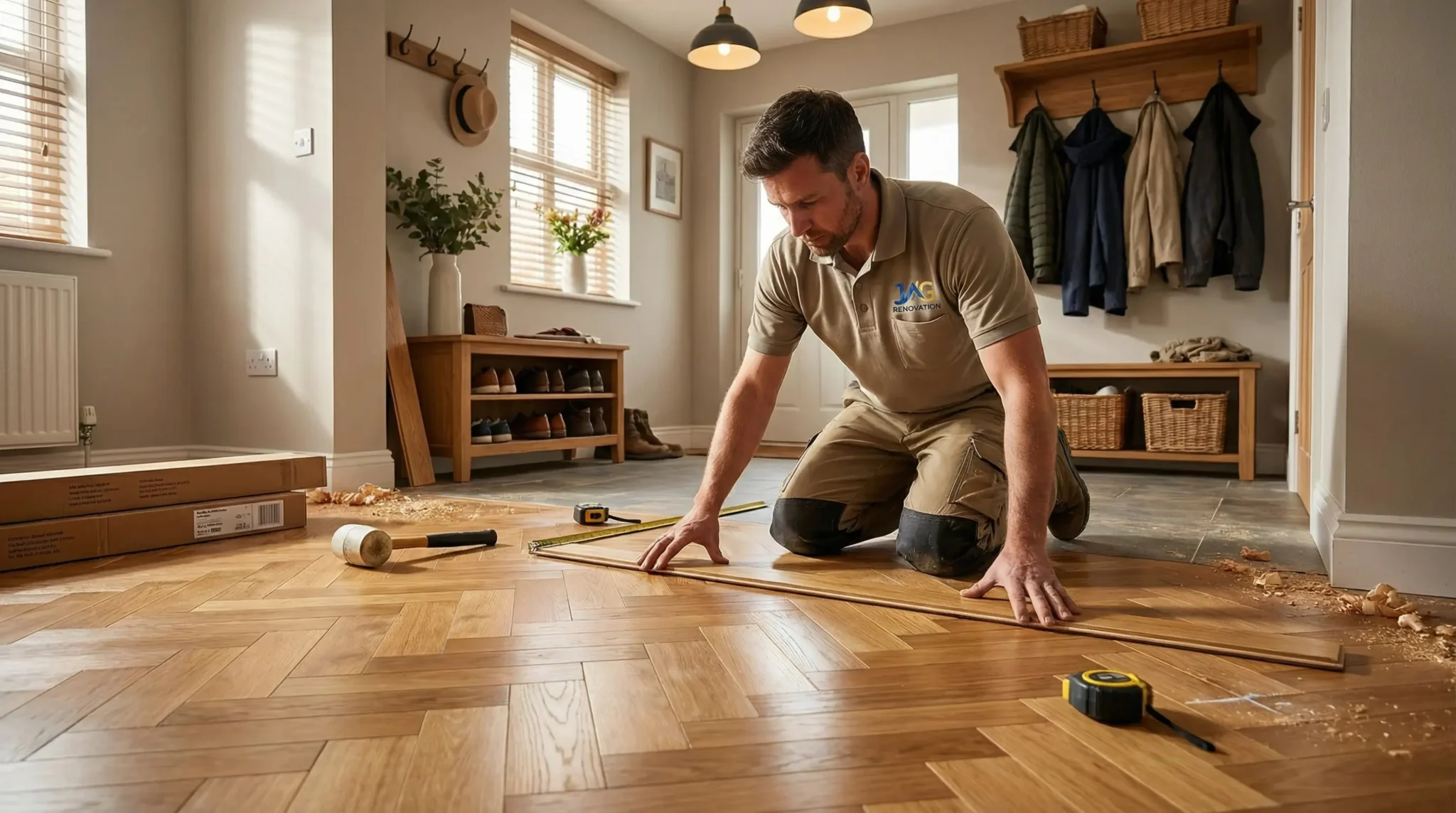
You’re looking at floors that don’t cup in summer or gap in winter. That’s what happens when someone understands Suffolk County’s coastal moisture and inland clay soil—and installs accordingly.
Hardwood that actually lasts. Vinyl flooring that handles wet shoes and pet traffic. Tile that doesn’t crack when the house settles. The difference isn’t the material—it’s knowing how to prep the subfloor, manage moisture barriers, and account for seasonal movement before the first plank goes down.
Your home’s worth over a million dollars in Babylon’s market. The floors should reflect that—not in price inflation, but in quality you can see and durability you’ll feel for years. No callbacks for buckling. No surprise charges when we find something during demo. Just transparent work that holds up to how you actually live.
We’ve been installing floors in Babylon since before luxury vinyl plank became the go-to for coastal homes. That means we’ve seen what fails here—and what doesn’t.
Suffolk County isn’t one climate. Homes near the water deal with salt air and storm surge. Inland properties face basement moisture and clay soil expansion. We adjust our installation process based on where your house sits, not just what flooring you picked. That’s the difference between a floor remodeling contractor who knows the area and one who’s following a generic manual.
NWFA certified, FloorScore approved for indoor air quality, and fully insured. We’re not the cheapest option in Babylon—and that’s intentional. You’re paying for floors installed correctly the first time, with someone who answers the phone when you call.

First, we come see the space. Not to sell you—to measure, check the subfloor, and spot any moisture or structural issues before they become your problem mid-install. You’ll know upfront if your joists need reinforcement or if there’s a humidity issue we need to address.
Then we walk through material options based on how you use the room. Tile flooring works great in Babylon kitchens if you’re near the water. Laminate flooring installation makes sense for bedrooms and second floors. Vinyl flooring handles basements and mudrooms better than anything else. We’re not pushing product—we’re matching material to your actual conditions.
Demo happens fast. Installation happens right. We use moisture barriers where they’re needed, not everywhere. We acclimate materials to your home’s humidity before install. We leave the site clean every day, because you’re still living there. And when we’re done, you get a walkthrough that explains what we did and how to maintain it. No jargon. No runaround.
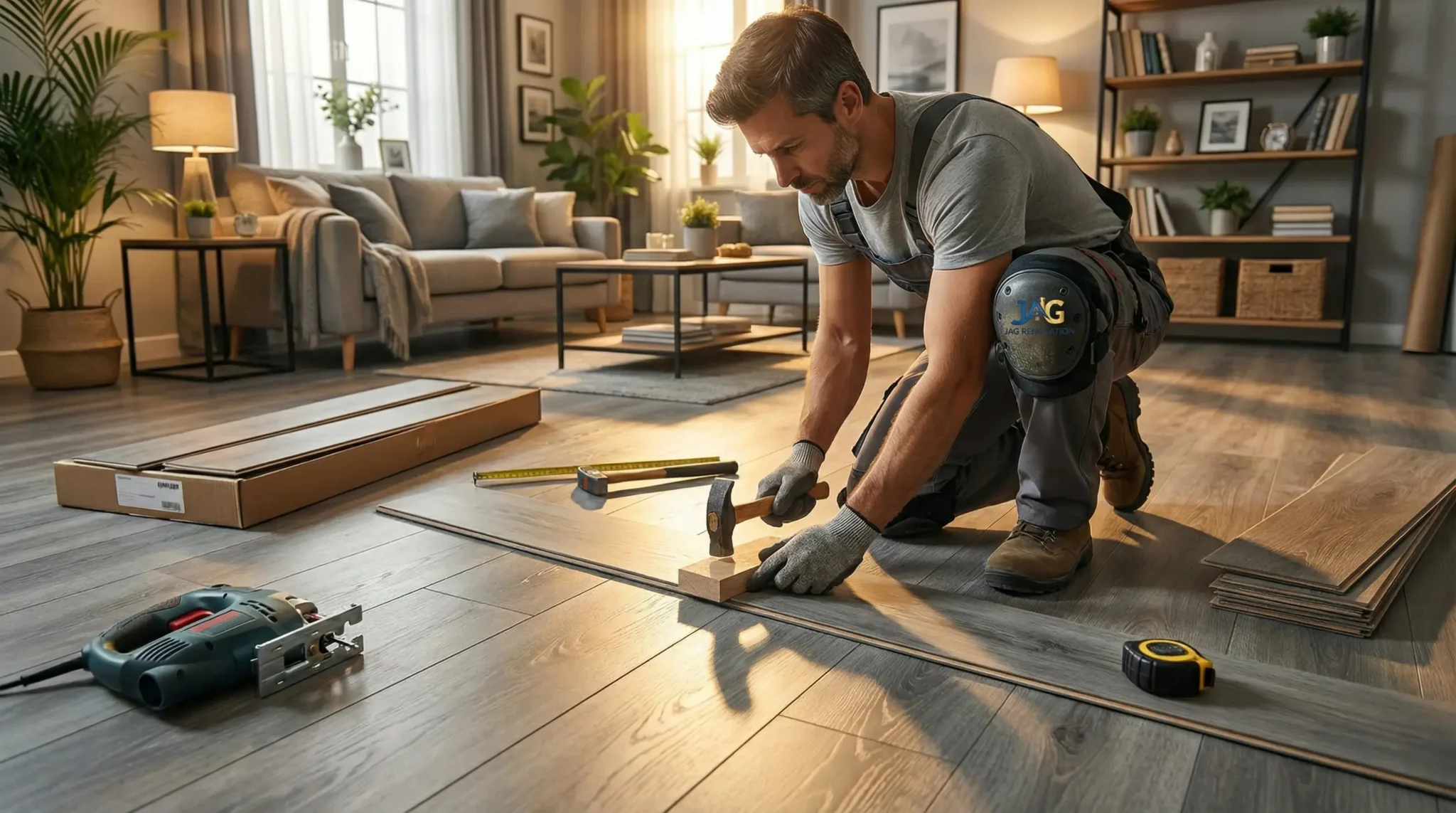
Ready to get started?
Hardwood floor installation with proper acclimation and moisture testing. Vinyl flooring in waterproof LVP that actually holds up to Suffolk County’s humidity. Ceramic tile floor installation with the right underlayment for your subfloor type. Laminate flooring installation that doesn’t sound hollow when you walk on it.
We handle subfloor prep, which most flooring companies skip or upcharge for when they “discover” issues. If your floor isn’t level, we fix it before installation. If there’s old adhesive, we remove it properly. If your transitions need custom cutting, that’s part of the job—not an add-on.
Babylon homes average over a million dollars. That means buyers notice details. We install with resale in mind, even if you’re planning to stay. Wide planks that make rooms look bigger. Consistent grout lines. Transitions that don’t catch your toe. The kind of work that adds to your home’s value instead of just covering the subfloor.
You’ll get material warranties ranging from 10 years to lifetime, depending on what you choose. Our installation work is backed by our own warranty, and we’re local enough that you can actually reach us if something comes up. Most flooring problems happen in the first year—or they don’t happen at all. We install to make sure it’s the latter.

Waterproof luxury vinyl plank is the most reliable option for Babylon homes, especially if you’re within a few miles of the water. It handles humidity swings, salt air, and temperature changes without cupping, warping, or gapping. Engineered hardwood works well too, as long as it’s installed with the right moisture barrier and acclimation time.
Solid hardwood can work in Babylon, but it requires more careful installation and ongoing maintenance. If your home is inland and you can control humidity year-round, it’s a great choice. If you’re closer to the coast or have a basement install, vinyl or engineered is the smarter play.
Tile is bulletproof for moisture, but it’s cold underfoot and less forgiving if something drops. We usually recommend it for kitchens, bathrooms, and entryways—not whole-home installs unless that’s your preference. The key is matching material to your specific location in Babylon and how you actually use the space.
For most Babylon homeowners, you’re looking at $3,000 to $4,500 for a typical room or main living area, depending on square footage and material choice. Vinyl flooring installation tends to run less than hardwood. Tile flooring costs more in labor because of the prep and detail work involved.
Whole-home projects vary widely based on your home’s size and layout, but expect $8,000 to $20,000+ for multiple rooms with quality materials. That includes demo, subfloor prep, installation, and finishing work like baseboards and transitions. If we find subfloor damage or moisture issues during demo, that’s additional—but we flag those risks during the initial walkthrough so you’re not blindsided.
The cost difference between cheap and quality installation shows up in year two. Cheap installs buckle, gap, or wear unevenly. Quality installs last 15-25 years with basic maintenance. In Babylon’s market, where homes hold serious value, the ROI on quality flooring is worth it. You’ll recoup up to 70% of the cost when you sell, and you’ll enjoy it every day until then.
A single room usually takes 2-3 days from demo to completion. Larger projects—like a whole first floor—typically take 5-7 days depending on the material and how much subfloor work is needed. We don’t rush. Rushing is how you end up with gaps, uneven transitions, and callbacks.
Vinyl flooring installs faster than hardwood because there’s no sanding or finishing. Tile takes longer because of mortar cure times and grouting. Laminate falls somewhere in the middle. We’ll give you an exact timeline after seeing your space, and we stick to it unless we uncover something structural that needs addressing.
You can stay in your home during installation, but expect noise and dust during demo. We seal off work areas and clean up daily, but it’s still a construction zone. Most Babylon homeowners plan to be out during the day and come back in the evenings. By the time we’re done, the space is clean, walkable, and ready to use—no waiting weeks for finishes to cure.
Yes, and any flooring contractor in Babylon who doesn’t bring it up isn’t paying attention. Suffolk County has high humidity, especially in summer. Coastal homes deal with salt air and moisture from the ocean. Inland homes often have clay soil that holds water and pushes moisture up through concrete slabs.
We test subfloor moisture levels before installation—not after problems show up. If your concrete slab is reading high, we install a moisture barrier. If your crawlspace has ventilation issues, we’ll tell you before the floor goes down. Hardwood installed over a damp subfloor will cup within months. Vinyl will survive it, but the adhesive might fail. Tile is fine, but the grout can crack if the slab shifts.
This is why acclimation matters. We bring materials into your home and let them adjust to your humidity levels for at least 48 hours before install. It’s not overkill—it’s how you prevent gaps in winter and buckling in summer. Most flooring failures in Babylon aren’t material problems. They’re installation shortcuts that ignore local conditions.
It depends on what’s down there now and what you’re installing. Vinyl flooring can sometimes go over existing vinyl or tile if the surface is smooth and level. Laminate can go over old laminate in some cases. Hardwood almost always requires full demo to the subfloor so we can check for damage and ensure proper fastening.
Tile has to come up. There’s no shortcut. The mortar bed and old tile add too much height, and the surface isn’t stable enough for other materials. We also remove carpet and padding completely before any install—the subfloor needs to be clean and assessed for squeaks, moisture, or structural issues.
Installing over existing floors might save a day of labor, but it’s rarely worth it. You’re adding height, which affects door clearances and transitions. You’re covering up potential problems. And you’re reducing the lifespan of the new floor because the base isn’t solid. In Babylon’s market, where quality matters for resale, we’d rather do it right than do it twice.
A flooring company typically focuses on material sales and basic installation. They’re moving product. A floor remodeling contractor handles the full scope—demo, subfloor repair, moisture mitigation, custom transitions, and integrating the new floor with the rest of your home’s interior work.
If your project is straightforward—rip out carpet, install vinyl in a square room—a flooring company can handle it. But if you’re dealing with an older Babylon home with uneven subfloors, tricky transitions between rooms, or a basement with moisture concerns, you need someone who can troubleshoot and adapt on-site.
We’re a remodeling contractor who specializes in flooring as part of larger interior projects. That means we’re used to coordinating with other trades, managing surprises during demo, and thinking about how your new floors fit into the bigger picture of your home. You’re not just getting an installer—you’re getting someone who knows how to handle the complications that come with real-world renovations in Suffolk County.