
Hear from Our Customers
You’re looking at flooring because something needs to change. Maybe your floors are dated, damaged, or just don’t match the home you want anymore. Whatever brought you here, you need someone who can install it right the first time without the runaround.
Professional flooring installation can add up to 15% to your home’s resale value. That’s not a small number when you’re talking about a Sayville property. But only if it’s done correctly, with proper subfloor prep, moisture barriers where needed, and attention to the details most contractors skip.
You get floors that hold up to real life. No buckling vinyl. No gaps in your hardwood. No grout lines that crack in six months. Just clean, durable work that makes your home feel finished and makes you feel confident about the investment you just made.
We’ve been installing flooring in Sayville and across Suffolk County since 2015. We’re licensed, insured, and we’ve maintained zero complaints with the county Department of Consumer Affairs because we don’t operate like most contractors.
No high-pressure sales. No inflated quotes with hidden costs buried in the fine print. No asking for huge deposits upfront or disappearing mid-job. We show up when we say we will, communicate clearly about timelines and costs, and finish what we start.
Sayville homeowners deal with enough—humidity near the water, older home foundations, tight project timelines. You need a flooring contractor who understands the local conditions and doesn’t treat your project like a transaction.

First, we come to your home in Sayville for a walkthrough. We measure the space, check the subfloor condition, talk about what type of flooring makes sense for your rooms and your budget. Hardwood, luxury vinyl tile, ceramic tile, laminate, carpet—we install all of it, and we’ll tell you honestly what works best for your situation.
Then we give you a transparent quote. No games, no upselling, no pressure to decide on the spot. You’ll know exactly what you’re paying for materials, labor, and any prep work needed before the install.
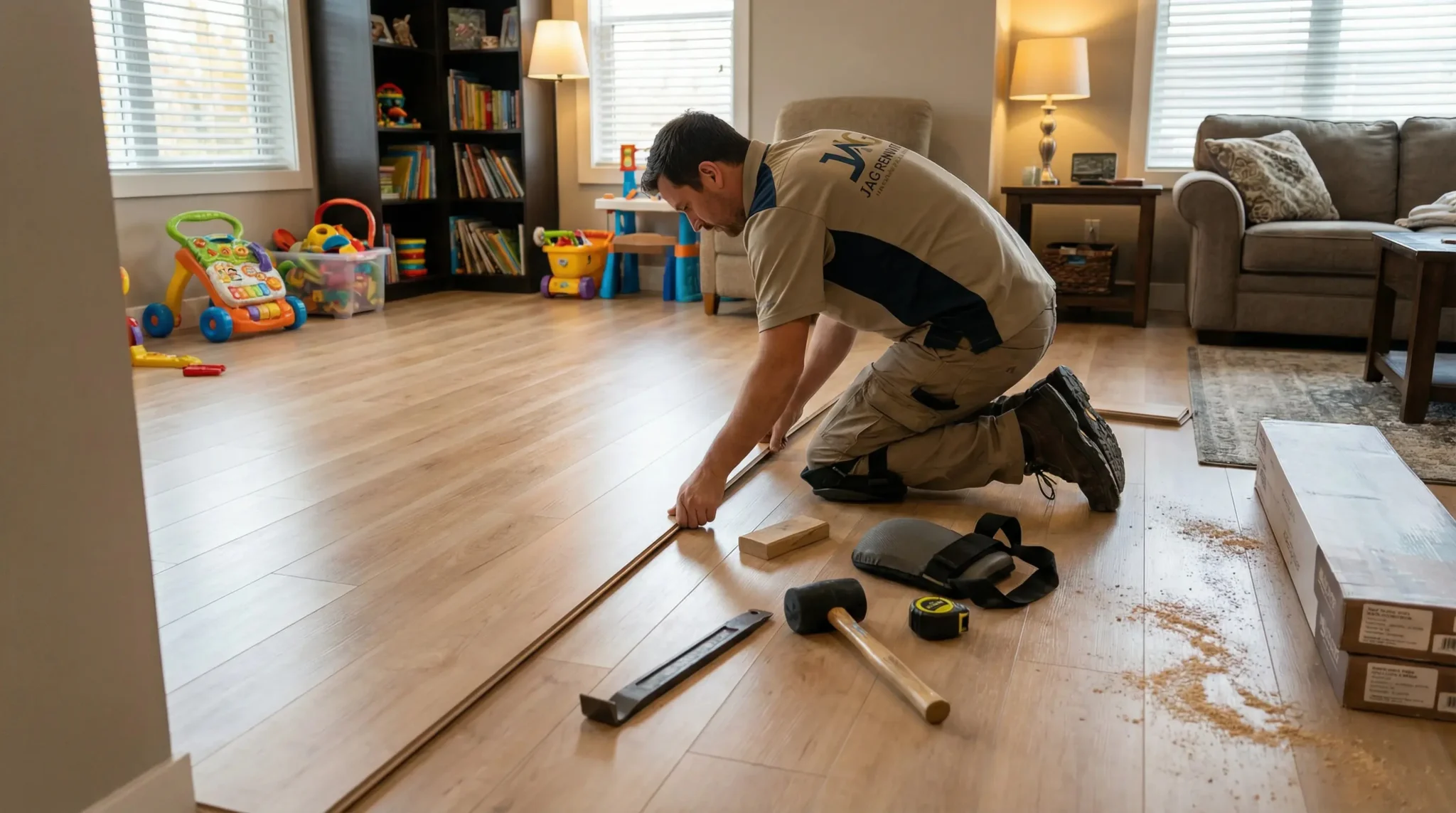
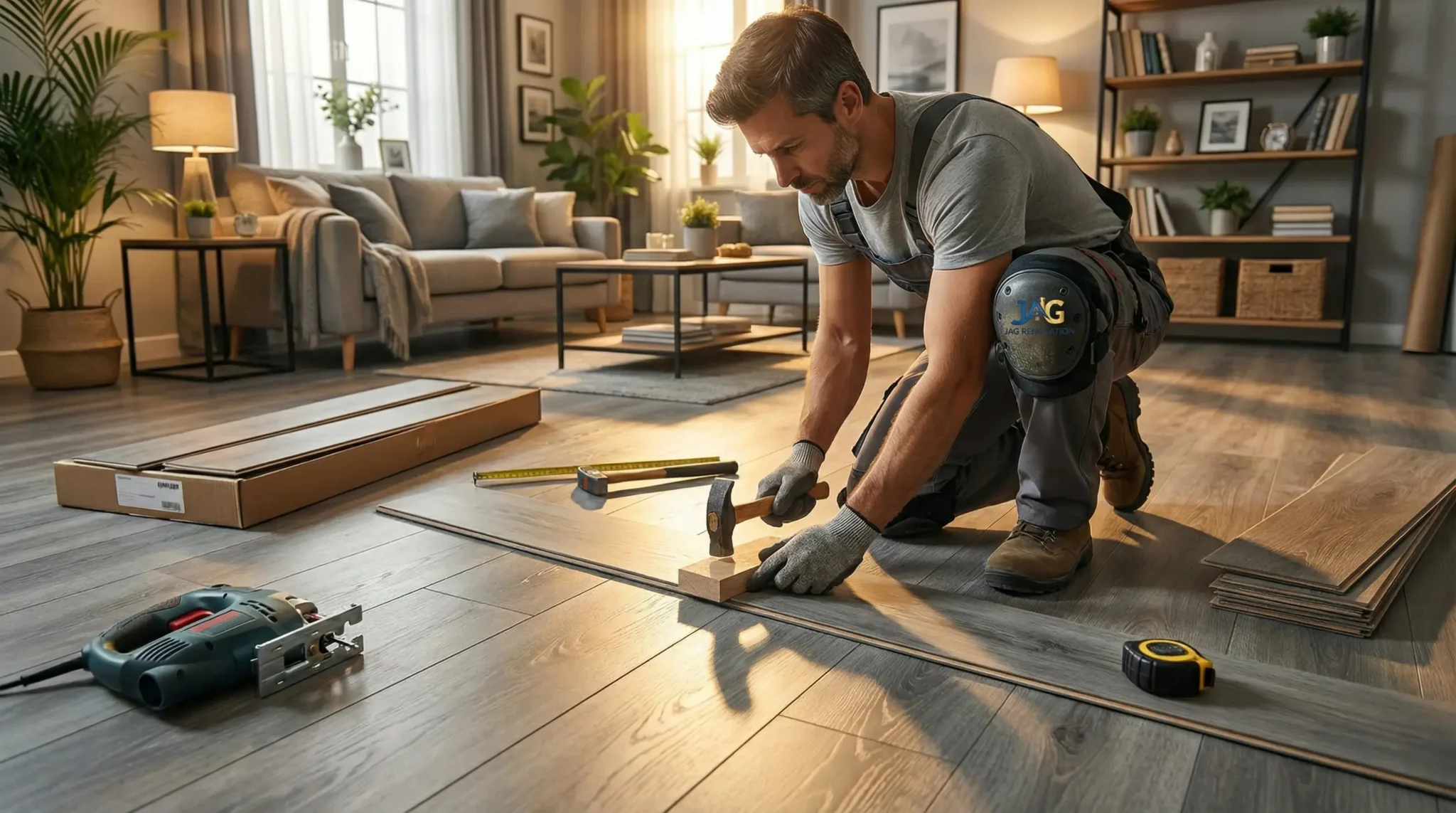
Once you’re ready to move forward, we schedule the job and stick to it. We prep the subfloor properly, handle moisture barriers if you’re installing in a basement or bathroom, and install your flooring with the kind of attention that keeps it looking good years from now. We clean up completely when we’re done. You’re left with new floors and none of the mess or stress that usually comes with a renovation.
Ready to get started?
We install hardwood flooring for homeowners who want that classic look and the resale value that comes with it. We install luxury vinyl tile and vinyl plank flooring for kitchens, bathrooms, and basements where moisture resistance matters. We handle ceramic tile and porcelain tile for spaces that need serious durability. Laminate flooring for budget-conscious projects that still need to look sharp. Carpet for bedrooms and living areas where comfort is the priority.
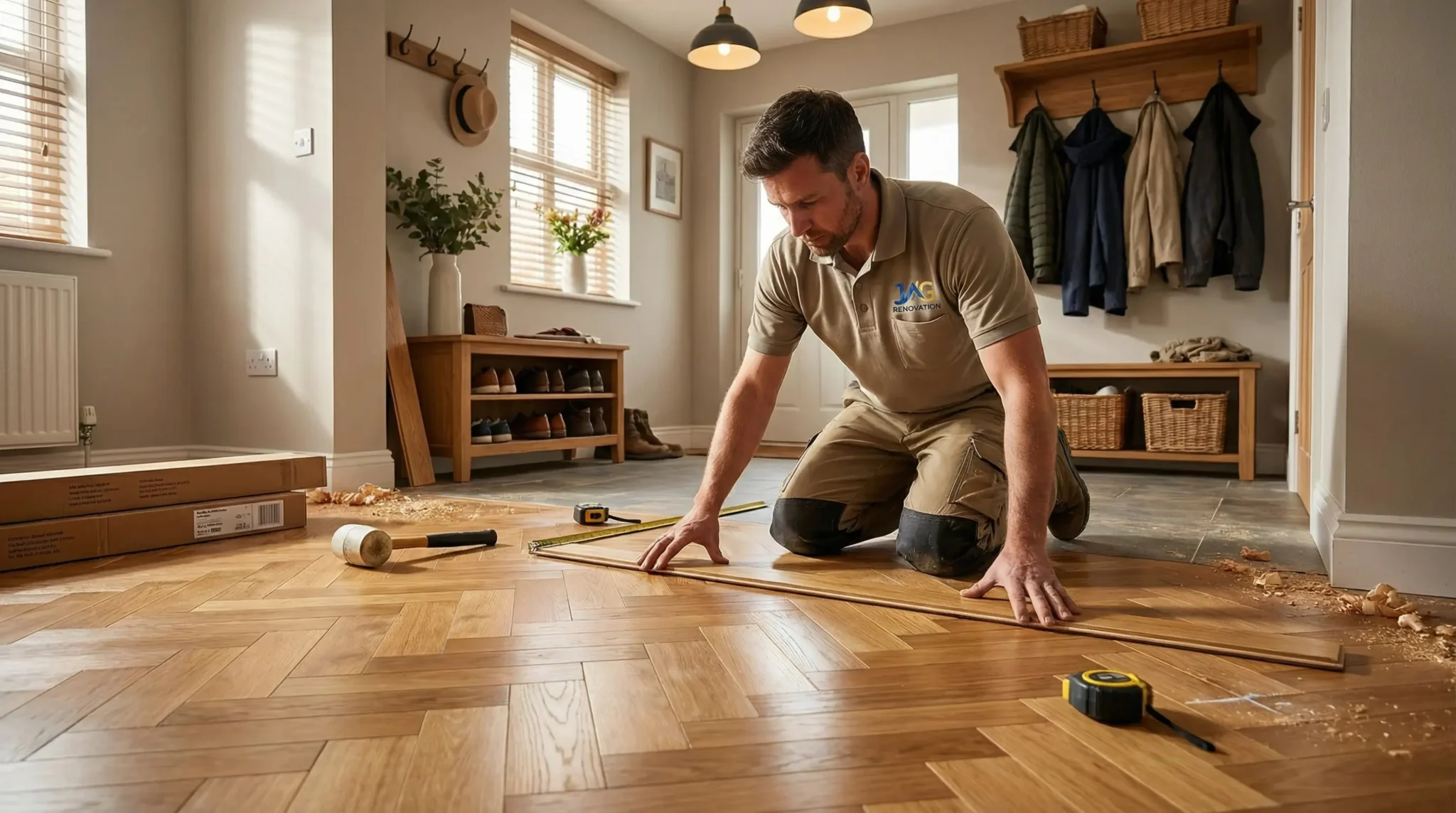
Sayville homes vary—some are newer builds near the water, others are older colonials with original hardwood that needs replacing. We’ve worked in both. We know how to handle uneven subfloors in older homes. We know when to recommend engineered hardwood over solid in high-moisture areas. We know which tile works best for Long Island’s freeze-thaw cycles if you’re doing an entryway or mudroom.
You’re not getting a one-size-fits-all approach. You’re getting a flooring contractor who matches the material and the method to your specific home, your specific rooms, and your specific goals for the space.

It depends on the size of the space, the type of flooring you choose, and the condition of your subfloor. Vinyl and laminate flooring installation typically run lower than hardwood or tile because the material costs less and installs faster. Tile floor installation costs more due to labor intensity and materials, especially if you’re using natural stone or large-format porcelain.
For a standard bedroom in Sayville, you might spend anywhere from $1,500 to $4,000 depending on material choice. A full main floor could range from $8,000 to $20,000 or more. If your subfloor needs significant repair or leveling, that adds to the cost—but it’s not optional if you want your new floor to last.
We give you a transparent quote upfront so you know exactly what you’re paying for. No surprises, no hidden fees, no pressure to go with the most expensive option. Just honest numbers based on your actual project.
Moisture is your biggest enemy near the water, so you want flooring that can handle humidity without warping, buckling, or growing mold underneath. Luxury vinyl tile and vinyl plank flooring are your best bets for kitchens, bathrooms, basements, and even main living areas if moisture is a concern. They’re waterproof, durable, and they’ve come a long way in terms of realistic wood and stone looks.
Tile flooring—ceramic or porcelain—is another solid choice for high-moisture areas. It’s completely waterproof and handles temperature swings well, which matters in Sayville where you get hot, humid summers and cold winters. If you want hardwood, go with engineered hardwood instead of solid. It’s more stable in fluctuating humidity and less likely to gap or cup over time.
Carpet and solid hardwood in basements or ground-level rooms near the water? That’s asking for trouble unless your moisture barriers and ventilation are perfect. Most aren’t. We’ll tell you honestly what makes sense for your specific home and location.
A single room—bedroom, bathroom, office—usually takes one to two days depending on the flooring type and any prep work needed. Vinyl and laminate flooring installation goes faster than tile or hardwood because there’s less labor involved. Tile takes longer due to setting time for mortar and grout. Hardwood takes longer if we’re sanding and finishing on-site, though prefinished hardwood speeds things up.
A whole main floor might take three to seven days depending on square footage, layout complexity, and whether we’re working around furniture or need to move between rooms in phases. If your subfloor needs leveling or repair, add another day or two.
We give you a realistic timeline upfront and we stick to it. No disappearing for days, no dragging a two-day job into two weeks. We schedule your project, show up on time, and finish when we say we will. You’ll know exactly what to expect before we start.
Yes, and here’s why it matters. Suffolk County requires all home improvement contractors to hold a valid license. That license means the contractor understands local building codes, carries proper insurance, and has been vetted by the county. If something goes wrong—bad install, property damage, injury on the job—you’re protected if you hired a licensed contractor. If you didn’t, you’re on your own.
Unlicensed contractors are one of the most frequent violations cited in Suffolk County. They’re cheaper upfront because they’re cutting corners on insurance, permits, and proper business practices. When the floor fails or they disappear halfway through, you have no recourse.
We’re licensed and insured in Suffolk County. You can verify that before you hire us. It’s not just a box to check—it’s your protection and proof that we’re running a legitimate business that follows the rules. Don’t skip this step to save a few hundred dollars. It’ll cost you a lot more when things go wrong.
Sometimes you can install over existing flooring, sometimes you can’t. It depends on what’s there now, what you’re installing, and the condition of everything underneath. Laminate and vinyl flooring can often go over existing vinyl or tile if the surface is smooth, level, and in good shape. Hardwood and tile usually require removal of the old flooring so we can properly prep the subfloor.
If your existing floor is uneven, damaged, or has moisture issues, we’re removing it. Installing new flooring over a bad surface just transfers those problems to your new floor. You’ll end up with buckling, cracking, or premature wear—and then you’re paying twice to fix it.
We assess this during the walkthrough at your Sayville home. We’ll tell you what needs to come up and why, and we’ll handle the removal and disposal as part of the project. No guessing, no cutting corners that come back to bite you later.
Vinyl flooring is waterproof. Laminate flooring is not. That’s the biggest difference and usually the deciding factor. Vinyl—whether it’s luxury vinyl tile or vinyl plank—can handle water, moisture, spills, and humidity without swelling or warping. Laminate has a wood-based core that will swell and buckle if it gets wet, even from a spill that sits too long.
Vinyl tends to be softer underfoot and quieter. Laminate is harder, more rigid, and can feel and sound more like real hardwood. Vinyl generally lasts longer in high-traffic or high-moisture areas. Laminate can look slightly more realistic in terms of wood grain texture, but modern vinyl has closed that gap significantly.
For Sayville homes, especially near the water or in basements, vinyl is usually the smarter choice. For second-floor bedrooms or living rooms where moisture isn’t a concern and you want that harder wood feel, laminate works well. We walk you through both options based on where you’re installing and how you use the space.