
Hear from Our Customers
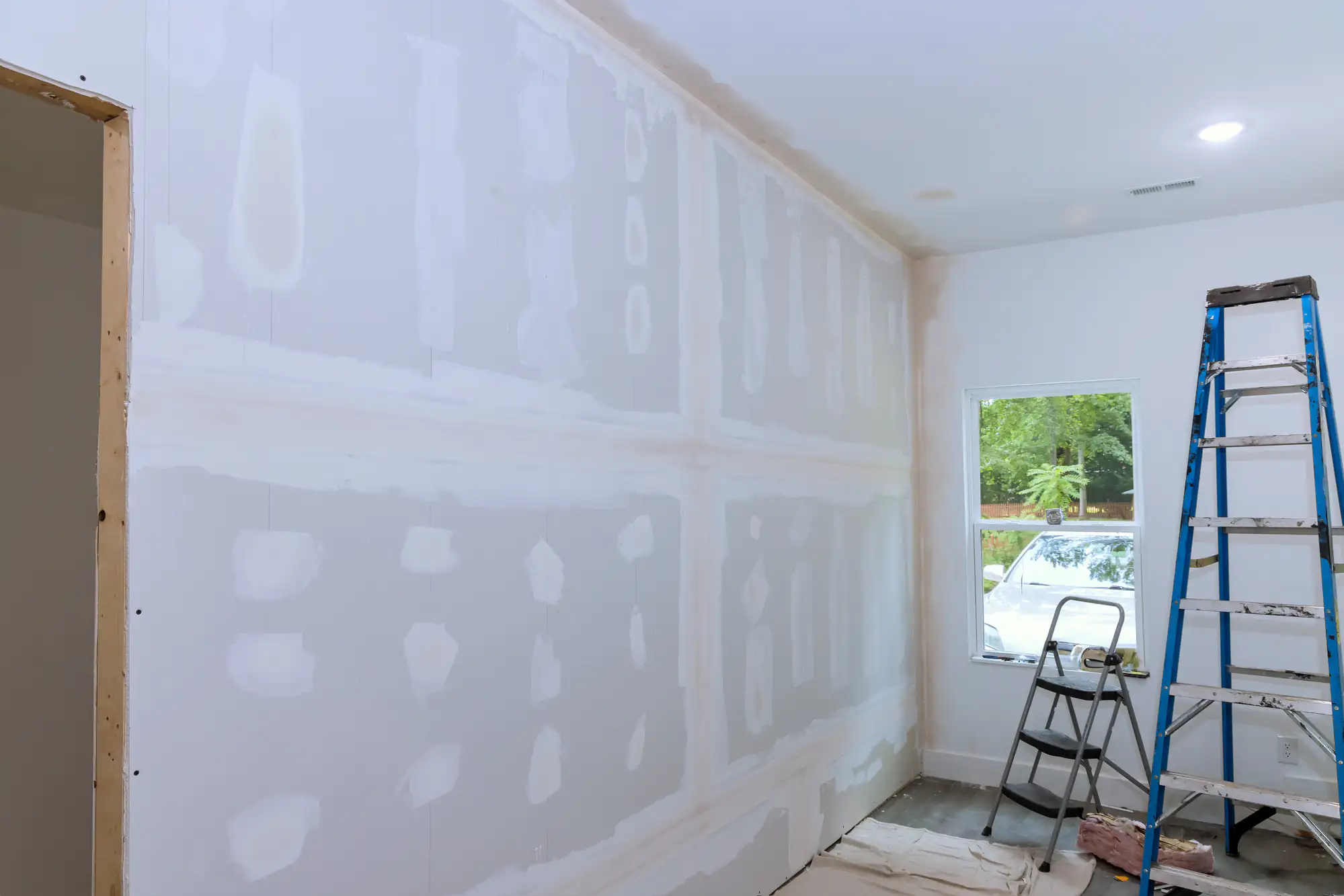
Your walls should disappear into the background. Seams shouldn’t show. Textures should match. The finish should be smooth enough that paint goes on clean and stays looking good for years.
That’s what happens when a sheetrock contractor knows what they’re doing. You’re not dealing with wavy surfaces, visible joints, or corners that crack six months later. You’re getting walls that look professional because they were installed by someone who’s done this hundreds of times.
We’ve spent nearly a decade working on homes across Suffolk County. We know how Long Island homes are built. We know the moisture issues that come with being this close to water. And we know how to install and finish drywall so it holds up under those conditions.
You’ll notice the difference when the job’s done. Walls are smooth. Corners are crisp. The texture blends with what’s already there. It looks like it’s always been part of your home.
We’ve been doing interior renovations in Amityville and throughout Suffolk County since 2016. Sheetrock is one of those things most contractors either rush through or avoid entirely when it’s a small repair. We do both—the full basement finishing jobs and the single-wall patch work that other companies won’t touch.
What keeps people calling us back isn’t just the quality of the work. It’s how we handle the process. You’ll know what the job costs before we start. You’ll know how long it takes. And when we’re done, your house won’t look like a construction zone.
We’re licensed and insured. We follow building codes. And we’ve worked in enough Amityville homes to know what older houses need and how newer construction should be handled. You’re not getting a crew that learned drywall last month—you’re getting experienced professionals who do this work every day.
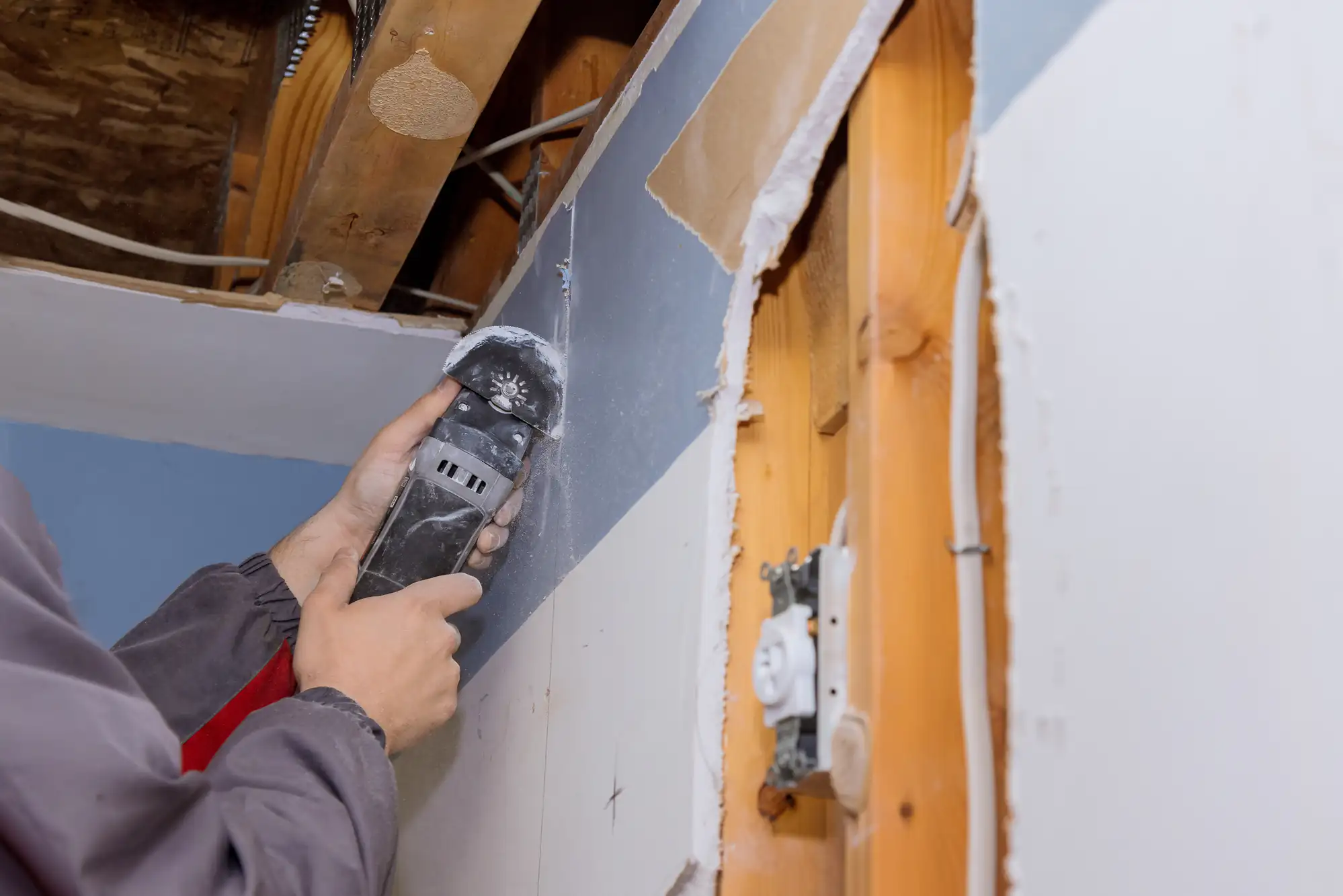
First, we look at what you need done. If it’s new installation, we measure and plan the layout to minimize seams and waste. If it’s a repair, we assess the damage—especially if there’s water involvement, which is common in Long Island homes. We’ll tell you what needs to be replaced versus what can be fixed.
Once we start, we handle demo if needed, then install the sheetrock sheets. Hanging drywall correctly matters more than most people realize. Proper fastener spacing, correct panel orientation, and tight seams all affect how the finished wall performs. We use the right screws, the right spacing, and the right technique.
After installation comes taping and mudding. This is where bad drywall jobs fall apart. We apply drywall taping compound in layers—each one gets smoothed, dried, and sanded before the next goes on. It takes time, but it’s the only way to get seams that truly disappear.
The final step is finish sanding and texture matching if you’re blending into existing walls. We can match knockdown, orange peel, or smooth finishes so you can’t tell where the old wall ends and the new one begins. When we’re done, it’s ready for primer and paint.
Ready to get started?
We handle the full scope of sheetrock work. New construction and full room installations, basement finishing, ceiling repairs, and water damage restoration. If it involves drywall, we’ve done it in homes throughout Amityville and Suffolk County.
For residential sheetrock installation, that means proper prep work, clean cuts around outlets and fixtures, and attention to detail on corners and edges. We protect your floors and furniture. We contain dust as much as possible. And we clean up completely when we’re done—not just sweep-the-big-stuff clean, but actually clean.
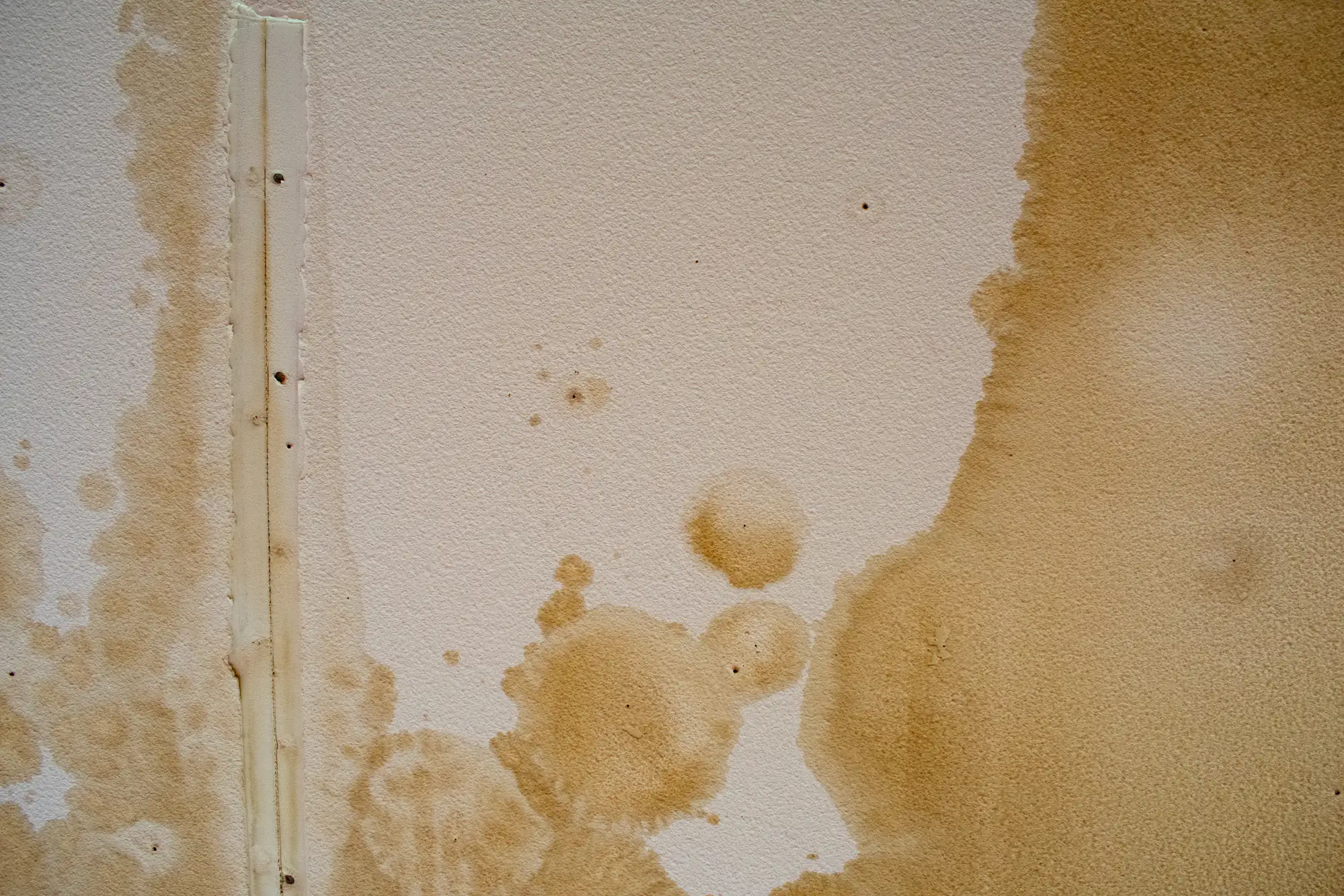
Amityville homes, especially older ones near the water, deal with humidity and occasional water intrusion. We see a lot of ceiling damage from roof leaks and bathroom moisture issues. When we repair water-damaged drywall, we don’t just patch over the problem. We make sure the source is fixed, check for mold, replace any compromised material, and then restore the surface properly.
Texture matching is another thing we do that most drywall contractors skip or do poorly. If you’re repairing one wall in a room, the new section needs to blend with the existing texture. We take the time to match it right so you’re not stuck repainting the entire room just to hide the repair.
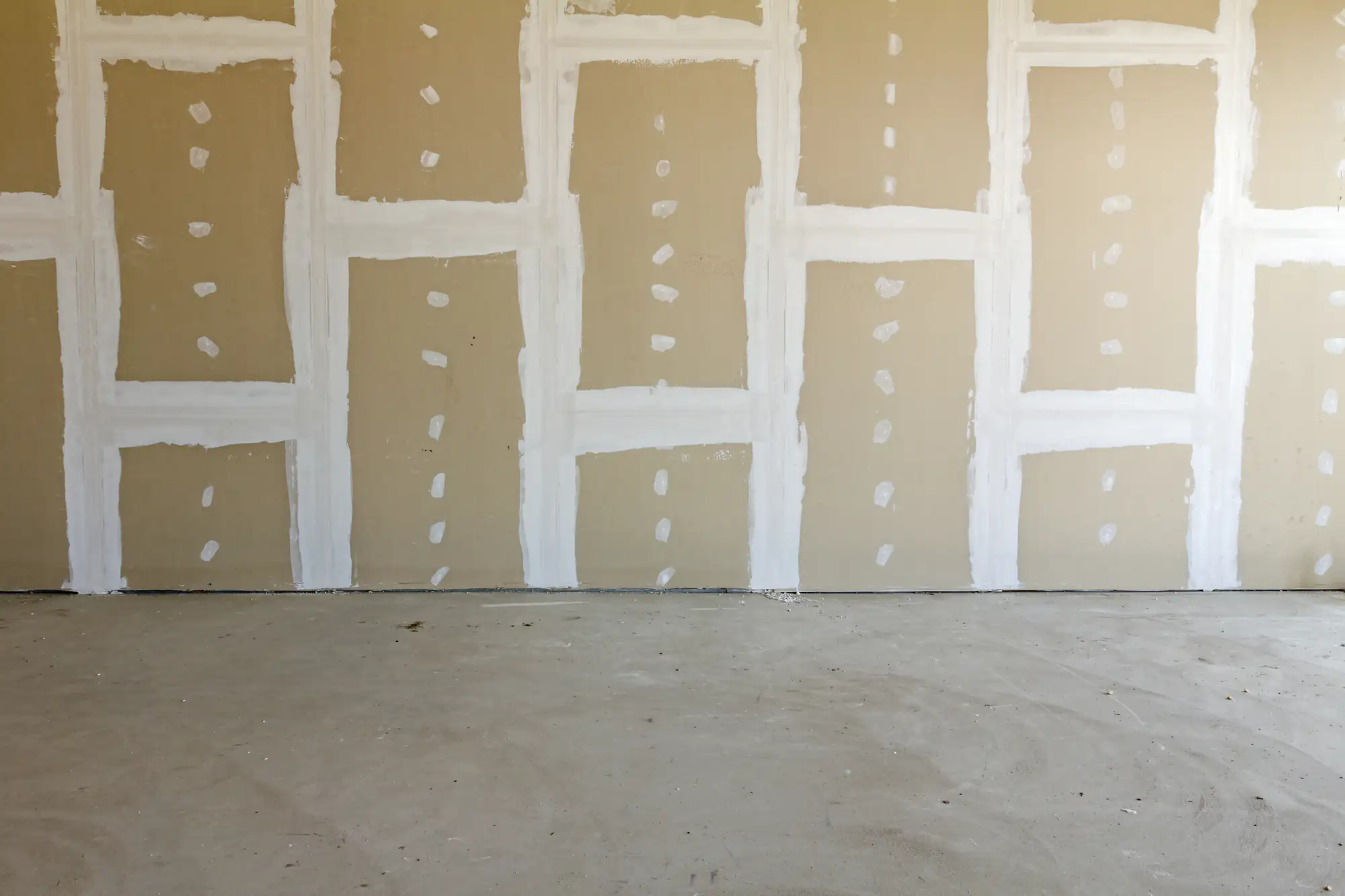
Small repairs—a patch, a single damaged section, a ceiling fix—can often be completed in a day, though drying time for joint compound means the surface won’t be ready to paint until the next day. The actual work might only take a few hours, but we’re not rushing through the taping and mudding process just to say it’s done.
Full room installations or larger projects take longer. A basement finishing job might take several days depending on size and complexity. Each coat of drywall taping compound needs time to dry before we can sand and apply the next layer. Trying to speed that up just results in poor quality work that shows seams and imperfections.
We’ll give you a realistic timeline when we look at your project. If you’ve got a hard deadline, we’ll tell you upfront whether it’s doable. Most homeowners in Amityville care more about getting it done right than getting it done fast, and that’s how we approach every job.
A patch works when the damage is contained to a small area and the surrounding drywall is solid. We cut out the damaged section, install backing support, fit in a new piece, tape the seams, apply joint compound, and finish it to match. It’s less invasive and costs less than replacing entire panels.
Full panel replacement makes sense when damage is widespread, when there’s structural issues with the studs behind the wall, or when water damage has compromised a large section. Trying to patch extensively damaged drywall just means you’ll be calling someone back in six months when it fails. We’ll tell you honestly which approach your situation needs.
In Long Island homes, we see a lot of water damage that looks small on the surface but has spread behind the drywall. We check the extent of damage before recommending patch versus replacement. Sometimes what looks like a simple fix actually needs more attention, and we’d rather tell you that upfront than have you discover it later.
Yes. Texture matching is part of what we do on every repair job that involves blending new work into existing surfaces. Whether your walls have knockdown texture, orange peel, skip trowel, or a smooth finish, we can replicate it so the repair blends in.
This matters more than most people realize. You can have perfectly installed and finished drywall, but if the texture doesn’t match, it’s obvious where the repair was done. That means you’re either living with a visible patch or repainting the entire room to hide it.
We keep the tools and materials needed to match common textures. For unusual or custom textures, we’ll do test sections to get it right before applying it to the actual repair. The goal is that once it’s painted, you shouldn’t be able to tell where the new work is. That’s what professional drywall repair looks like.
Water damage is one of the most common reasons Amityville homeowners call us for sheetrock repair. Roof leaks, plumbing issues, bathroom moisture, and humidity problems all cause drywall damage. We handle the full repair process once the water source is fixed.
First step is assessing how far the damage extends. Water travels behind walls and can affect areas that don’t show visible damage yet. We check for soft spots, staining, and any mold growth. If mold is present, that gets addressed before we do any drywall work.
Then we remove and replace the damaged sections. Water-compromised drywall can’t be saved—it needs to come out. We install new material, finish it properly, and make sure the area is sealed and painted to prevent future moisture issues. Living this close to the water means Long Island homes need drywall that’s installed with moisture in mind, and that’s how we approach these repairs.
Small repairs typically run a few hundred dollars. Full room installations, basement finishing, or larger renovation projects cost more and depend on square footage, ceiling height, and complexity. We price jobs based on what’s actually involved, not by trying to upsell you on things you don’t need.
You’ll get a clear estimate before we start. No hidden fees, no surprise charges, no pressure tactics. We look at the job, tell you what it costs, and let you decide. That’s part of our “Excellence Built In, Extra Cost Left Out” approach—you should know what you’re paying and what you’re getting for it.
Cost factors include materials, labor, prep work, number of compound coats needed, texture matching, and cleanup. A water damage repair costs more than a simple patch because there’s more involved. A basement finishing project costs more than a single wall because it’s more work. We’ll break down the pricing so you understand what you’re paying for.
Yes. We’re licensed and insured to do renovation work throughout Suffolk County, including all sheetrock installation and repair services. That protects you if something goes wrong and ensures the work meets local building codes and standards.
A lot of handymen and unlicensed contractors do drywall work in Amityville. That’s fine until there’s a problem—then you find out they’re not insured, the work doesn’t meet code, or they’re not around to fix issues. We’ve been called in to redo plenty of bad drywall jobs that homeowners paid for twice.
Licensing and insurance matter for your protection and for the quality of work you receive. It means we’re accountable. It means the job is done to code. And it means if there’s ever an issue, you’re covered. That’s basic professional responsibility, and it’s how we’ve operated since we started serving Suffolk County homeowners nearly a decade ago.