
Hear from Our Customers
You’re not looking for the cheapest bid. You’re looking for walls that don’t crack in six months, seams that don’t show through paint, and corners that actually line up.
That’s what separates a drywall installation contractor who knows their craft from someone just trying to get through the day. The difference shows up after the first winter, after the house settles, after you’ve lived with it long enough to notice what’s wrong.
Good sheetrock work disappears. You don’t see ridges under the paint. You don’t feel bumps when you run your hand along the wall. The room just looks clean and feels solid. That’s the standard for residential sheetrock installation, and it’s what you should expect when you’re paying someone to work inside your home in Bohemia.
We’ve been handling interior renovations across Bohemia and Suffolk County since 2016. We’re not subbing out the work or running three jobs at once while yours sits half-done.
When you call us, the person who answers the phone is the same person showing up to your house. That’s how we operate. No bait-and-switch crews, no disappearing acts between demo and finish.
Bohemia homeowners deal with the same things most of Long Island does—older homes that shift, moisture issues from coastal weather, and previous work that wasn’t done right the first time. We’ve seen it all, fixed most of it, and we’re straightforward about what your walls actually need versus what someone’s trying to upsell you on.
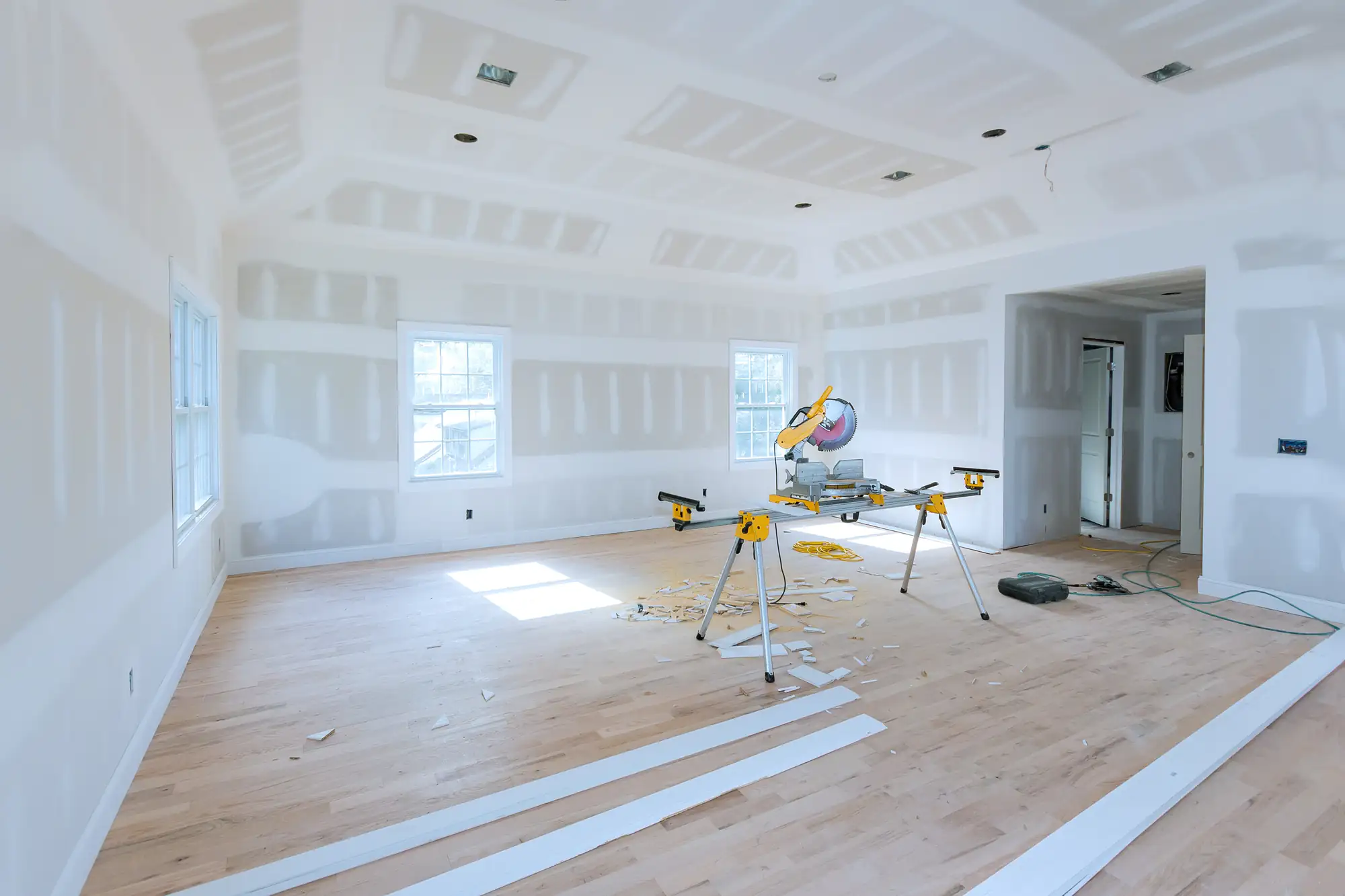
First, we look at what you’re dealing with. If it’s new construction or an addition, we’re measuring, planning layout, and ordering materials that match the existing structure. If it’s sheetrock repair, we’re assessing whether it’s a patch job or if surrounding areas need attention too.
Then comes installation. Sheets go up, fasteners are placed correctly so they don’t pop later, and seams are positioned where they’ll cause the least trouble down the road. This step matters more than most people realize—it’s where bad work starts.
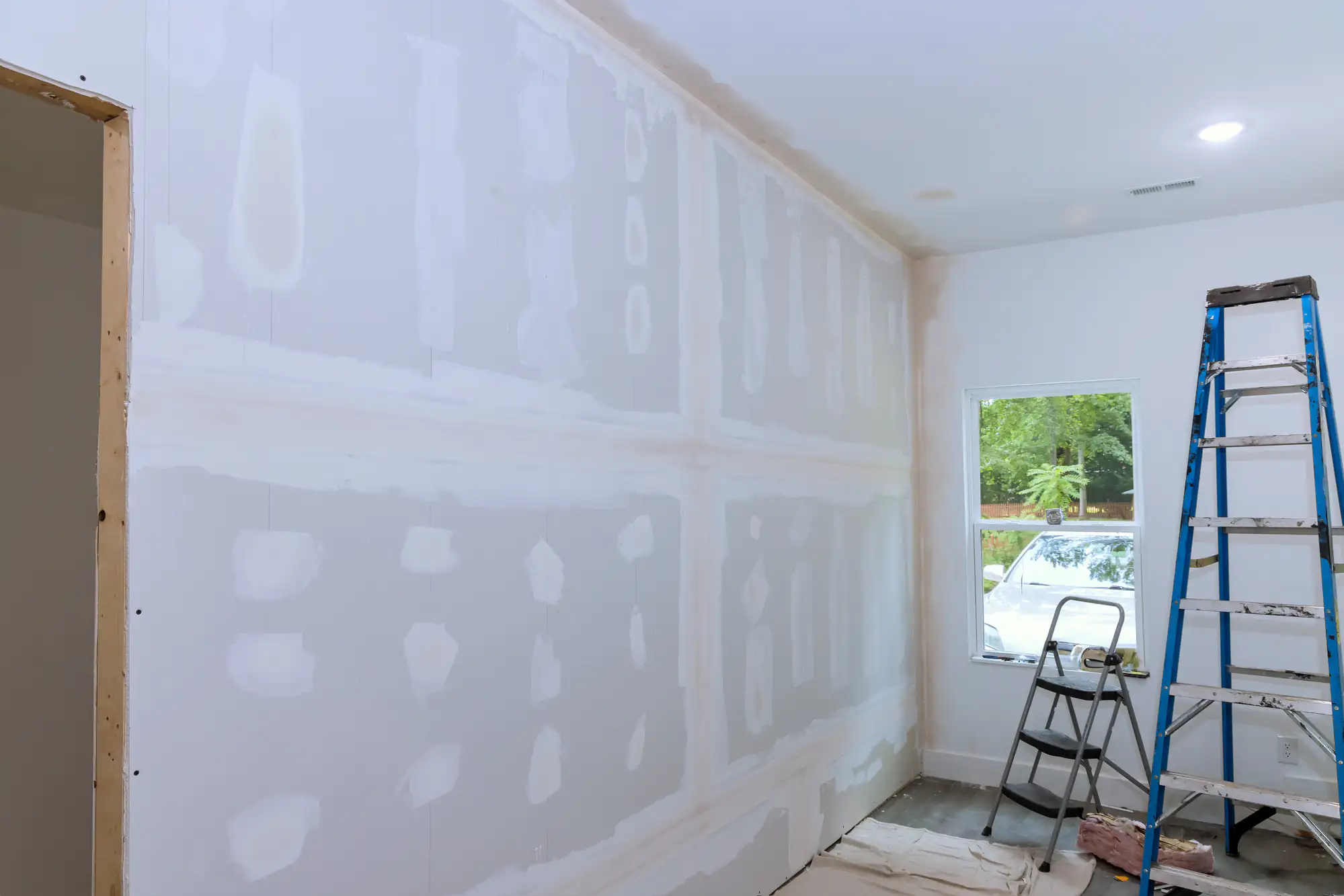
Next is taping and mudding. Multiple coats, proper drying time between each, and sanding that doesn’t leave waves or divots. Drywall taping compound gets applied in layers, not dumped on all at once. Corners get reinforced. Everything gets checked under a work light because that’s how you catch imperfections before paint goes on.
Finally, we clean up and do a walkthrough. You see the work, ask questions, and make sure it’s what you expected. No surprises, no “we’ll come back and fix that later.”
Ready to get started?
Sheetrock installation services cover more than just hanging sheets. You’re getting proper framing assessment, moisture barrier checks if needed, and material selection that makes sense for your space. In Bohemia, that often means accounting for humidity levels and how your home’s existing structure will interact with new drywall.
For commercial drywall installation, the scope expands to fire-rated materials, soundproofing considerations, and code compliance that’s stricter than residential work. We handle both, and we’re clear about which requirements apply to your project.
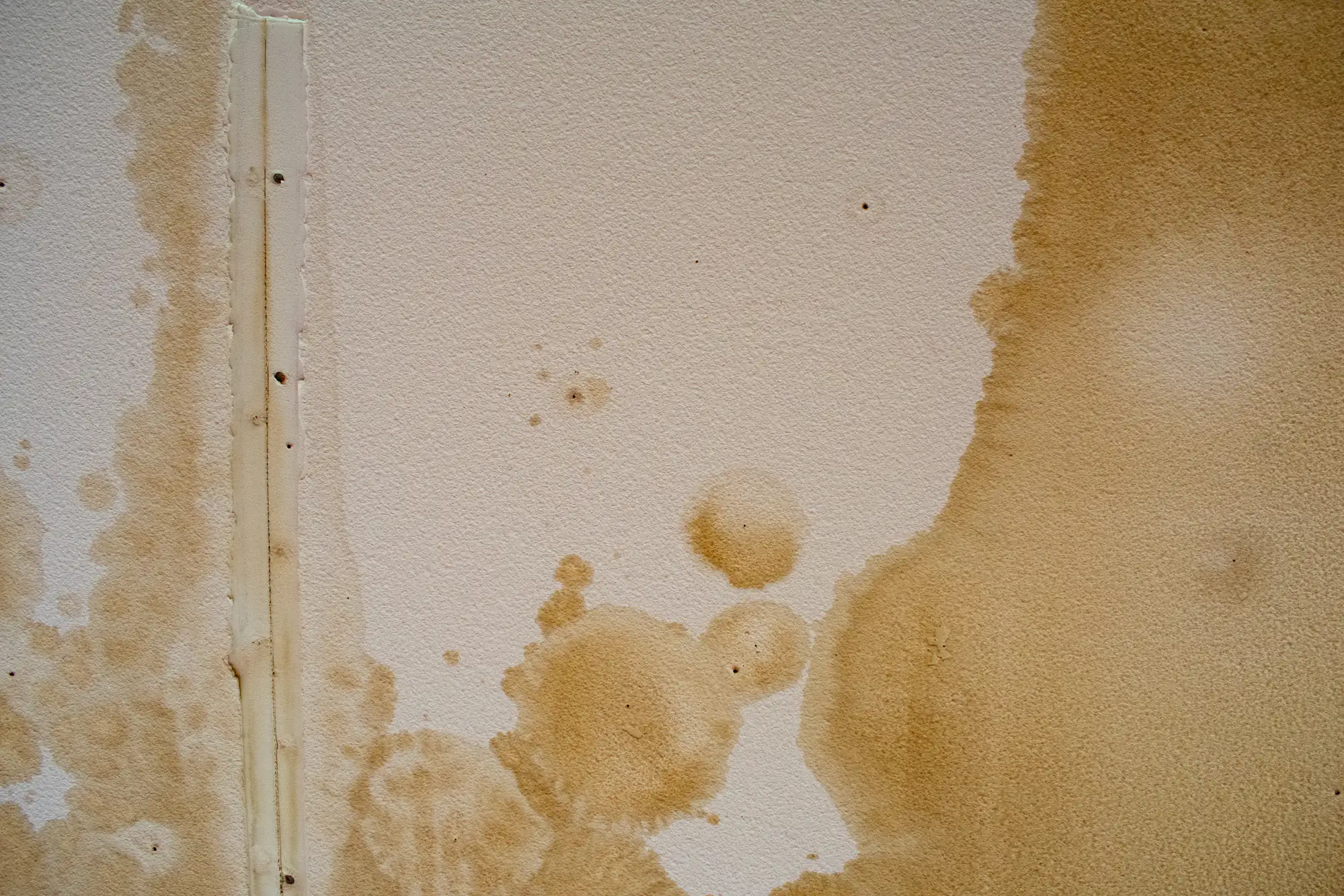
Repair work ranges from small patches—fixing holes from removed fixtures or accidental damage—to full wall replacement after water damage or structural issues. A local drywall contractor who’s been working in Suffolk County knows the difference between a cosmetic fix and a repair that needs to address underlying problems. We’re not covering up issues that’ll come back worse in a year.
The finish level matters too. If you’re painting, you need a smooth surface. If you’re texturing or applying wallpaper, the prep work changes. We adjust the process based on what’s happening after we leave, so the next contractor isn’t dealing with a mess or redoing our work.
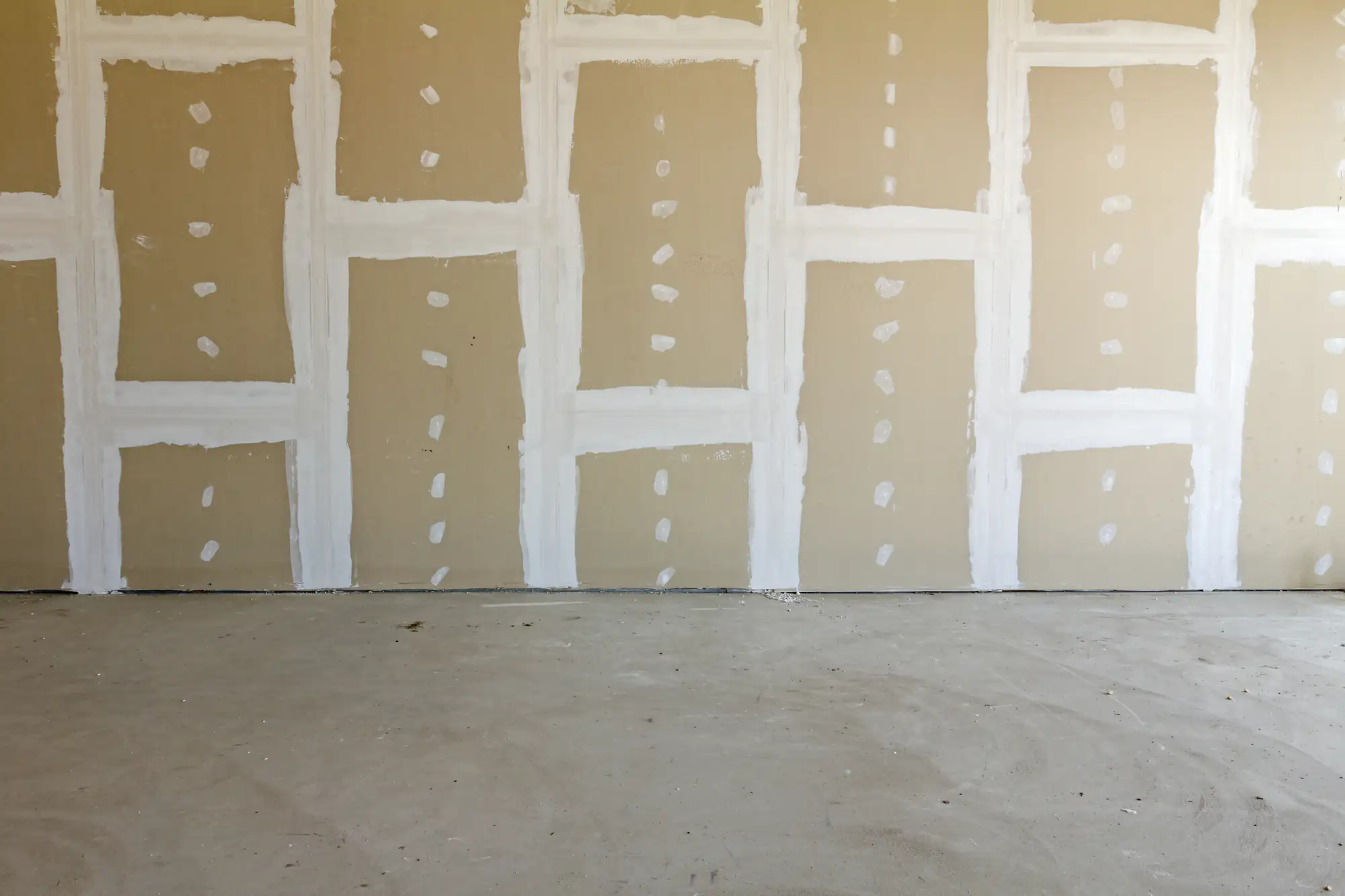
A standard bedroom or living room usually takes two to four days from start to finish. That includes hanging the sheets, taping, applying multiple coats of compound, sanding, and cleanup.
The timeline stretches if we’re dealing with water damage, structural repairs, or if previous work needs to be torn out first. Each coat of drywall taping compound needs to dry completely before the next one goes on—rushing that process guarantees problems later.
If you’re working with a sheetrock contractor who promises same-day or next-day completion, they’re either skipping steps or not doing finish work. The mud needs time to cure. There’s no shortcut that doesn’t compromise the final result.
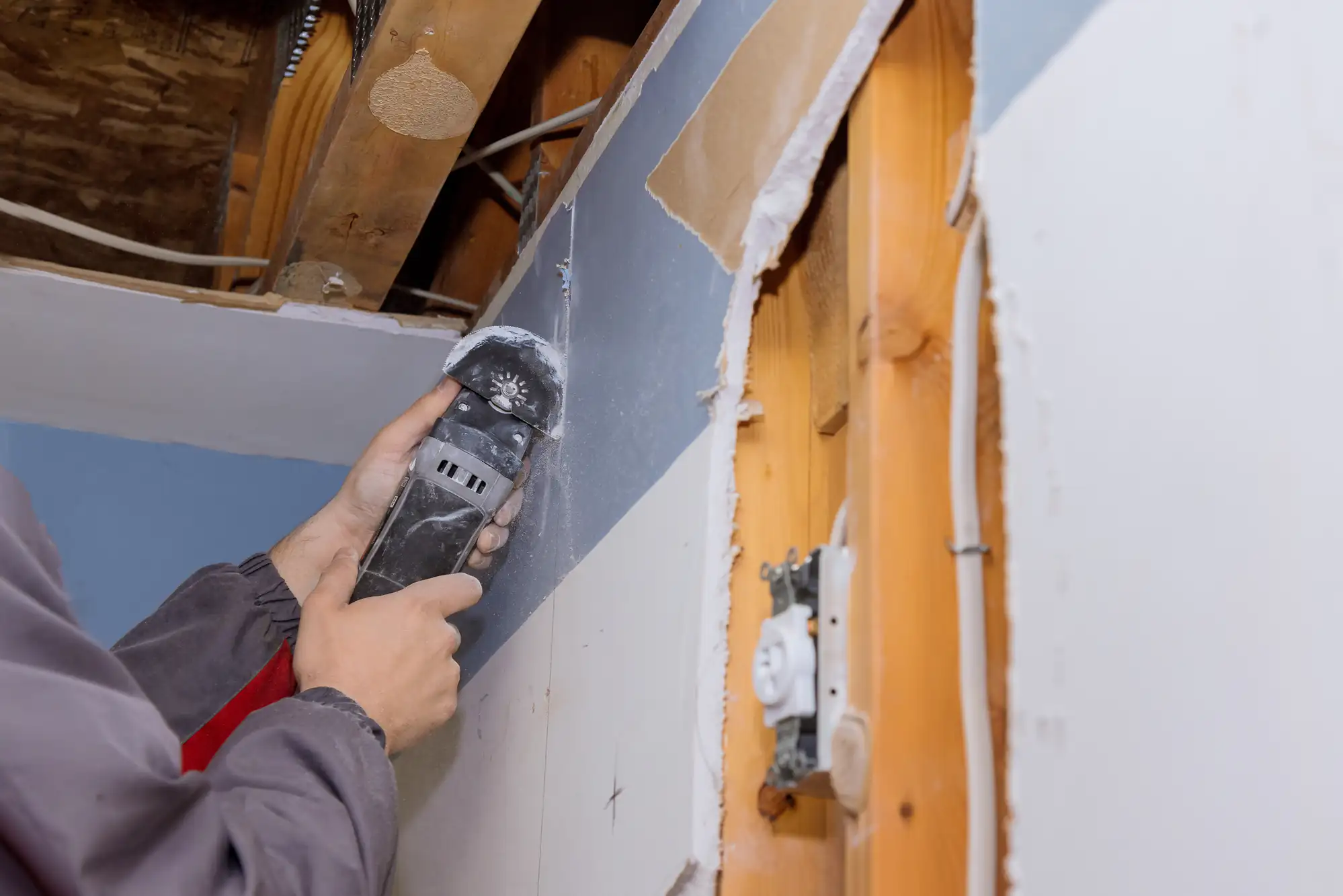
A patch works when the damage is isolated and the surrounding drywall is solid. Small holes, minor cracks, or damage from removed fixtures usually qualify. We cut out the damaged section, fit in a new piece, tape the seams, and finish it to match the existing wall.
Full replacement makes sense when you’re dealing with widespread water damage, major cracks that indicate structural issues, or walls where previous repairs have failed multiple times. If more than 30% of a wall is compromised, replacement is often faster and more cost-effective than trying to patch around problems.
The decision comes down to what’s happening behind the drywall. If the framing is damaged, insulation is soaked, or mold is present, a patch just hides the issue temporarily. We’ll tell you when replacement is the smarter move, even if it costs more upfront.
Yes. Residential sheetrock installation is what most homeowners need—standard thickness sheets, typical finish levels, and straightforward layouts. We handle everything from single-room repairs to whole-house renovations.
Commercial drywall installation involves different materials and requirements. Fire-rated drywall for certain spaces, soundproofing between units or offices, and compliance with commercial building codes that don’t apply to residential work. The finish standards are often higher too, especially in client-facing spaces.
The process is similar, but the stakes are different. Commercial projects have tighter deadlines, more coordination with other trades, and inspections that residential jobs don’t face. We’ve handled both throughout Suffolk County, so we know what each type of project requires and how to deliver it without surprises.
Sheetrock repair searches usually mean you’re dealing with specific damage, not a full room. Small repairs—patching a hole from a doorknob or fixing a crack—typically run a few hundred dollars depending on size and finish requirements.
Larger repairs, like fixing water damage across a section of wall or replacing damaged areas after plumbing work, cost more because they involve more material, labor, and finish work to blend the repair with existing surfaces. If the repair requires addressing underlying issues like mold remediation or framing repairs, costs increase accordingly.
Full installation for a room starts higher but gives you a completely fresh surface. If you’re already repairing multiple areas in the same room, replacement often makes more financial sense than piecing together repairs that might not match perfectly. We’ll walk through both options and show you the cost difference so you can make an informed decision.
Start with licensing and insurance. A drywall installation contractor working in New York should carry proper coverage and be willing to show you proof. If they hesitate or say they’re working under someone else’s license, that’s a red flag.
Ask about their process. How many coats of compound do they apply? What’s their sanding method? Do they use a work light to check for imperfections? These questions separate contractors who understand the craft from those just trying to get through jobs quickly.
Check how they handle the estimate. If they’re giving you a price without seeing the space or asking about what’s behind the walls, they’re guessing. Good sheetrock installation services involve assessment first, then pricing based on actual conditions. And if the price seems unusually low compared to other bids, there’s usually a reason—and it’s not because they’re just nicer than everyone else.
Matching existing texture is possible but not always perfect, especially with older homes in Bohemia where the original texture might have been applied with techniques or materials that aren’t common anymore. We can get close, and in most cases, close enough that you won’t notice unless you’re specifically looking for differences.
Smooth finishes are easier to match because the goal is simply a flat, even surface. Textured finishes—popcorn, knockdown, orange peel—require more skill and sometimes trial and error to replicate exactly. We’ll do a test section if you’re concerned about the match.
The bigger challenge is matching paint sheen and color after the repair is done. Even if we nail the texture, the repaired area will look different until it’s painted. If you’re not repainting the whole wall or room, there’s always going to be some visible difference. That’s not a drywall problem—it’s a paint problem. We’ll explain what to expect so you’re not surprised when the repair is finished but stands out until you paint.