
Hear from Our Customers
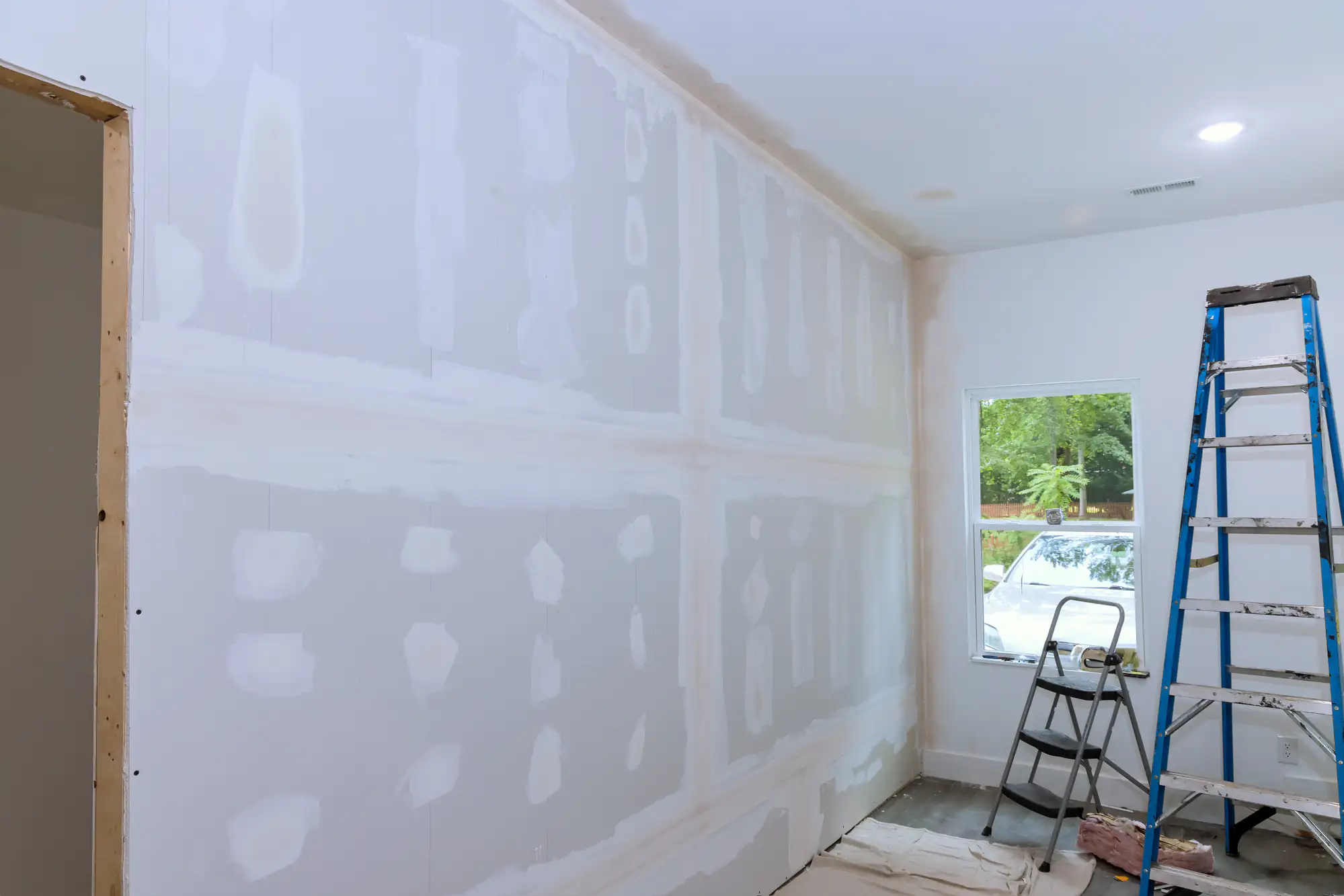
You’re looking at damaged drywall from your kitchen renovation. Or maybe you pulled tile off a bathroom wall and now you’ve got a mess to fix. Either way, you need someone who can make it look like the damage never happened.
That’s where most contractors fall short. They show up late, tack on fees you didn’t expect, or rush the taping and finishing so you’re left with visible seams and texture that doesn’t match. You end up repainting sooner than you should, or worse, calling someone else to fix what the first guy missed.
Here’s what actually matters: the sheetrock goes up square and secure. The taping compound gets applied in thin, even coats with proper dry time between each one. The finish matches your existing walls so you can’t tell where the repair starts. And when the job’s done, your space is clean and ready for paint.
No sales pitch. No upselling you on work you don’t need. Just solid drywall work that holds up and looks right.
We’ve been doing interior renovations across Center Moriches and Suffolk County for close to ten years. That means we’ve worked in older homes near the Great South Bay where settling causes cracks, and newer builds where the original drywall job was rushed and needs fixing.
We’re not the cheapest option, and that’s intentional. Cheap drywall work shows up six months later when seams crack, corners chip, or the finish bubbles under paint. You’re paying for someone who knows how to prep properly, apply joint compound in stages, and sand it smooth without gouging the paper face of the sheetrock.
Center Moriches homeowners call us because they’re tired of contractors who don’t communicate, don’t show up on time, or add surprise charges at the end. We give you a clear price upfront, stick to the schedule we agree on, and leave your home the way we found it—just with better walls.
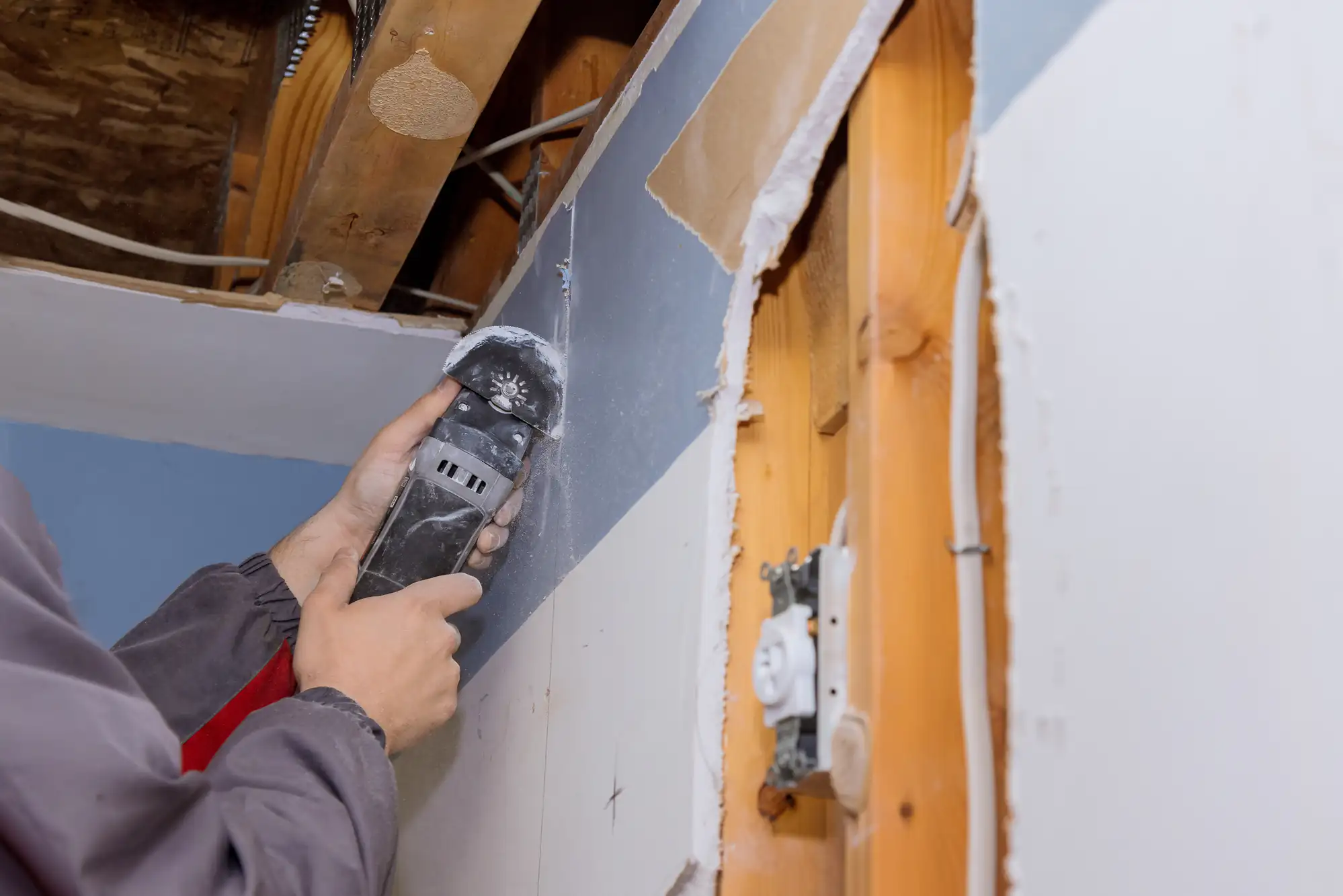
First, we assess what you’re dealing with. If it’s new installation, we measure the space and determine whether horizontal or vertical hanging makes more sense based on your ceiling height and room layout. If it’s repair work, we check for underlying issues like moisture damage or structural movement that needs addressing before we patch anything.
Next comes the actual installation. Sheetrock sheets go up with the right fastener spacing and placement to prevent popping later. Seams get taped with paper tape and a base coat of joint compound, then additional coats are applied and sanded smooth between each layer. This isn’t a one-day process if you want it done right—proper drying time between coats is non-negotiable.
The finishing stage is where experience shows. We match your existing wall texture, feather the edges so repairs blend invisibly, and make sure corners are crisp and straight. Before we leave, we clean up the dust, haul away the scrap, and walk you through what we did.
You’re left with walls ready for primer and paint. No callbacks, no touch-ups, no excuses.
Ready to get started?
Our sheetrock services cover new installation for basements, and room conversions. We also handle repairs from water damage, holes, cracks, and texture matching for older homes. If you’re doing a full remodel, we coordinate with your other trades so the drywall work happens at the right time in the sequence.
In Center Moriches, we see a lot of homes built in the mid-20th century that need repair work from settling foundations or outdated plaster-over-lath walls being converted to modern drywall. We also work in newer construction where builders cut corners and homeowners are left dealing with poor finishing or improperly secured panels.
Commercial drywall installation is part of what we do too—office build-outs, retail spaces, and multi-family units where code compliance and fire-rated materials matter. We’re insured for both residential and commercial work, and we pull permits when required.
The goal is simple: you get walls that look clean, last long, and don’t need fixing again in a year. We use quality materials, proper techniques, and we don’t rush the process to squeeze in another job.
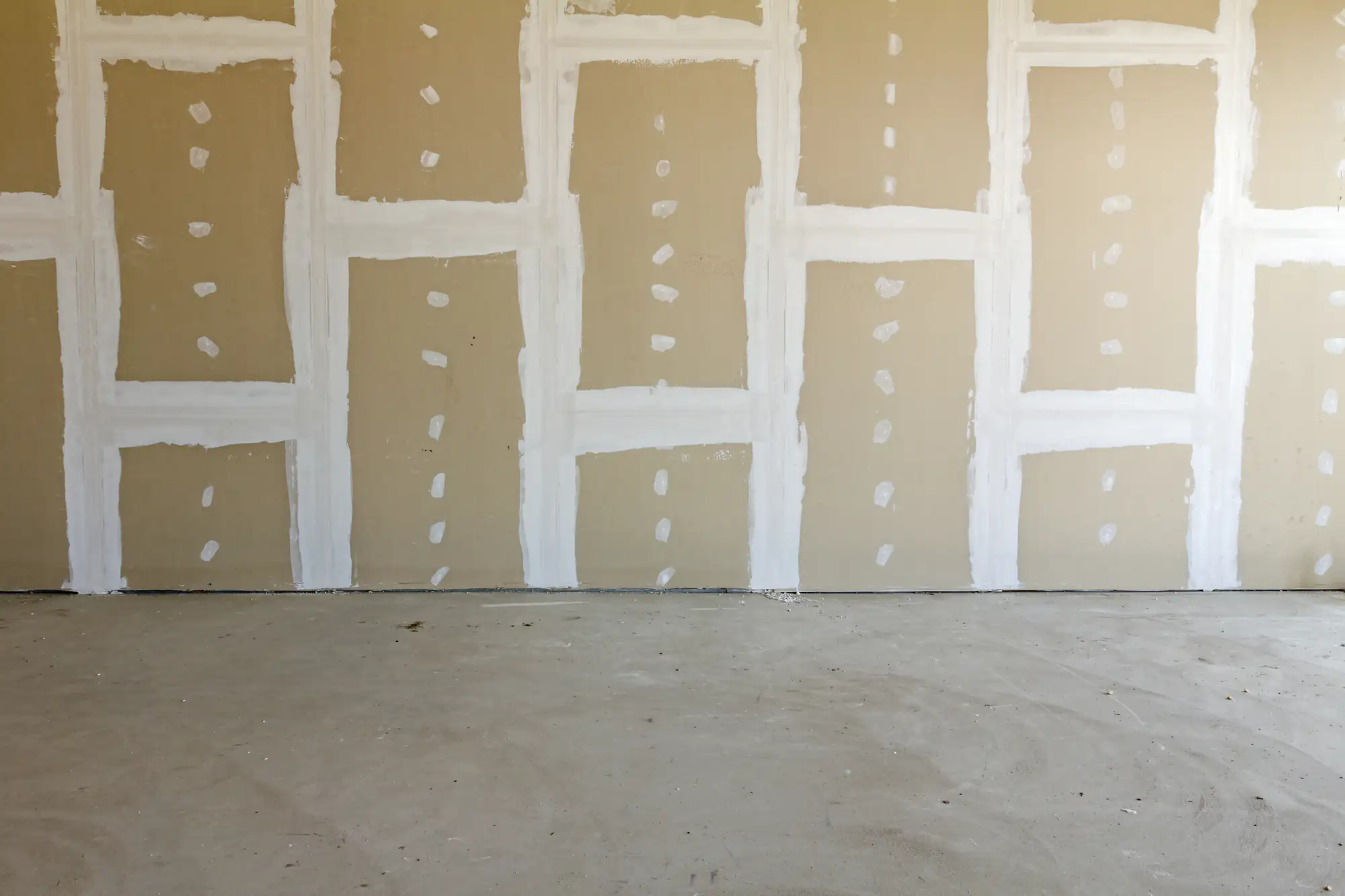
It depends on the scope, but here’s the reality: proper drywall finishing takes multiple days because joint compound needs time to dry between coats. A small repair might take two to three days from start to finish. A full room installation could take four to five days when you factor in hanging, taping, multiple coats of mud, sanding, and final touch-ups.
Anyone who tells you they can tape, mud, and finish drywall in a single day is either cutting corners or lying. Each coat of taping compound needs at least 24 hours to dry properly, and rushing this creates problems—cracking, shrinking, visible seams, and poor adhesion. You’ll end up repainting sooner or calling someone to fix it.
We give you a realistic timeline upfront based on the actual work involved. If weather or humidity affects drying time, we adjust the schedule rather than push through with wet mud. You’d rather wait an extra day than deal with a subpar finish that shows through your paint.
The difference shows up in three places: the prep, the finish, and how long it lasts. Cheap work means fewer coats of joint compound, inadequate sanding, and corners that aren’t truly square. You’ll see seams through the paint, especially in natural light or with certain paint sheens.
Quality work means the sheetrock is hung with proper fastener spacing so panels don’t sag or pop loose over time. It means using the right type of drywall for the location—moisture-resistant in bathrooms, fire-rated where code requires it. It means applying at least three coats of taping compound with full drying time between each, then sanding smooth without damaging the paper face of the drywall.
The real test is five years down the line. Quality drywall work still looks good with no cracks, no nail pops, and no seams showing. Cheap work starts failing within months—you’re repainting, patching, or calling someone else to redo what should have been done right the first time. The upfront cost difference is minor compared to fixing it later.
Yes, and this is one of those details that separates experienced drywall contractors from the rest. Matching existing texture—whether it’s orange peel, knockdown, skip trowel, or smooth—takes practice and the right tools. We bring samples of your current texture, test the pattern on scrap board, and adjust until it blends seamlessly.
Older homes in Center Moriches sometimes have plaster walls with unique textures that are trickier to replicate. We’ve worked with enough historic homes in Suffolk County to know how to approach these situations. Sometimes it means texturing a full wall rather than just the patch so the finish stays consistent.
The goal is that once your walls are painted, you can’t tell where the repair or new installation happened. That requires proper feathering at the edges, matching the texture depth and pattern, and understanding how different lighting conditions reveal imperfections. We don’t consider the job done until the texture match is invisible.
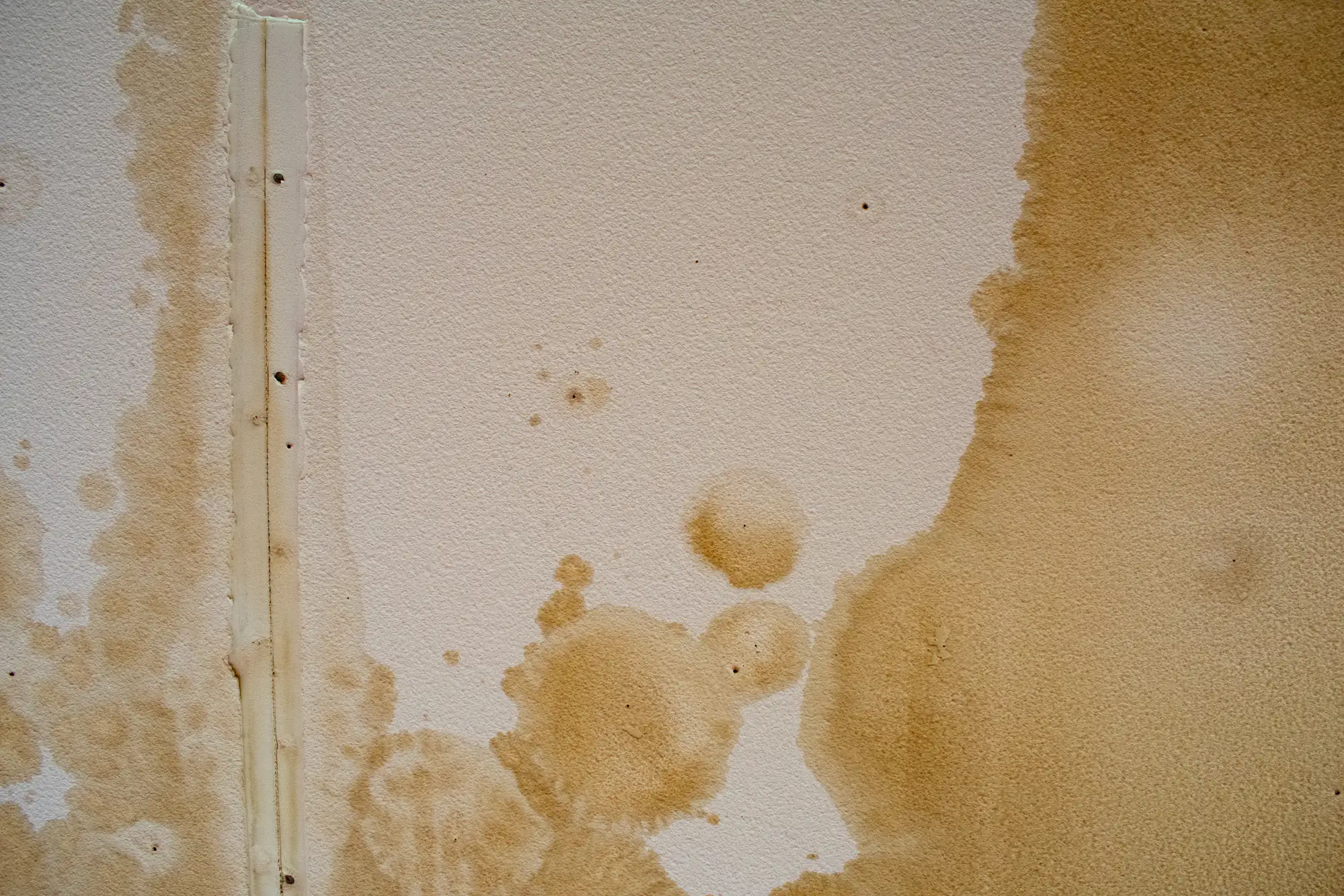
We handle both, and honestly, the small repairs often require just as much skill as the large installations. Patching a hole from a doorknob or fixing a crack above a window seems simple, but doing it so the repair disappears takes precision. You’re blending new compound into old drywall, matching texture, and making sure the patch doesn’t shrink or crack after it’s painted.
Full room installations—basements, new construction—involve more material and labor, but the process is straightforward. Hang the sheets, tape the seams, apply multiple coats of joint compound, sand smooth, and finish. The challenge is coordinating with other trades, working around electrical and plumbing, and ensuring everything meets code.
Whether you need a single wall repaired after a kitchen renovation or an entire basement finished with new drywall, we approach it the same way: quality materials, proper technique, and a finish that lasts. The size of the job doesn’t change our standards.
Pricing depends on square footage, ceiling height, the condition of existing walls, and whether it’s new installation or repair work. Small repairs might run a few hundred dollars. A full room or basement installation runs higher based on material costs and labor hours. We give you an upfront estimate with no hidden fees or surprise charges.
What drives cost up: high ceilings that require scaffolding, extensive water damage that needs remediation before we can install new drywall, or matching complex textures in older homes. What keeps cost reasonable: straightforward layouts, standard ceiling heights, and minimal prep work.
We’re transparent about pricing because that’s how we’d want to be treated. You get a detailed estimate that breaks down materials and labor, and that’s the price you pay unless you change the scope of work. No pressure tactics, no upselling, no games. If another contractor is significantly cheaper, ask what they’re skipping—because quality drywall work has a floor price based on materials and the time it takes to do it right.
Clear the work area as much as possible. Move furniture away from walls, take down wall hangings, and cover anything you don’t want dusty. Drywall work creates fine dust that gets everywhere, so the more you can protect or relocate beforehand, the easier cleanup will be.
Make sure we have access to water and power, and let us know if there are any pets or specific areas of the home that are off-limits. If we’re working in a basement or addition, confirm that electrical and plumbing rough-ins are complete and inspected—we can’t hang drywall until those trades are finished.
For repairs, point out any areas where you’ve noticed cracks, soft spots, or previous patches that failed. Sometimes what looks like a simple cosmetic issue is actually a sign of a bigger problem like a roof leak or foundation movement. We’d rather identify and address those issues upfront than patch over them and have the problem return. The more information you give us at the start, the better we can plan the work and avoid surprises.