
Hear from Our Customers
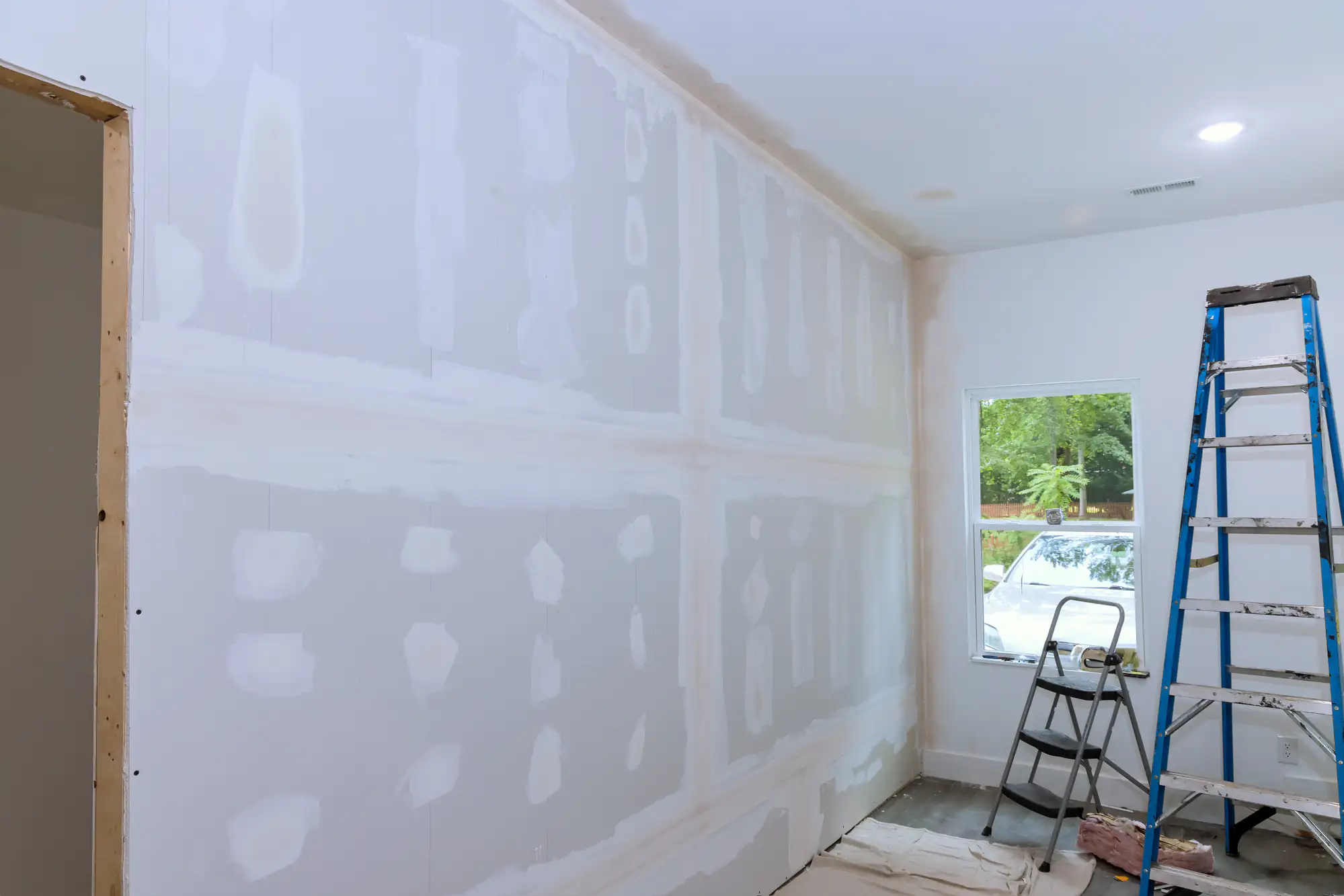
When the job’s done, you shouldn’t be able to tell where the repair was. That’s the standard.
Most homeowners in Centereach, NY call us after they’ve tried fixing it themselves or after another contractor left visible seams, uneven texture, or a mess that needed more work. You’re looking at walls that match perfectly—texture, finish, everything. The kind of work where your painter doesn’t call you to say there’s a problem.
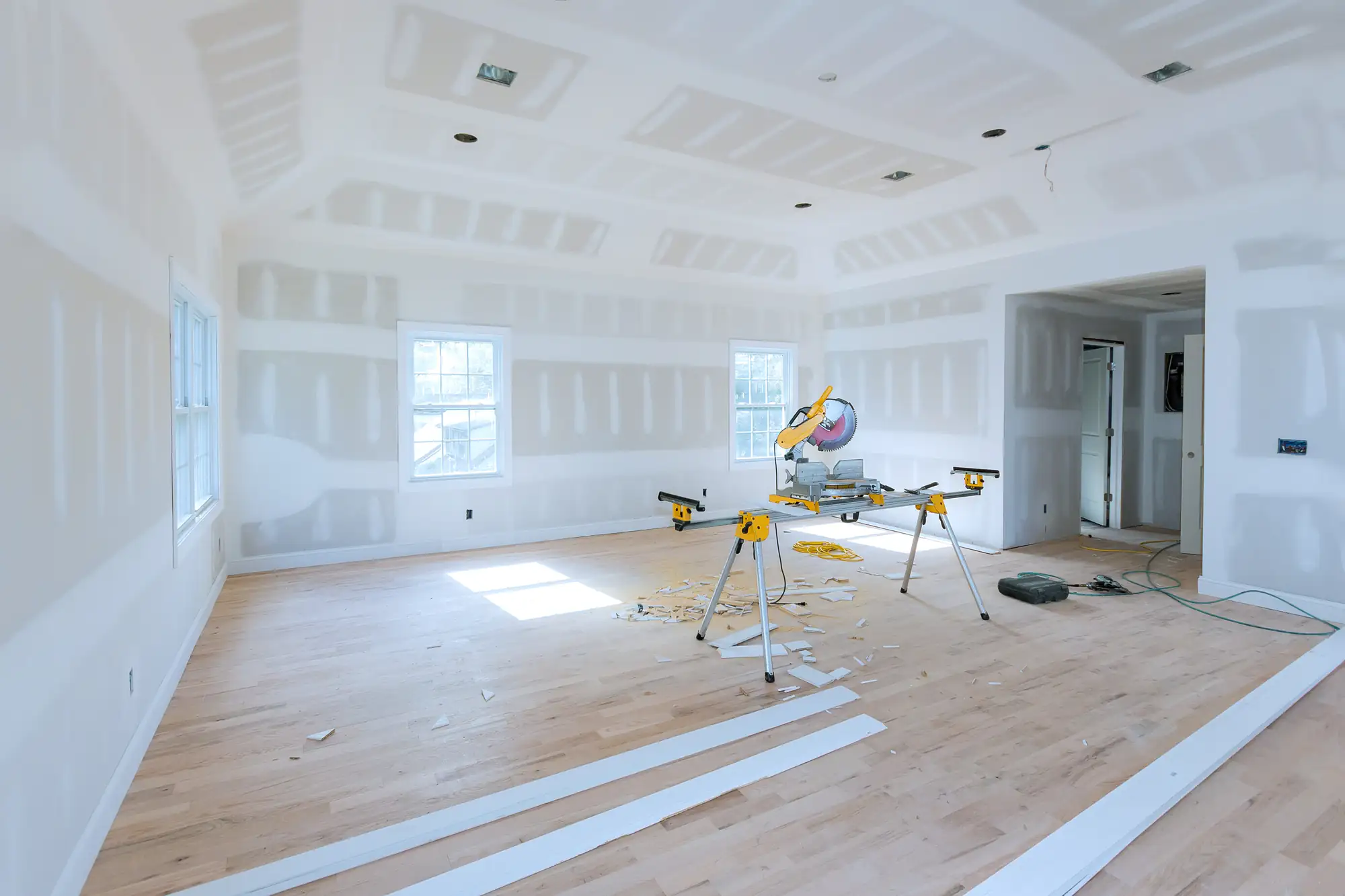
Whether it’s water damage from a roof leak, holes from that doorknob that’s hit the wall one too many times, or full room installations, the outcome is the same. Smooth. Seamless. Ready for paint. And a home that doesn’t look like construction just happened.
We’ve been doing interior renovations across Suffolk County since 2016. Sheetrock is a big part of what we do—installations, repairs, water damage restoration, texture matching, the whole scope.
What sets us apart in Centereach, NY isn’t just experience. It’s how we communicate. You’ll know what’s happening, what it costs, and how long it takes before we start. No surprises, no upselling, no pressure.
We’re licensed, insured, and we show up when we say we will. In a market where contractors ghost appointments or leave jobs half-finished, that shouldn’t be remarkable—but here we are.
First, we come out and look at what you’re dealing with. If it’s a repair, we check for underlying issues—water damage, mold, structural concerns. If it’s new installation, we measure and plan the layout to minimize seams and waste.
Then we prep. Drop cloths go down. Furniture gets moved or covered. We’re not the crew that leaves drywall dust on your couch.
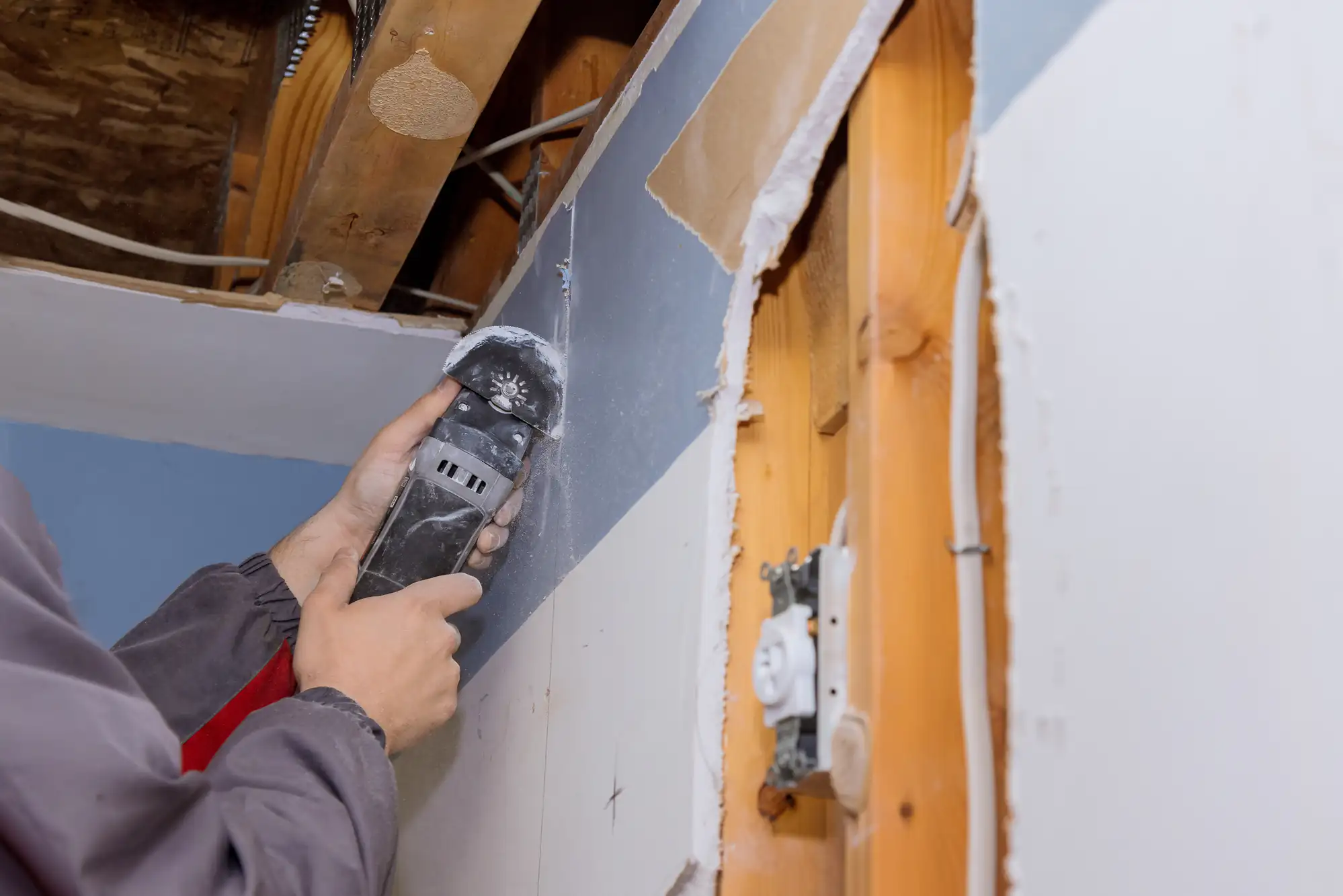
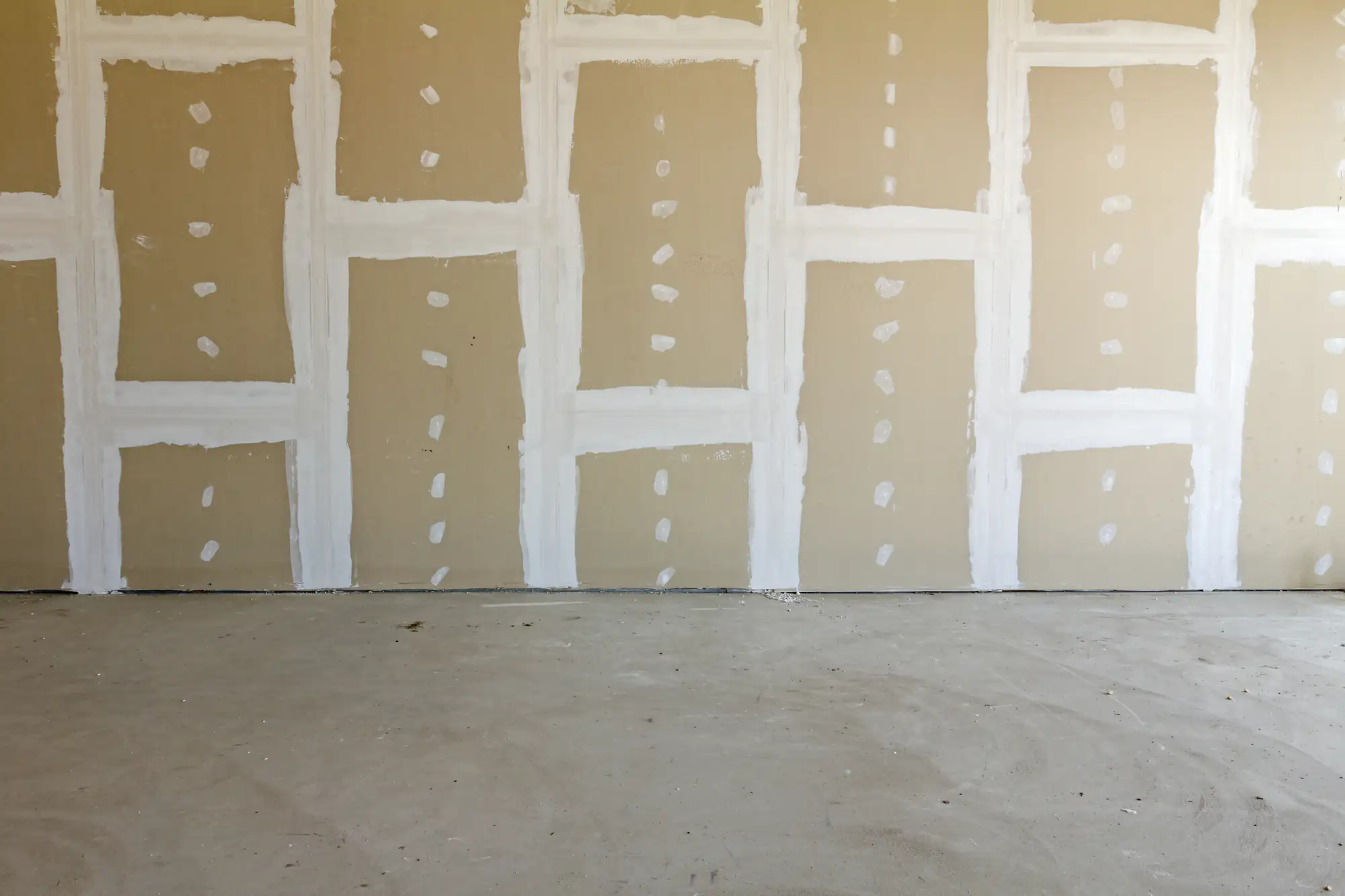
Installation or repair comes next. We use professional-grade materials and techniques—proper fastener spacing, correct taping compound application, the stuff that matters but most people never see. For repairs, we cut out damaged sections cleanly and match existing texture. For new walls, we hang, tape, and apply multiple coats of compound.
Finishing is where quality shows. We use dustless sanders when possible and hand-sand detail areas. The goal is a surface so smooth that paint goes on evenly without telegraphing imperfections. Once it’s primed, you’re ready for your painter—or we can handle that too.
Ready to get started?
You’re getting the full scope. New construction installations, renovation work, repairs from minor holes to major water damage, texture matching, taping, finishing to Level 4 or Level 5 standards depending on your needs.
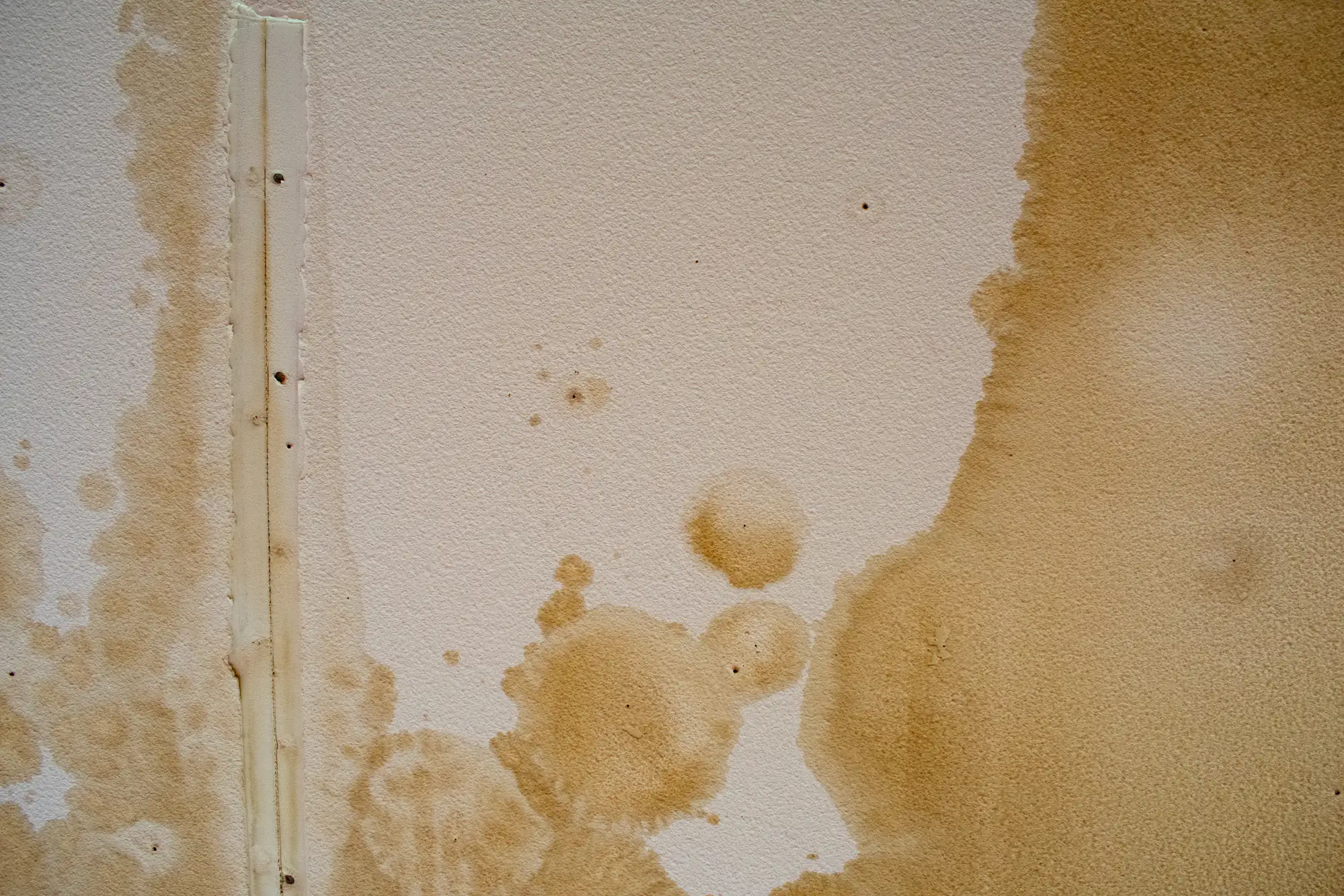
In Centereach, NY, we see a lot of water damage calls—burst pipes in winter, roof leaks during storms, slow plumbing leaks that go unnoticed until the ceiling’s soft. We handle the sheetrock side of that restoration. Remove damaged material, check for mold, install new panels, finish to match, and get your walls back to normal.
We also do commercial drywall installation for offices, retail spaces, and light commercial renovations. Same standards, same transparent process.
The materials matter too. We’re not using the cheapest sheetrock sheets we can find. Moisture-resistant board for bathrooms and basements. Proper joint compound—not the pre-mixed stuff that shrinks and cracks. Fiberglass mesh tape where it makes sense, paper tape where that’s better. These decisions affect how long your walls hold up.
It depends on the size and complexity, but here’s the reality. Small repairs—a few holes from picture hangers or a doorknob dent—usually run a few hundred dollars if you’re hiring a professional sheetrock contractor. Larger repairs, like fixing water damage across a ceiling or replacing full sections of wall, can range from $500 to $2,000 depending on square footage and whether there’s mold remediation involved.
For full room installations, you’re typically looking at $1.50 to $3.50 per square foot installed and finished in the Suffolk County area. A standard 12×12 room runs between $750 and $1,750 for complete sheetrock installation. That includes materials, labor, taping, multiple coats of compound, and sanding to a paint-ready finish.
We give you an honest estimate upfront. No hidden costs, no surprise charges when the job’s done. If we find additional damage once we open up a wall—which happens with water damage—we’ll show you, explain what needs to happen, and give you a price before moving forward.
Small stuff? Sure, try it. Nail holes, minor dings—those are manageable with spackle and patience. But once you’re dealing with repairs larger than a few inches, water damage, or trying to match existing texture, the math changes fast.
Here’s what we see constantly in Centereach, NY: homeowners spend $50-100 on materials, four hours on a Saturday, and end up with a visible patch that doesn’t match. Then they call us to fix the original problem plus the DIY attempt. You’ve now paid twice and waited longer.
Professional sheetrock repair isn’t just about filling holes. It’s knowing how much compound to apply, how to feather edges so they disappear, how to match orange peel or knockdown texture, and how to sand without creating new problems. Poor repairs leave visible marks or cracks that come back in six months. Proper repairs done by a local drywall contractor look like nothing was ever wrong.
If you’re unsure, call and describe what you’re dealing with. We’ll tell you honestly if it’s something you can handle or if you need professional help.
Small repairs—a few holes or a damaged section of wall—usually take half a day to a full day once we account for multiple coats of compound and drying time between coats. Each coat needs to dry before the next goes on, so even small jobs span a couple of days from start to finish.
Full room sheetrock installation takes longer. Hanging the sheets might take a day. Taping and first coat, another day. Second and third coats, sanding, and final prep add two to three more days depending on the size and finish level you need. For a standard bedroom, you’re looking at about a week from bare studs to paint-ready walls.
Water damage repairs vary wildly. If we’re just replacing a ceiling section, it’s similar to a standard repair timeline. If there’s mold, if we need to wait for other trades to fix plumbing or roofing first, or if the damage is extensive, it takes longer.
We’ll give you a realistic timeline upfront. We also protect your space with drop cloths and containment so the rest of your home stays livable while we work.
Level 4 is the standard finish for most residential sheetrock work. Joints and fasteners get multiple coats of compound, everything’s sanded smooth, and it’s ready for paint with texture or flat paint in typical lighting. This works for most rooms in your home.
Level 5 is a step up—it’s the finish you want for high-end spaces, rooms with harsh lighting, or anywhere you’re using flat or matte paint that shows every imperfection. We apply a thin skim coat of compound over the entire surface, not just the joints. This creates a completely uniform surface with no variations in texture or suction rate. It’s the gold standard in luxury construction.
In Centereach, NY, most homeowners go with Level 4 for bedrooms, hallways, and standard living spaces. We recommend Level 5 for formal dining rooms, master suites, modern open-concept spaces, or anywhere you’re going for that high-end, minimalist look.
The cost difference isn’t huge—maybe 20-30% more in labor—but the visual result is noticeably superior if you’re particular about how your walls look. We’ll walk you through what makes sense for your project and budget.
Yes, and this is where experience matters more than most people realize. Suffolk County homes have every texture you can imagine—smooth, orange peel, knockdown, skip trowel, even old plaster finishes that homeowners want matched.
Matching texture isn’t about slapping compound on the wall and hoping it blends. It’s about identifying what technique was used originally, what tools created that pattern, and replicating it at the right consistency and application method. Orange peel requires a specific spray gun setting. Knockdown needs the right trowel pressure and timing. Even “smooth” walls often have subtle texture that needs matching.
We carry the tools and have the experience to match what’s already there. We’ll do a test section if needed, especially on larger repairs, so you can see how it looks before we finish the whole area. The goal is that once it’s painted, you can’t tell where the old wall ends and the repair begins.
This is also why we don’t rush repairs. Texture matching takes time, multiple coats, and attention to detail. But that’s the difference between a repair that disappears and one that’s obvious every time you walk past it.
Absolutely. Water damage is one of the most common calls we get in Centereach, NY—especially after winter pipe bursts or during heavy rain seasons when roofs leak.
Here’s what that process looks like. First, we identify the source and make sure it’s fixed. We’re not ripping out damaged sheetrock if water’s still coming in. Once the leak’s resolved, we assess the damage. Soft, sagging, or stained sheetrock needs to come out. We check for mold, especially if the area’s been wet for a while.
We remove damaged sections, treat any mold issues if present, and let the framing dry completely before installing new material. Rushing this creates bigger problems down the road. Then we install moisture-resistant sheetrock if it makes sense for the location, tape, finish, and match your existing ceiling or wall texture.
Water damage often looks worse than it is, but it can also hide bigger problems. We’ll give you an honest assessment of what needs replacing versus what can stay. And we document everything, which helps if you’re filing an insurance claim for the damage.