
Hear from Our Customers
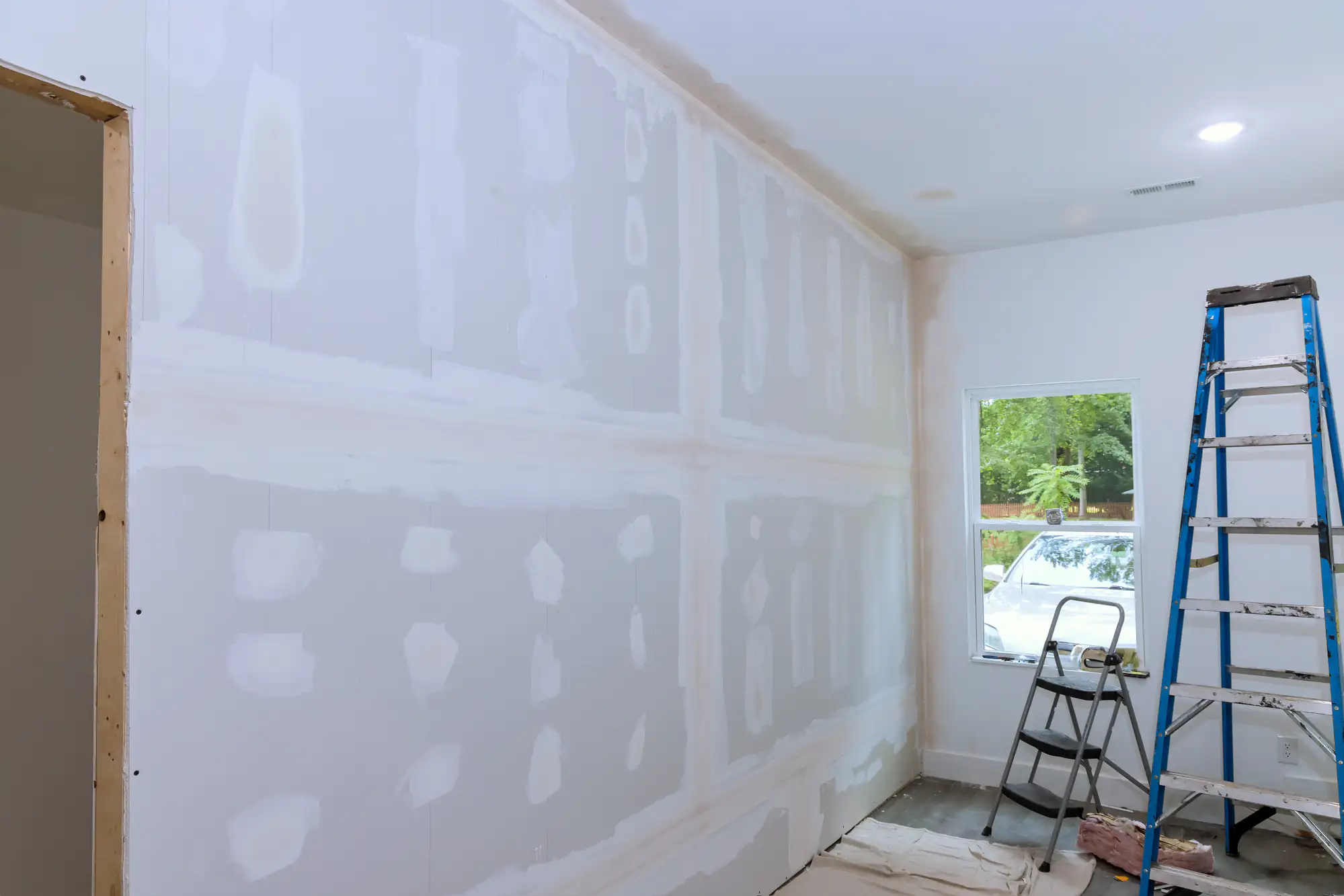
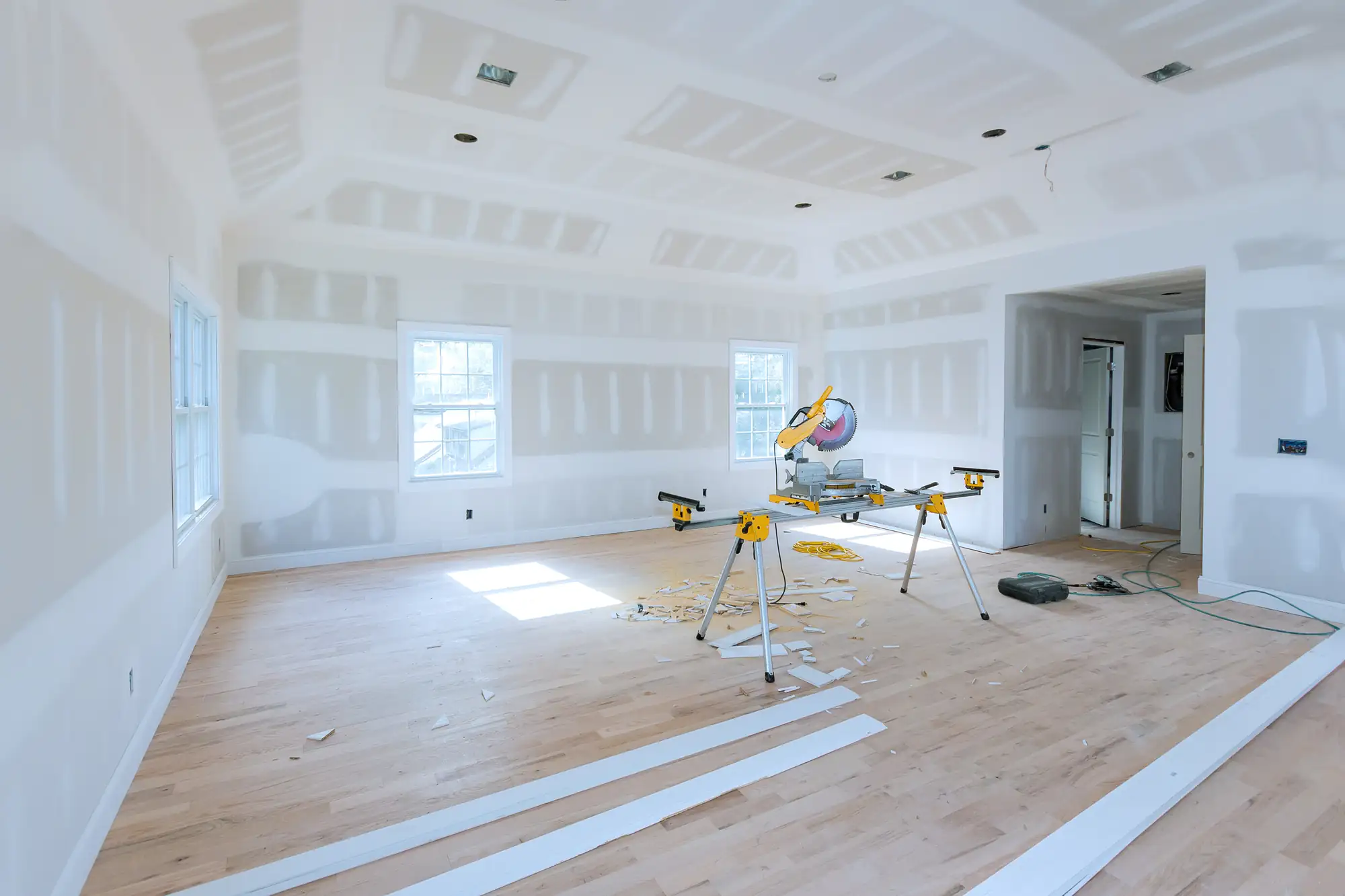
You get walls that look finished, not patched. Seams you can’t see. Paint that goes on smooth because the surface underneath was done right.
Most sheetrock problems show up months later. Cracks along the seams. Uneven patches that catch the light wrong. Texture that doesn’t match the rest of the room. That’s what happens when the taping and finishing get rushed or done by someone learning on your dime.
When the work is done properly from the start, you’re not calling someone back in six months. You’re not repainting because the finish wasn’t smooth enough. You’re not explaining to guests why that one wall looks different. The job holds up because it was built to last, not just to pass a quick inspection.
We’ve been handling interior renovations across Central Islip and Suffolk County for close to ten years. We’ve seen what happens when contractors cut corners on prep work, use cheap materials to pad their margins, or disappear halfway through a job.
That’s exactly why we don’t operate that way. Every sheetrock project gets the same attention whether it’s repairing a small section or finishing an entire basement. You get transparent pricing up front, licensed and insured professionals doing the work, and communication that doesn’t require three follow-up calls to get a straight answer.
Central Islip homeowners deal with enough. Your contractor shouldn’t add to that list.
First, we assess what you’re working with. That means looking at the space, understanding what type of drywall makes sense for the job—moisture-resistant for bathrooms, fire-resistant where it matters, standard for most living areas—and giving you a clear price before any work starts.
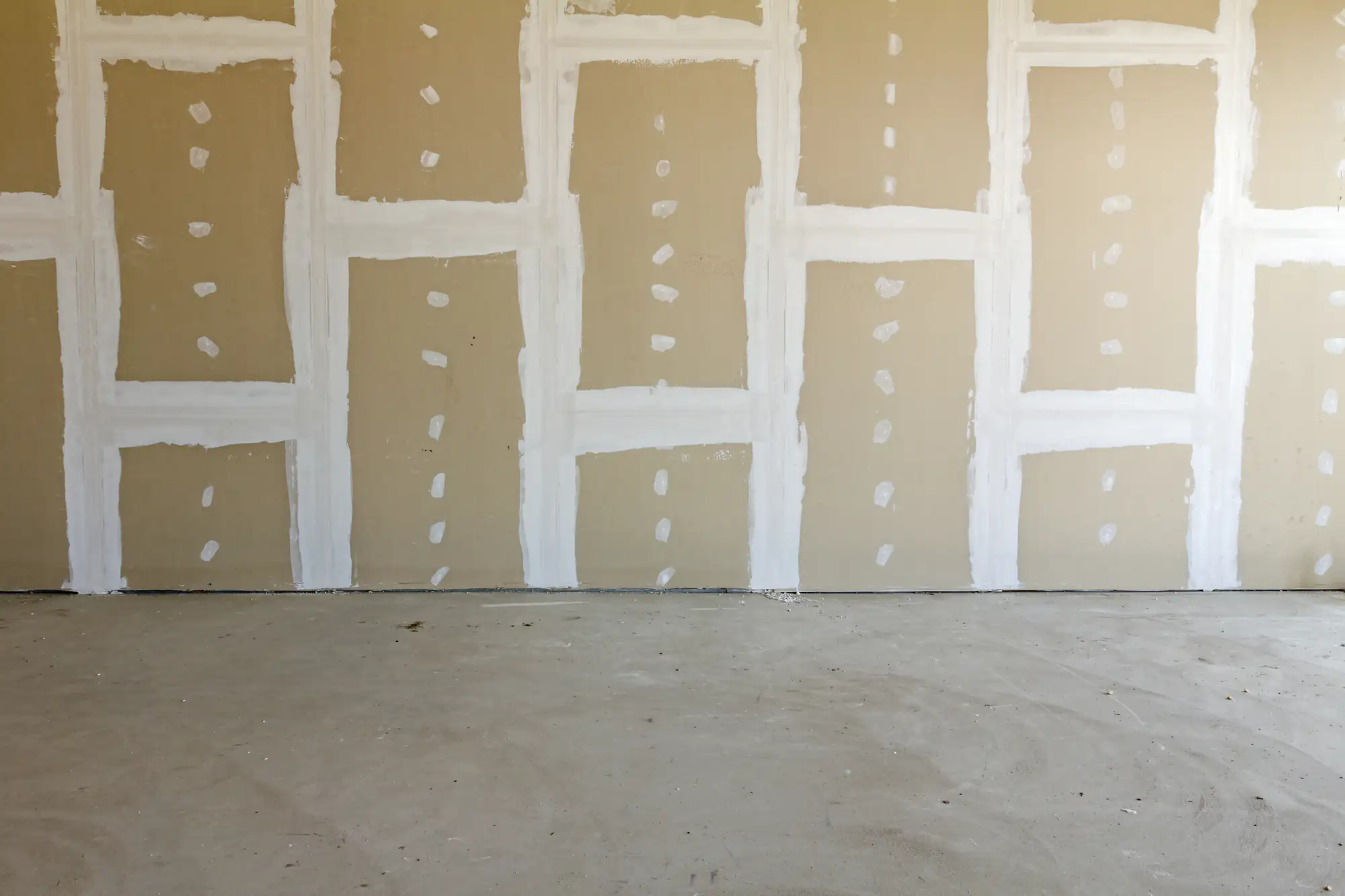
Installation comes next. Sheets go up properly measured and secured. This isn’t the stage where shortcuts save time. It’s where doing it right prevents every problem that shows up later. Seams get taped with the right compound, not whatever’s cheapest. Multiple coats get applied and sanded between each one.
Finishing is where most contractors either prove themselves or expose their lack of skill. We’re talking smooth, even surfaces ready for paint. Textures that match existing walls if that’s what the project calls for. Cleanup that doesn’t leave your home looking like a construction zone. The whole process typically takes a few days depending on scope—installation runs one to two days, finishing adds another two to three with proper drying time between coats.
Ready to get started?
You’re getting the full scope. Material selection based on your specific needs, not what’s sitting in our truck. Professional installation with attention to framing, spacing, and screw placement that prevents future issues. Complete taping and finishing with multiple coats and proper sanding between each.
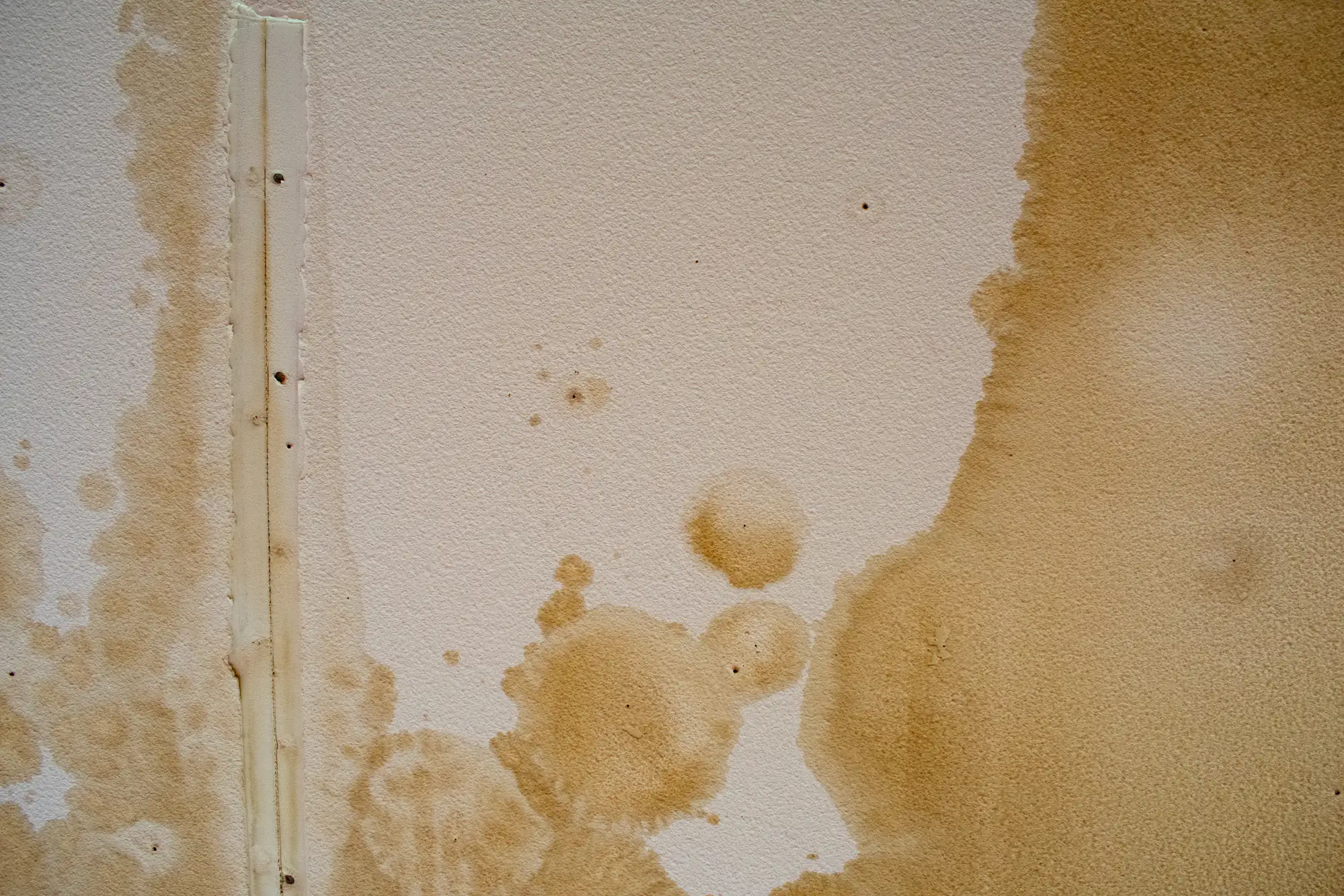
Central Islip homes, especially older ones, sometimes need more than just new drywall. We handle repairs to existing walls, water damage restoration, and matching textures to blend new work with old. If you’re dealing with the aftermath of a leak or just want to update a room that’s seen better days, the approach is the same—fix it right so it lasts.
The Long Island market has seen material shortages and supply chain issues over the past few years. That affects timelines and sometimes costs. We navigate that by maintaining relationships with reliable suppliers and being upfront about what’s realistic. You won’t get a quote based on materials we can’t actually source, and you won’t get surprised by price jumps midway through your project.
Material costs for standard drywall run about ten to thirteen dollars per sheet. That’s just the material. Labor is where the real cost sits, and it typically represents fifty to seventy percent of your total project expense.
For a single room, you’re often looking at a few hundred to a couple thousand depending on size and complexity. Whole-home projects or basements scale up from there. The variables that affect your specific cost include ceiling height, the amount of cutting and fitting required around windows and doors, whether you need specialty moisture-resistant or fire-rated materials, and how much repair work exists before new drywall goes up.
We give you transparent pricing before work starts. No lowball quote to get in the door, then change orders that double the price. You’ll know what you’re paying and what that covers.
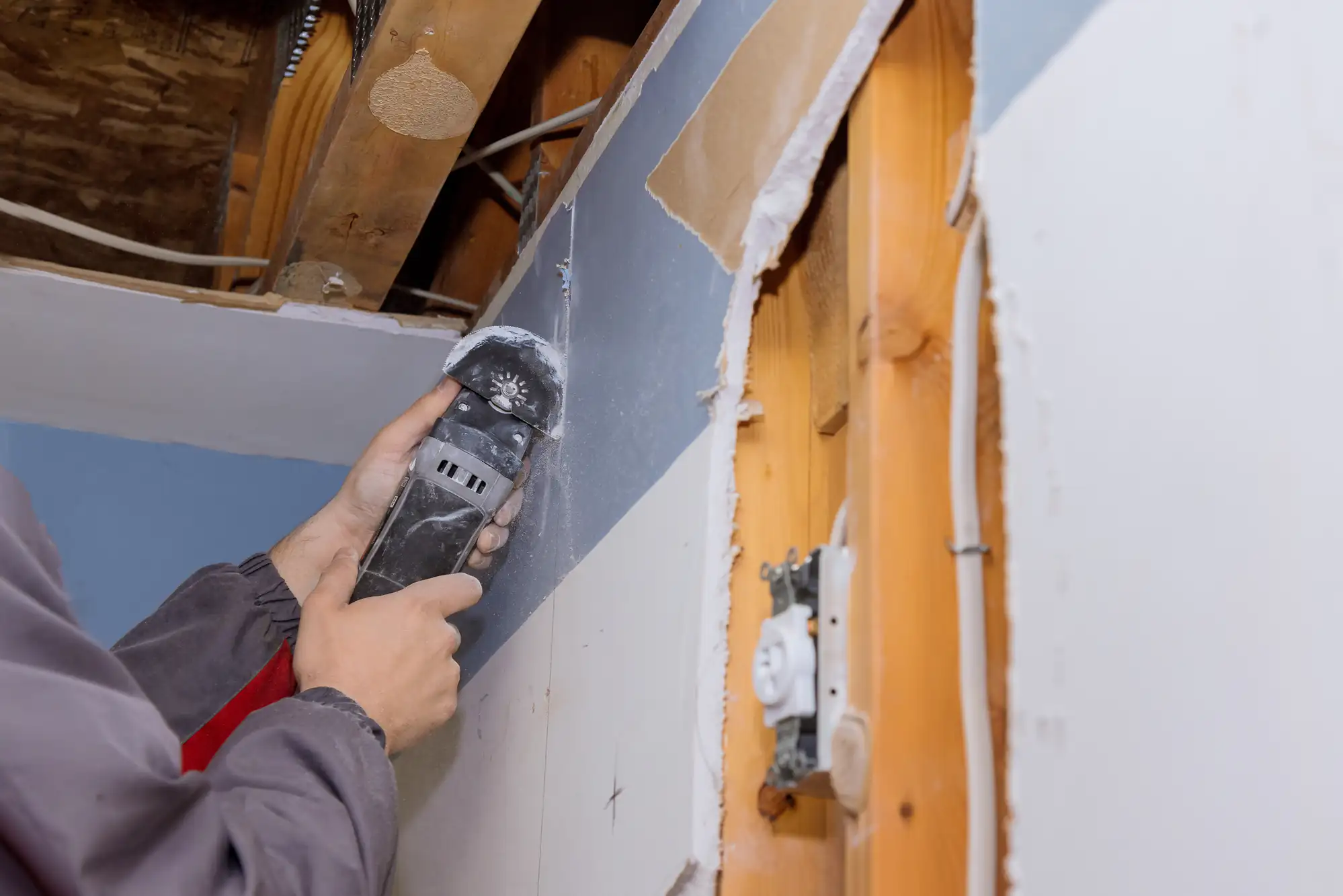
Repair work addresses specific damaged sections—holes from doorknobs, cracks from settling, water damage from leaks. The damaged portion gets cut out, new material gets fitted and secured, then the whole area gets taped, compounded, and finished to blend with the surrounding wall.
Full installation means covering studs with new drywall, usually in renovations, additions, or gut jobs. Every seam needs taping. Every surface needs multiple finishing coats. The scope is bigger, the timeline is longer, and the prep work matters more because you’re building the surface from scratch.
Both require skill to do right. Repairs need careful blending so you can’t tell where the fix happened. Installation needs precision so seams don’t crack and surfaces stay smooth for years. The contractor you choose should be able to handle both without making excuses about one or the other being “not their specialty.”
Installation of the actual sheets typically takes one to two days for an average room. Finishing is where time adds up—you’re looking at two to three additional days because compound needs to dry between coats.
Rushing the drying process causes problems. The compound cracks, sanding becomes harder, and the final surface shows imperfections. Proper drying time between coats isn’t a delay, it’s part of doing the job correctly.
Larger projects like full basements or multiple rooms scale accordingly. A basement might take a week to ten days total. Smaller repairs can often be completed in two to three days. Weather affects drying times, especially humidity. We give you realistic timelines based on the actual work involved, not optimistic estimates that make us sound faster than we are.
Yes. Moisture-resistant drywall, often called green board or purple board depending on the brand, should go in bathrooms, laundry rooms, and basements. Standard drywall absorbs moisture, which leads to mold growth and material breakdown.
Long Island’s humidity, especially in summer months, makes this even more important. Basements in Central Islip can deal with moisture issues from groundwater or poor ventilation. Using the right material from the start prevents expensive problems down the road.
Fire-resistant drywall, typically Type X, is required by code in certain locations like garage walls adjacent to living spaces or around furnaces. It’s not optional—it’s a safety requirement. Any contractor telling you standard drywall works everywhere either doesn’t know the codes or doesn’t care about them.
Dust happens. Sanding compound creates fine particles that get everywhere if not controlled. Professional contractors use dust barriers, vacuum sanders when possible, and actually clean up at the end of each day instead of leaving you to deal with it.
You should expect plastic sheeting protecting floors and doorways to other areas. You should expect daily cleanup of major debris, not just a final sweep when the job’s done. You should expect your furniture covered if it can’t be moved out of the space.
What you shouldn’t accept is walking through half an inch of dust every evening, compound tracked through your house, or being told “that’s just how it is with drywall.” Messy contractors exist. That doesn’t mean mess is unavoidable. It means they’re not taking the steps to control it. We contain the work area, clean as we go, and leave your home in livable condition even while the project’s ongoing.
Look at the seams. If you can see where sheets meet, the taping wasn’t done right. Run your hand across finished areas—you shouldn’t feel ridges, bumps, or rough patches. Check corners for clean, straight lines without gaps or excess compound buildup.
Ask about the process. Quality contractors apply multiple coats of compound with sanding between each. They use the right materials for the specific application. They don’t skip steps to save time. If someone’s telling you they can finish in half the time everyone else quotes, they’re either cutting corners or lying about the timeline.
Licensing and insurance matter. New York requires contractors to carry proper coverage. If someone can’t provide proof, they’re operating illegally and you have zero protection if something goes wrong. Nearly ten years in business means we’ve built a reputation we have to maintain. Fly-by-night contractors don’t have that accountability.
Other Services we provide in Central Islip