
Hear from Our Customers
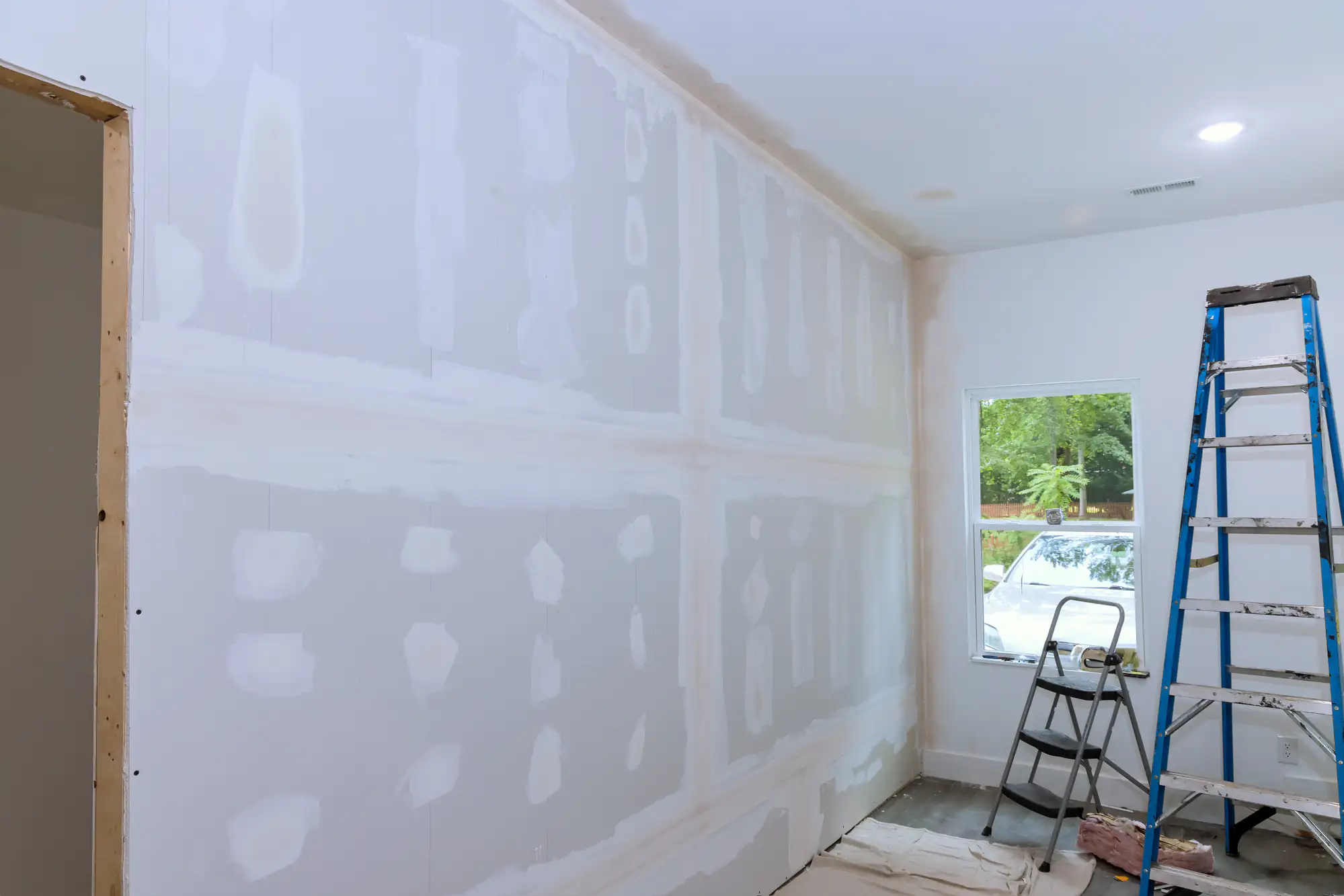
You notice bad drywall immediately. Visible seams. Uneven texture. Cracks that reappear six months after someone “fixed” them. In a market where homes average over $5 million, your walls need to meet a different standard entirely.
Proper sheetrock installation means you stop thinking about your walls. The finish is smooth enough that paint looks exactly how it should. Corners are crisp. Seams are invisible. The work holds up through humidity changes, settling, and years of daily life.
That level of finish requires specific skills. Level 5 spackling isn’t something most contractors bother with because it takes time and precision. But it’s the difference between walls that look acceptable and walls that look expensive. You’re already investing in quality materials and finishes throughout your home. Your drywall should match that standard, not undermine it.
We’ve spent nearly ten years working exclusively in Suffolk County. That means understanding how coastal humidity affects drywall. Knowing which inspectors cover which areas. Having relationships with suppliers who stock the right materials when you need them.
Most contractors in East Hampton North are juggling multiple trades and subcontracting everything out. We handle sheetrock installation, repair, and finishing directly. You’re working with people who’ve done this specific work hundreds of times, not a general contractor coordinating strangers.
The East Hampton market moves fast, especially before summer when everyone wants their homes ready. We plan projects during fall and winter when timelines are realistic and crews aren’t rushed. That’s when you get our best work, and when your project stays on schedule without the chaos of peak season.
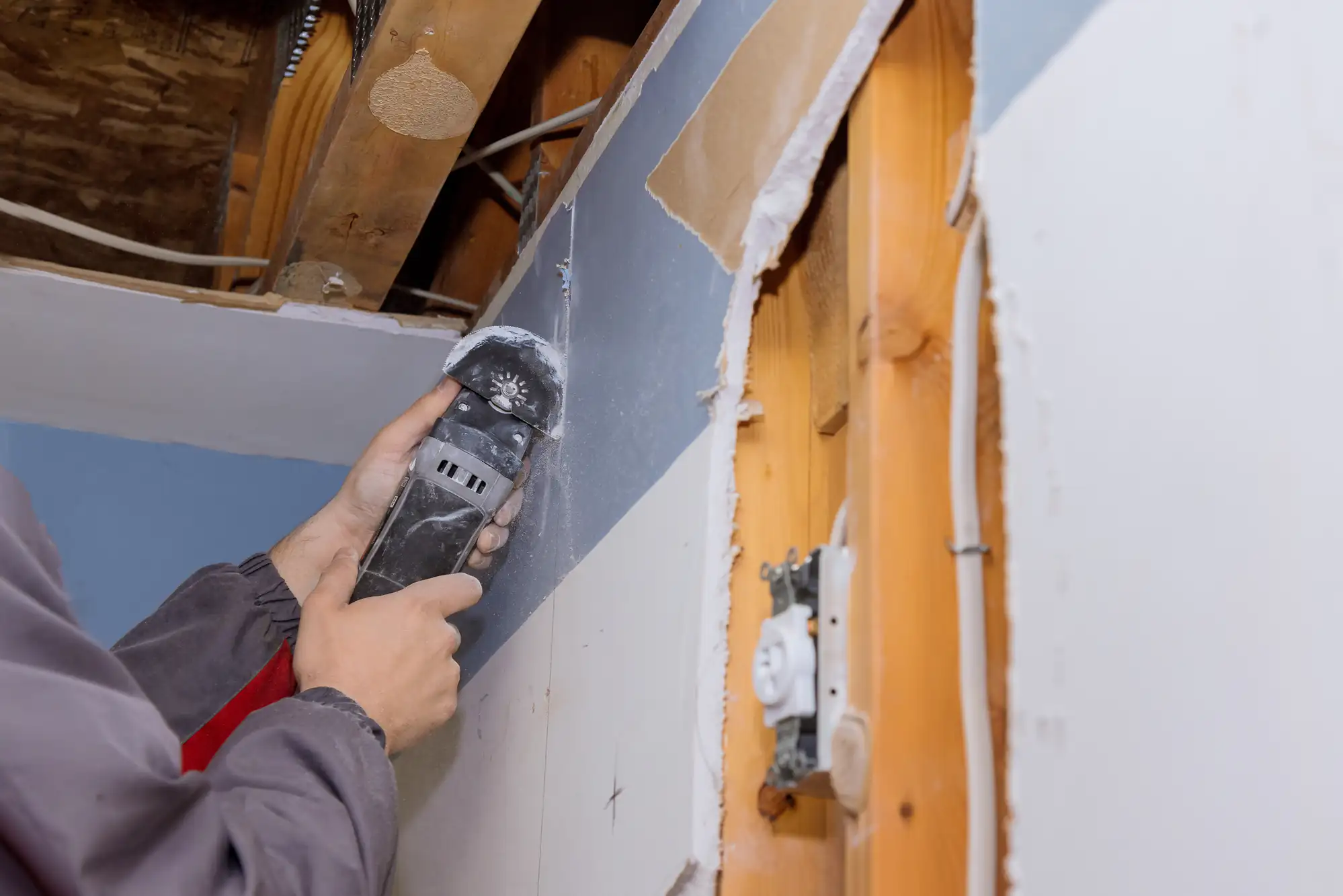
First, we look at what you’re dealing with. New construction needs full installation. Older homes might need repair work or complete replacement if previous drywall wasn’t fastened properly. Water damage requires different treatment than cosmetic updates. The scope determines everything else.
Once we know what you need, you get a fixed price. Not an estimate that climbs with change orders. Not a low number designed to hook you and increase later. The price we quote is what you pay unless you change the scope yourself.
Installation starts with proper fastening to studs and joists. Sheets go up with correct spacing and secure attachment so they won’t shift over time. Then comes taping, multiple coats of compound, and sanding between each layer. For high-end finishes, we go to level 5—a skim coat over the entire surface that eliminates even minor imperfections.
The final step is your walkthrough. You see the work before we consider it done. If something doesn’t meet your standards, we address it then. Not after painters show up and find problems. Not after you’ve moved furniture back in. Right then, when fixing it is still straightforward.
Ready to get started?
Professional sheetrock installation covers more than hanging sheets and taping seams. You’re getting proper surface preparation, which means addressing any structural issues before new drywall goes up. Fastening that meets code requirements. Taping with quality compound that won’t crack or bubble.
In East Hampton North, most projects involve either full renovations where entire rooms get new drywall, or targeted repairs where water damage, cracks, or poor previous work needs correction. Full installations include corner bead on all outside corners, proper joint treatment on inside corners, and enough coats of compound to create a smooth surface. Repairs involve cutting out damaged sections, installing backing where needed, and blending new work into existing walls so you can’t tell where the fix happened.
The finish level matters more than most people realize. Level 4 is standard for walls that will be painted with flat or eggshell finishes. Level 5 is necessary for high-gloss paints, dramatic lighting situations, or anywhere imperfections would be visible. In luxury homes with large windows and high-end finishes, level 5 isn’t optional—it’s the baseline. That’s what we spec for East Hampton projects unless you specifically need something different.
Material selection also affects your results. Standard half-inch drywall works for most walls. Moisture-resistant greenboard or cement board goes in bathrooms. Thicker five-eighths-inch sheets provide better sound dampening and fire resistance. We stock professional-grade materials and use the right product for each application, not whatever’s cheapest that week.
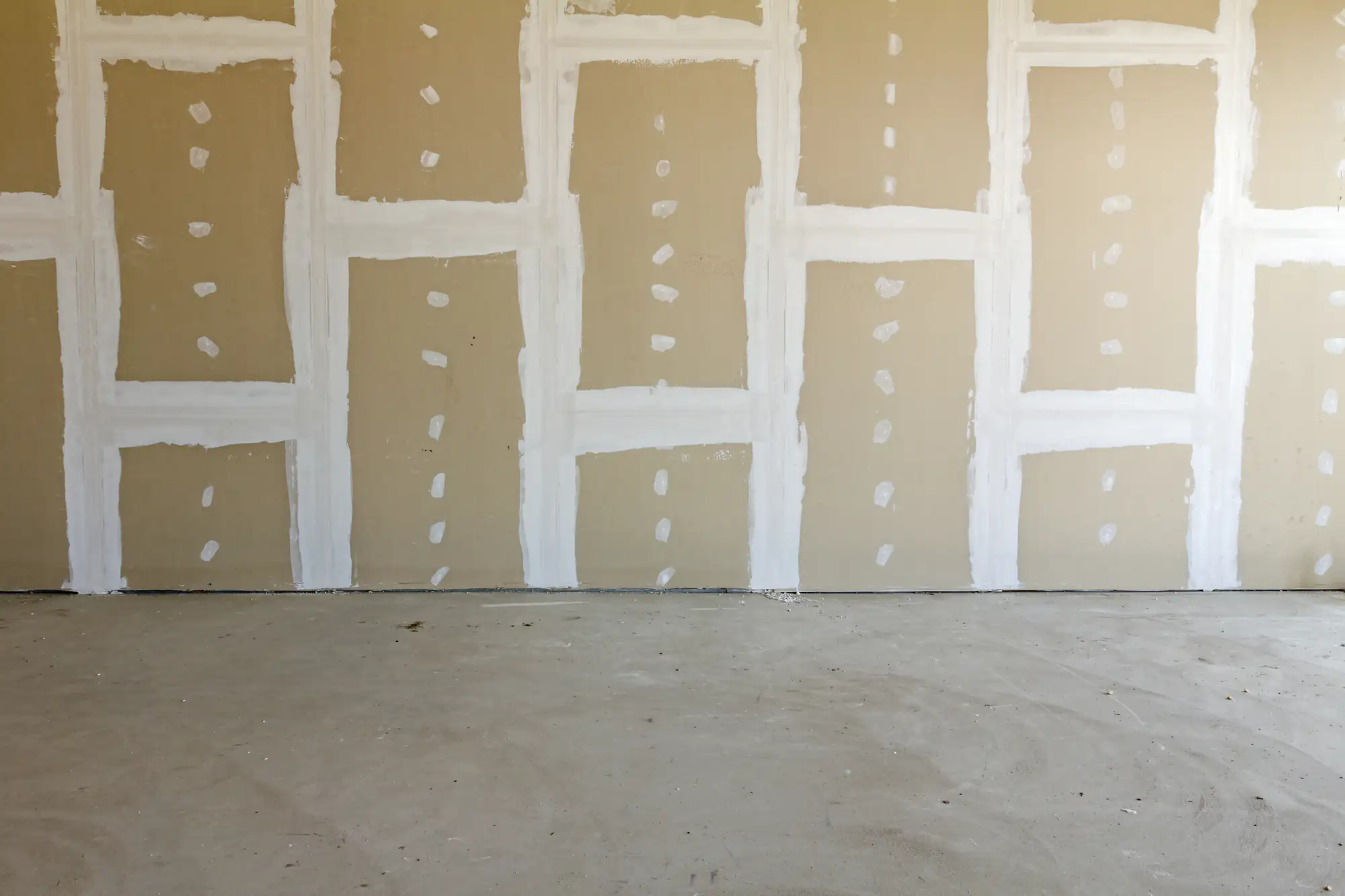
A single room usually takes three to five days from start to finish. That includes installation, taping, multiple coats of compound with drying time between each, and final sanding. Rushing this process creates problems—compound needs proper drying time or it cracks later.
Larger projects take longer, but not proportionally. Three rooms might take a week to ten days because we can work on different stages simultaneously. One room gets taped while compound dries in another. The timeline also depends on finish level. Level 5 finishing adds time because it requires an extra skim coat over the entire surface.
Weather affects drying times, especially in humid coastal conditions. Summer humidity can extend drying by a day or more between coats. Winter heating helps compound dry faster. We account for this when scheduling your project so expectations stay realistic from the start.
Most cracks come from movement. Houses settle. Temperature changes cause expansion and contraction. If drywall isn’t properly fastened to studs, it shifts and cracks along seams. Poor taping technique also creates weak points that fail under normal stress.
Prevention starts with proper installation. Screws need correct spacing and depth—too shallow and sheets move, too deep and you create weak spots. We fasten to studs and joists according to code, not based on what’s fastest. Taping requires the right compound applied in thin, even coats. Thick applications seem faster but they crack as they dry and shrink.
Some cracks indicate structural issues. A crack that reappears in the same spot after repair usually means something’s moving behind the drywall. We check for problems before covering them up. Sometimes the fix is reinforcing framing. Sometimes it’s addressing moisture issues. Covering structural problems with new drywall just delays the inevitable and costs you more later.
Small isolated damage—a hole from a doorknob, a crack along one seam—makes sense to repair. The fix costs less and takes less time than replacement. But extensive damage, multiple problem areas, or old drywall that’s deteriorating usually means replacement saves you money long-term.
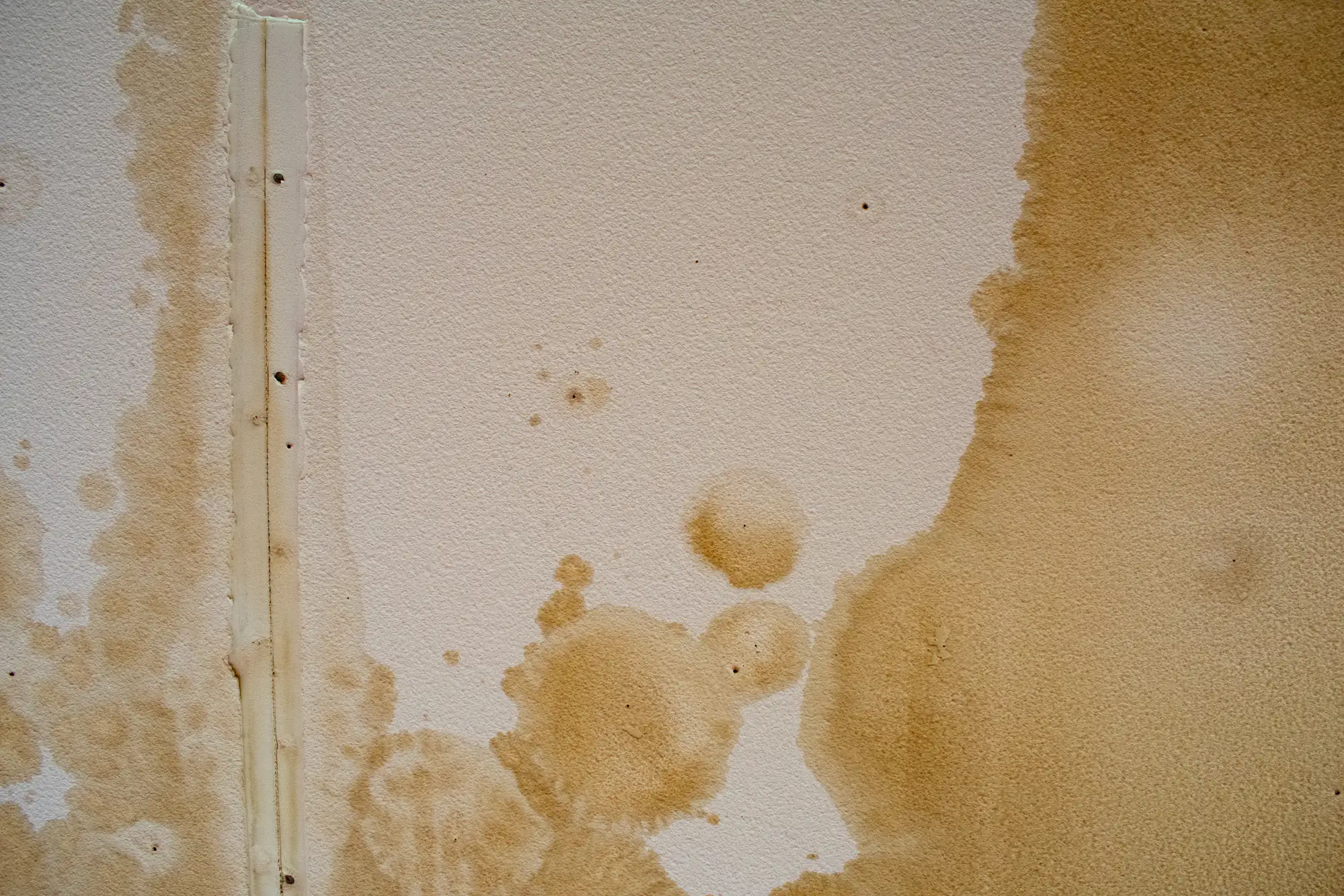
Water damage requires careful assessment. If drywall got wet and dried out once, it might be fine. If it’s been wet repeatedly, or if you see staining or soft spots, replacement isn’t optional. Mold grows inside damaged drywall where you can’t see it or treat it. Cutting it out and starting fresh is the only reliable solution.
Age also matters. Drywall from the 1970s or earlier was installed with different standards and materials. If you’re renovating an older home and opening walls anyway, replacing drywall while you have access makes sense. You get modern materials, proper insulation, updated electrical, and walls that meet current code. Trying to preserve old drywall in that situation usually creates more problems than it solves.
Nothing functional. Sheetrock is a brand name that became generic, like Kleenex for tissues. The product is gypsum board—a gypsum plaster core between two sheets of paper. Contractors use “drywall,” “sheetrock,” and “gypsum board” interchangeably.
What does matter is the type of gypsum board. Standard white board works for most interior walls. Green board is moisture-resistant for bathrooms. Purple board offers better mold resistance. Cement board goes in showers and wet areas. Type X is fire-resistant for garages and certain walls that need fire rating.
The brand can matter for specialty products. Some manufacturers make better moisture-resistant or mold-resistant boards than others. We use products that perform reliably in coastal conditions where humidity is a constant factor. But for standard applications, the installation quality matters far more than whether the board says Sheetrock, USG, or National Gypsum on it.
Most residential projects in East Hampton North run between $150 and $250 per square foot for complete renovations, though sheetrock itself is a fraction of that total. Isolated drywall installation for a standard room typically costs $2,000 to $4,000 depending on size, ceiling height, and finish level required.
Repairs cost less but vary widely based on damage extent. Patching a few holes might run $300 to $600. Replacing drywall on one damaged wall could be $800 to $1,500. Extensive water damage requiring multiple walls often justifies a fixed project price rather than hourly billing.
The finish level significantly impacts cost. Level 4 finishing is standard. Level 5 adds 20-30% because it requires additional material and labor. But in high-end homes with quality lighting and paint, level 5 is what you need for results that match your expectations. Trying to save money with a lower finish level just means you’re disappointed with how the final paint looks.
Both. Some contractors only want large projects, but repairs are often more complex than new installation. Matching existing texture, blending new compound into old walls, and making repairs invisible requires specific skills that new construction doesn’t teach.
Small repairs make sense when damage is isolated and the surrounding drywall is sound. We cut out the damaged section, install backing if needed, fit new drywall, tape and compound the seams, then texture-match so you can’t identify where the repair happened. For homes with unique textures or finishes, matching existing work takes more time than standard installation.
We also handle the in-between projects—not full gut renovations, but not simple patches either. Removing a wall and refinishing the ceiling. Updating a kitchen where soffits come down and drywall needs repair. Adding a bathroom where new walls tie into existing ones. Those projects require someone who understands both installation and repair techniques, not just one or the other.