
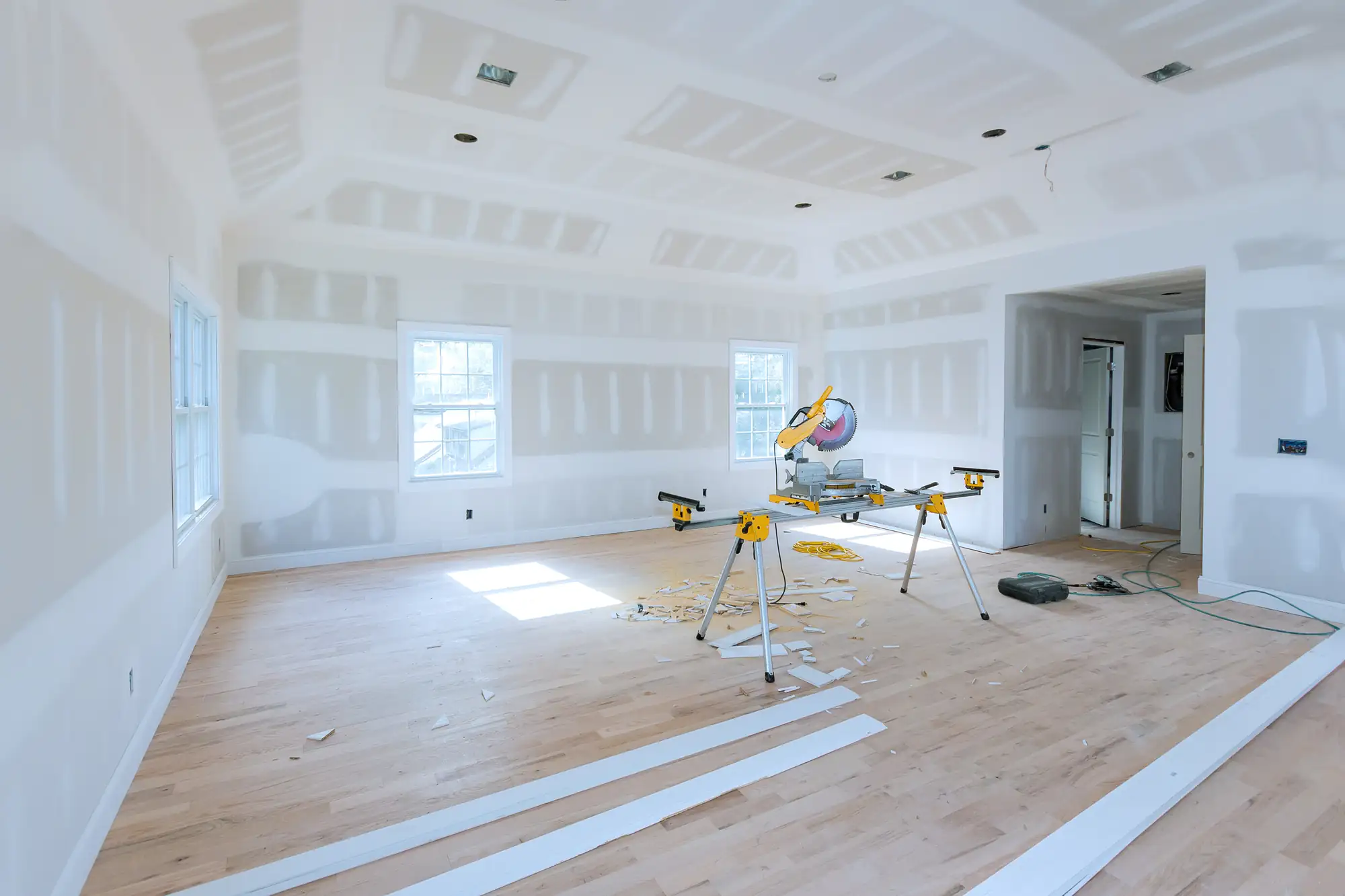
Hear from Our Customers
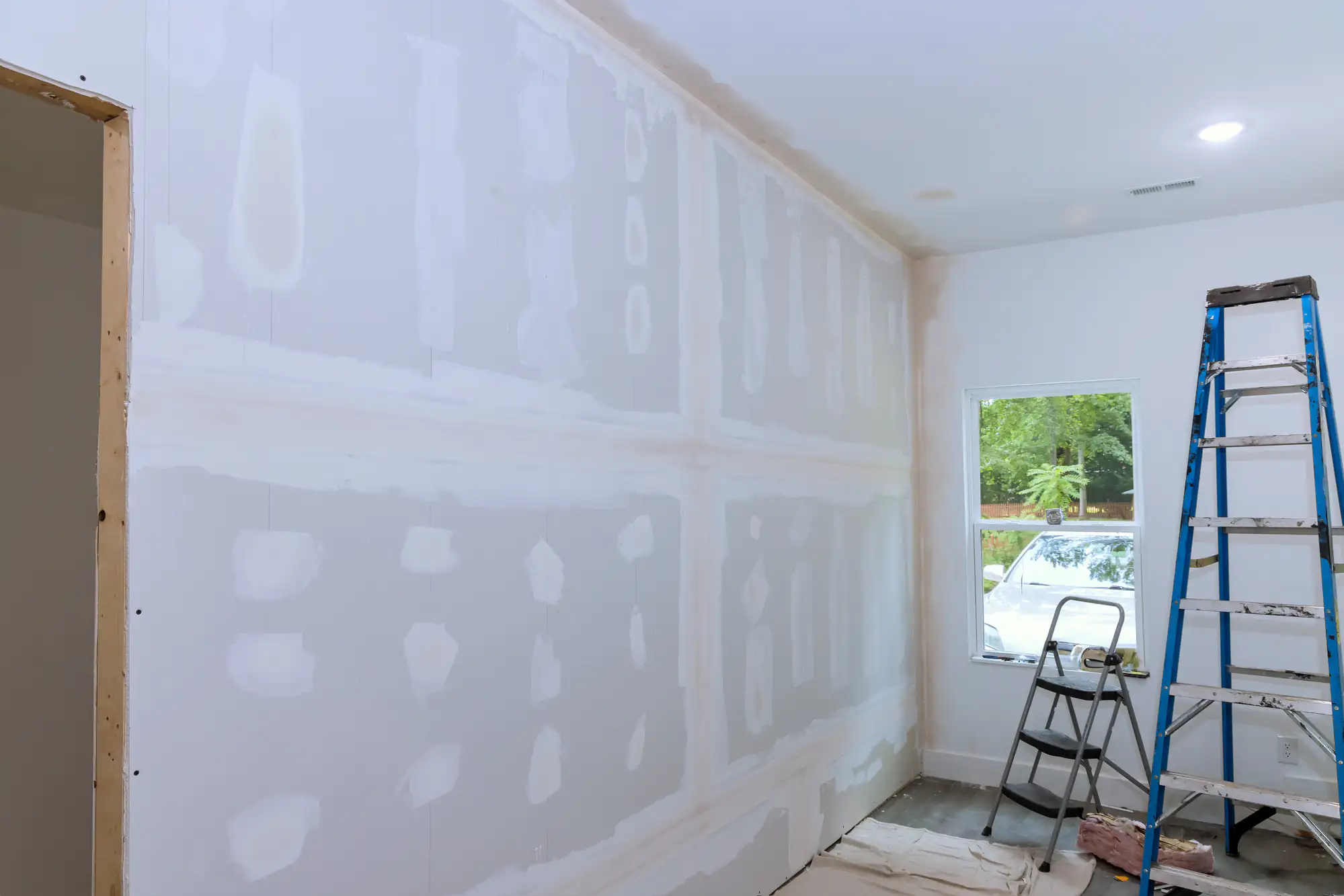
Here’s what matters when you’re hiring someone to handle your walls: the seams disappear, the surface is smooth enough to paint without second-guessing, and you’re not dealing with callbacks six months later because corners are cracking or tape is bubbling.
That’s the difference between sheetrock installation done fast and installation done right. You’re looking at walls that hold up. Corners that stay crisp. A finish that doesn’t broadcast where one sheet ends and another begins.
Whether it’s new construction, an addition, or you’re opening up a space and need drywall hung and finished, the end result should look like it was always there. No waves. No ridges. Just clean, paintable walls that do exactly what walls are supposed to do—blend in and let the rest of your space shine.
We’ve spent nearly a decade working on homes and commercial spaces across Suffolk County. We’re not new to East Quogue, and we’re not learning on your project.
You’re working with a local drywall contractor who knows how homes are built out here, what matters during a coastal winter, and how to finish walls in older properties without cutting corners. We’ve handled everything from small sheetrock repairs in ranch homes to full commercial drywall installation in multi-unit buildings.
What you won’t get: hidden fees, high-pressure sales tactics, or vague timelines. What you will get: straight answers, quality work, and someone who shows up when they say they will.
First, we walk the space with you. We measure, discuss what you’re trying to accomplish, and give you a clear estimate. No surprises later.
Once we start, we prep the area to protect your floors and belongings. Then we hang the sheetrock, making sure every sheet is secured properly and seams are planned to minimize visible joints. This step matters more than most people realize—it’s where a lot of contractors rush.
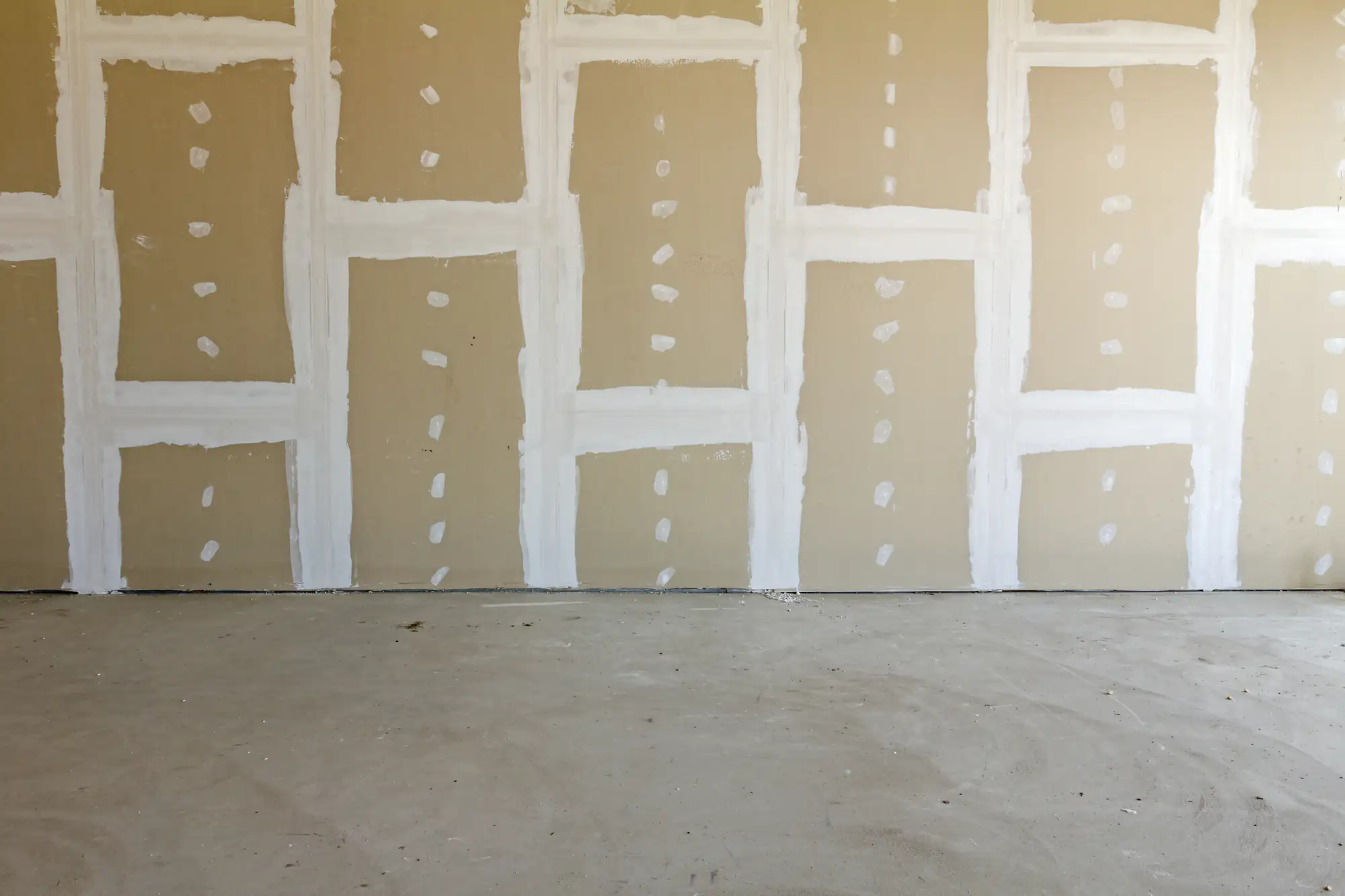
Next comes taping and applying drywall compound. This isn’t a one-pass job. We apply multiple coats, sanding between each one until the surface is smooth and seams are invisible. The final pass gets sanded to a paintable finish.
We clean up completely when we’re done. You’re left with walls ready for primer, not a mess to deal with. If there’s trim or paint work needed after, we handle that too—we’re a full-service interior renovation company, so you’re not coordinating between multiple crews.
Ready to get started?
You’re getting more than just someone who can hang drywall. We handle sheetrock repair for damaged walls—whether that’s from water, impacts, or settling. We also do full installations for renovations, additions, basements, and new builds.
For commercial projects in East Quogue, we work on retail spaces, office build-outs, and multi-family properties. The process is the same: clean work, clear communication, and a finished product that meets code and looks professional.
We also handle the details most homeowners don’t think about until it’s too late. That includes corner bead installation to protect high-traffic edges, proper taping with quality compound, and texture matching if you’re repairing a section of existing wall. If your project involves older plaster walls common in East Quogue’s historic homes, we know how to integrate new drywall without it looking patched.
This is Suffolk County. Homes here range from 1960s ranches to new custom builds near Shinnecock Bay. We’ve worked on all of them, and we adjust our approach based on what your property actually needs—not what’s easiest for us.
It depends on the size of the space and what we’re working with. A single room—say, a 12×14 bedroom—usually takes two to three days from start to finish. That includes hanging, taping, multiple coats of compound, sanding, and cleanup.
Larger projects like a full basement or an addition take longer. Figure about a week for a standard basement, maybe more if there are a lot of corners, soffits, or custom details. We’re not rushing through coats to hit an arbitrary deadline.
The taping and finishing process can’t be rushed. Each layer of drywall compound needs time to dry before the next one goes on. If someone’s promising you a finished room in a day, they’re either skipping steps or using methods that won’t hold up. We’d rather give you a realistic timeline upfront than overpromise and underdeliver.
Yes. Texture matching is part of what we do, especially in older East Quogue homes where you’re dealing with orange peel, knockdown, or skip trowel finishes.
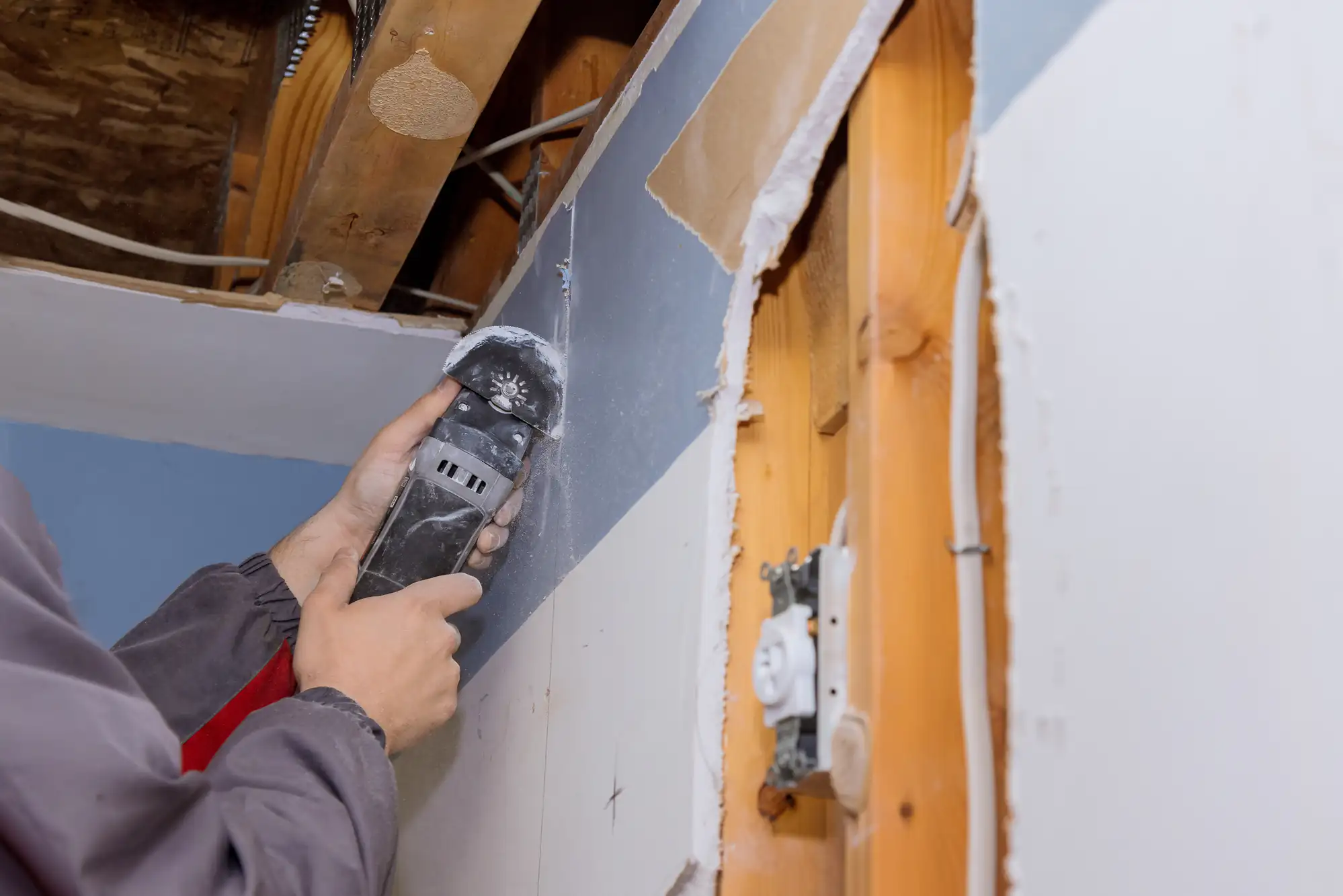
The process involves repairing the damaged drywall first—cutting out the bad section, installing a new piece, taping, and finishing it smooth. Then we replicate the texture using the right tools and technique. It’s not always perfect on the first pass, but we work it until the repair blends in with the surrounding wall.
If your walls have a flat finish, that’s actually easier. We sand everything smooth and you’re ready to prime and paint. The key is taking the time to feather the edges so there’s no visible line where the repair starts. That’s where a lot of DIY repairs or cheap contractors fall short—they fix the hole but leave a noticeable patch.
Nothing, really. Sheetrock is a brand name that became the common term, like Kleenex for tissues. The actual product is gypsum board, also called drywall or wallboard.
It’s all the same material: a gypsum core sandwiched between two layers of paper. Different thicknesses and types exist depending on the application—standard half-inch for most walls, five-eighths-inch for ceilings or fire-rated applications, and moisture-resistant green board or purple board for bathrooms.
When you’re hiring a sheetrock contractor or drywall contractor, you’re hiring someone who installs and finishes gypsum board. The terms are interchangeable. What matters more than the name is whether the person doing the work knows how to hang it properly, tape it without bubbles, and finish it smooth enough that you’d never know where the seams are.
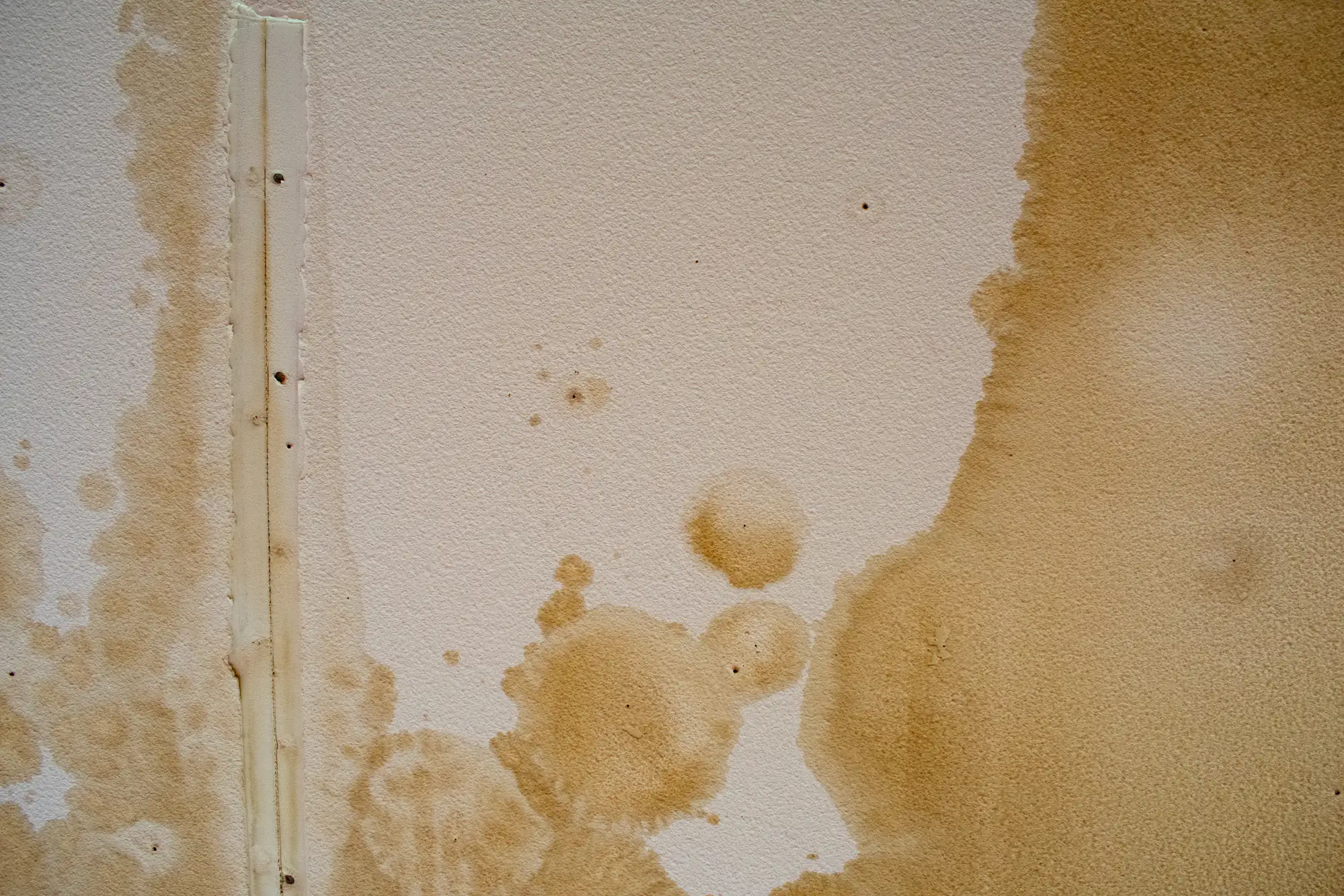
We handle both. Water damage is common in East Quogue—whether it’s from a roof leak, a burst pipe, or humidity issues in a basement near the water.
The first step is making sure the source of the water is fixed. We’re not patching drywall if there’s still an active leak. Once that’s confirmed, we remove the damaged section. Water-damaged drywall can’t be saved—it loses structural integrity, and mold becomes a real risk if it’s been wet for more than a day or two.
We cut out the affected area, check the framing and insulation behind it, and install a new piece of drywall. Then it’s the same process as any repair: tape, mud, sand, and finish. If the damage was in a bathroom or another high-moisture area, we’ll use moisture-resistant drywall for the replacement. You end up with a repair that’s actually stronger and more water-resistant than what was there before.
Repairs are generally less expensive than full installations, but the cost depends on the extent of the damage and how much prep work is involved.
A small patch—fixing a doorknob hole or a small crack—might run a few hundred dollars. Larger repairs, like replacing a four-by-eight section of damaged wall, cost more because we’re essentially doing a mini installation: cutting, fitting, taping, multiple coats of compound, and sanding.
Full sheetrock installation for a room is priced by square footage, and it’s more efficient because we’re working on a larger scale. You’re looking at the cost of materials, labor for hanging and finishing, and the time it takes to get everything smooth and ready for paint. We give you a clear estimate before we start so you know exactly what you’re paying for.
The bigger factor isn’t always size—it’s access and complexity. A straightforward repair in an open room is simpler than patching a ceiling in a tight hallway or matching texture on a high wall. We price based on what the job actually requires, not a one-size-fits-all rate.
We can work around furniture if needed, but the job goes faster and turns out better if the room is clear. Drywall work creates dust, even with proper sanding tools and cleanup. The less stuff in the room, the less you have to worry about covering or cleaning afterward.
If moving heavy furniture isn’t realistic for you, we’ll work with what’s there. We use drop cloths and plastic sheeting to protect floors and anything that’s staying in the space. We also contain dust as much as possible, but sanding drywall compound is inherently messy—there’s no way around that.
For bigger projects like a basement or whole-home renovation, we recommend clearing the space entirely. It’s safer for your belongings and gives us room to work efficiently. If you need help moving things or coordinating the logistics, let us know when we’re planning the project. We’ve done this enough times to help you figure out the best approach for your specific situation.