
Hear from Our Customers
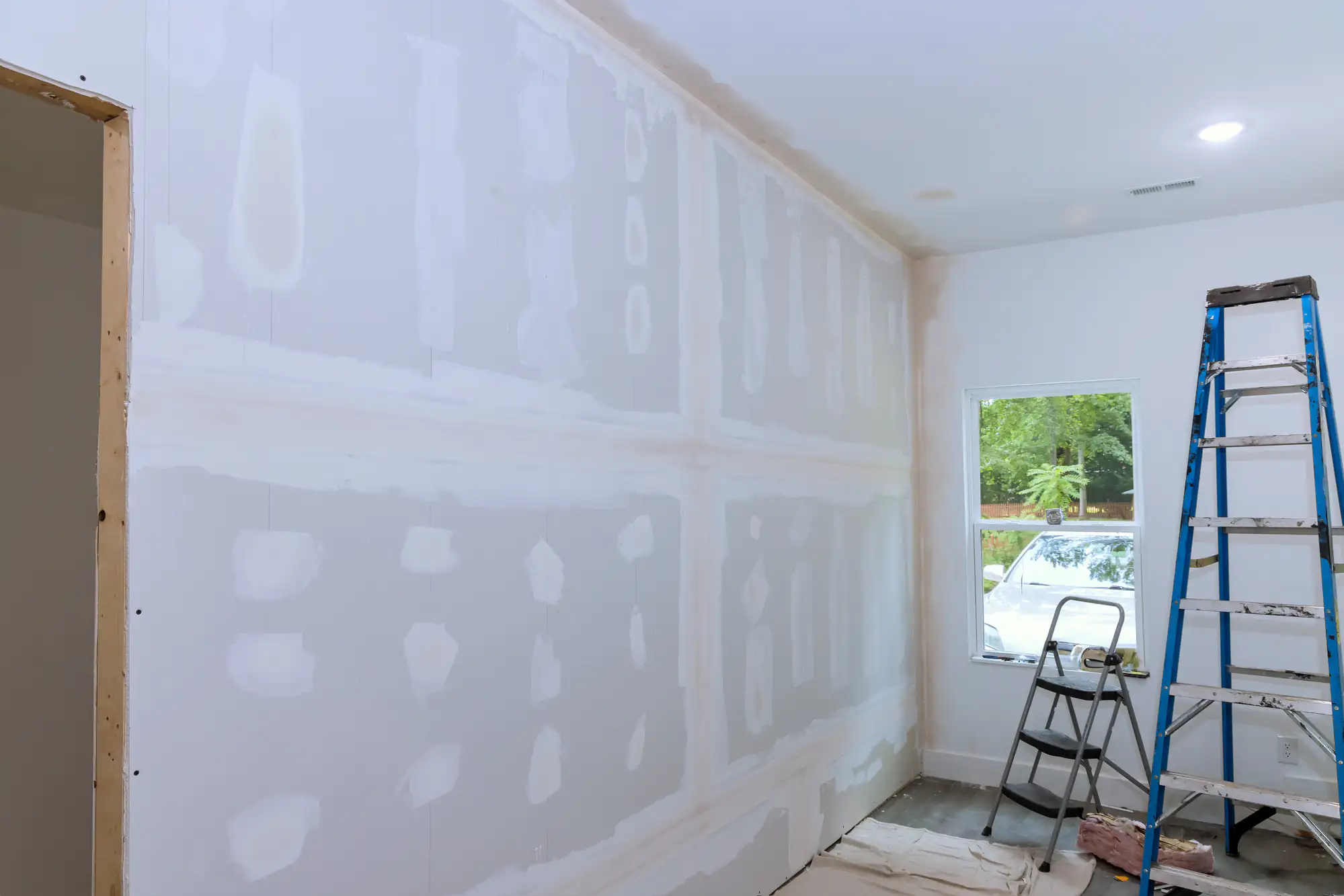
You’re not just paying for drywall sheets hung on studs. You’re paying for walls that look factory-smooth when the paint goes on. Seams you can’t see. Corners that are actually square. A finish that doesn’t crack in six months because someone rushed the taping or skipped proper fastening.
Most sheetrock problems show up later—nail pops, visible seams, uneven textures, corners that chip. That’s what happens when the work gets rushed or the contractor doesn’t know how to handle Suffolk County’s humidity and settling patterns.
When the installation is done correctly from the start, your painter doesn’t need to fix a dozen issues before they can even begin. You don’t live with imperfections you notice every time you walk past. And you’re not calling someone back in a year to repair cracks that shouldn’t exist.
The difference between acceptable work and quality work is in the details most people don’t see—proper fastener spacing, correctly mixed compound, adequate drying time between coats, and knowing when to add extra blocking. That’s what separates walls that look good now from walls that stay looking good.
We’ve been handling interior renovations in Farmingville and throughout Suffolk County since 2016. We’re fully licensed and insured with both liability and workers’ compensation coverage—which matters more than most homeowners realize until something goes wrong.
We’re not the biggest remodeling company you’ll find. We’re the ones who show up when we say we will, explain what we’re doing and why, and leave your home cleaner than most contractors would. Our work centers on carpentry, sheetrock, and complete interior renovations—the kind of projects where details actually matter.
Farmingville homeowners deal with the same challenges we see across Suffolk County: older homes that have settled, previous repairs done poorly, and the need to find contractors who won’t disappear mid-project or surprise you with charges that weren’t discussed. We built our reputation by being the alternative to that experience.
First, we look at your space and talk through what you need—whether that’s new construction, repairs, or full room renovations. We measure, check for any structural issues that need addressing first, and give you a clear price. No vague estimates that change later.
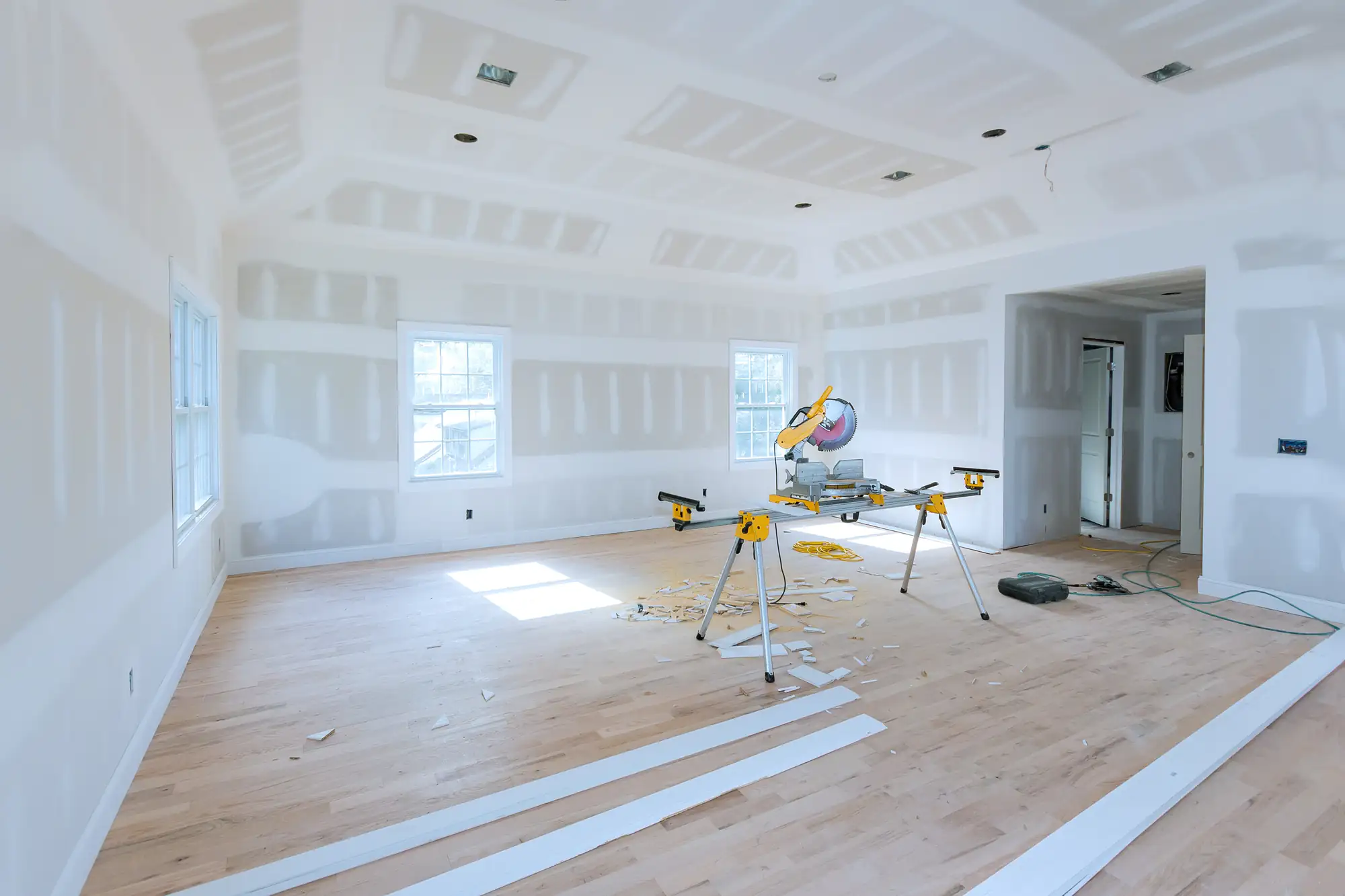
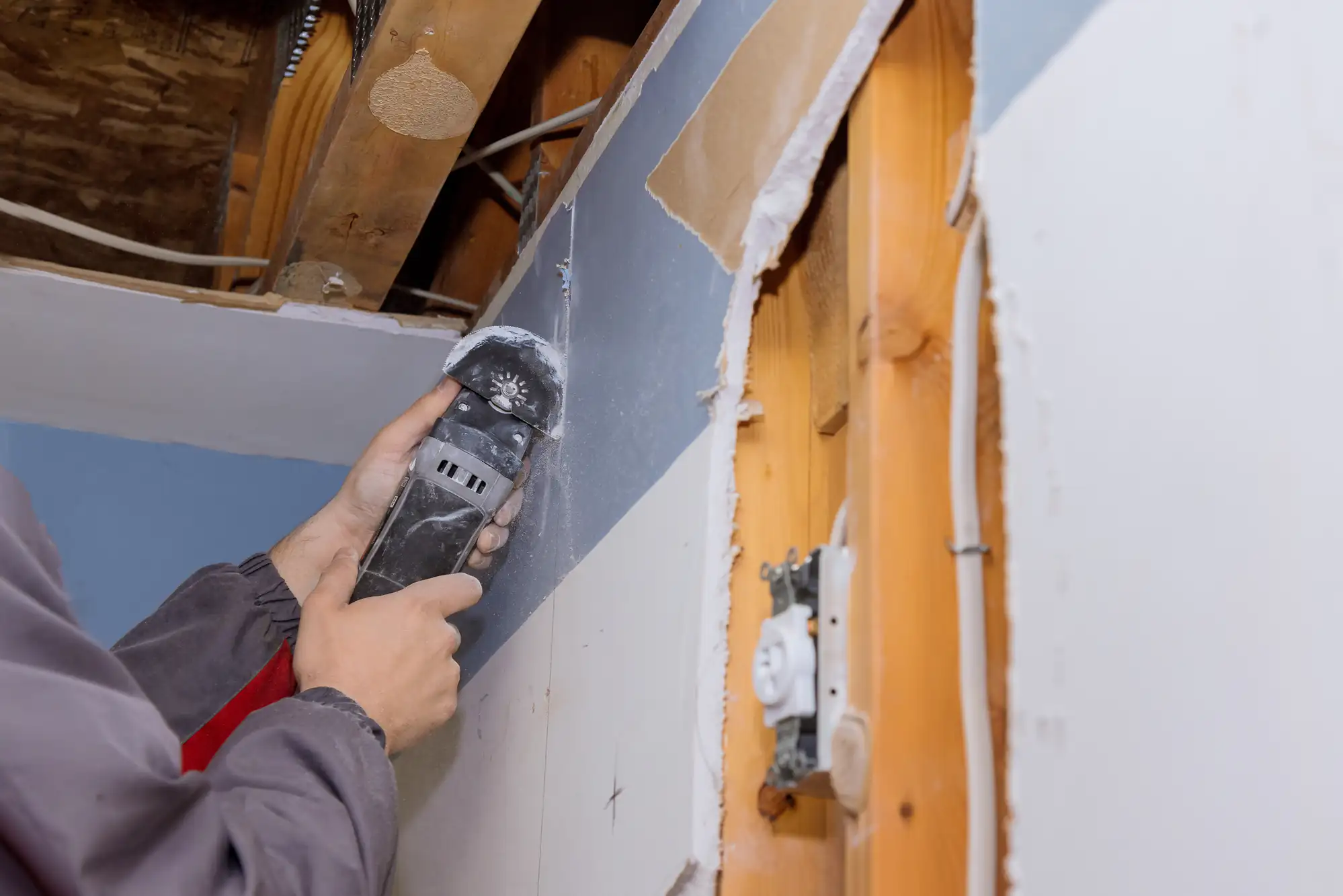
Once we start, we protect your floors and belongings, then handle any prep work—removing old damaged drywall if needed, adding blocking where it’s missing, making sure framing is solid. Then comes the hanging process. We measure and cut each sheet to minimize seams and waste. Fasteners go in at proper spacing. Everything gets checked for level and plumb as we go.
After hanging comes taping and mudding—usually three separate coats with drying time between each. First coat embeds the tape. Second coat builds it out. Third coat feathers everything smooth. We use dustless sanding equipment whenever possible because drywall dust gets everywhere otherwise, and you shouldn’t have to deep-clean your entire house after we leave.
Final step is a careful inspection with proper lighting to catch any imperfections before we call it done. The goal is paint-ready walls that your painter will actually appreciate working on.
Ready to get started?
We handle both new installation and repairs. New construction work, room additions, basement finishing, garage conversions—anywhere you need walls built from studs up. For repairs, that means fixing water damage, patching holes, addressing cracks from settling, replacing sections damaged by previous work, or fixing botched DIY attempts.
In Farmingville specifically, we see a lot of repair work related to older homes that have shifted over time. Long horizontal cracks along seams, nail pops in ceilings, corners that have separated—these are common in homes built in the 70s and 80s around here. The fix isn’t just smearing compound over the crack. You need to address why it cracked, reinforce if necessary, then properly repair it so it doesn’t come back.
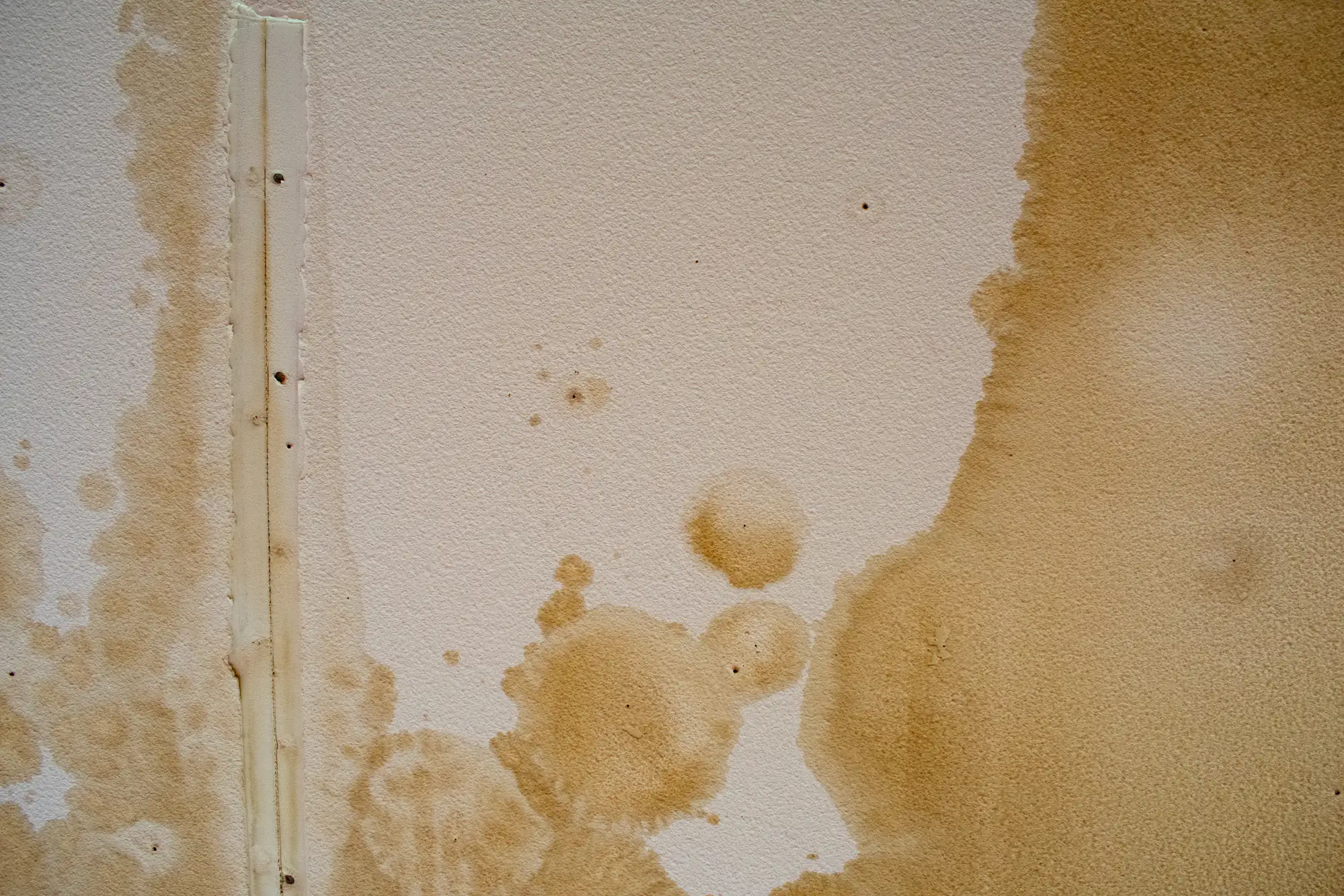
We also handle moisture-related damage, which is critical in Suffolk County where humidity and occasional flooding create real problems. If your sheetrock got wet, it needs to come out. Trying to salvage water-damaged drywall leads to mold issues later. We’ll remove the damaged sections, make sure the framing is dry and treated if needed, then install new moisture-resistant materials where appropriate.
The work includes all materials—sheets, compound, tape, fasteners, corner bead. We bring the right tools including dustless sanders and proper lighting for finish inspection. And we handle the cleanup and disposal, which matters because drywall debris is heavy and most towns have specific requirements for construction waste.
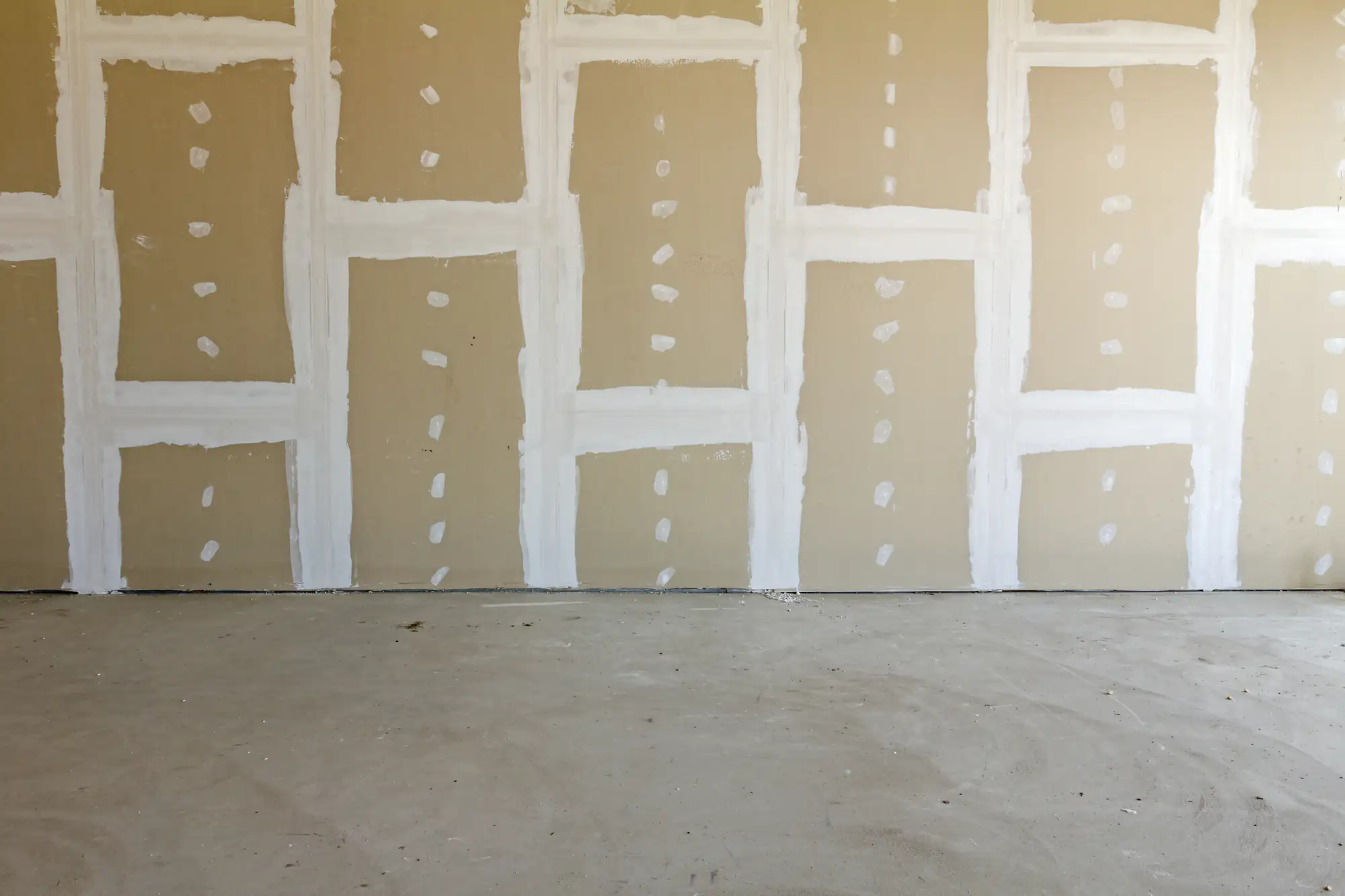
Most residential sheetrock installation in Suffolk County runs between $80-90 per board for paint-ready walls, but your actual cost depends on several factors. Ceiling work costs more than walls because it’s harder to install. Repairs are usually priced by the scope of damage rather than by sheet. Complex jobs with lots of cuts, angles, or multiple small areas cost more per square foot than wide-open rooms.
The price should include hanging, taping, mudding, sanding, and cleanup—not just slapping up sheets and calling it done. If someone quotes significantly less than the typical range, ask what’s not included. Sometimes lower quotes mean you’re getting fewer coats of mud, no sanding, or they’re skipping important prep work.
We give you a clear price upfront based on what your specific project needs. No hourly rates that keep climbing. No surprise charges for “extras” that should have been included from the start. You’ll know what you’re paying before we start working.
Small holes, minor cracks, and surface damage can usually be repaired without replacing entire sheets. But water damage, extensive cracking, crumbling drywall, or mold growth typically means replacement is necessary. If you can push on the wall and it feels soft or spongy, that section needs to come out.
Water damage is the big one. Even if the drywall looks okay after it dries, the paper facing has lost its integrity and the gypsum core may have started breaking down. That leads to future problems—sagging, crumbling, mold growth inside the wall. Better to replace it now than deal with bigger issues later.
Long cracks that keep coming back after repair usually indicate a structural issue—settling, inadequate fastening, or missing blocking. Just filling the crack again won’t fix it. We need to reinforce the area, possibly add blocking between studs, then properly repair it. Sometimes what looks like a simple repair actually needs more extensive work to solve the underlying problem, and we’ll tell you that upfront rather than doing a patch job we know won’t last.
Traditional drywall work creates a lot of dust—sanding joint compound produces fine particles that settle everywhere. But we use dustless sanding equipment that captures most of the dust at the source. It’s not completely zero dust, but it’s dramatically better than old-school methods where everything in your house ends up covered in white powder.
We also protect your space before we start. Floors get covered. Doorways get sealed with plastic if we’re working in one area and you’re living in another. We contain the work zone as much as practically possible. At the end of each day, we clean up the work area rather than leaving debris and dust for you to deal with.
The messiest part is usually demo if we’re removing old drywall. That creates chunks and dust that need careful handling. We bag it as we go and remove it from your property—you don’t end up with a dumpster sitting in your driveway for weeks. The goal is to minimize disruption to your daily life as much as possible while still doing thorough work.
New York doesn’t require a specific license just for drywall installation, but you absolutely want a contractor who’s properly licensed for home improvement work and carries adequate insurance. That means both liability coverage and workers’ compensation. Minimum liability should be $500,000, though many contractors carry more.
Here’s why this matters: if an uninsured worker gets hurt in your home, you could be personally liable for their medical bills and lost wages. That can easily reach six figures. If they damage your property or a neighbor’s property and they’re not insured, you’re covering it. Licensed and insured contractors protect you from these risks.
We maintain full licensing and insurance for all renovation work in Suffolk County. You can verify our coverage before we start—and you should ask any contractor you’re considering to provide proof of current insurance. If they hesitate or make excuses, that’s a red flag. Legitimate contractors expect this question and have documentation ready.
A single room usually takes 3-5 days from start to paint-ready finish. That includes hanging, three coats of compound with drying time between each, sanding, and cleanup. Larger projects take longer proportionally. Small repairs might only take a day or two depending on how many coats are needed.
The timeline depends heavily on drying conditions. Joint compound needs adequate time to dry between coats or you’ll end up with problems—shrinking, cracking, poor adhesion. We can’t rush this part without compromising quality. Humidity affects drying time, which is why Suffolk County projects sometimes take a bit longer during summer months when humidity is high.
We’ll give you a realistic timeline when we quote your project. If we say five days, we mean five days—not “we’ll start and see how it goes.” You deserve to plan around the work, and that means knowing when your space will be back to normal. We stay on schedule unless something unexpected comes up, and if it does, we communicate immediately rather than leaving you wondering what’s happening.
Moisture-resistant drywall (often called green board or purple board depending on the brand) has a water-resistant facing and treated core that holds up better in humid conditions. Regular drywall uses standard paper facing that absorbs moisture easily. For most living spaces, regular drywall is fine. For bathrooms, basements, laundry rooms, or anywhere humidity is consistently high, moisture-resistant makes sense.
In Farmingville and throughout Suffolk County, we recommend moisture-resistant materials for any below-grade application and in bathrooms. Basements here deal with humidity even when they’re properly waterproofed. Regular drywall in a basement can develop mold issues over time just from ambient moisture. The moisture-resistant version costs a bit more but prevents problems down the road.
That said, no drywall is truly waterproof. If you have active water intrusion—leaks, flooding, groundwater seepage—you need to fix that problem first. Moisture-resistant drywall handles humidity and occasional dampness, not standing water or continuous wetness. We’ll recommend the right material for your specific situation based on the actual conditions in your space, not just default to the cheapest option.
Other Services we provide in Farmingville